Opinion editor’s note: Strib Voices publishes a mix of material from 8 contributing columnists, along with other commentary online and in print each day. To contribute, click here.
•••
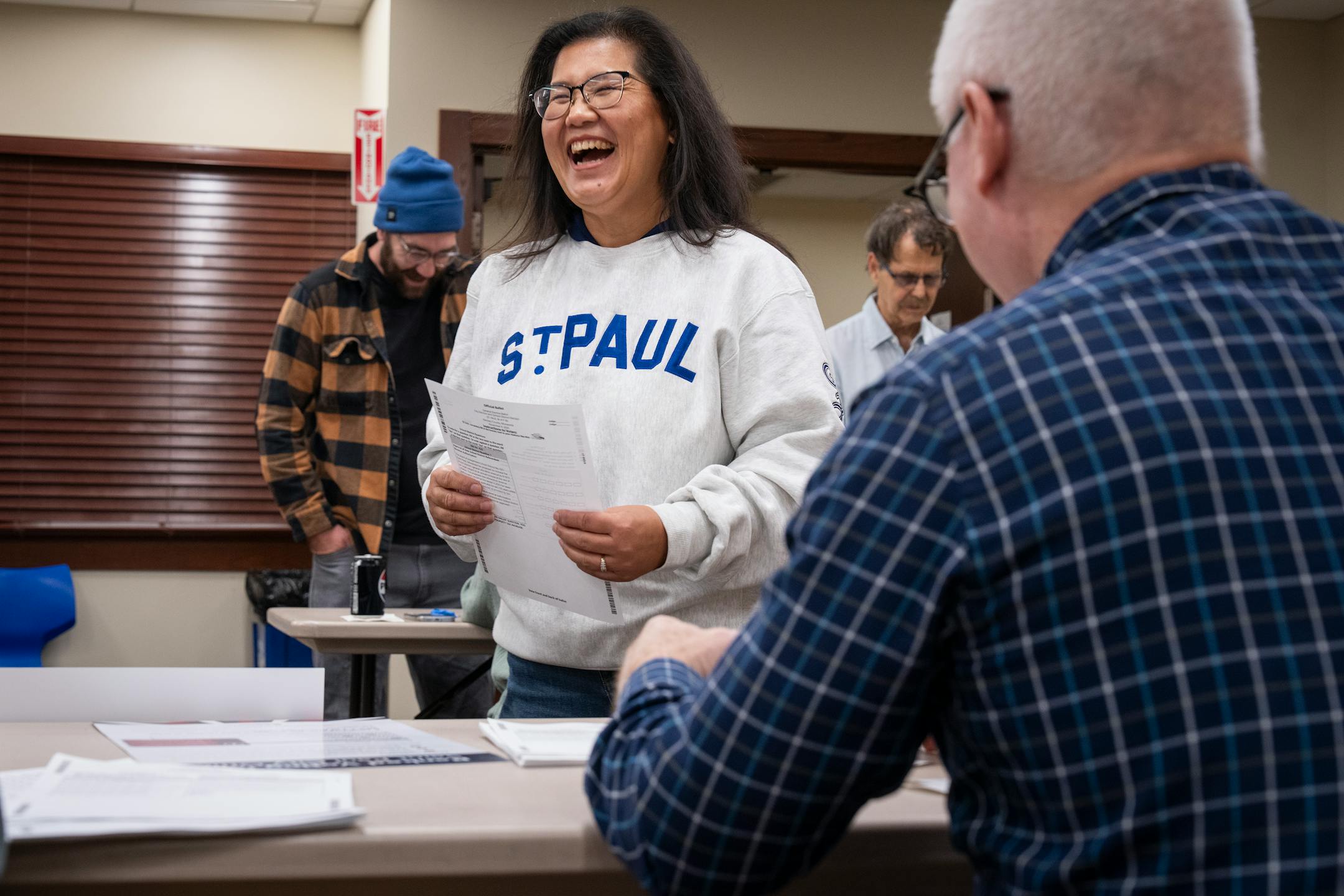
When Kaohly Her was elected the next mayor of St. Paul, a collective exhale rippled through Hmong women everywhere.
Her victory is not just a milestone in Minnesota politics, but another historic moment in the long arc of Hmong history. A people once colonized by France, displaced by war and resettled as refugees in America have now placed one of their daughters at the helm of a major American city. Her victory is more than a personal achievement.
Her’s election represents a culmination of the groundwork laid by other Hmong women who dared to step into public life long before it felt possible. In 1991, Choua Lee became the first Hmong person elected to public office in the U.S., serving on the St. Paul school board. In 2002, Mee Moua broke another barrier as the first Hmong American to serve in a state legislature.
They were followed by leaders like Kaohly Her herself in the Minnesota House in 2018, Nelsie Yang on the St. Paul City Council in 2020, Susan Pha in the Minnesota Senate in 2022 and Sheng Thao, who was elected mayor of Oakland that same year — the first Hmong American mayor of a major U.S. city.
In just 50 years since the Hmong first arrived in the U.S., Hmong women have journeyed from the quiet margins to the center of leadership. Once known only as mothers, daughters and wives, we are now mayors, CEOs, educators, and policymakers — architects of our own futures. We have moved from survival to leadership, from invisibility to influence.
Over this past year writing for the Minnesota Star Tribune as a contributing columnist, I’ve met young Hmong women who have approached me with tears in their eyes, telling me my words gave them hope — that in my columns, they could see their own voices reflected back. It is humbling and bittersweet to realize that, half a century after our arrival in this country, I am the first Hmong American columnist for a major news outlet. I don’t cling to that title. Instead, I long for the day when I am one of many — when Hmong voices fill our newsrooms, city halls, and boardrooms, shaping the stories that define us all.