Roper: ‘King of clubs’ Peter Hafiz built a nightlife empire in downtown Minneapolis

The namesake of Sneaky Pete’s, and owner of other landmarks like Deja Vu and Gay 90s, died recently.

Columnist Icon
The Minnesota Star Tribune
December 5, 2025 at 12:00PM
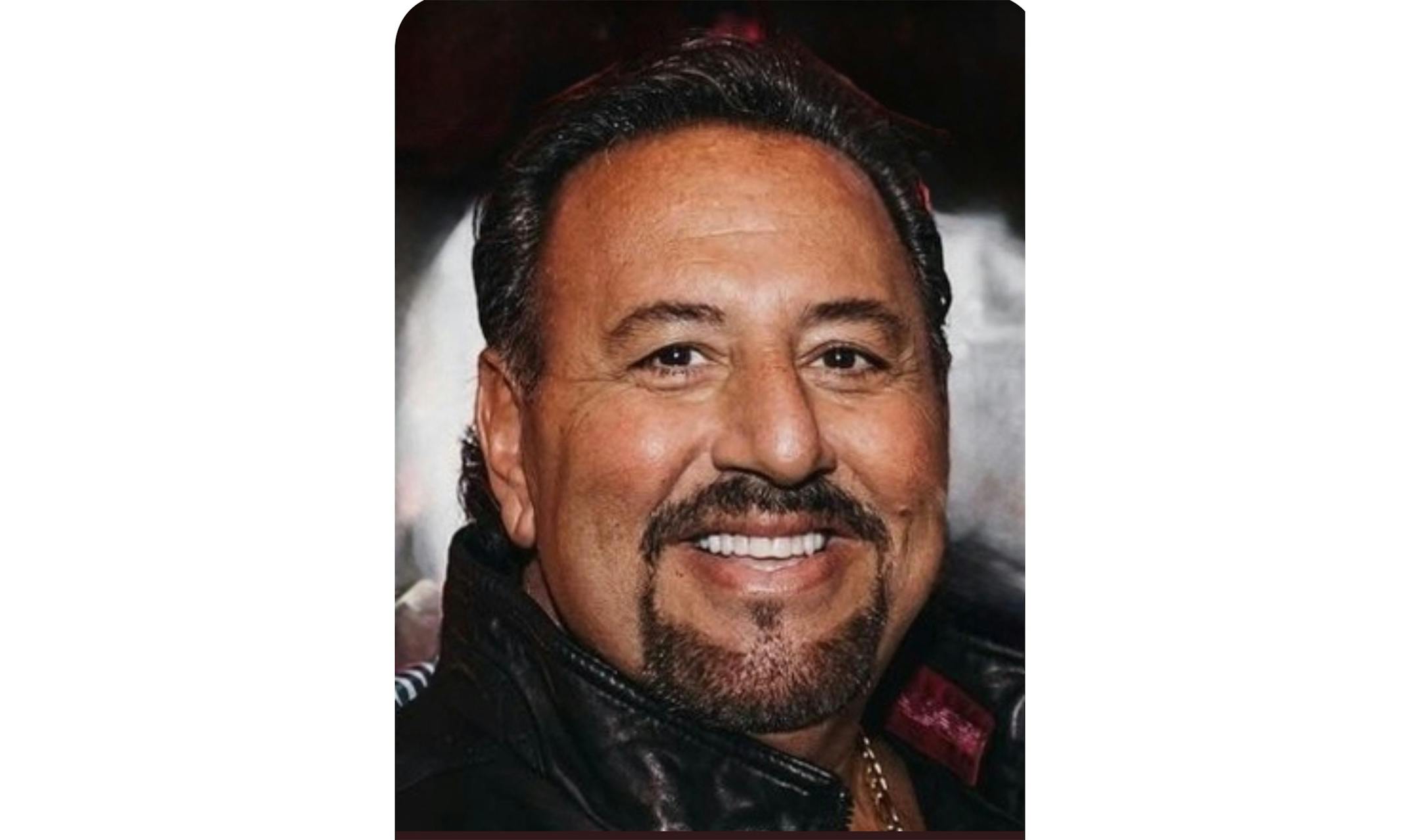
Peter Hafiz helped make downtown Minneapolis a nightlife destination. (Provided)

When the sun sets over downtown Minneapolis, the empire Peter Hafiz built comes to life.

It’s a place filled with dazzling lights, where dancers bare it all and blurry memories are made. The Hafiz name is behind downtown adult institutions like Deja Vu, Dreamgirls, Gay 90s and Brass Rail.

The popular party bar, Sneaky Pete’s? He’s Pete.

The “king of clubs,” who helped make downtown an enduring nightlife destination, died in late November after a long illness. He was 65.

Hundreds of mourners packed into St. George Antiochian Orthodox Church in West St. Paul this week to pay their respects. The traditional funeral ceremony reflected Hafiz’s deep-seated faith — a contrast to his public persona running sin businesses — at a church where his family has been worshiping for generations.

And the overflow crowd was a testament to his personal impact. A priest described Hafiz’s well-known generosity as “thoughtful, sincere and humble,” echoing stories that spilled out in online tributes.

Notably, Hafiz was the kind of adult business operator who even drew praise from local politicians; Mayor Jacob Frey attended his visitation on Monday night.

“Peter had this rare gift — he could be direct, honest, and unfiltered, yet still make you feel seen and welcomed," Frey said in a statement. “And the loyalty of the people who worked with him — many for decades — says everything about the kind of leader and human being he was."
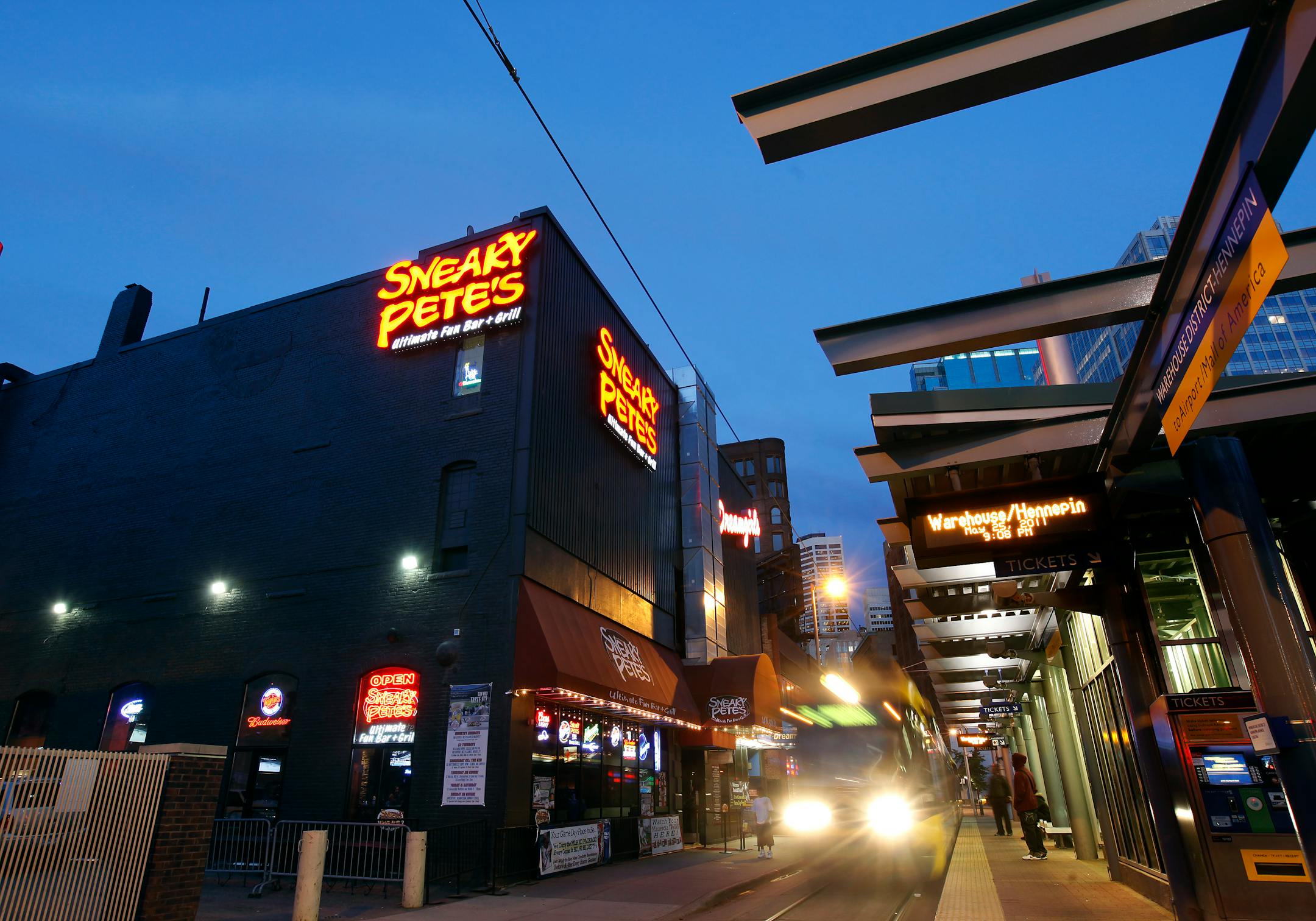
The exterior of Sneaky Pete's, photographed in 2011. (Carlos Gonzalez/The Minnesota Star Tribune)

Yet Hafiz was also the life of the party. You might find him there at Sneaky Pete’s, palling around with customers and buying some of them shots.

“It’s nothing for me to come in here every night and shake 200 hands,” Hafiz said in 2008.

“He lit up every room that he walked into,” said Fancy Ray McCloney, a local media personality whose cable access show in the 1990s was underwritten by Dreamgirls. “I always say he was bigger than life, but completely down to Earth.”

Hafiz was the captain of a family operation that dates back more than half a century. It began when his father, James, took over St. Paul’s Faust Theater in Frogtown and expanded its X-rated offerings.

By the 1980s, people were picketing the Faust and the family’s Woodbury home with signs like “Porno out of St. Paul.” The protests made James double down on the business, Peter said later.

“We let [the customers] make the decisions, not the minority of people telling the majority of us how to live,” Peter said.

Minneapolis ultimately proved to be more fertile ground for the family business.

The elder Hafiz died suddenly in 1990. That year, the family opened Minneapolis’ Deja Vu nightclub, part of a national chain founded by Harry Mohney — an adult industry mogul with a long relationship to the Hafiz operations.

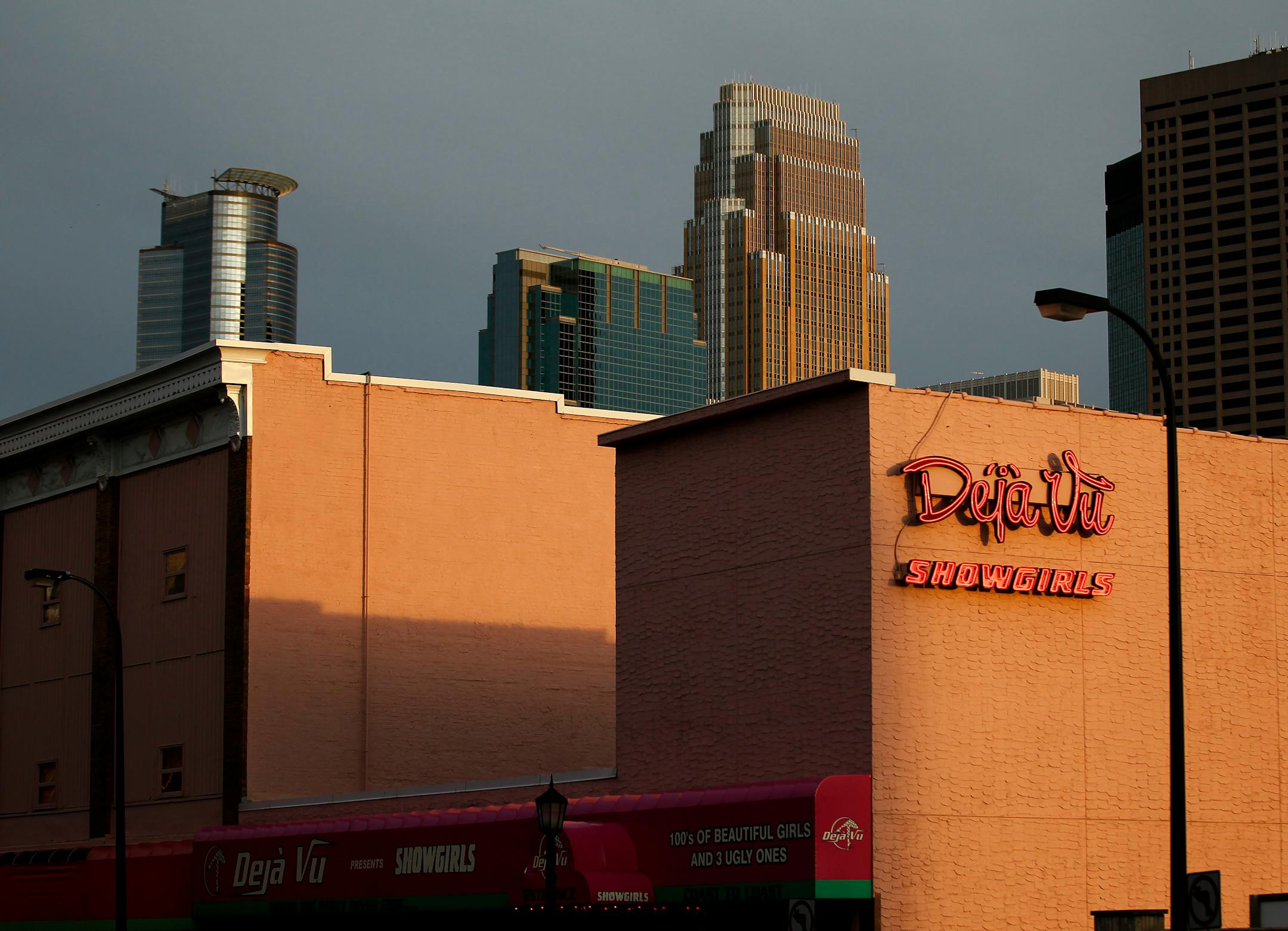
Deja Vu is located on 3rd and Washington avenues in the North Loop. (Carlos Gonzalez/The Minnesota Star Tribune)

Deja Vu was part of a burgeoning adult district that took shape in downtown after Minneapolis restricted adult businesses from the neighborhoods. But controversy erupted when people saw the awning reading “100s of beautiful girls and 3 ugly ones” — text that remains there today.

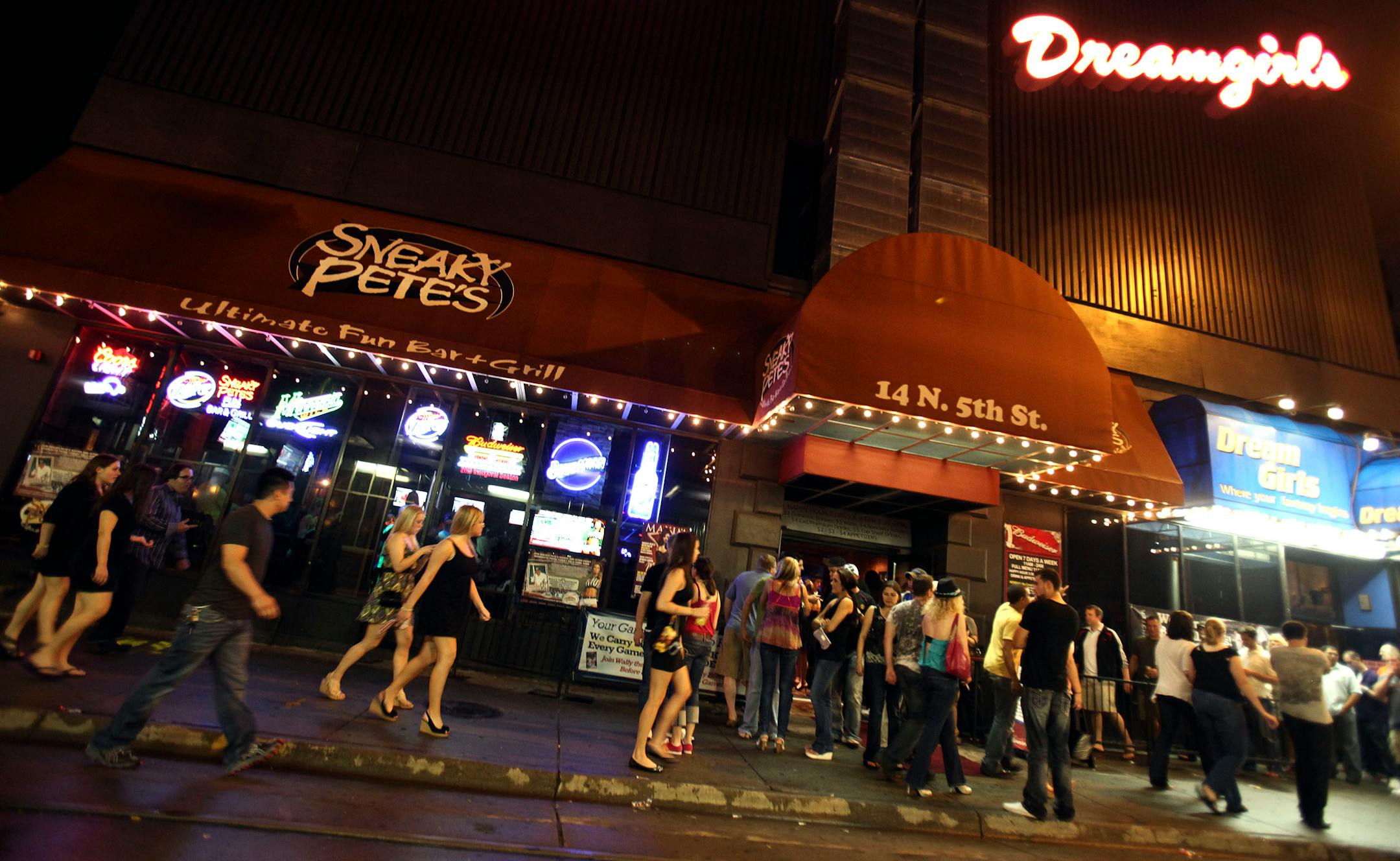
It was soon followed by Dreamgirls. The Hafiz portfolio continued to spread in the 2000s, with the opening of Sneaky Pete’s and acquisition of Gay 90s and Brass Rail — two longstanding downtown venues. The Office Pub and Grill, another Hafiz business, opened in 2014.

“[Peter] created a … business force in the downtown warehouse district community,” said Tim Mahoney, owner of the Loon Cafe on 1st Avenue. “To be that successful…you have to be able to understand your clients, your guests, and you need to really understand your workers.”

Having studied architecture, Hafiz enjoyed diving into the details with architects about how to remodel buildings. And when City Hall called about something, he didn’t hide behind his staff.

“He wanted to know if there was an issue and he wanted to personally address it,” said former City Council Member Lisa Goodman, who used to represent part of downtown.

Patrons outside Sneaky Pete's and Dreamgirls in 2011. (Kyndell Harkness/The Minnesota Star Tribune)

It wasn’t all rosy. Public debates over city approvals generated a lot of headlines. His plan for a “Topless Tap House” fell flat when the City Council determined it was too close to a church. During a dustup over a snazzier sign for the Gay 90s in 2012, Hafiz quipped, “When you get [the city] involved, they want you to change the name of your kids.”

Away from the public eye, Hafiz was always willing to lend a hand to someone who needed it, said his sister Leslie Hafiz, who runs the administrative side of the business.

“He treated everybody the same, and everybody with respect,” Leslie Hafiz said. “It didn’t matter if you were the lowest-paid person that worked for him, or the highest-paid person.”

There’s been much hand-wringing lately about the future of downtown Minneapolis with fewer commuters. But Hafiz’s empire still lights up, part of the connective tissue — along with sports and concert venues — that makes it a lively place to be.

It’s right there in bright letters beneath the “Sneaky Pete’s” sign that blares over 5th Street: “Ultimate fun.”

about the writer

about the writer

Eric Roper

Columnist

Eric Roper is a columnist for the Star Tribune focused on urban affairs in the Twin Cities. He previously oversaw Curious Minnesota, the Minnesota Star Tribune's reader-driven reporting project.

See Moreicon