Ramstad: University of Minnesota’s dream hospital evaporates; now it’s time to negotiate

University leaders wanted to unwind a partnership that dates back to the 1990s, but it didn’t find political backing for the costs involved.

Columnist Icon
The Minnesota Star Tribune
November 15, 2025 at 2:23PM
The University of Minnesota in January 2023 unveiled this rendering of a new hospital on its Minneapolis campus, along with a goal to regain control of hospitals owned and run in a venture with Fairview Health. (Brian Peterson/The Minnesota Star Tribune)

On an icy morning in January 2023, the University of Minnesota unveiled a plan for a beautiful new hospital on its Minneapolis campus, and leaders laid bare their desire to take back control of a health care system it had shared with Fairview Health Services for three decades.

“We must own, govern and control the flagship health care facilities on our Twin Cities campus,” Joan Gabel, then president of the U, said in the news conference atop one of its existing medical towers.

That’s why this week’s deal between Fairview and the U’s official doctors’ group, University of Minnesota Physicians (UMP), to keep Fairview as the main partner of the university medical system for another 10 years came as an insult to university leaders. A double insult, really.

It relegated them to the sidelines and also shredded their desire for full control of the hospitals operating in the university’s name. That includes the University of Minnesota Medical Center on U’s East Bank campus in Minneapolis, as well as the M Health Fairview logo that uses the University’s prized, stylized M on hospitals and clinic around the state.

The public-private partnership they hoped to end instead appears set to persist under a 10-year financial arrangement more favorable to the doctors’ group than the university.

While the entire saga has been shaped by other forces, including a leadership transition in the university presidency, it revolved around the fact that the university didn’t get political backing for funds needed to control the medical system. The dream of the U’s beautiful new hospital, under its exclusive governance, remains just that.

This year, the struggle for control landed chiefly with Attorney General Keith Ellison, whose office oversees nonprofits in Minnesota and reviews health care deals. Fairview and the university in September presented Ellison’s office with competing visions for an ongoing relationship.

Each wanted to be in charge of the venture going forward — and each has rejected the other’s proposal.

With the current 10-year deal between Fairview and the university expiring at the end of 2026, Ellison feared they would spend next year in a complicated unwinding process that would distract from patient care. He urged Fairview and the doctors’ group to negotiate.

“When I began to have conversations about what an unwind would mean to patient care, to doctors and their confidence in where they’re going to work, in recruitment and stability of medical students, I thought this is something we’ve got to get done,” Ellison told me in an interview Friday.

Ellison acted as a forcing mechanism at a moment of brinksmanship, and university leaders aren’t happy. They’ve called the Fairview-UMP deal a “hostile takeover” and said Fairview and UMP negotiated “unlawfully.”

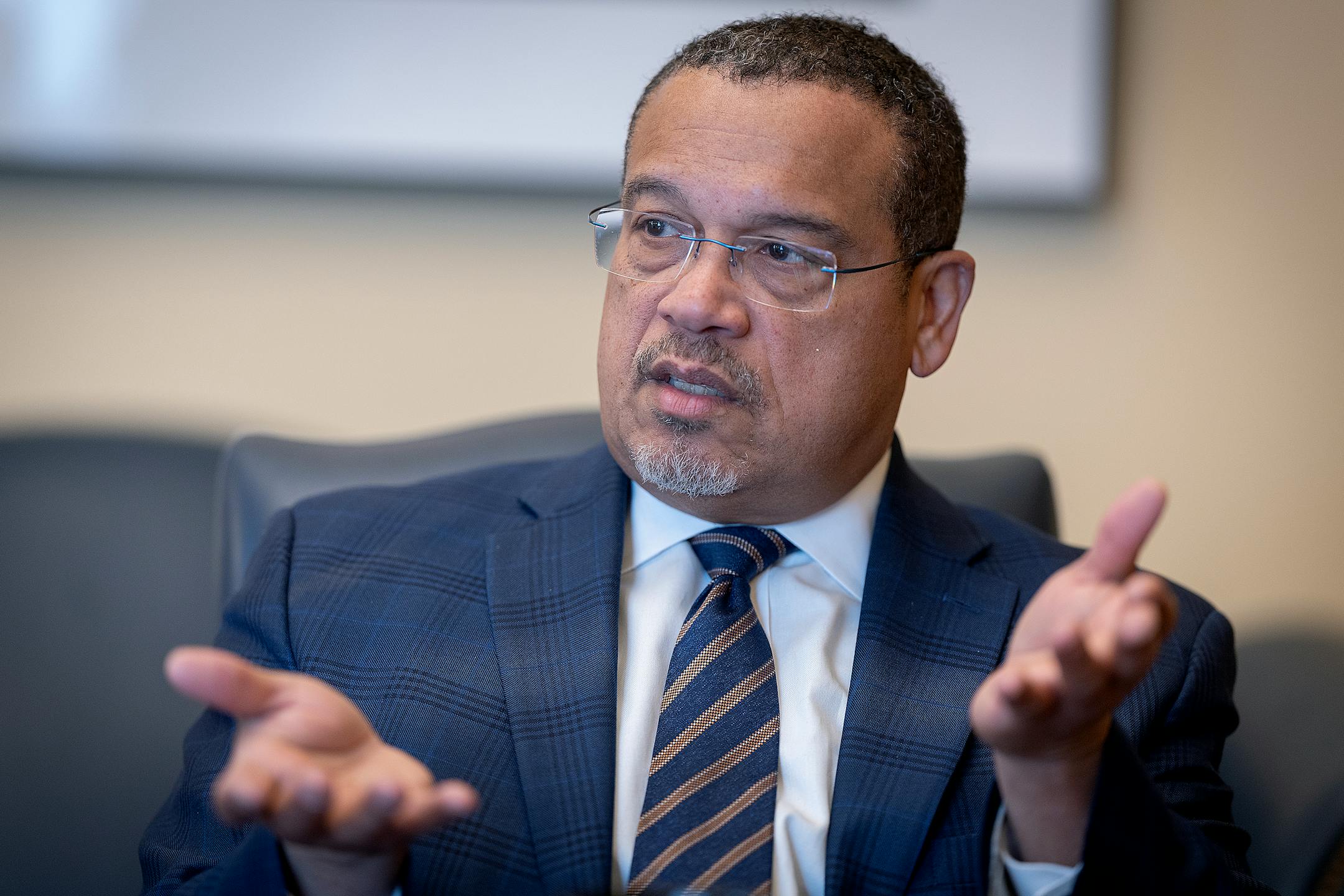
Minnesota Attorney General Keith Ellison has oversight of nonprofits operating in the state and over health care transactions. (Elizabeth Flores/The Minnesota Star Tribune)

With the first part of the deal done, Ellison said he now wants the university, Fairview and UMP to iron out their differences at the negotiating table. “We’ve got to really start grinding on the terms and start coming together with the spirit of what’s best for Minnesota,” he said.

The medical system relationship between the university and Fairview highlights a fundamental weakness about public-private partnerships.

Such arrangements combine the stability of a government entity with the innovation and enterprising spirit of a private business. They are touted as spreading risk and saving costs.

Less talked-about is that partners over time tend to be suspicious of each other’s financial motivations. As the provider of an annual revenue stream to the U’s medical system, Fairview worried about the system’s spending. University officials sometimes saw Fairview, which sustained financial losses in the COVID-19 pandemic, as a penny-pincher.

“There is an inherent need for the public institution to invest on things that are not cheap or efficient,” Ellison said. “At the same time, there’s going to have to be some understanding that staying in the black as a hospital these days is no easy feat.”

The university’s early 2023 announcement that it wanted to go alone came when Fairview was pondering a buyout offer from South Dakota-based Sanford Health. The university’s resistance to that deal led those two systems to walk away from each other in July that year.

After that conflict, Gov. Tim Walz appointed a task force — led by former health commissioner Jan Malcolm with participation from former governors Mark Dayton and Tim Pawlenty — to recommend a strategy for the U’s health system.

Early last year, the task force recommended the university “quickly resolve negotiations” to continue the partnership with Fairview.

Then in July 2024, Dr. Rebecca Cunningham arrived as the university’s new president. A medical doctor, she previously led research and innovation at the University of Michigan, which does control its medical system and gets about 10% of its annual budget from the state.

Cunningham tried to open the University of Minnesota’s medical system to partners beyond Fairview. Early this year, she announced a plan with Duluth-based Essentia Health in the lead partner role. That proposal would have involved a $1 billion investment to the U’s medical system over five years, twice as much as it has been getting from the Fairview relationship.

By September, the Essentia plan had fallen apart, and all of the parties had their backs against the wall. With the university’s medical school and health system playing such a prominent role in Minnesota’s overall health care, the competing interests of the university and Fairview now must take a back seat, Ellison said.

“I have a certain urgency to make sure that care is available,” Ellison said.

about the writer

about the writer

Evan Ramstad

Columnist

Evan Ramstad is a Star Tribune business columnist.

See Moreicon

More from Health Care

See More
MMR virus vaccine (measles, mumps, rubella) at Logan Square Health Center in Chicago, Ill. on Thursday, May 9, 2019.
Tns - Tns/The Minnesota Star Tribune

The decision means Minnesota parents must obtain more vaccinations than federally recommended for their children to attend K-12 school, or file official exemptions.

card image
card image