

Listen and subscribe to our podcast: Apple Podcasts | Spotify
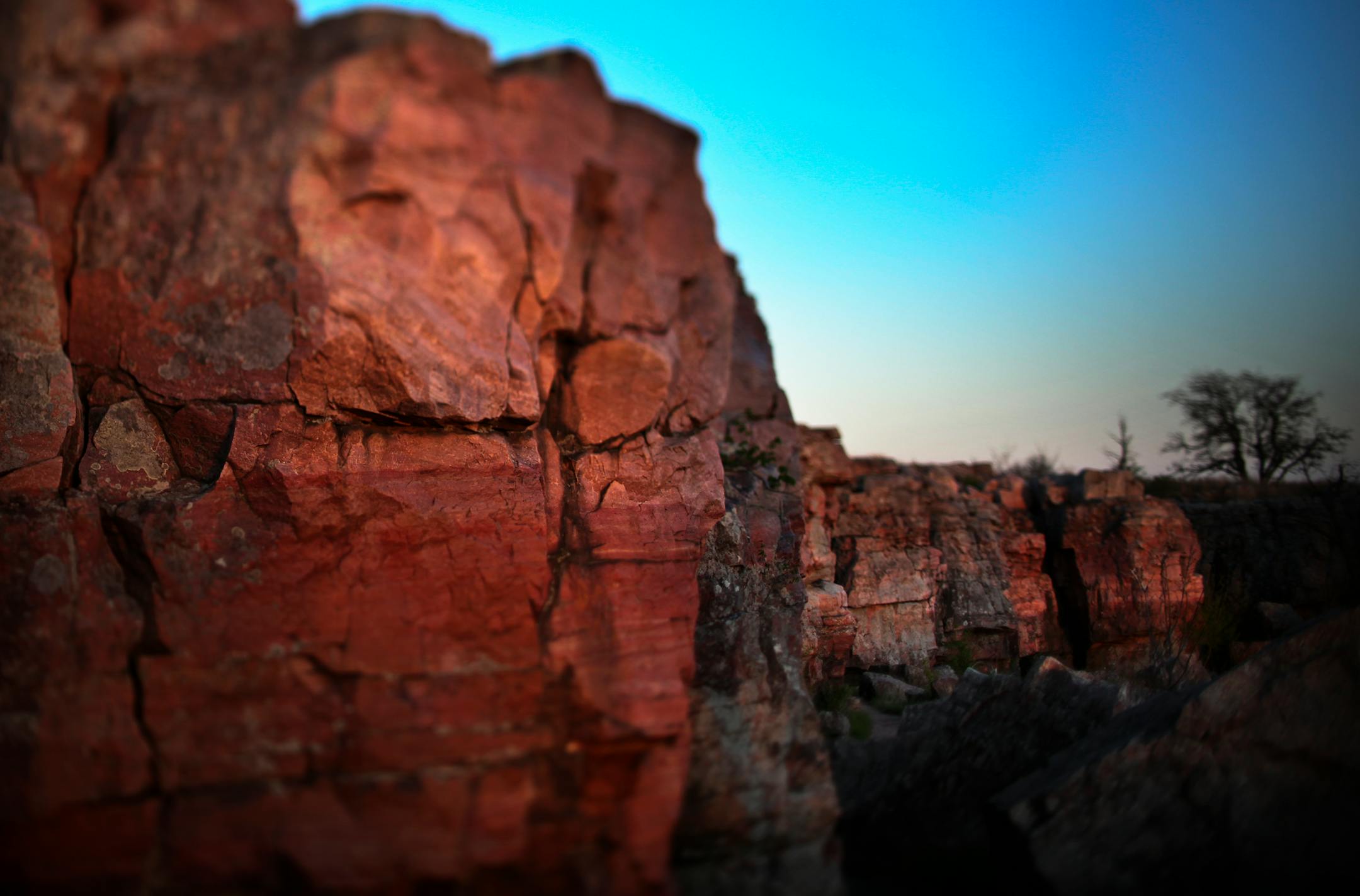
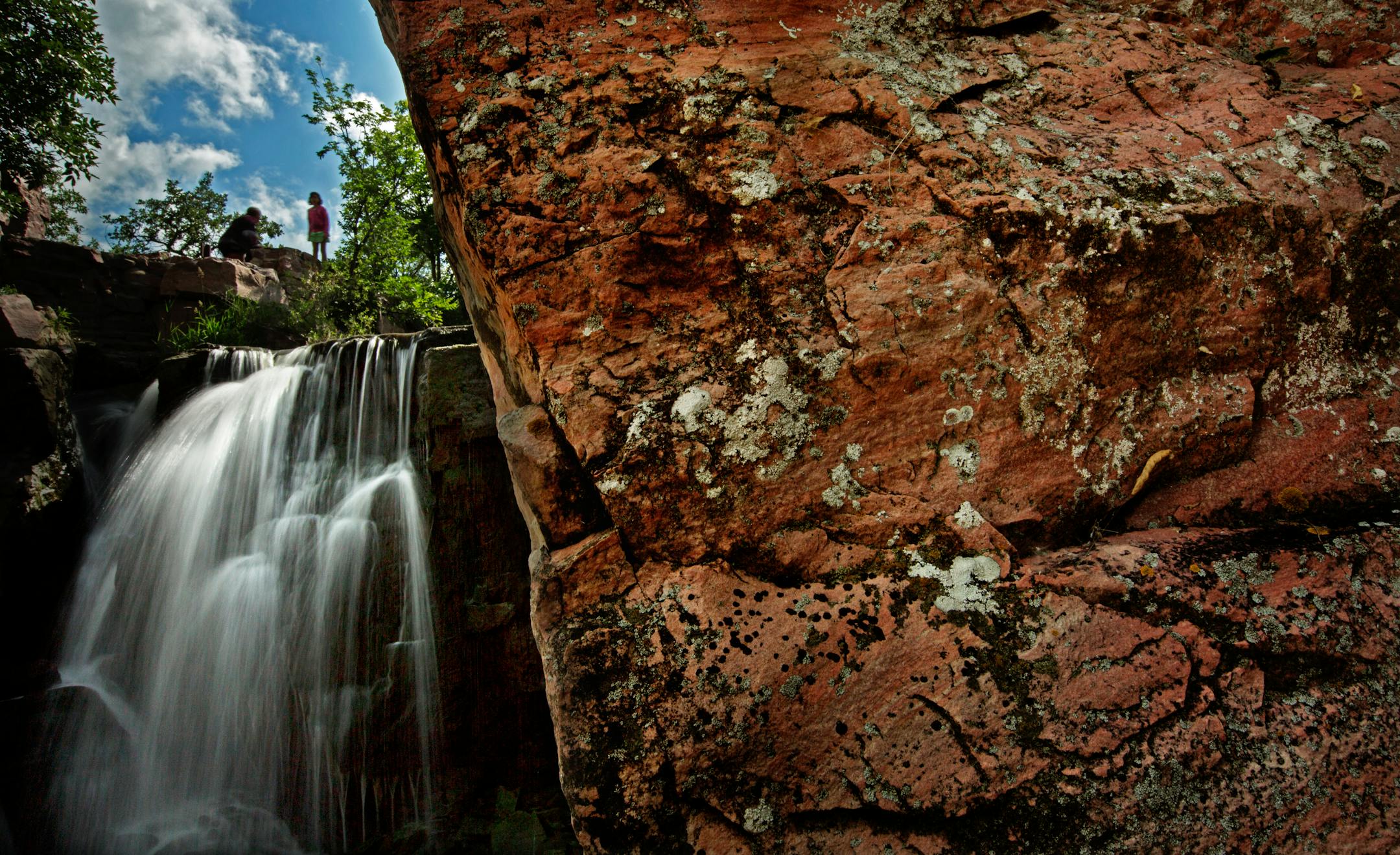
PIPESTONE, Minn. - For thousands of years, Native Americans have quarried a sacred, soft red rock from a patch of Minnesota prairie.
Aidan Thornton, a reader from Minneapolis, has visited the site, now Pipestone National Monument, several times. He wrote to Curious Minnesota, the Strib’s reader-powered reporting project, to ask about the site’s geological and historical origins: What’s the story behind this special place?
It’s the same question carver Travis Erickson asked himself three decades ago while standing at the bottom of a quarry pit.
Erickson was quarrying for pipestone. He had dug through seven or eight feet of Sioux quartzite, a rock harder than steel. Suddenly, there was a breakthrough. He could see, in a vein in the earth, the reddish-pink pipestone used by his ancestors for centuries.
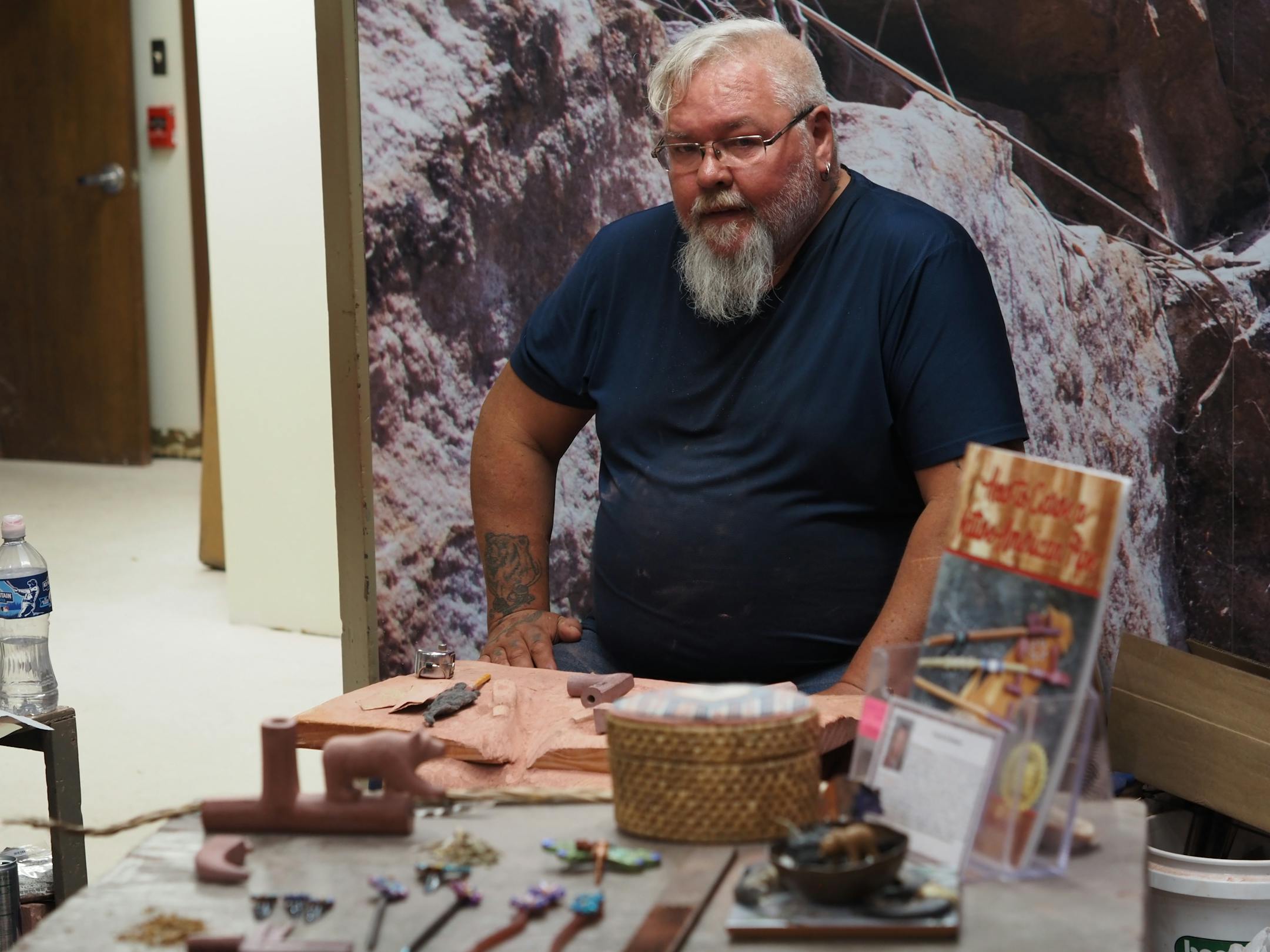
“I was sitting there looking at it,” Erickson recalled, “and I said, ‘God, how did this come to be?’”
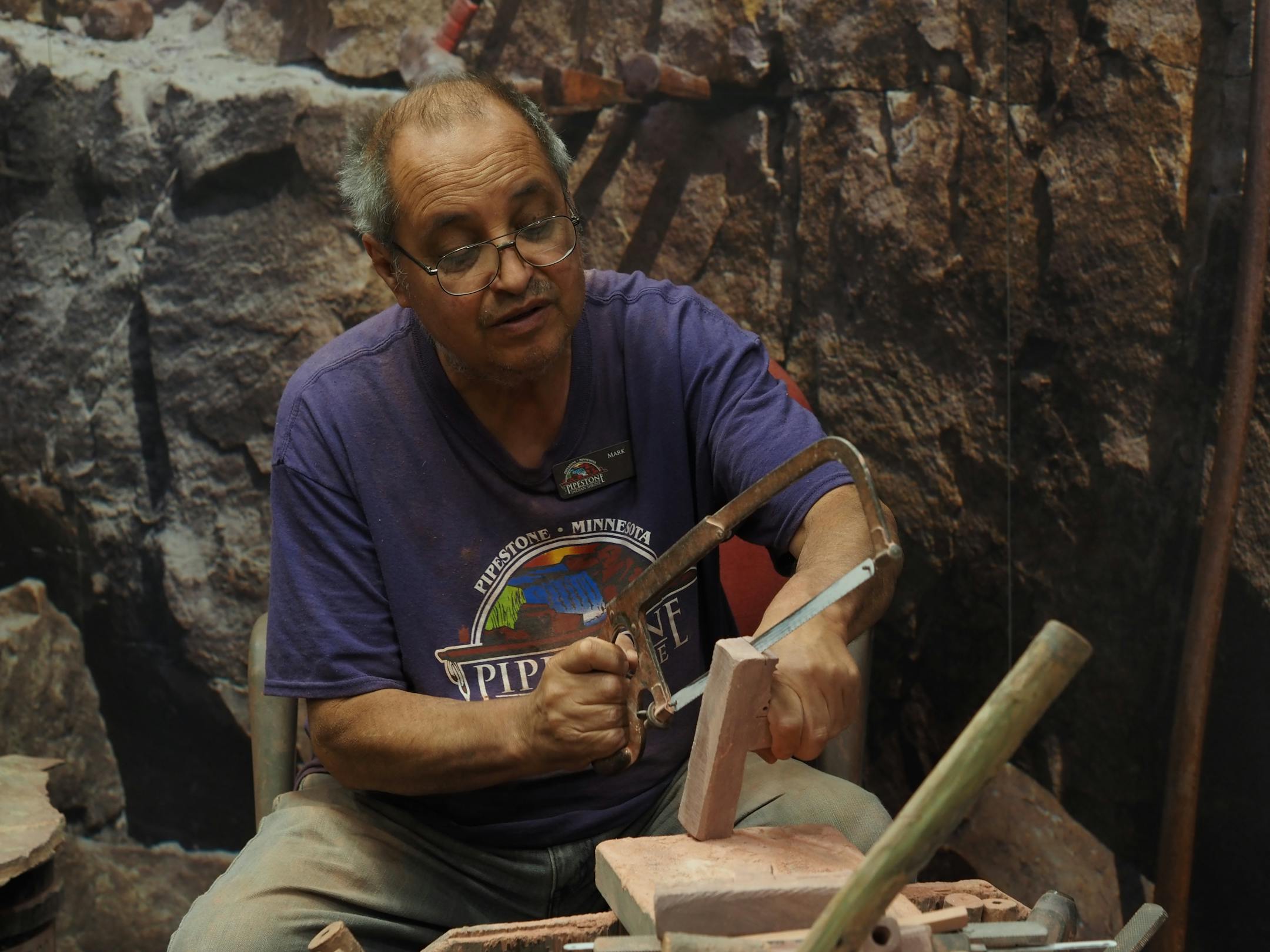
Today Erickson, a member of the Sisseton-Wahpeton Dakota nation, is a demonstrator at Pipestone National Monument. He shares stories about pipestone with many of the 80,000 or so visitors to the site each year. The rock is “metamorphosed clay” from an ancient riverbed, he said.
Clay from an ancient river bed
The geological story of Minnesota’s pipestone quarries began 1.6 billion years ago when the area was a riverbed. The clay of the riverbed became buried under sand.


![Billy Bryan, who turns 70 next month, is one of the last traditional carvers of Native American pipestone. He has spent his entire life amid the sacred quarries in the southwest corner of the state near Pipestone, where the national monument is celebrating its 75th anniversary. Bryan was photographed near where he quarries at the national monument on April 26, 2012, in Pipestone, MN.] (DAVID JOLES/STARTRIBUNE) Billy Bryan, who turns 70 next month, is one of the last traditional carvers of Native](https://arc.stimg.co/startribunemedia/XBFJNABHBDKCHNVA65FXZQDAV4.jpg?&w=1080)


