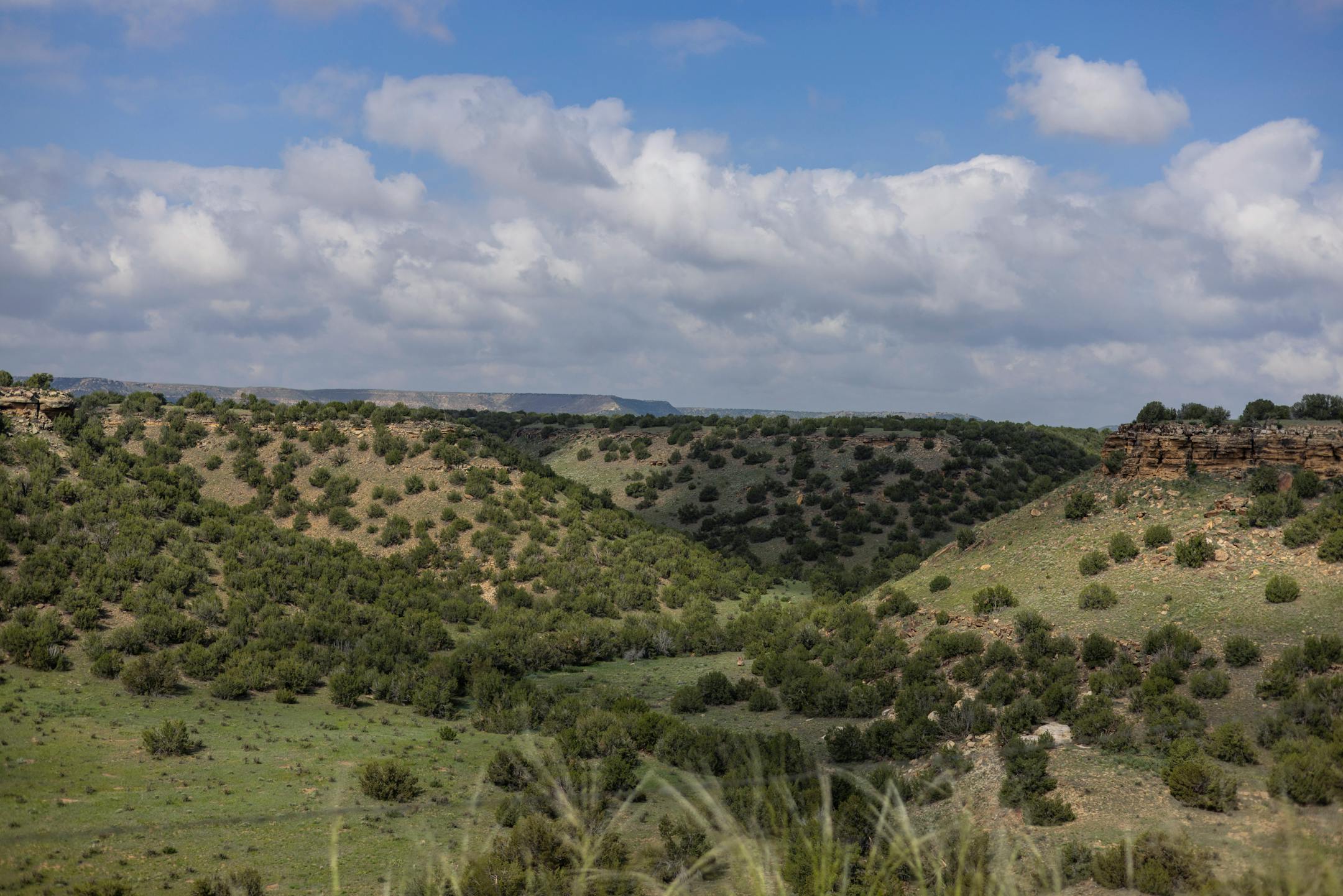
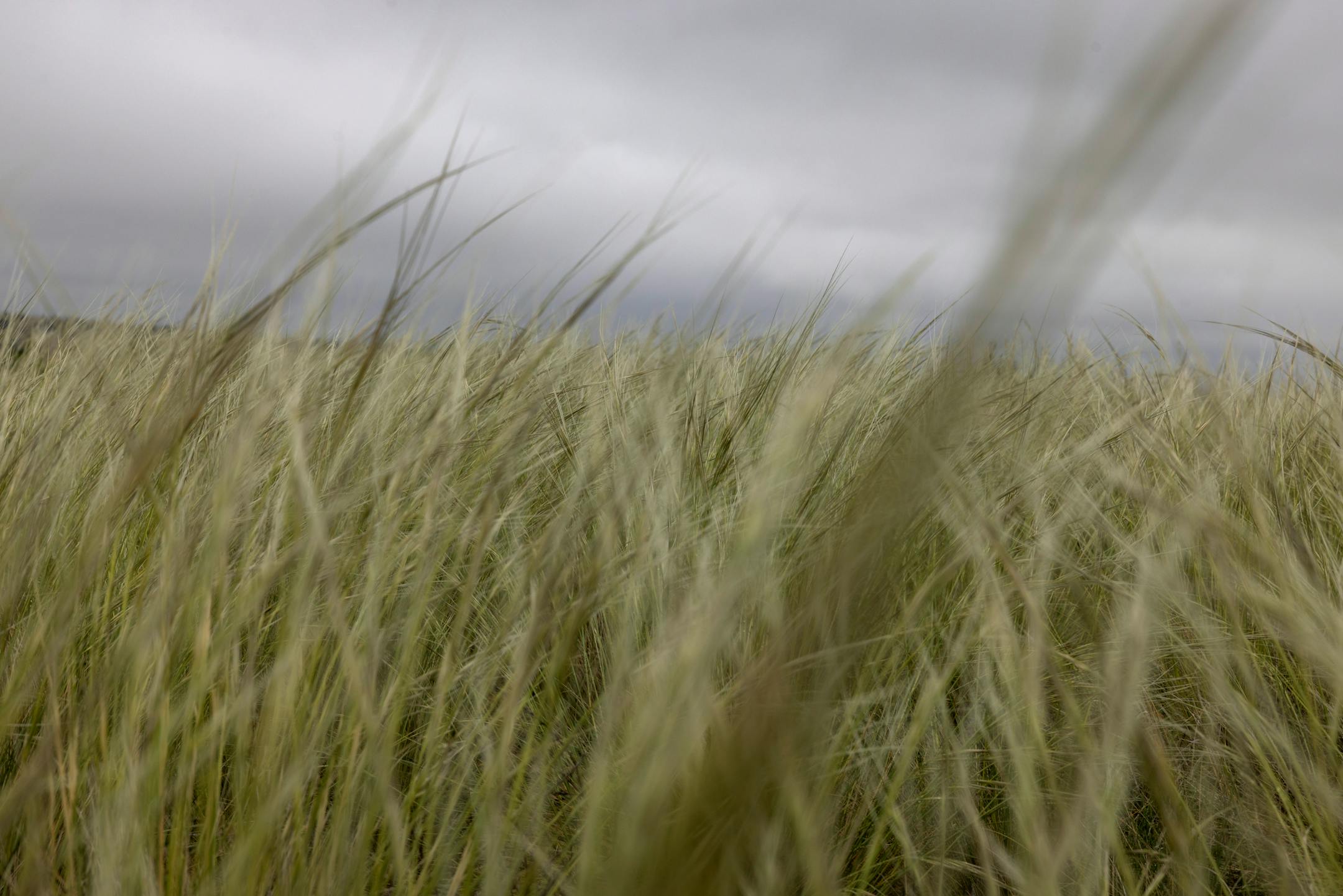
For a moment, caught between sky and prairie, I felt like the only being on Earth. Fields of undulating green wheat and grass extended from horizon to horizon. The wind whispered. Clouds gathered and darkened, shifting from light gray to deep cobalt. This was not the Colorado of snow-capped peaks and glitzy ski towns.
There, on the shoulder of County Road M, a stitch of dirt in the Comanche National Grassland, closer to Oklahoma than to Denver, the vastness filled me with a spine-tingling sense of awe. I had come all this way seeking solitude. I just hadn’t planned for so much of it.
Suddenly, I caught movement in my peripheral vision. A pronghorn bounded across the prairie, leaped over a fence, then bounced across the road a mere 10 feet away — its white rump flashing as it rocketed across the grassland. Pronghorns, more closely related to giraffes than to antelope, are the fastest land mammals in North America, and by the time I grabbed my camera, the animal had faded back into the landscape. Alone again.
Legacy of the Dust Bowl
The Comanche National Grassland sprawls across 440,000 acres of southeastern Colorado. The grassland’s roots go back to the 1930s when, during the Dust Bowl, this corner of Colorado — like much of the Great Plains — was blowing away. In 1935, an estimated 850 million tons of topsoil was lost.
With overfarming and drought turning the once-fertile plains into desert, the federal government bought back large tracts, aiming to restore an ecosystem whose native grasses and succulents had evolved over eons to cope with long dry spells and the incessant, driving winds. In 1960, the federal government handed the land over to the U.S. Forest Service, and Comanche was born.
Not every landowner chose to sell to the government, so Comanche today looks like a checkerboard of public and private land, with two separate public areas, the Timpas Unit, near the town of La Junta, and the larger Carrizo Unit, near Springfield, not far from the borders of New Mexico, Oklahoma and Kansas. I spent five days in May crisscrossing southeastern Colorado, determined to see as much of both units as I possibly could.
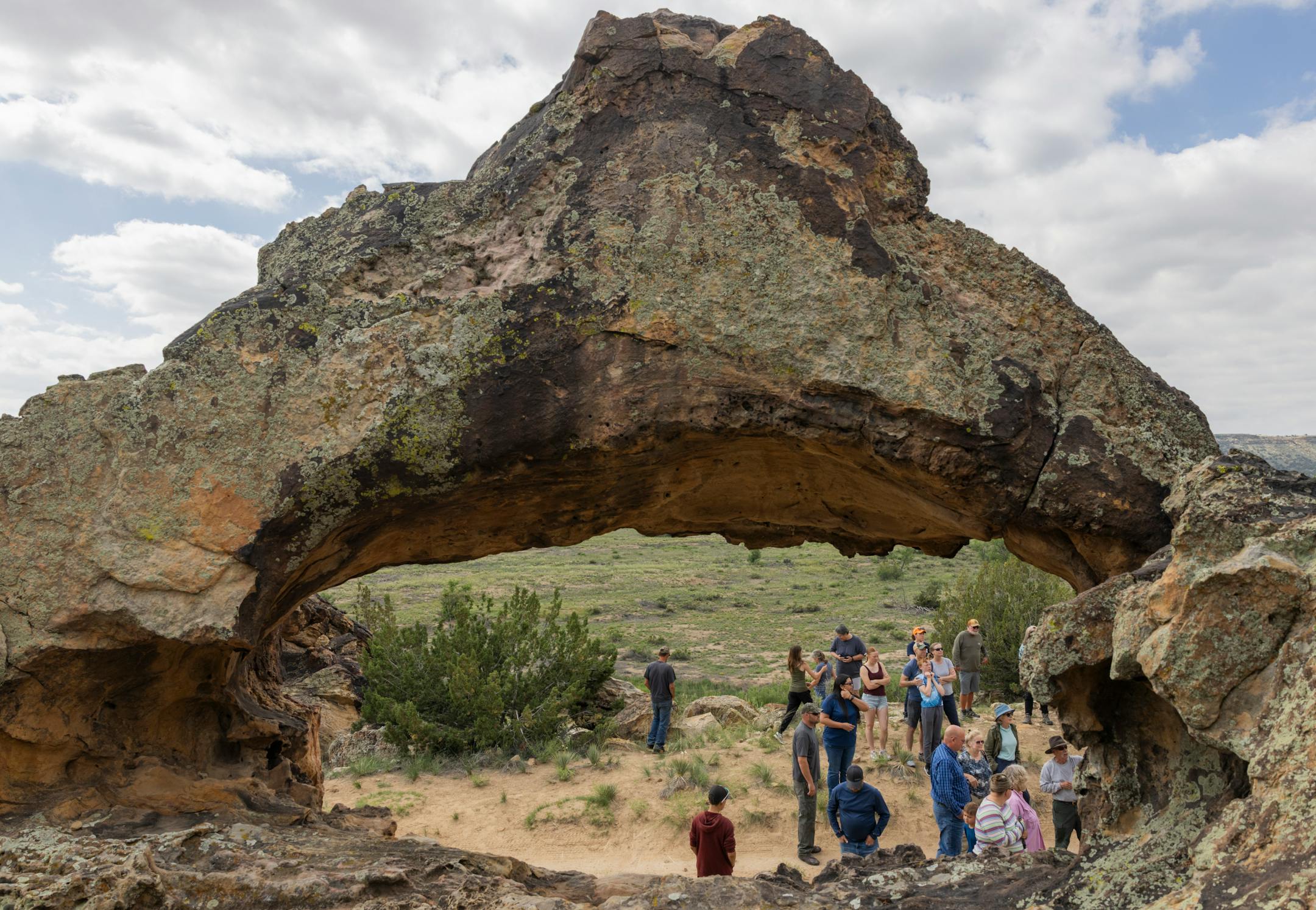
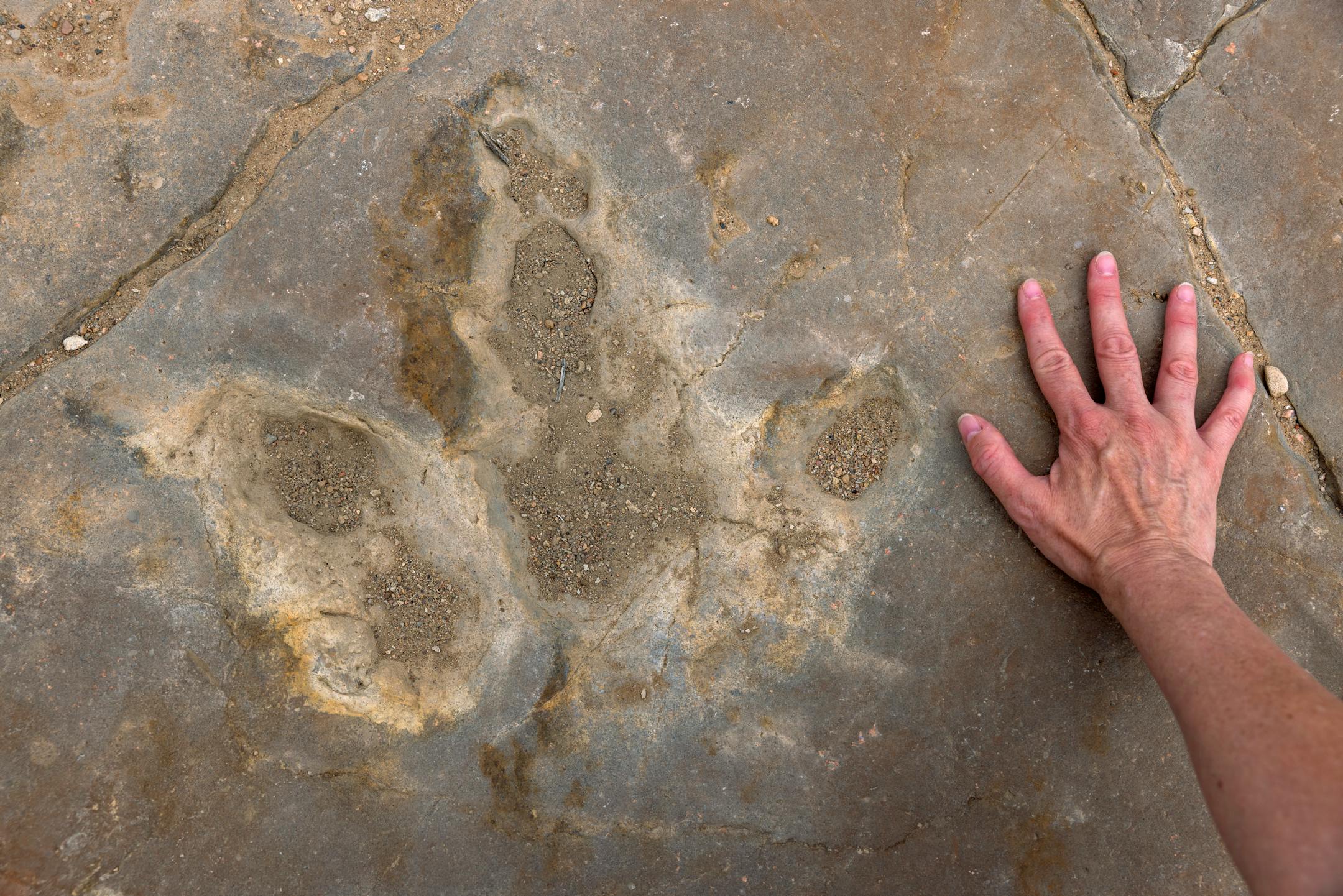
Comanche, named for a Native American people who once lived in the area, offers visitors far more than solitude and lessons in Depression-era history. The grassland also features one of the largest known dinosaur track sites in North America; Indigenous pictographs and petroglyphs made anywhere between 4,500 and 400 years ago; the remnants of Spanish missions dating to the late 1800s; wagon ruts from the Santa Fe Trail; and more than 300 species of birds, including peregrine falcons and tropical-looking painted buntings. Tarantulas, slightly creepier denizens of the native prairies, migrate every fall, drawing arachnophiles to La Junta’s annual Tarantula Fest.
Painted rocks and puzzling paths
After about 20 minutes of watching and waiting for more pronghorns, I gave up and resumed my drive to Carrizo Canyon, where I planned to hike and see Native rock art. But when I reached the canyon, I began to reassess my grand hiking plans after I discovered I was the only visitor, which was more than a little disconcerting considering that I had no cellphone service.