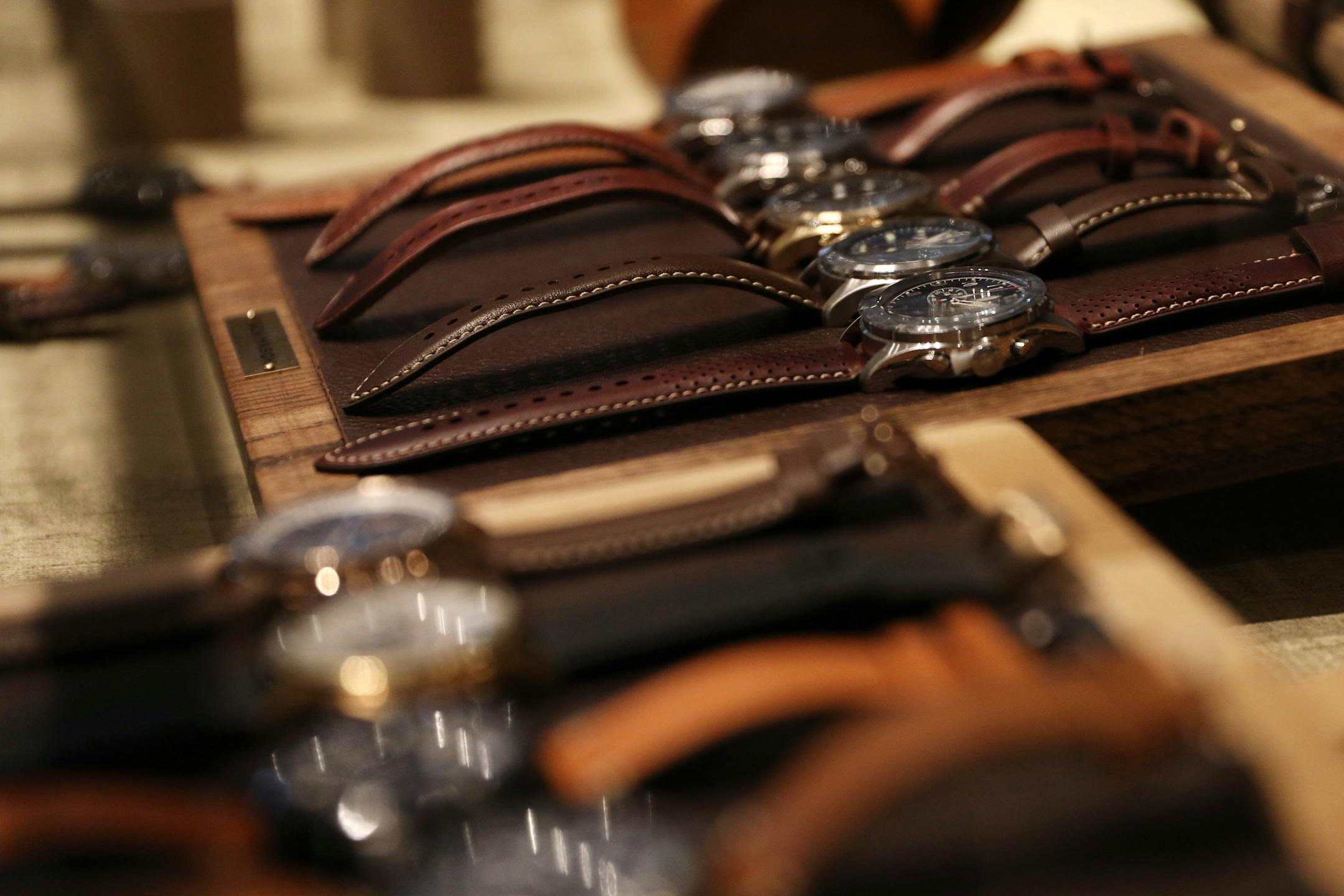
Evidence of the much-discussed, much-feared “K-shaped economy” is popping up in the North Loop this holiday season where top tier designer goods are selling well at boutique department store MartinPatrick 3, co-owner Dana Swindler reports. That mirrors the national trend: Luxury clothing and accessories sales were up 21% on Black Friday, according to Salesforce data, the Wall Street Journal reported. Meanwhile, holiday spending is expected to be down overall with 70% of consumers looking for deals to stretch their dollars, according to Deloitte’s 2025 Holiday Retail Survey.
In a “K” economy, the rich get richer while lower income households struggle. (Here’s a good explainer from the Asociated Press.)
But even at an upscale shop, this is not entirely cause for cheer. “We try to have something for everyone,” Swindler said. “Good, better, best, luxury.”
As we look ahead to 2026, how do businesses and brands reconcile the strength of luxury spending with a simultaneous swing toward deals and discounts — even among those who could afford more?
“Brands should be focusing on building emotional connections, not promotions,” said Beth Perro-Jarvis, one half of the duo behind Minneapolis-based brand strategy firm Ginger. Even Walmart is going beyond its traditional low price message to focus on merchandising, added her business partner Mary Van Note.
A few trends the two are tracking:
- Migration toward “dupes.” These are not the knock-offs you might buy on the street in New York, rather, lower-priced versions of luxury goods. Strong examples of the moment include the suddenly ubiquitous lifestyle brand Quince (if you’re not familiar, queue this podcast for your commute) and Costco’s Kirkland. Choosing these lower-priced options is becoming a point of pride, even among shoppers who can afford better, Perro-Jarvis said. “It makes you feel smart.” Same goes for thrifting designer goods, another growing trend.
- Tiered luxury. There’s a reason why stores in Southdale’s new luxury wing lean heavy on accessories. More people can afford Burberry sunglasses than a Burberry coat. “You’ve got to balance the super luxury tier with entry-level luxury,” Van Note said.
- More luxurious luxuries. But when consumers do splurge on designer items, “it needs to be so special,” Perro-Jarvis said. “No knock-off is as good as real Gucci.” Increasingly, high-end consumers are choosing certain items to really splurge on while going economy on everything else (high-low chic).
- Experiences over objects. Deloitte’s holiday survey found that higher income consumers value experiences over retail goods. “An incredibly special hotel stay, or a trip to a Michelin star restaurant,” Perro-Jarvis suggests. “Plus, it gets you out of worrying about being too showy in Minnesota.”
Survey says
Nearly four in 10 professionals plan to look for a new job in the first half of 2026, according to a new survey from talent search firm Robert Half. That’s up from 29% a year ago. Top motivators driving job-search plans include a desire for better benefits (36%), limited career advancement opportunities (34%), more competitive pay (33%) and burnout (24%). The survey, conducted in November, contains responses from more than 2,000 employed workers and 450 unemployed job seekers across the U.S.
The findings are a bit at odds with the delayed September jobs report, which reflected a cooling market with unemployment up to 4.4%, a nearly four year high. And my colleague Emmy Martin recently wrote about the difficulties of finding a job without a college degree. But job seekers surveyed by Robert Half seem to be bracing for the challenge: 68% said they expect their job search to take longer than previous searches.