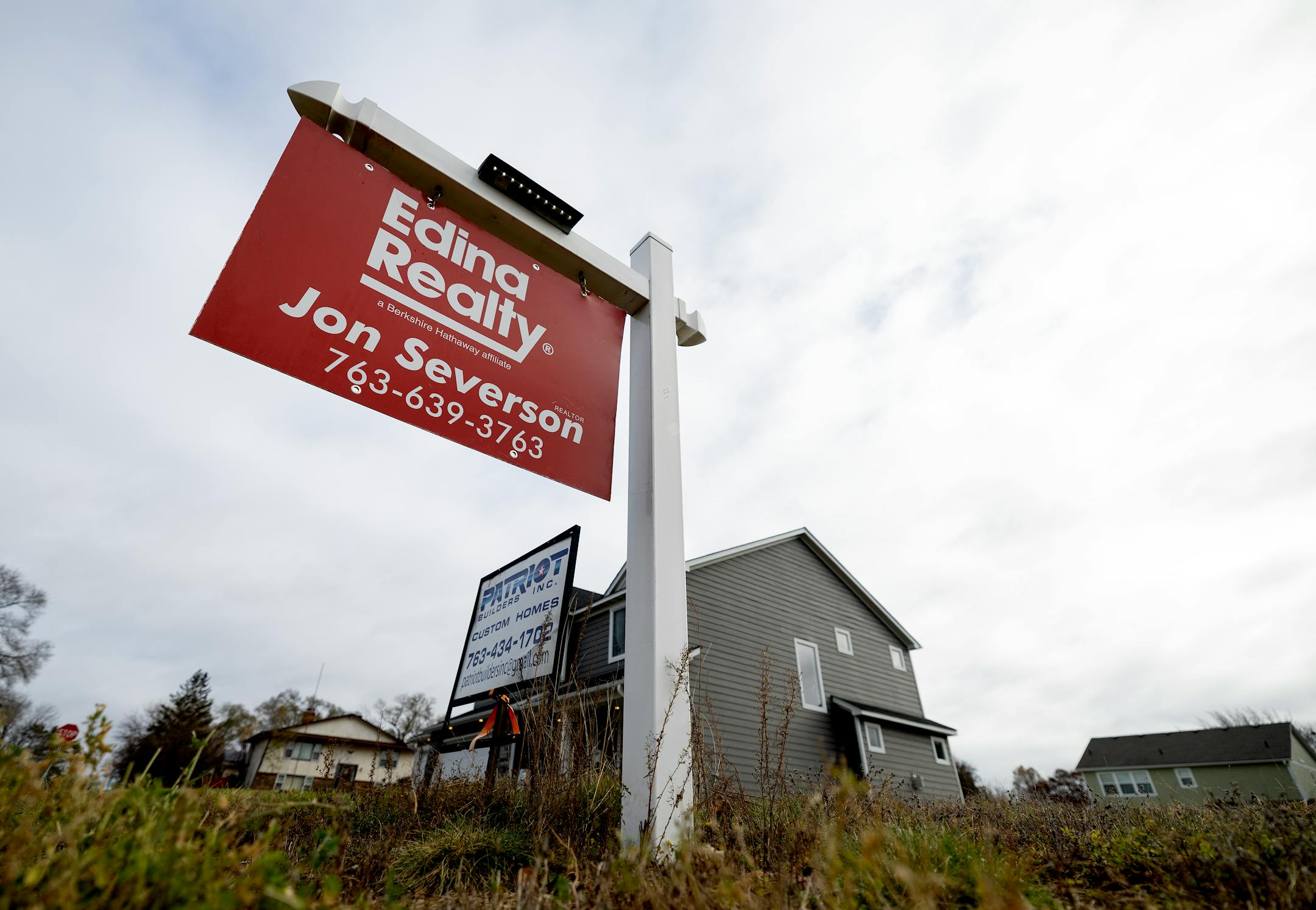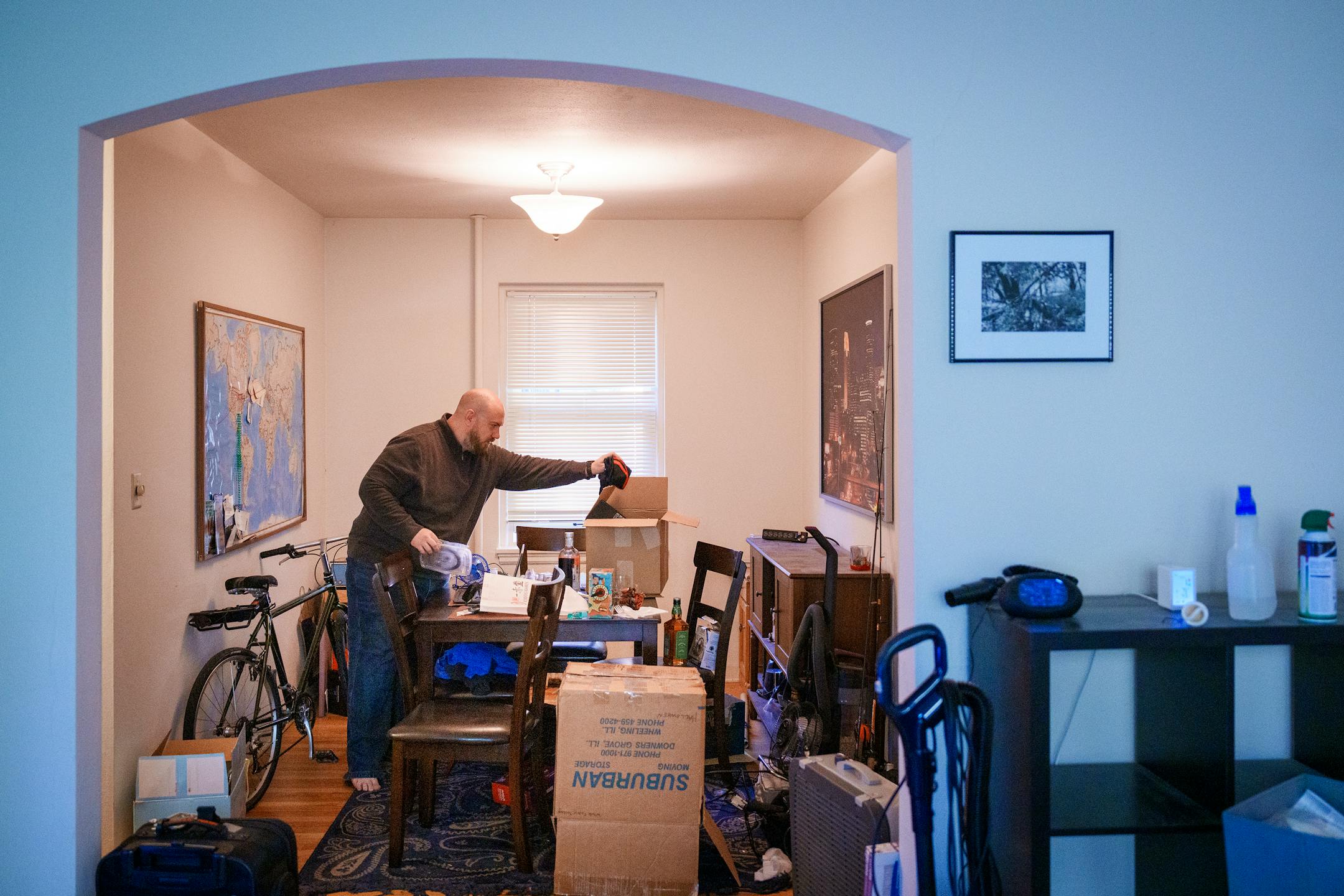
After years of socking away $600 a month for a down payment, Andy Testin found a $190,000 house that fit his needs. But he backed out to instead keep saving after a worrisome inspection.
That was in 2017. When he started shopping again this summer, he discovered the $70,000 he managed to save was barely enough to offset soaring house prices. After being outbid twice, he caught a break this fall and was able to buy a tidy two-bedroom house in Lauderdale for slightly less than its $275,000 list price.
“Finding anything under $300,000 was incredibly difficult,” Testin said. “Competing against dual-income households and investors made it nearly impossible.”
Buying a house historically has been a means of entering and remaining in the middle class. But new data shows that in broad swaths of Minnesota, including all of the Twin Cities metro and some rural counties, a potential buyer would need to make more than $100,000 to afford a median-priced home.
The median household income in the state is more than $10,000 less than that, meaning many Minnesotans are priced out of not only the housing market but also a key part of the American dream.
The share of Americans in the middle class and the income they hold have shrunk in the past half century, according to a Pew Research report last year. Pew defined a middle-income household as one earning between two-thirds and double the national median household income: A number that recent U.S. Census data showed has been flat at around $83,000 in recent years, including pre-pandemic.
In Minnesota, the median household income has fallen relative to inflation, landing at about $87,000 last year. White and Asian earners tend to make more, while Hispanic, Black and American Indian earners tend to make less.
Meanwhile, home prices in Minnesota have risen every month this year. The median price broke $400,000 for the first time this summer. That has outpaced incomes and caused affordability to fall to its lowest level in decades.