
Luxury homebuyers cushioning Twin Cities housing market

Prices are still rising, but houses are taking longer to sell, and buyers are asking for more breaks.

The Minnesota Star Tribune
October 16, 2025 at 8:38PM
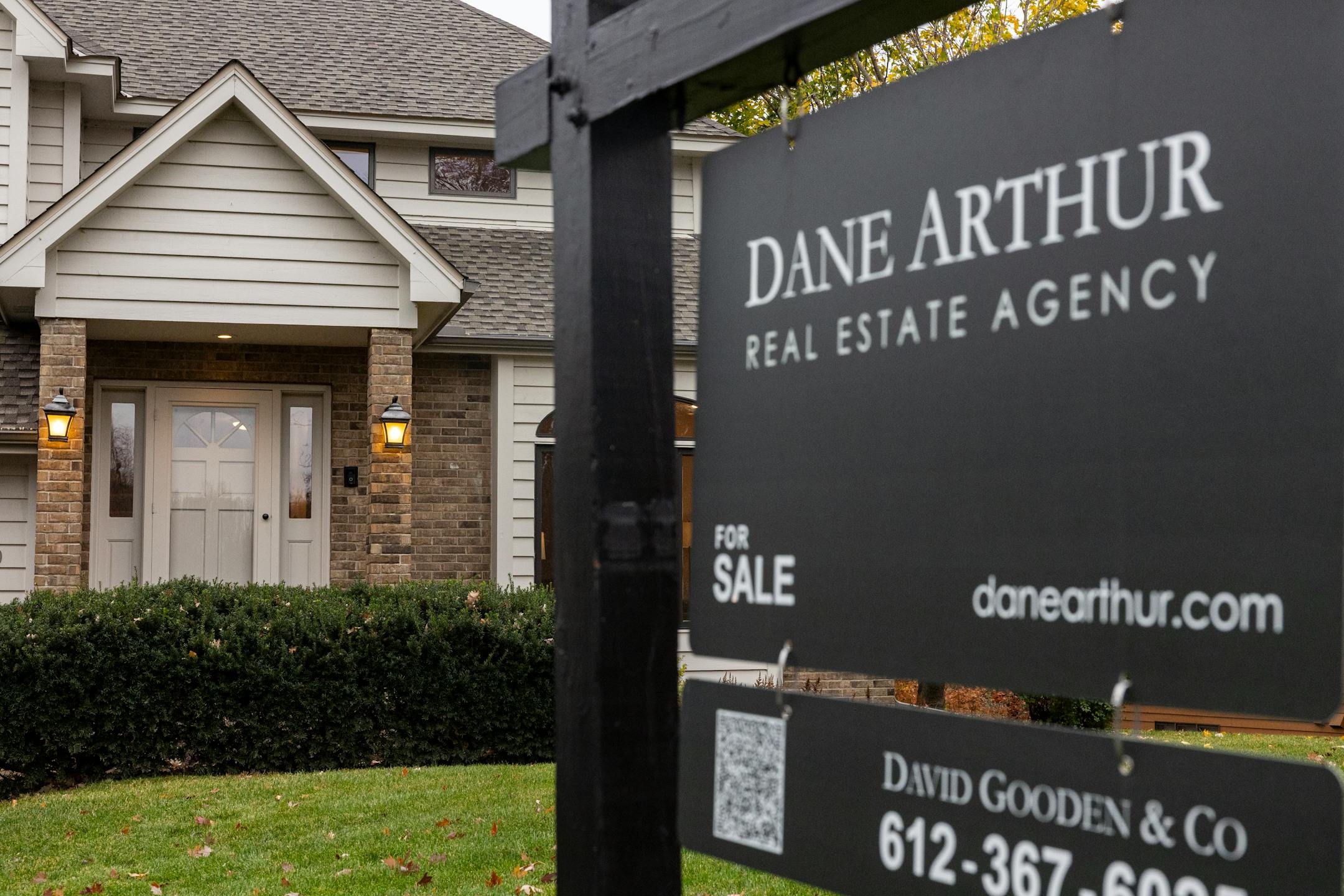
A for sale sign outside a home in Eden Prairie. The luxury home sales are helping buoy the Twin Cities market. (Ayrton Breckenridge/The Minnesota Star Tribune)

Upper-bracket homebuyers helped buoy sales across the Twin Cities metro last month as deals for less-expensive houses sagged.

New data showed during September, buyers signed 8% more purchase agreements than they did last year across the 16-county metro, according to Minnesota Realtors.

Sellers stepped up, as well. There was a 5% increase in new listings, while closings, a reflection of deals signed two to three months ago, were up more than 7%. That gain helped boost the median price of all sales slightly to $390,000.

These gains come at a time when home sales and prices in many metros across the country are declining, as buyers and sellers grapple with growing economic uncertainty and the realization that mortgage rates aren’t likely to significantly decline anytime soon.

“Rates still do impact every buyer,” said Sally English, a Twin Cities sales agent who has tackled some of the most expensive listings in the metro. “Whether you’re paying cash or full-on getting a mortgage, I do think people are taking time to think it through.”

Here are some takeaways of what’s happening in the Twin Cities housing market.

Outpacing the nation

This summer, home values in the metro rose 2.62%, the ninth-biggest gain in the nation. Meanwhile, values in many of the biggest metros declined, according to the S&P Cotality Case-Shiller Index, which tracks repeat sales of the same house rather than all sales.

In the Twin Cities, which has never been a volatile market and always closely tracks national averages, there are still more buyers than sellers in many areas. That’s triggered some multiple offers and higher-than-asking sale prices. Those situations have been less common this fall than in the spring, agents said, and there are signs buyers are becoming more cautious.

The most notable sign of that shift is rising market times. Houses across all price ranges took longer to sell last month than they did last year, though days on market remained lower than what’s considered normal. On average, it took 44 days to sell a house, five days longer than at the same time last year.

Higher rates dog first-timers

Upper-bracket houses, those priced at more than $1 million, took twice as long to sell. And while sales of those increased 20% from the same time last year, and sellers had to cut prices to sign those deals. On average, those sellers took nearly 5% less than they were asking, the biggest discount of any price range.

First-time and entry-level buyers are struggling the most. Starter home sales have been declining all year, as the number of listings dwindle and rising prices erode affordability even though mortgage rates have eased slightly in the past few weeks.

At the beginning of September, the 30-year fixed-rate mortgage was 6.44%, according to Mortgage News Daily. As of Wednesday, the 30-year stood at 6.29%.

Those declines have done little to reverse declines in sales in recent weeks. During the last week of September and first week of October, there was a notable drop in both pending sales and new listings compared to last year.

“It’s still all about payments,” said Jennifer Livingston, president of Saint Paul Area Association of Realtors. “Today’s buyers are excited about owning a home, but younger buyers in particular, who tend to be the most rate-sensitive, are also factoring in discretionary income into their overall budget for experiences, travel and more.”

Buyers gain leverage

That’s in part why there’s been a noticeable shift in the power dynamics between buyers and sellers. Just a couple years ago, buyers were completely beholden to sellers and reluctant to ask for any sort of contingency. And purchase cancelations are becoming more common.

In August, 15% of all homes that went under contract nationwide ended up canceled, according to a national Redfin analysis. That’s up nearly a full percentage point from a year ago and was the highest rate for any August since at least 2017.

“Buyers who move quickly to make an offer after a first showing — often trying to beat the competition — are more likely to cancel post-inspection," said Dan Frank, a Twin Cities agent. “The buyers who take a bit more time for a second showing or to do their due diligence up front tend to be more committed when they get under contract.”

He’s had at least a couple of clients cancel deals this year, both on the buyer side and the listing side, he said. One was because of inspection issues, and the other was with a buyer who wasn’t approved for membership in the home’s co-op.

Sellers softening up

As buyers become more fickle, sellers are gaining flexibility. That means a greater willingness to offer discounts and accept contingencies, including inspection, financing and home sale contingencies.

English said that’s especially true for upper-bracket sellers.

“Some of it is economics,” she said. “I think people are rate-fatigued at the lower end. They’re not in a hurry.”

Still, there are plenty of buyers willing to move, if they’re comfortable with the terms. English recently listed a house with two other agents that has been for sale for a total of nearly 450 days. It’s a sprawling house in Eden Prairie with a sport court and all the bells and whistles that today’s buyers want. It originally went on the market with a different agent for $4.5 million.

After two price reductions that dropped the price to $4.1 million, her seller finally accepted an offer that’s contingent upon the sale of the buyer’s home.

“Buyers are extremely particular and are willing to wait for the right property, they’re not just jumping in to purchase something,” she said. “To be successful in this market, you have to be adaptable.”

about the writer

about the writer

Jim Buchta

Reporter

Jim Buchta has covered real estate for the Star Tribune for several years. He also has covered energy, small business, consumer affairs and travel.

See Moreicon

More from Real Estate

See More
card image
card image