
Minnesota Rusco files for bankruptcy with at least $100M in debt

The debt load dwarfs the home remodeler’s existing assets many times over.

The Minnesota Star Tribune
November 6, 2025 at 11:45AM
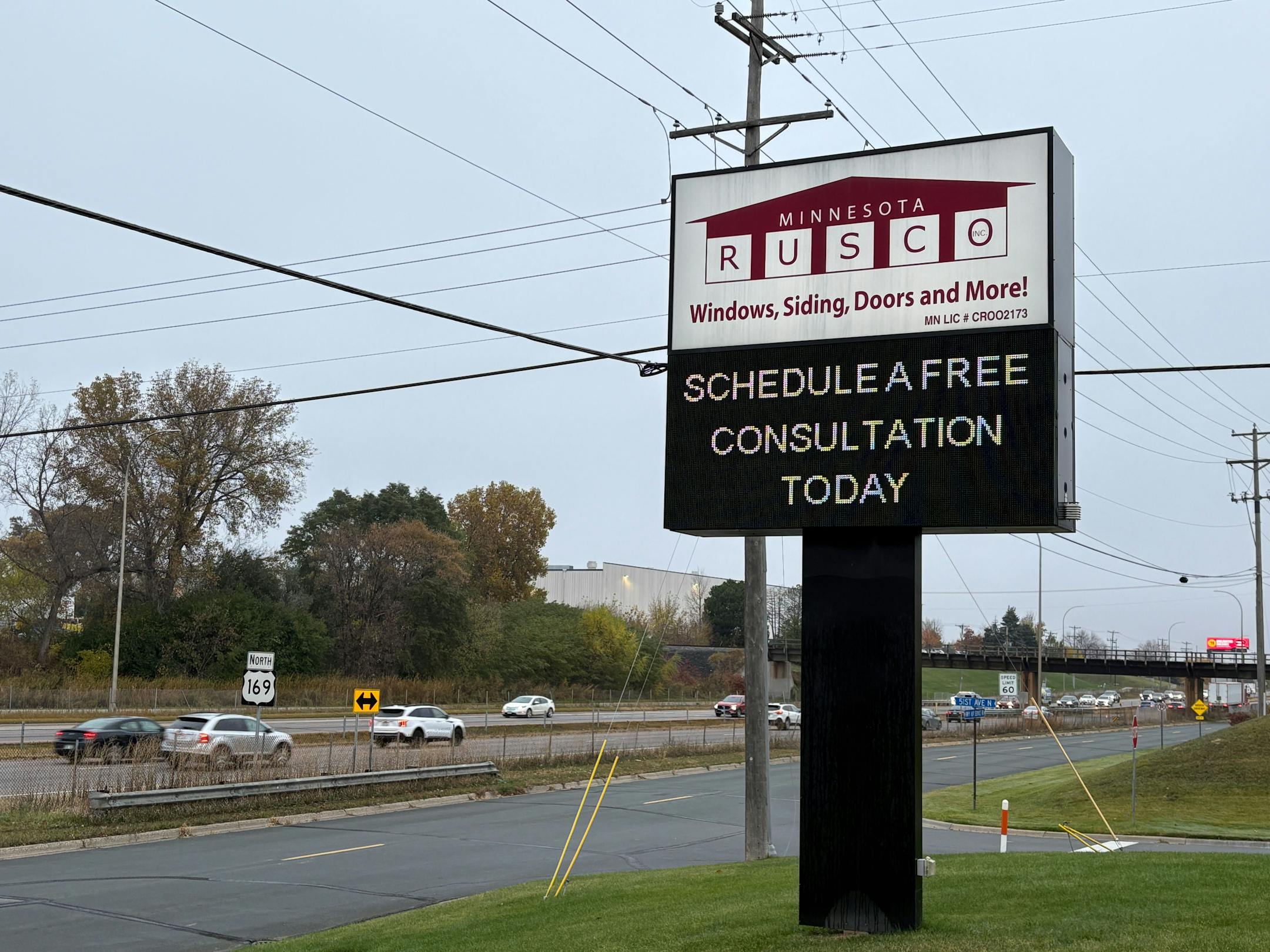
Minnesota Rusco has officially filed for bankruptcy, following an abrupt closure of the business. Court filings say it had no more than $10 million in assets, and more than $100 million in debt when it closed. (Evan Pederson)

Minnesota Rusco has filed for bankruptcy as the home remodeler known for a catchy jingle touting its 70 years in business carries more than $100 million in debt, dwarfing its existing assets many times over.

In an initial filing in Delaware bankruptcy court, Minnesota Rusco claims to have no more than $10 million in assets and debts to as many as 1,000 creditors, many of whom are homeowners who made down payments for future remodeling jobs. After tallying costs, the business expects to have no money left to pay unsecured creditors like homeowners, subcontractors and suppliers, the court filings say.

The bankruptcy petition, filed Monday under Chapter 7, seeks to liquidate any remaining assets of Minnesota Rusco and its 15 affiliate businesses, including Texas-based parent company Renovo Home Partners LLC, which bought Rusco from local ownership in a 2022 tie-up engineered by a private equity firm.

“They were operating this business on the razor’s edge,” Edward Adams, a University of Minnesota law professor with expertise in bankruptcy cases, said of Rusco’s sizable debt relative to assets.

Rusco’s long tenure in the Twin Cities came to an abrupt close last week. Its New Hope headquarters suddenly went dark, aside from its blinking roadside sign continuing to advertise free consultations. A brief message on its since-deleted website offered no explanation for the failure, extending best wishes to “our staff and their families ... as they navigate these difficult times.”

The closure comes three years after the business sold to out-of-state owners. Private equity group Audax formed the parent company, which expanded to absorb Rusco and more than a dozen other contractors across the U.S., including home remodelers in Albuquerque, N.M.; Boise, Idaho; Wichita, Kan.; and Woburn, Mass.

BlackRock, the world’s biggest asset manager, now holds the debt used to fund the expansion.

Signs of financial trouble at Renovo and its contracting businesses emerged in late 2024.

Citing a cool home remodel market amid high inflation, BlackRock executives told investors the company’s performance had slowed, and interest income was not being collected against Renovo’s loan. Earlier this year, BlackRock TCP Capital recorded $66 million in losses related to several restructured portfolio companies, including Renovo.

Still to come is a full accounting of who is owed and how much. Renovo and its affiliates, including Rusco, must name the 20 biggest creditors this week. Due this month are full schedules outlining a fuller financial picture, including owned assets and income statements.

An attorney representing the business in federal court did not immediately respond to the Minnesota Star Tribune’s request for comment.

Meanwhile, an untold number of homeowners who paid Rusco thousands of dollars in advance for projects are searching for recourse.

As of Wednesday, more than a dozen claims had been filed against Rusco, all saying the business collected deposits yet never started the work, and now the clients cannot get their money back.

One Ramsey couple alleges the company took a contract for a deck project in late August, along with a $45,000 down payment. A Dakota County couple put down $4,000 for a walk-in shower three months ago. Two in Minneapolis filed a $15,400 claim for uninstalled windows.

Adams said unsecured creditors like these generally can expect to see about 10 cents on the dollar in a bankruptcy case, though other methods of recourse may be available.

The Minnesota Department of Labor and Industry maintains a recovery fund for people who are wronged by a contractor. It’s funded through the fees state licensed businesses pay, but the money runs dry at $550,000 to pay for claims made against a single contractor.

In the last fiscal year, between July 2024 and this past June, 30 claims against contractors exceeded that threshold, according to the department’s most recent annual report.

about the writer

about the writer

Bill Lukitsch

Reporter

Bill Lukitsch is a business reporter for the Star Tribune.

See Moreicon

More from Business

See More
card image
card image