The last bite: Minnesota dairy herds are bird flu-free, USDA says

Also, a topless bus tours an organic farm, big food (including General Mills) loses market share, and Make America Healthy Again minutiae in this week’s food and ag roundup.

The Minnesota Star Tribune
September 12, 2025 at 5:58PM
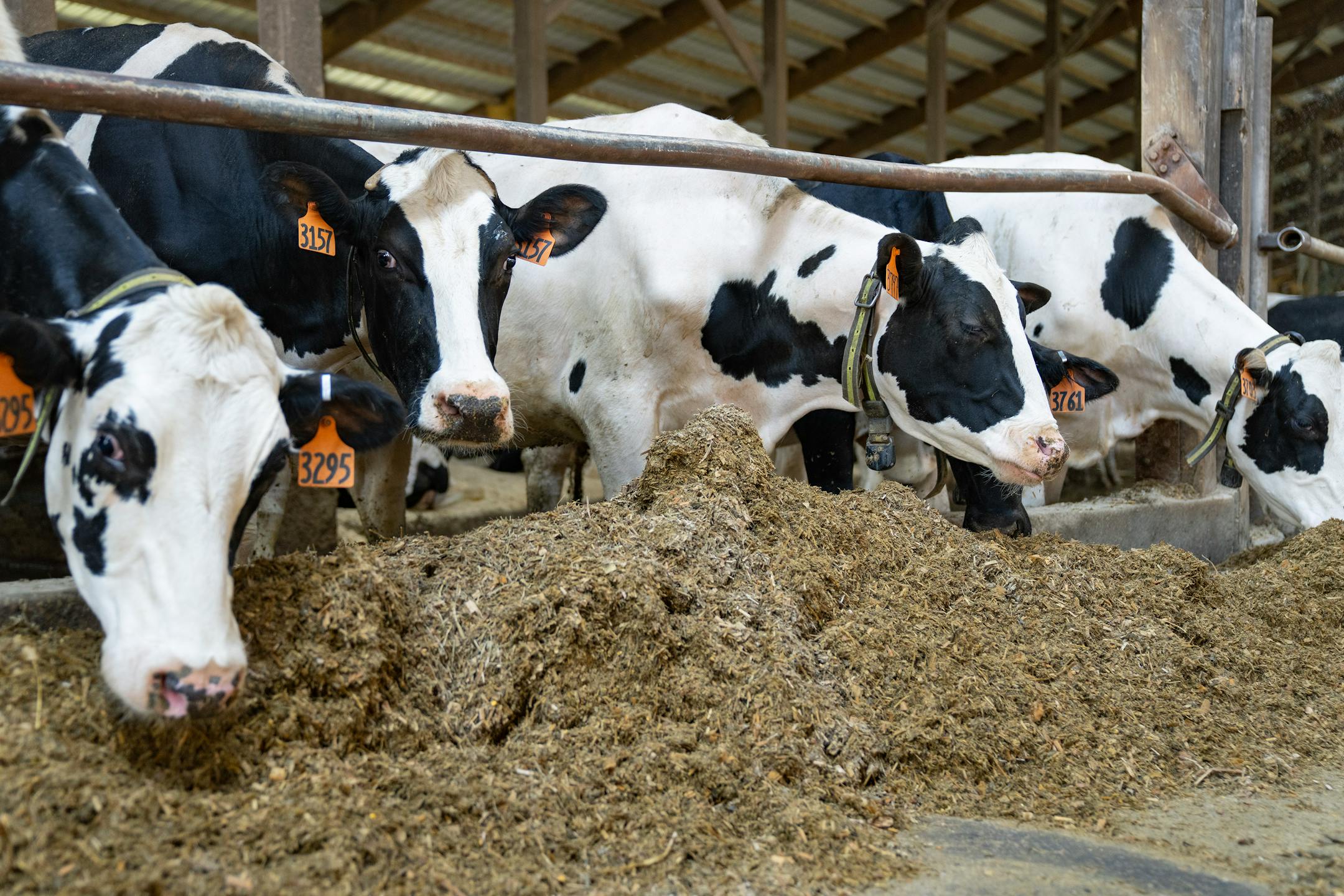
H5N1 milk testing will shift down to once every other month, according to the Minnesota Department of Agriculture, and eventually less often if there are no detections through the fall. (Alex Kormann/The Minnesota Star Tribune)

Welcome to “the last bite,” an end-of-week food and ag roundup from the Minnesota Star Tribune. Reach out to business reporter Brooks Johnson at brooks.johnson@startribune.com to share your news and pictures of modified farm vehicles.

Minnesota dairy herds are officially bird flu-free, according to the U.S. Department of Agriculture.

That “unaffected” determination follows four consecutive months of testing raw milk from every farm in the state and finding no H5N1 virus.

State ag commissioner Thom Petersen said in a statement he’s “extremely grateful for the dairy industry’s cooperation in achieving this important milestone.”

The state’s testing program took a monthly raw milk sample from each of Minnesota’s roughly 1,600 dairy farms starting in February. It found just one positive case in March.

H5N1 milk testing will shift down to once every other month, according to the Minnesota Department of Agriculture, and eventually less often if there are no detections through the fall. Monitoring will continue until testing deems all 50 states unaffected. Five states, mostly in the Southwest, are still finding the virus in dairy herds.

On the poultry side, Minnesota hasn’t had a commercial bird flu outbreak since January.

“We are close to declaring the state free of the disease in commercial poultry,” Brian Hoefs, executive director of the Minnesota Board of Animal Health, said in April, according to meeting minutes. “The best tools we can implement are biosecurity protocols. A vaccine would also be helpful.”

Data dish

Ten of America’s largest food companies, including General Mills, lost market share in their categories during the summer, according to market researcher Evercore ISI’s report. But those lost shoppers didn’t necessarily switch to private label, a.k.a. store brands.

For most companies, private label market share in their categories also fell. And according to Morgan Stanley research, many private label offerings were only growing sales thanks to price increases in the past three months.

So it’s smaller brands, the shiny new thing or the 10-year overnight success stories winning the day, right? In some cases, definitely. Yet overall, Americans are buying less food. According to Circana, people are consuming fewer calories (though on the whole, still more than we need), making each slice of the grocery aisle pie more valuable.

Commodity cookbook

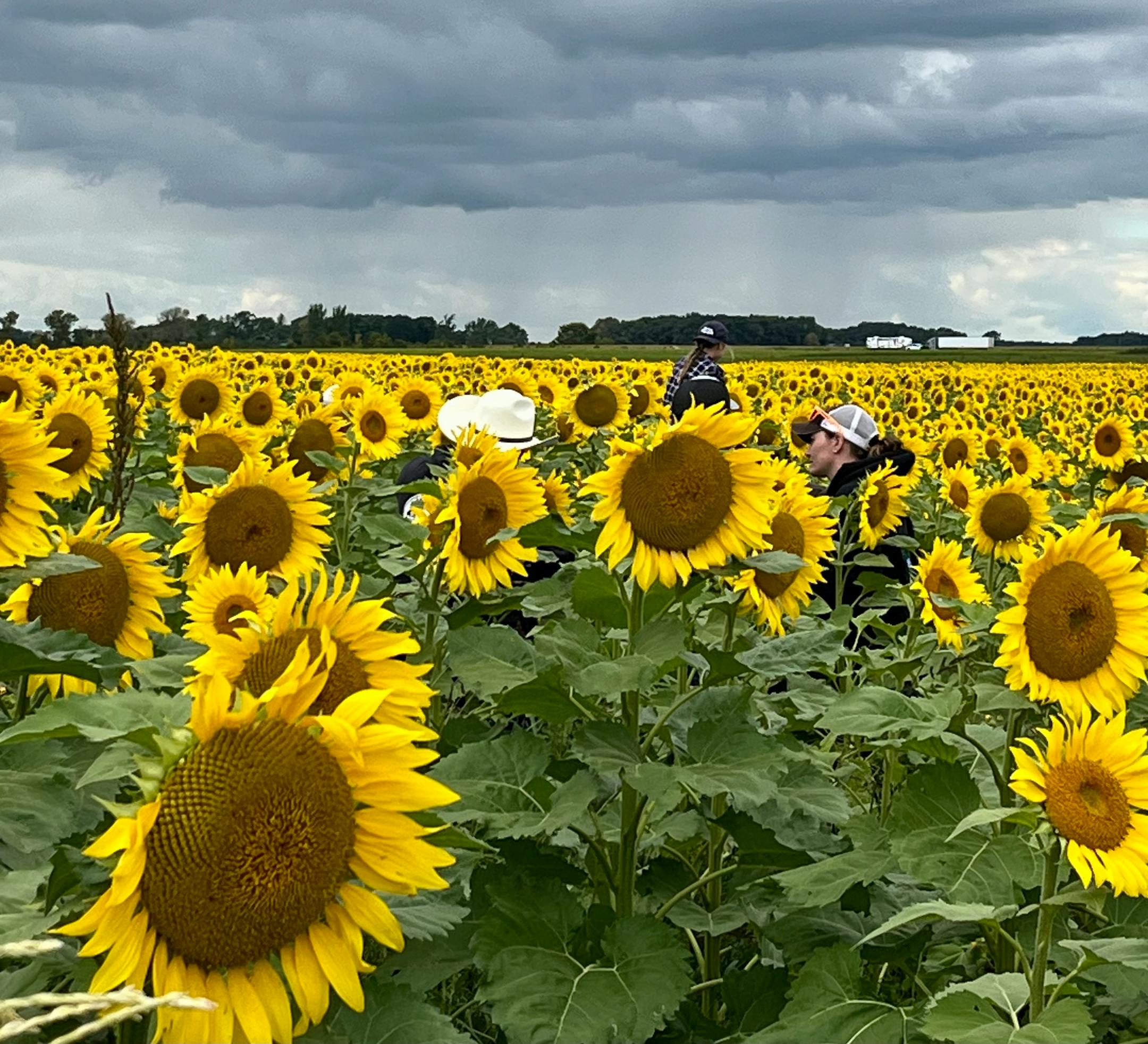
Those bright fields of sunflowers along I-90 west of Austin really stand out in the land of corn and soy. Up close, they take on a whole new meaning.

“This is organic ground,” said farmer Tom Cotter.

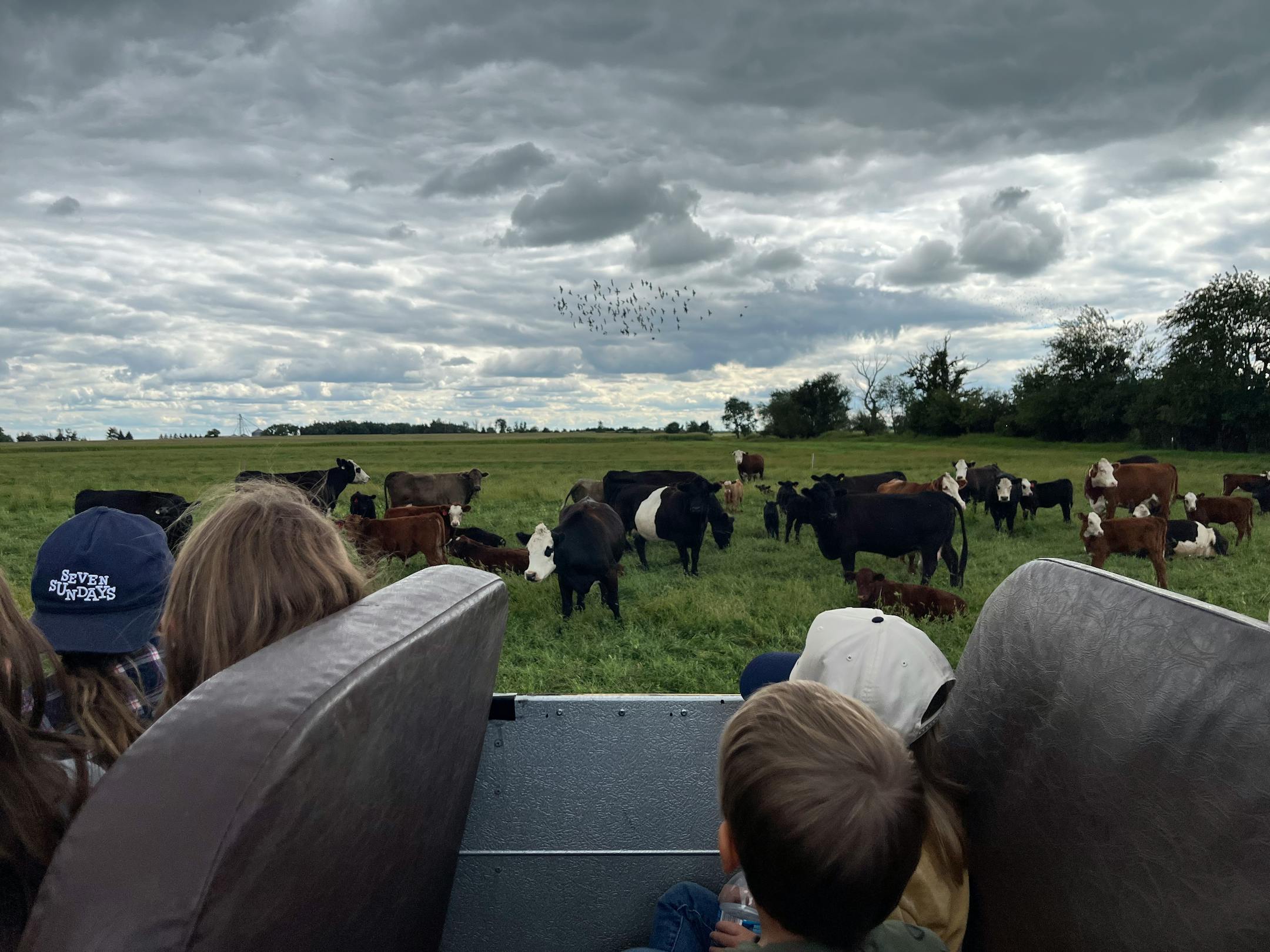
A small herd of cattle — and the sorghum-sudangrass they like to munch on — interspersed with sunflower plots offer key examples of regenerative agricultural practices as well.

Tom Cotter, in the white cowboy hat, talks with visitors on his farm outside Austin, Minn., on Sept. 6. Cotter is growing sunflowers and grazing grass-fed cattle as well as a few sheep and pigs. (Brooks Johnson/The Minnesota Star Tribune)

Last weekend, Cotter Farms held its annual open house and a topless bus tour (the bus itself had no top, all riders involved were clothed). This was part of the fourth-generation farmer’s year-round outreach promoting sustainable agriculture.

Food Health Day attendees tour Cotter Farms outside of Austin, Minn., on a topless school bus Sept. 6 and learn to get the herd's attention by yelling, "Here, Bessie!" (Brooks Johnson/The Minnesota Star Tribune)

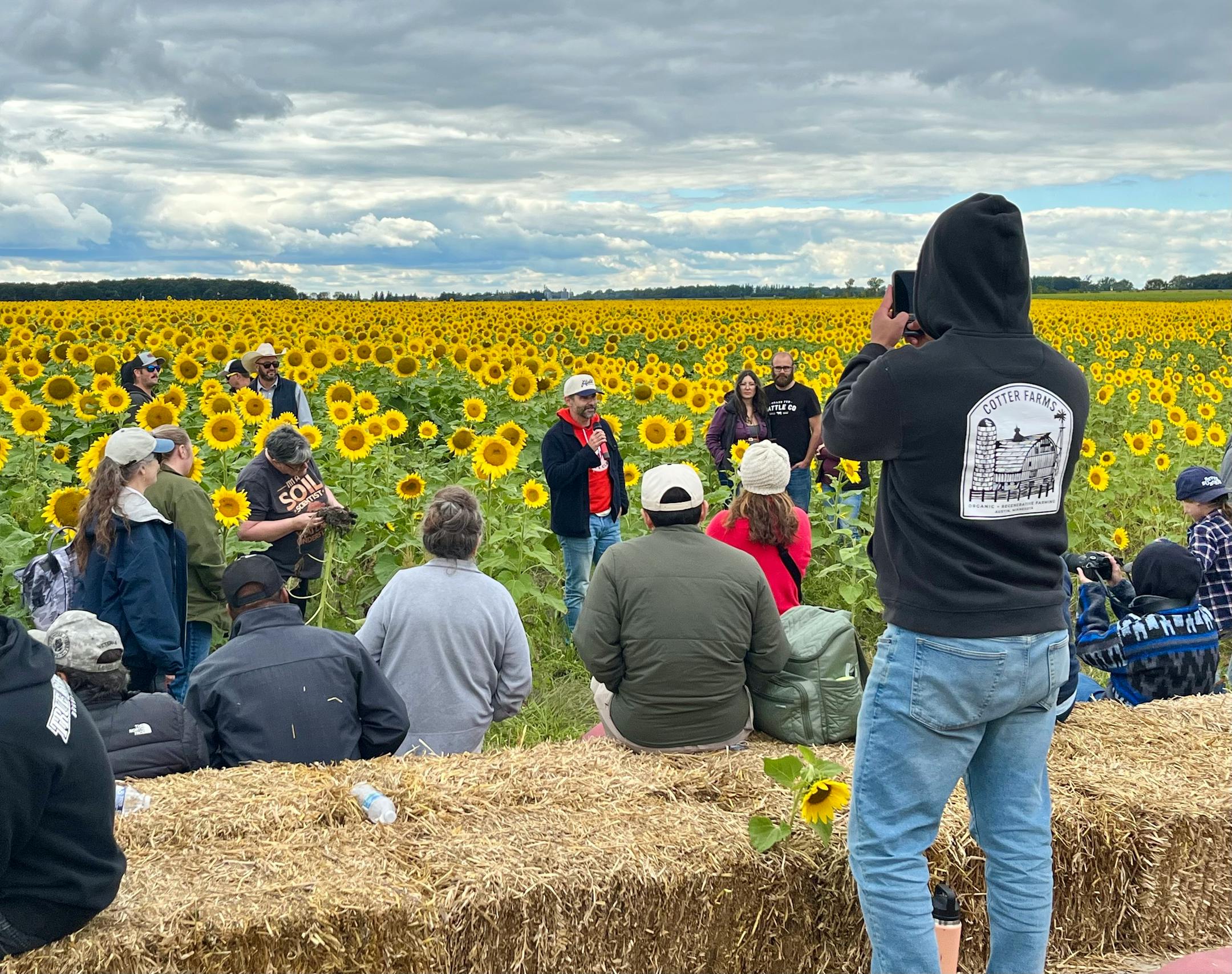
Minneapolis-based cereal company Seven Sundays, which sources from Cotter Farms, was also on hand to talk sustainable ag.

“If we don’t get this very first thing right, everything downstream is going to be wrong,” said co-founder Brady Barnstable. “It ends with consumer choices and consumers educating themselves.”

Seven Sundays co-founder Brady Barnstable, center in red, talks to Cotter Farm visitors about the need for sustainable agriculture in the food system. (Brooks Johnson/The Minnesota Star Tribune)

National nugget

The Make America Healthy Again policy blueprint released this week was notably soft on pesticides but did contain a few actionable recommendations to lessen their use.

The report said the USDA will “streamline organic certification processes and reduce costs for small farms transitioning to organic practices,” which can be a major hurdle for producers wanting that valuable USDA Organic seal.

USDA will also “eliminate unnecessary bureaucratic barriers for Community Supported Agriculture (CSA) programs and direct-to-consumer sales.” Many small produce farmers don’t have organic certification but use organic practices.

And the federal government is looking at a precision ag partnership “with private-sector innovators to ensure continued investment in new approaches and technologies to allow even more targeted and precise pesticide applications.”

On the whole, though, the report’s answer to soil and water health looks a lot like the strategy for removing artificial colors from food: “keeping solutions voluntary.”

The Organic Trade Association earlier this year pointed to the MAHA movement itself as a positive trend boosting sales alongside “strong interest in organic among younger generations with growing purchasing power, rising demand for healthier food [and] increased discretionary income from GLP-1 medications.”

Organic food sales totaled $65 billion last year and grew faster than food sales overall, the association said. From 2011-21, organic acreage in the U.S. rose 79% to 3.6 million acres, according to the USDA.

about the writer

about the writer

Brooks Johnson

Business Reporter

Brooks Johnson is a business reporter covering Minnesota’s food industry, agribusinesses and 3M.

See Moreicon

More from Agriculture

See More
card image
card image