The last bite: Kraft Heinz split, Keurig Dr Pepper breaks up, who’s next?

Plus, Gen Z is drinking more alcohol than previously thought, and Land O’Lakes looks for ag-tech investments in this week’s food and ag roundup.

The Minnesota Star Tribune
September 5, 2025 at 2:31PM
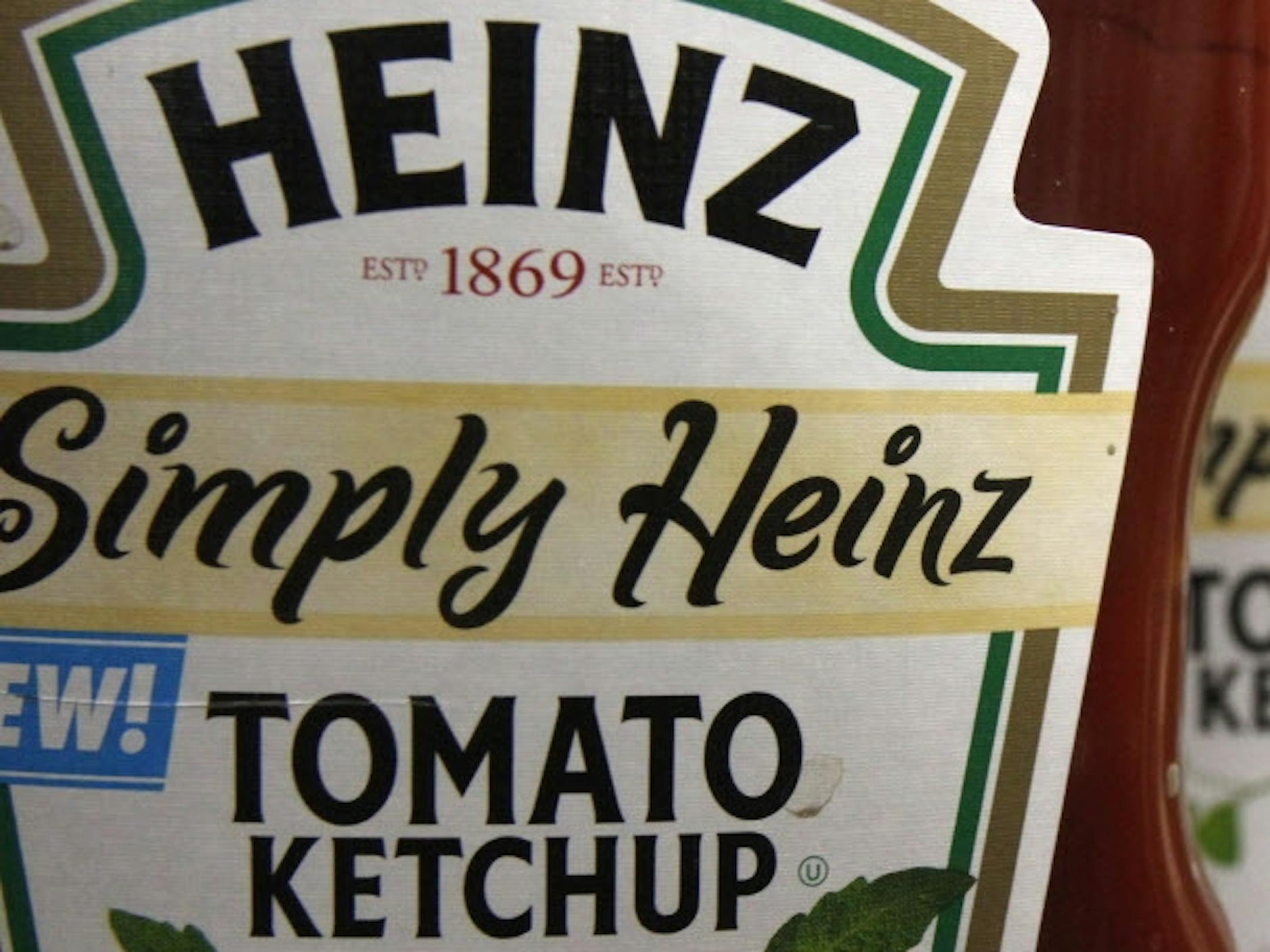
FILE - This March 2, 2011, file photo, shows containers of Heinz ketchup on the shelf of a market, in Barre, Vt. In 2015, Kraft Heinz announced it is cutting about 2,500 jobs as part of its plan to slash costs after the food companies combined. (AP Photo/Toby Talbot, File)
It will be "simply Heinz" again soon as Kraft Heinz splits up, undoing a 2015 merger. (Toby Talbot/The Associated Press)

Welcome to “the last bite,” an end-of-week food and ag roundup from the Minnesota Star Tribune. Reach out to business reporter Brooks Johnson at brooks.johnson@startribune.com to share your news and ag tech innovations.

A season of breakups for big food companies is underway, as Kraft Heinz announced the end of its together era earlier this week.

That divorce follows Keurig Dr Pepper, which announced an upcoming split at the end of August that will follow a coffee acquisition, and Kellogg, which broke into two companies two years ago.

All things scale and synergy, which seemingly failed to unlock growth, are making way for “operational focus.”

“This split is expected to allow each entity to sharpen its operational focus and tailor capital allocation, marketing strategies and innovation pipelines to the specific dynamics of their respective categories,” Baptista Research wrote about the Keurig Dr Pepper deal.

Activist investor Elliott Investment Management took a $4 billion stake in PepsiCo this week with a similar message about “a lack of strategic clarity” at the soda and snack company, hinting at the need for divestitures.

As consumers lose their appetite for legacy grocery staples in favor of cheaper store brands or better-for-you alternatives, so too must corporate leaders check their hunger for conglomeration.

That doesn’t mean General Mills is going to release Pillsbury back into the wild 24 years after the Minnesota companies merged in a $10.5 billion deal.

Kraft’s stock price dropped sharply after the breakup announcement this week. So did Keurig Dr Pepper’s after its announcement.

“If this reaction sustains, the break-up pressure on other laggards will dissipate quickly,” wrote industry consultant and commentator Peter McDonald. “The initial investor message here seems to be: Fix the fundamentals before you throw a bunch of M&A razzle-dazzle at us.”

Data dish

Gen Z is drinking more after all, much to the relief of a panicked alcohol industry that saw more moderation and abstinence on the horizon.

Beverage industry data company IWSR found in a survey that 70% of Americans ages 21-27 reported drinking in the past six months, up from just 46% a few years ago. That puts Gen Z right near the total average rate of 76% of adults who partake.

“Moderation has been a growing trend among all drinkers for several years, but the idea that Gen Z [legal-age] drinkers are somehow fundamentally different from other age groups isn’t supported by the evidence,” said Richard Halstead, head of consumer insights at IWSR, in a statement.

Blame inflation instead, he said: “We know that beverage alcohol consumption correlates with disposable income, and Gen Z came of age during a cost-of-living crisis.”

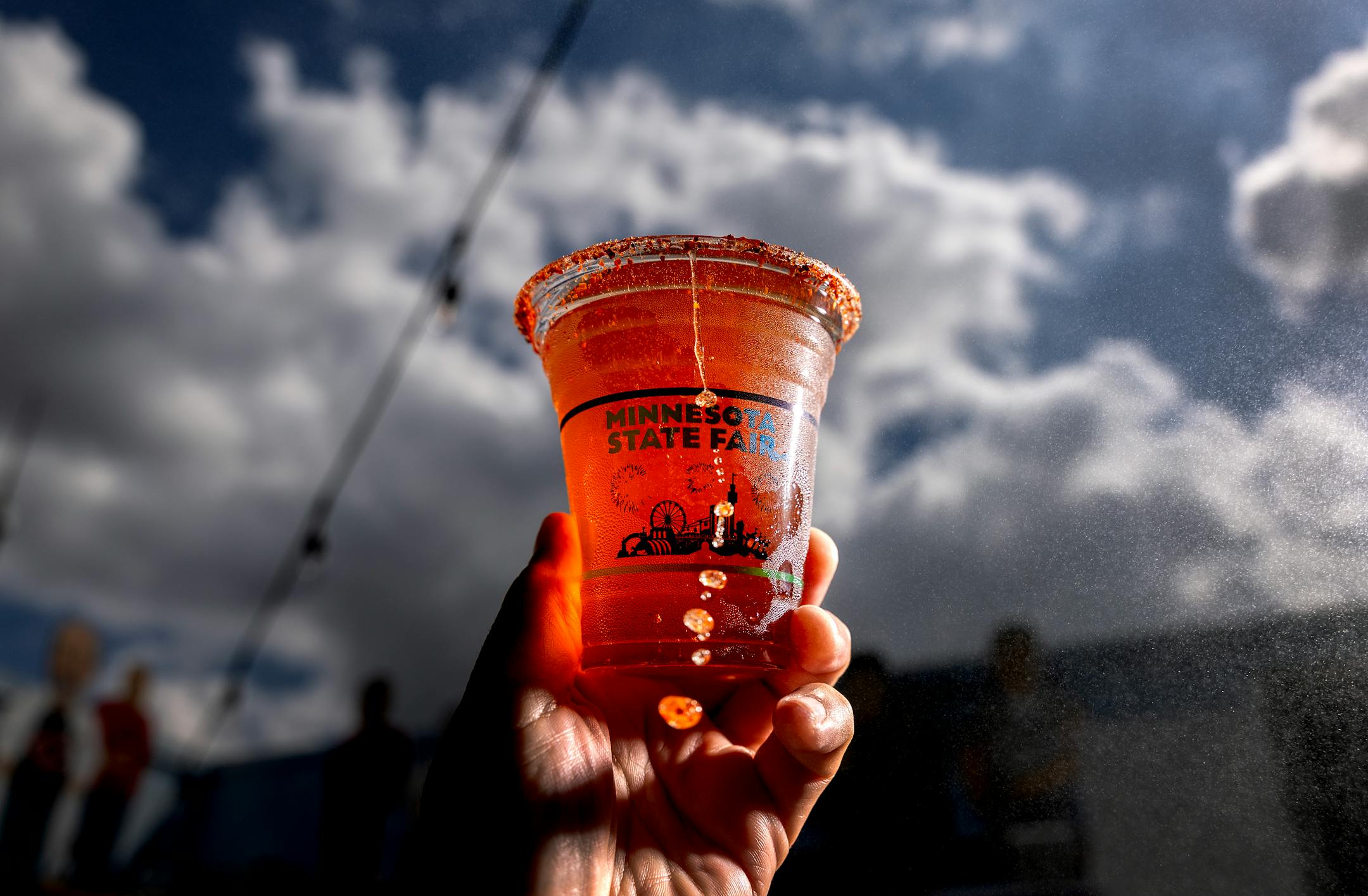
Mexican fruit cup sour ale by Pryes Brewing at the Minnesota State Fair on Aug. 21, 2025. (Carlos Gonzalez/The Minnesota Star Tribune)

But just what are the kids drinking these days?

Top Ten Liquors owner and CEO Jon Halper has this dispatch from the Dinkytown location as University of Minnesota students return to campus: “The early winners: Tito’s, plenty of beer, Surfside, BuzzBallz, Carbliss and Uncle Arnie’s shots.”

As for THC, it’s shots and “affordable gummies” leading the way, not seltzers, he said.

Commodity catchup

Southern Minnesota’s U.S. Rep. Brad Finstad recently introduced an industry-backed bill that would let pork and poultry slaughterhouses process animals faster. Or as the Republican put it, “at full operational capacity.”

“The ability for our packers and processors to continue harvesting healthy, safe pork products while ensuring certainty for the consumer and farmers alike is paramount,” Todd Selvik, president of the Minnesota Pork Producers Association, said in a news release.

A union representing poultry workers had a different response: “We cannot allow corporations and politicians to roll back protections under the guise of ‘competitiveness,’” said a statement from Stuart Appelbaum, president of the Retail, Wholesale and Department Store Union.

U.S. Department of Agriculture studies released earlier this year found faster line speeds, meaning the rate of animal processing, could lead to higher rates of injury if there is not adequate staffing and workers increase the number of animal parts handled per minute.

Tech taste

Land O’Lakes is on the hunt for farm-tech breakthroughs and intends to invest up to $100 million in a dozen startups through a new collaboration with other ag retailers.

The Arden Hills-based cooperative announced its participation in AgRogue Growth Partners this week and points out in a news release “public funding for agricultural research has declined to 1970s levels. At the same time, global competitors like China have dramatically increased their investments.” So in comes private investment.

The purpose of the ag retailer coalition, which includes Minnesota’s Farmward Cooperative, Keystone Cooperative in Indiana and the Alabama Farmers Cooperative, is speeding up adoption of new tech.

“Right now, we’re seeing a wave of necessary innovation stall before it reaches the farm gate — often lacking the local trust and infrastructure needed to succeed,” Brett Bruggeman, Land O’Lakes chief operating officer, said in a news release.

Radicle Growth, a San Diego-based ag tech investor, will manage the venture fund.

about the writer

about the writer

Brooks Johnson

Business Reporter

Brooks Johnson is a business reporter covering Minnesota’s food industry, agribusinesses and 3M.

See Moreicon

More from Business

See More
card image
Evan Ramstad/The Minnesota Star Tribune

DigiKey seven years ago made a huge bet on staying in Thief River Falls. It built the state’s largest building, adopted new processes and sees no limits to its opportunities.

card image
Berkshire Hathaway Chairman and CEO Warren Buffett, left, and Vice Chairman Charlie Munger, briefly chat with reporters Friday, May 3, 2019, one day before Berkshire Hathaway's annual shareholders meeting. An estimated 40,000 people are expected in town for the event, where Buffett and Munger preside over the meeting and spend hours answering questions. (AP Photo/Nati Harnik) ORG XMIT: NENH1