

When you think about the world’s great beer cultures, several come to mind. Germany and the Czech Republic excel at lagers. Belgium is famous for Trappist-style ale, witbier and divinely complex traditional sour beers. And over the past 30 years or so, the craft brewing movement has put the United States on the beer map.
But in many ways, the beers of the British Isles are the parents to them all.
Early American craft brewers took inspiration from the pale ales and IPAs of England. The Vienna and Marzen lager styles arose from a trip by two European brewers to learn about British malting techniques. Belgium’s famous Duvel beer was originally brewed to honor British soldiers who fought in Belgium during World War I and is made with a yeast originally sourced in Scotland.
Beer culture in the British Isles is built around conviviality. Generally low alcohol makes the beers conducive to enjoying several pints in the pub with friends. The easy-drinking beers are an accompaniment to the gathering, not the reason for it.
English pale ales
English Pale Ale, also known as “bitter,” is less forcefully hoppy than its American progeny. As the name suggests, it is a bitter brew. But the bitterness is amply countered by toffee and biscuit malt.
Bluebird Bitter from Coniston Brewing Co. is one of my favorite English beers. It disappeared from the Minnesota market for a time, but I’m happy to report that it’s back. This crystal-clear, copper-colored pale ale presents a nice balance of malt and hop. The malt is biscuity, reflecting the character of English Maris Otter malt. Light notes of caramel add to the malt palette. Woody, herbal hop flavor accompanies assertive bitterness that bites the back of the tongue. A hint of orange marmalade intensifies as the beer warms.
Moor Beer Co. in Bristol, England, is doing interesting work, making beers that they call “live, natural and vegan-friendly.” With beers that are unfiltered, unrefined and refermented naturally in the package to create carbonation, they aim to bring the British tradition of cask-conditioned ales to all their packaging formats, whether cask, keg, bottle or can.
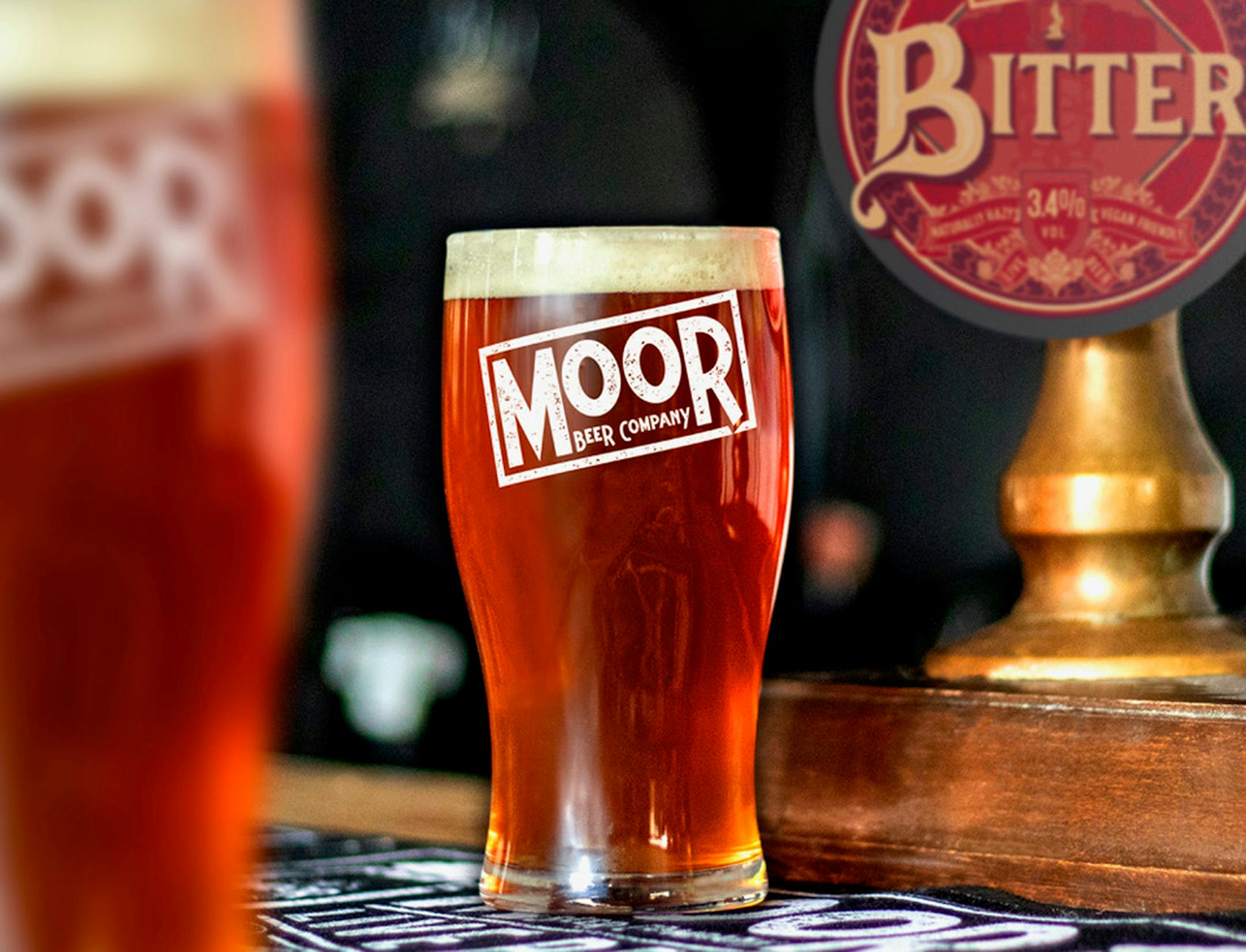
Bitter is Moor’s take on the classic English pale ale. At just 3.4% alcohol, it’s quite quaffable. Sharp bitterness comes at the start and lingers long into the finish. Malt is substantial, especially after it warms a bit from refrigerator temperature. Caramel, toffee, biscuit and toast cut the bitter edge. Moderate, herbal hop flavor completes the picture. Carbonation is low in comparison with most canned beer, keeping in character of traditional cask-conditioned ales.


