People choose to eat less meat for a variety of reasons, from religious and cultural to health benefits. But don’t forget: Meat-free dishes taste good, too.
With a run of springlike weather and the beginning of Lent, now is a great time to try a new batch of recipes that are lighter in preparation but not in flavor. (We’re following the Lenten rule and allowing fish.)
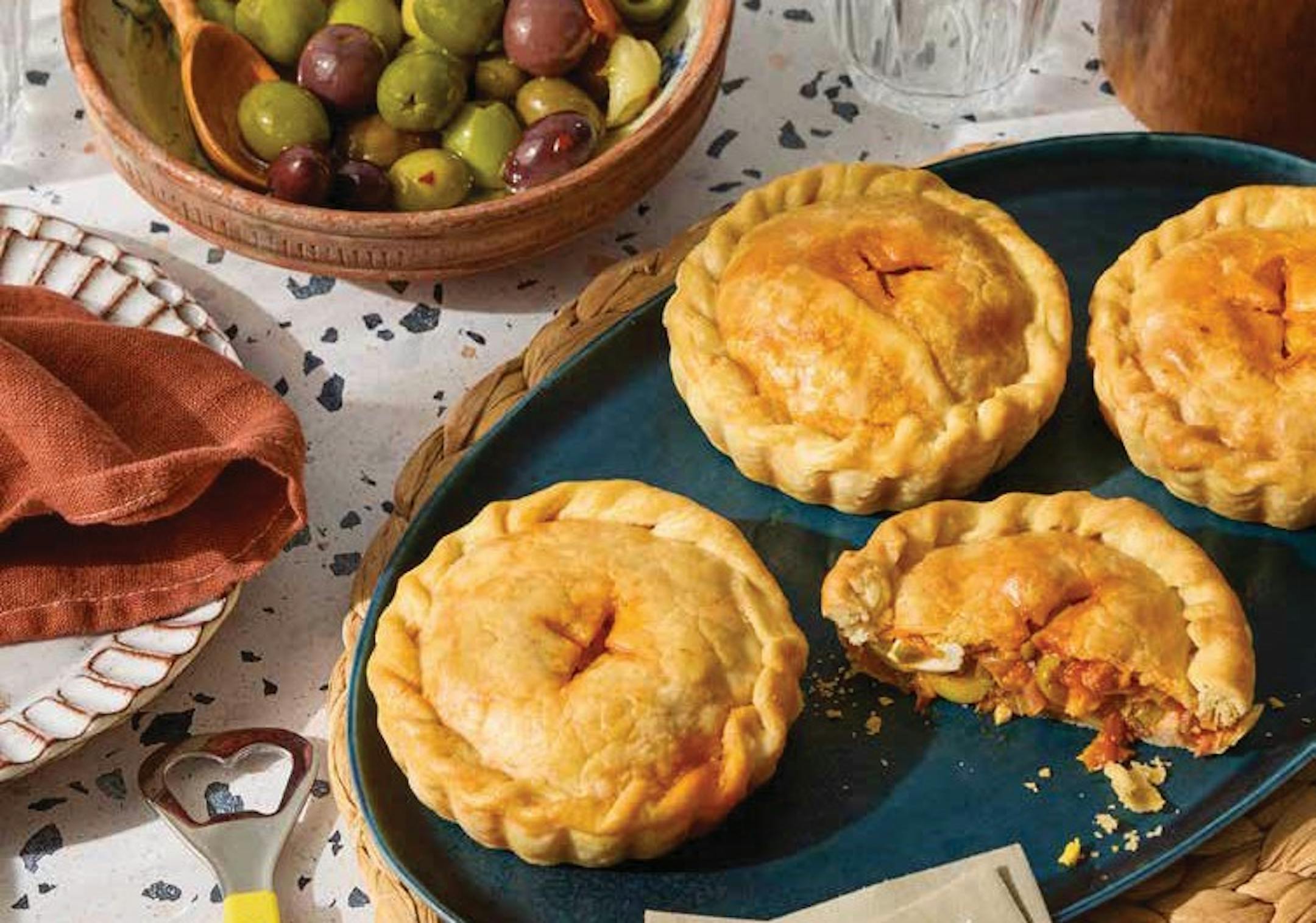
Give tuna salad a mayo-free makeover by infusing the pantry staple with Southwestern flavors and serving it on a tostada. Or combine a can of oil-packed tuna with vegetables, olives and hard-boiled eggs, then stuff them into empanadas for a portable Spanish-inspired meal.
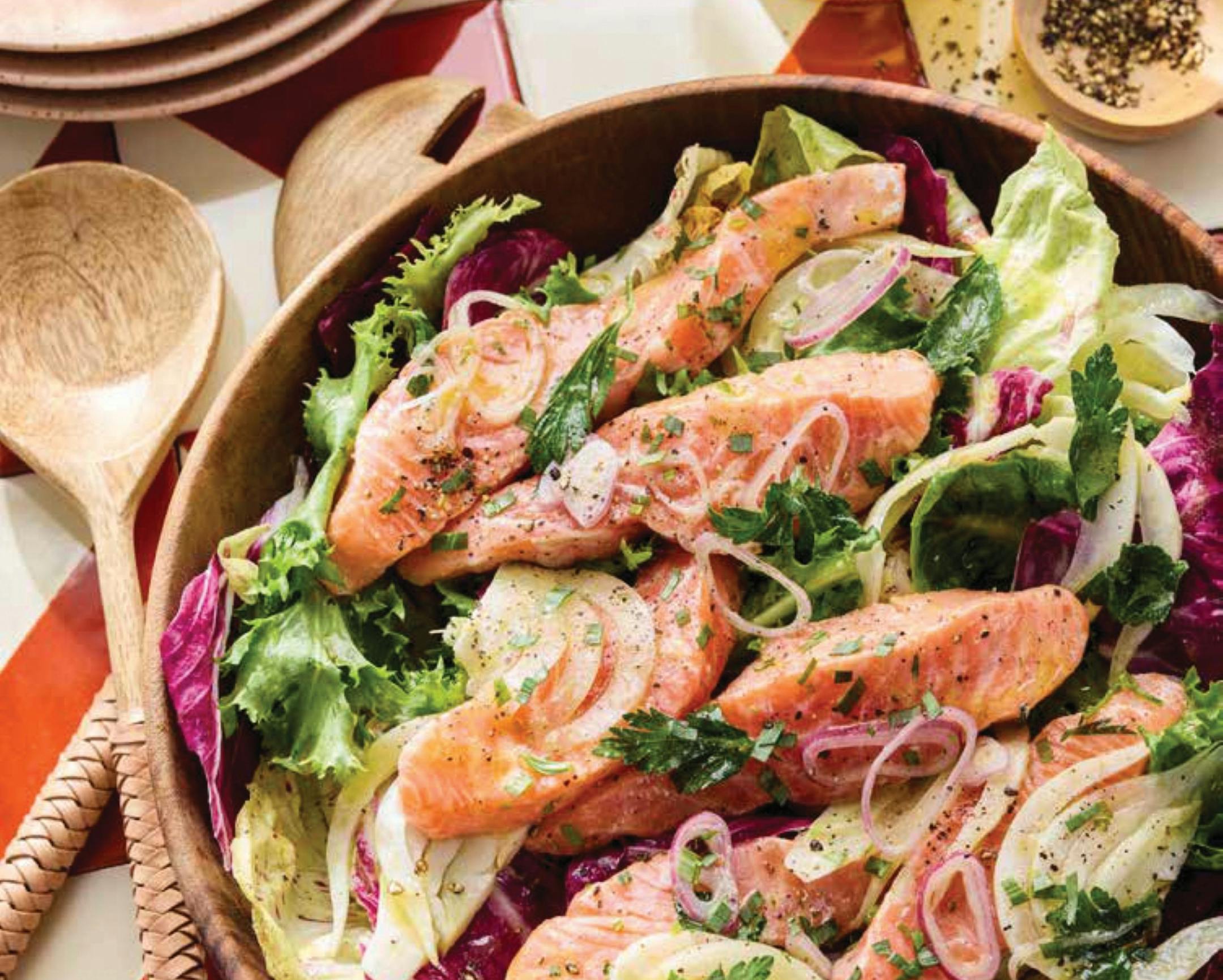
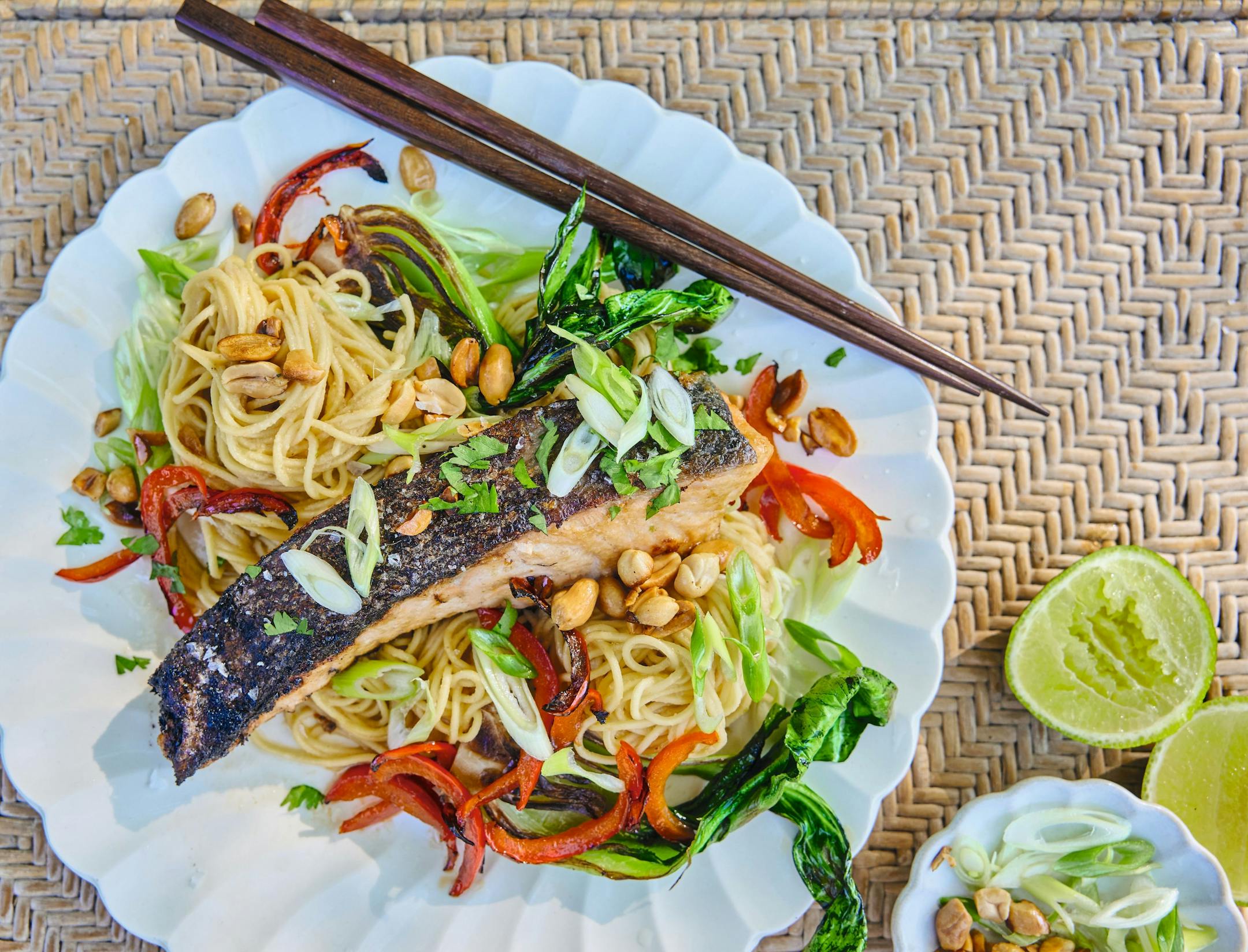
Marinate salmon in an Asian sauce before mixing it up with noodles, baby bok choy and peanuts. Try your hand at salmon escabeche, a traditional Spanish preparation that’s ceviche-adjacent, and serve it atop a bed of fresh greens for a lighter meal that evokes warmer weather.
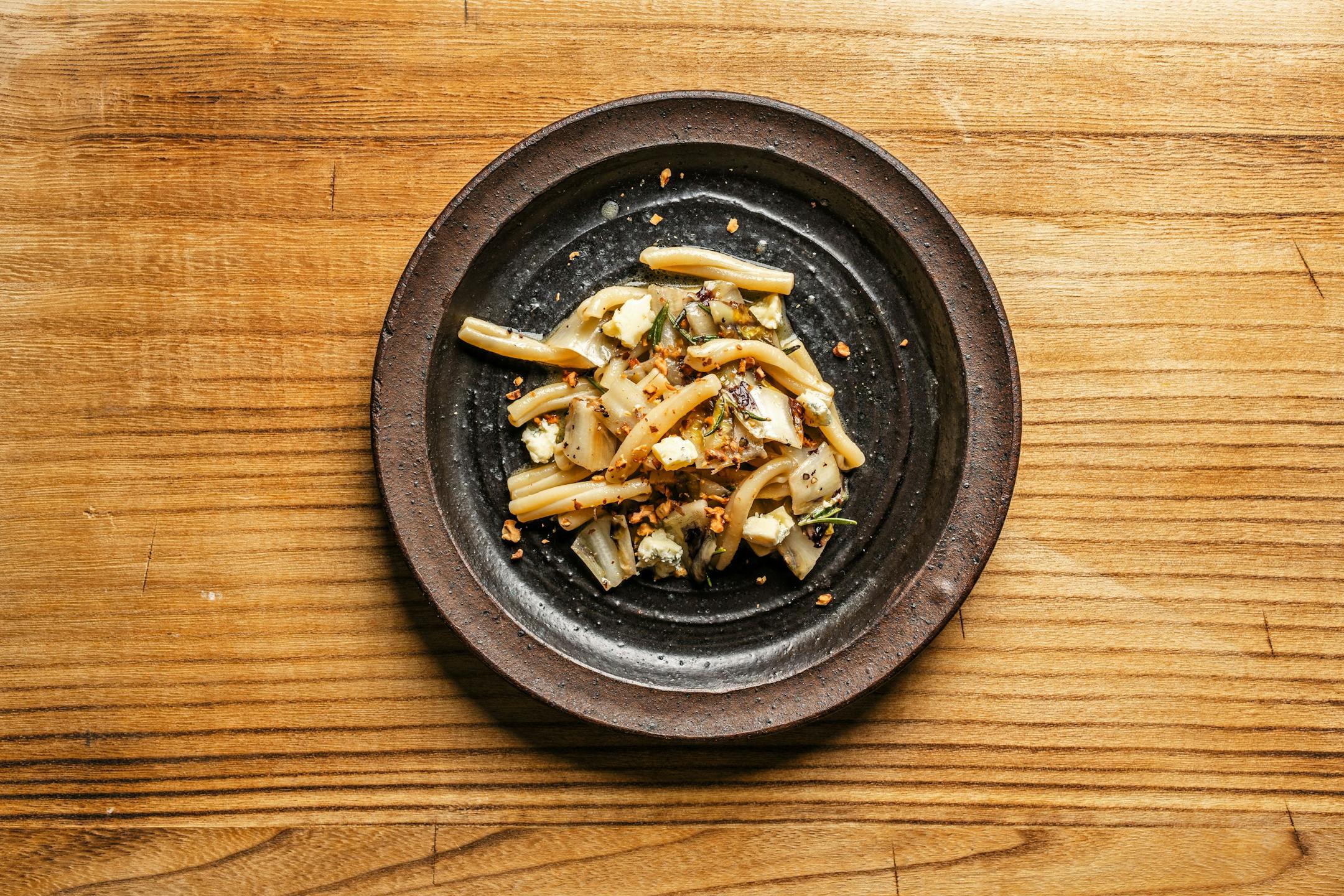
Or try a pasta dish that gets its protein from walnuts, funk from Gorgonzola and a side of bitterness from radicchio. It’s a flavor powerhouse.
As a bonus, tuna, salmon and walnuts are all high in protein and omega-3s, adding a nutrient boost as well as a flavor boost. The recipes are also malleable — swap in other proteins, cheeses, spices and vegetables to keep it fresh. You’ll want to keep them in your rotation all year long.
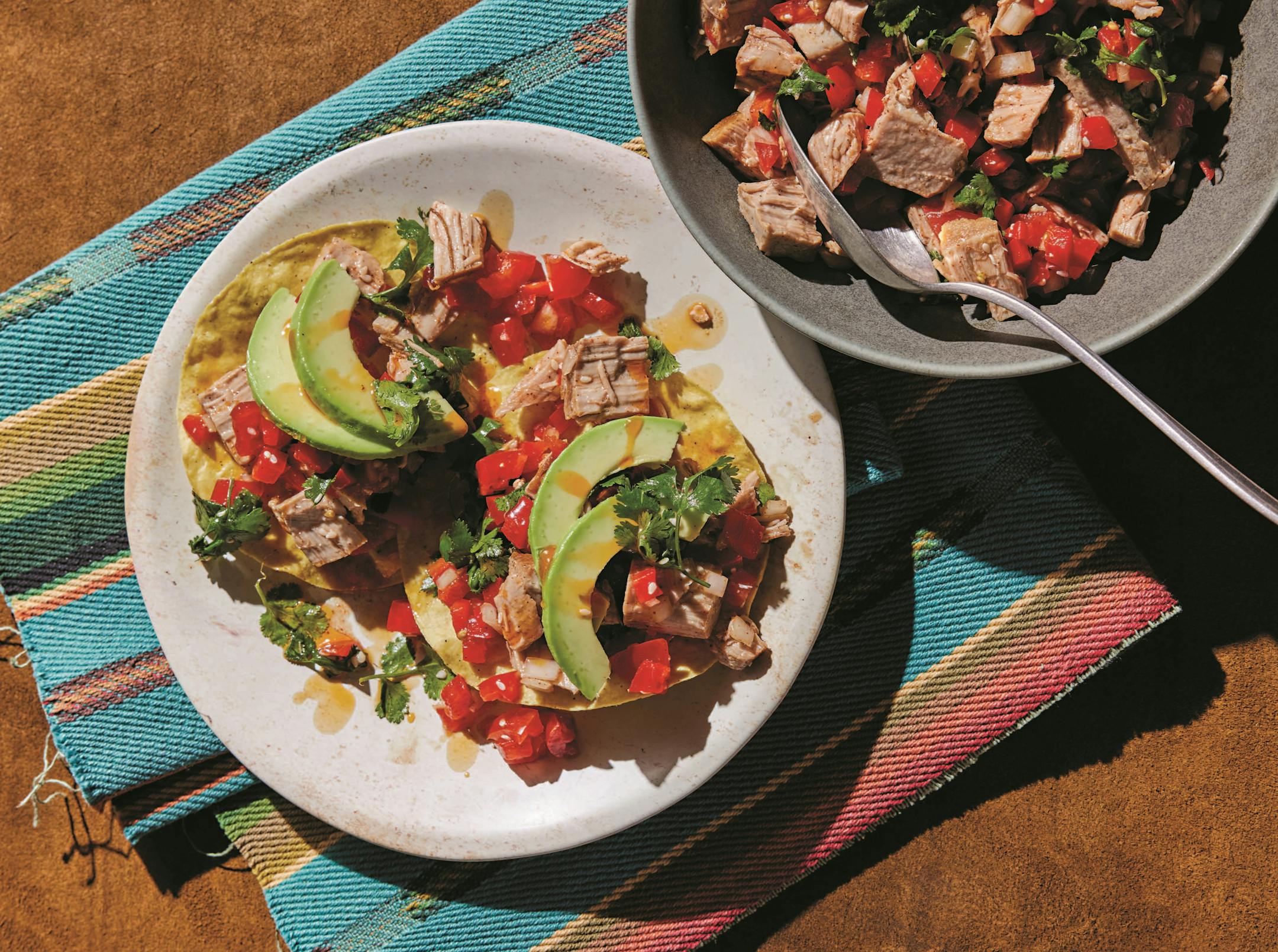
Tuna Salad Tostada
Serves 4 to 5.
From the new Native cookbook “Rooted in Fire” by Pyet Despain, who writes: “I did not have access to fresh tuna in the Midwest, or any other type of fresh fish; in our low-income family, fish was considered a luxury and not a mainstay of our diet. Nevertheless, there wasn’t a week where we didn’t reach into the cabinet for a can of tuna to make Tuna Helper. ... Our tuna salad didn’t involve celery or mayo. We’d drain a can of tuna, scrape the fatty flakes into a bowl, add some pico de gallo, put it on a few crackers with a dash of Tapatío, and call it a day. I still reach for this salad today.” (HarperOne, 2025).