Medtronic’s diabetes division was navigating sweeping recalls. Sales were shaky. And America’s top medical device inspectors had taken issue with its business decisions.
Que Dallara compared the state of the diabetes business when she took over in May 2022 to a “somewhat neglected, prime real estate location on the waterfront,” ripe for renovation. Now, it’s posting double-digit growth and its innovation pipeline is pumping out wins.
As the diabetes franchise is set to spin off from Medtronic into a new company called MiniMed, more than 24 years after Medtronic first acquired a company with the same name, Dallara still has to navigate the operation through emerging challenges. Competitors have gained ground, and the emergence of GLP-1 drugs including Ozempic threatens to disrupt the entire diabetes care market.
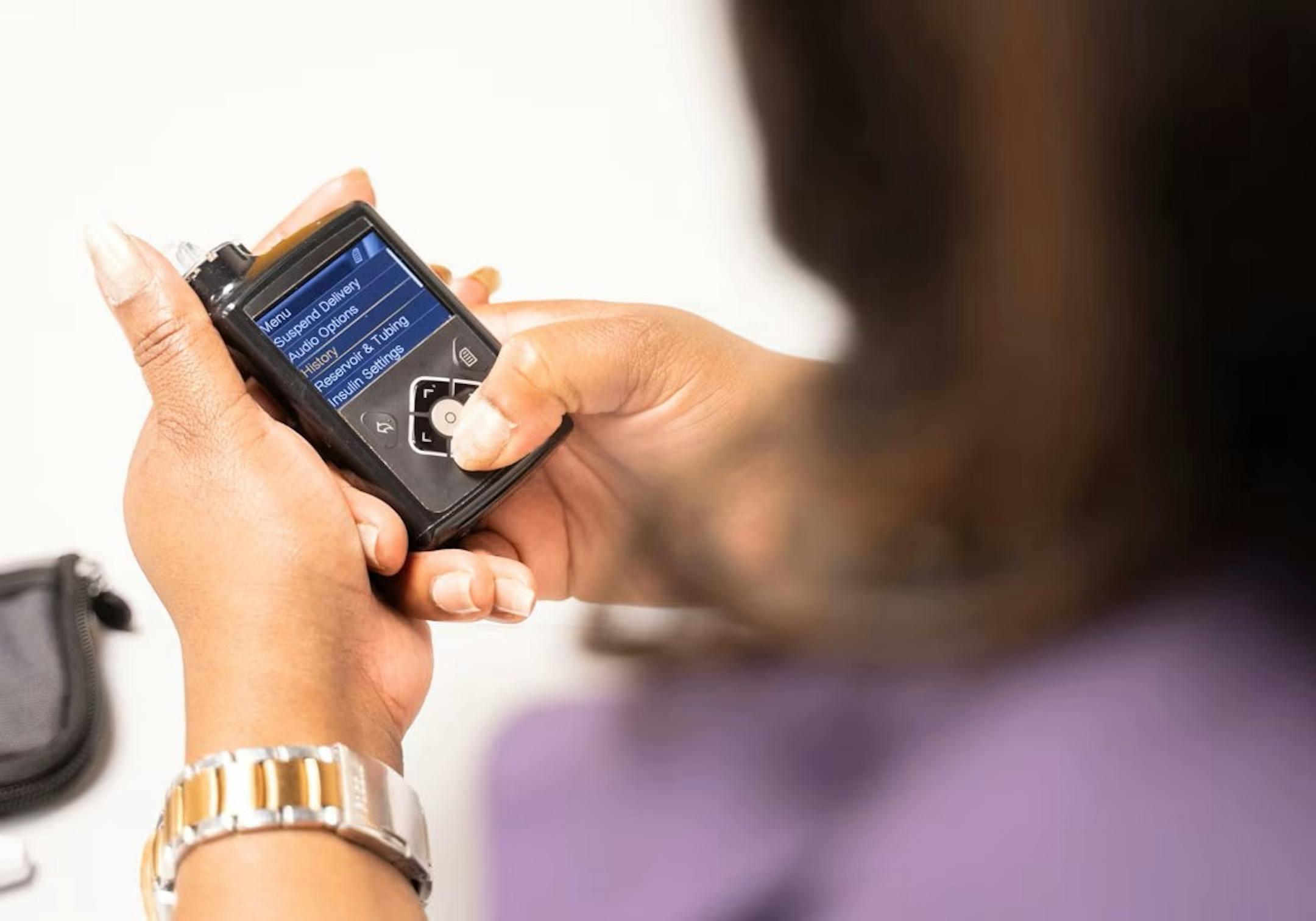
Dallara said in an interview that her focus isn’t necessarily glued to the markets for continuous glucose monitors or high-tech insulin pumps — the company dominated the market for the latter until recent years. Rather, her long-term vision is automated insulin delivery systems using both technologies. These could essentially serve as an artificial pancreas, keeping a patient’s blood sugar in check with little user input.
“Our vision ultimately is to make it so simple that all a patient needs to do is put in insulin and wear the device, and it will take care of itself,” Dallara said.
For customers such as Denise Plank of California’s Central Valley, a lot is at stake. Device users hope for better algorithms and simpler technology as they face high costs.
“It costs a tremendous amount of money for me to stay alive,” said Plank, 50.
A huge sector
Roughly 40 million people in the U.S. have diabetes, which generally occurs when the pancreas isn’t creating enough of the hormone insulin to keep blood sugar (also known as blood glucose) levels normal. Chronically elevated blood sugar can lead to serious problems including heart attacks, strokes, kidney disease and nerve damage.