Tim Wilson’s understanding of music history — he owns St. Paul’s Urban Lights, the only Black-owned record store in Minnesota — is unmatched. His business is in a neighborhood at a crossroads, prompting him to reminisce about the past, too.
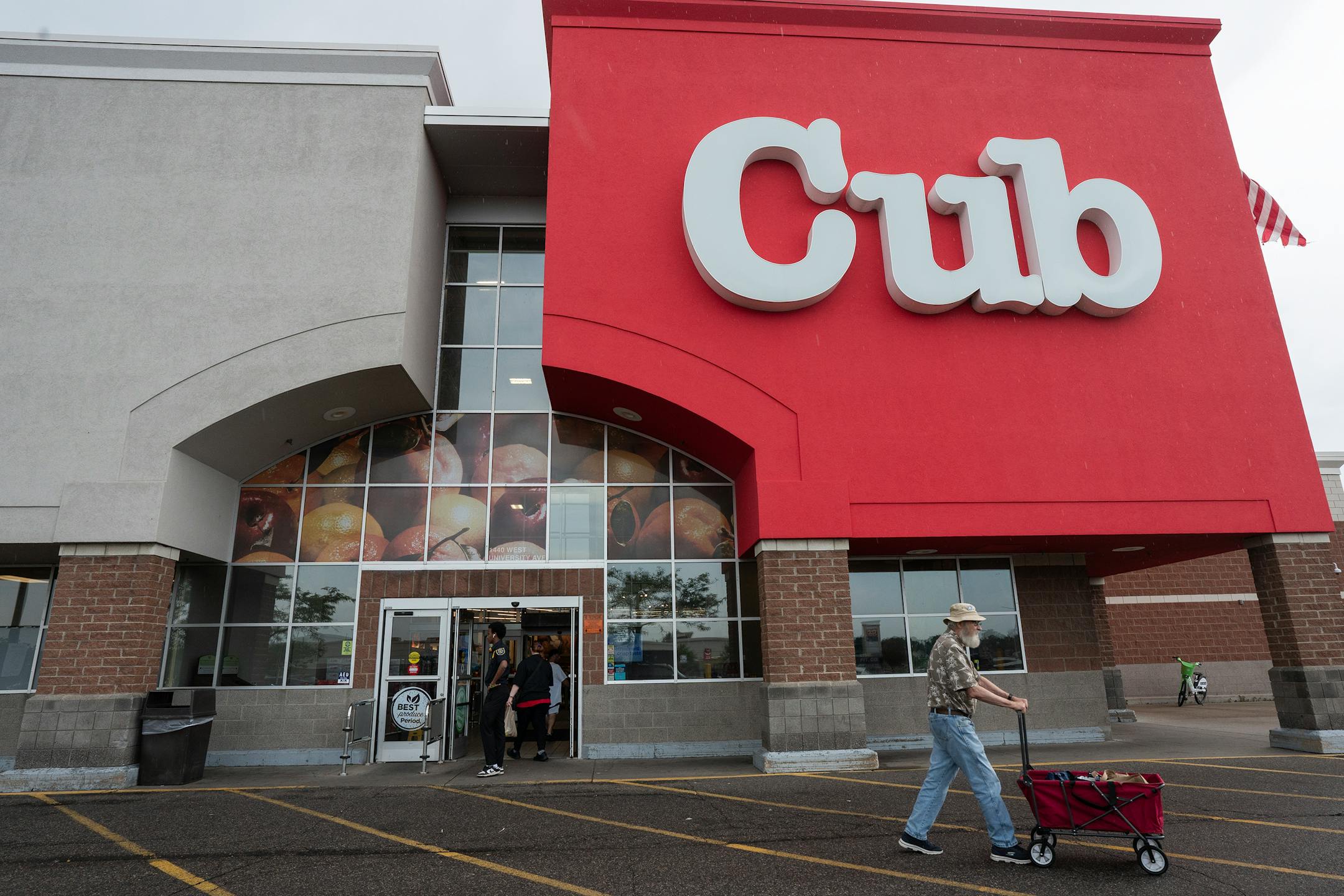
Long before a light rail line cut through the city’s Midway area, there was foot traffic attached to local businesses that no longer exists. The August closing of the Midway Cub Foods has only punctuated the dramatic overhaul of the area in recent years.
“I mean, gentrification is in progress for sure,” Wilson said. He adds that he thinks it’s sad how the routines of people with limited resources for transportation will be disrupted as they figure out how to get to a different grocery store. Before, they were used to taking the bus or train and stopping at Cub.
The closing of Cub Foods in Midway — its owners claimed to understand the impact in a statement — only expands the challenges for a community that’s lost several grocery options lately. There are alternatives nearby, but some of those stores are more expensive and less convenient for residents, many of whom do not own vehicles.
Nearly 20 years ago, I covered community meetings about the light rail line when I worked as a St. Paul city hall reporter for the Minnesota Star Tribune. Those meetings were contentious because community members believed the light rail line could both alter the makeup of the area and push the community into the shadows of big development projects.
But Anika Bowie, the City Council member who represents Ward 1, said the loss of Cub Foods creates both challenges and opportunities for the area, which will soon have a new luxury hotel and other new businesses near Allianz Field.
“The Midway Cub closure is challenging. It’s been a trusted grocery store for so many families in the Midway for decades — through the pandemic, the uprising, and everything in between,” Bowie said in a statement. “It leaves a real void, especially for BIPOC residents who’ve relied on it for ethnic foods.
“While this is a big loss, it’s also a moment for us to uplift the smaller grocery stores, co-ops, ethnic business, and farmers markets that have always been here, quietly serving the community,” Bowie’s statement continued. “We’re working to highlight and support them while we figure out what’s next for the Midway Marketplace.”