Roper: Moriarty’s academic approach to a bare-knuckle job hasn’t served her well

Mary Moriarty’s decision to leave the Hennepin County Attorney’s office caps a rocky tenure.

Columnist Icon
The Minnesota Star Tribune
August 9, 2025 at 4:09PM
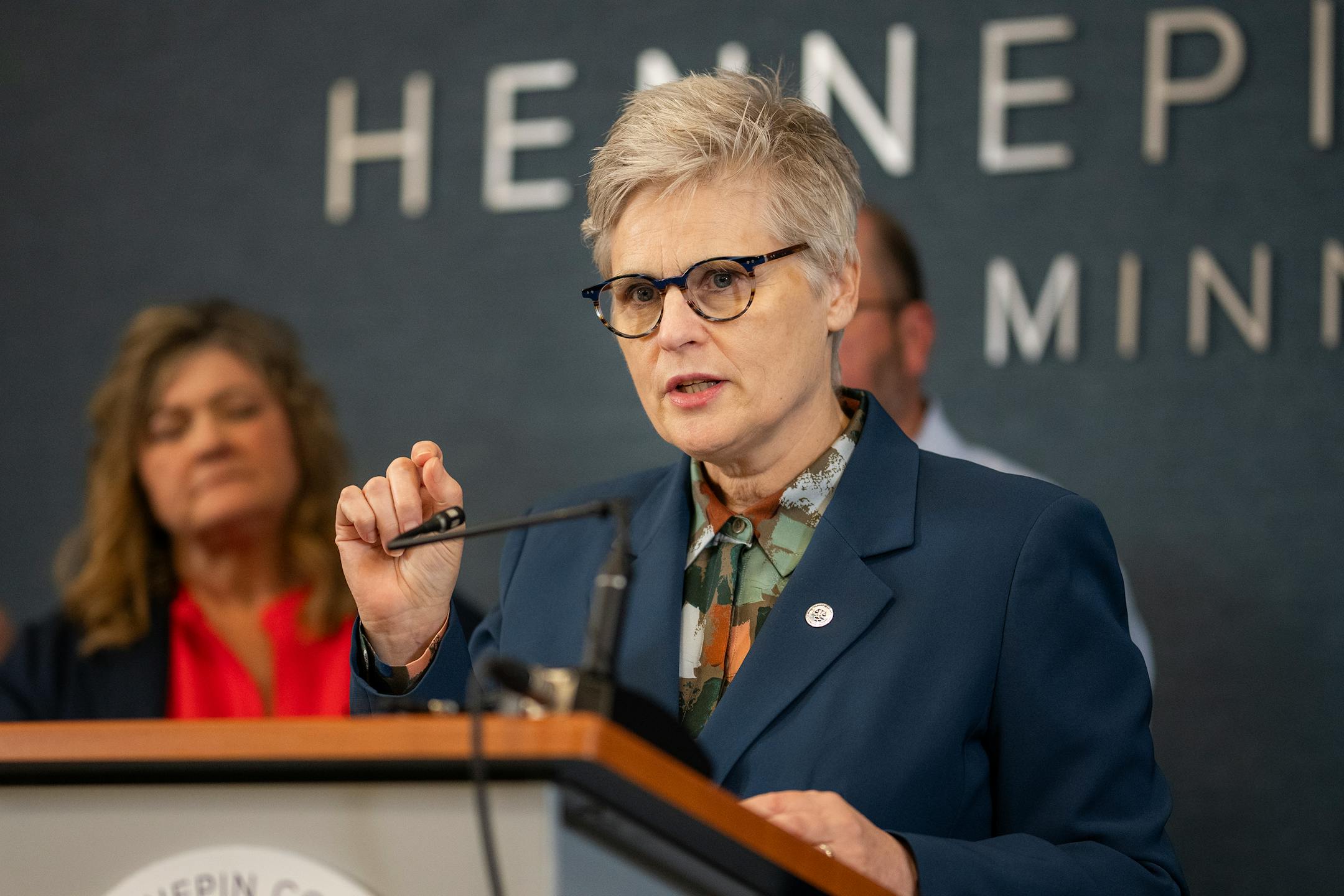
Hennepin County Attorney Mary Moriarty speaks at a news conference in June 2025. (Richard Tsong-Taatarii/The Minnesota Star Tribune)

Sign up here to follow this column by email.

It’s one of the toughest jobs in Minnesota.

The Hennepin County Attorney, our state’s most prominent criminal prosecutor, is constantly under a spotlight. Grieving families, the media, activists and anybody with an opinion on crime pick apart decisions about what constitutes justice for some of the most traumatic and gruesome events in our region.

That scrutiny is only more intense for a reformist like Mary Moriarty, who announced this week that she wouldn’t seek another term as county attorney. Moriarty, who included addressing juvenile prosecution and racial disparities as pillars of her 2022 campaign, has been a lightning rod for critics who accuse her of being soft on crime.

The race to succeed her will determine whether the progressive prosecutor era in Hennepin County is over or just beginning. But Moriarty’s tenure illustrates how a highly academic approach to the job can be a major shortcoming in the bare-knuckle world of high-profile prosecutions.

In her announcement, Moriarty told the Minnesota Star Tribune’s Jeff Day that media coverage has been too focused on her and her office’s specific charging decisions — without enough discussion of the important policy changes.
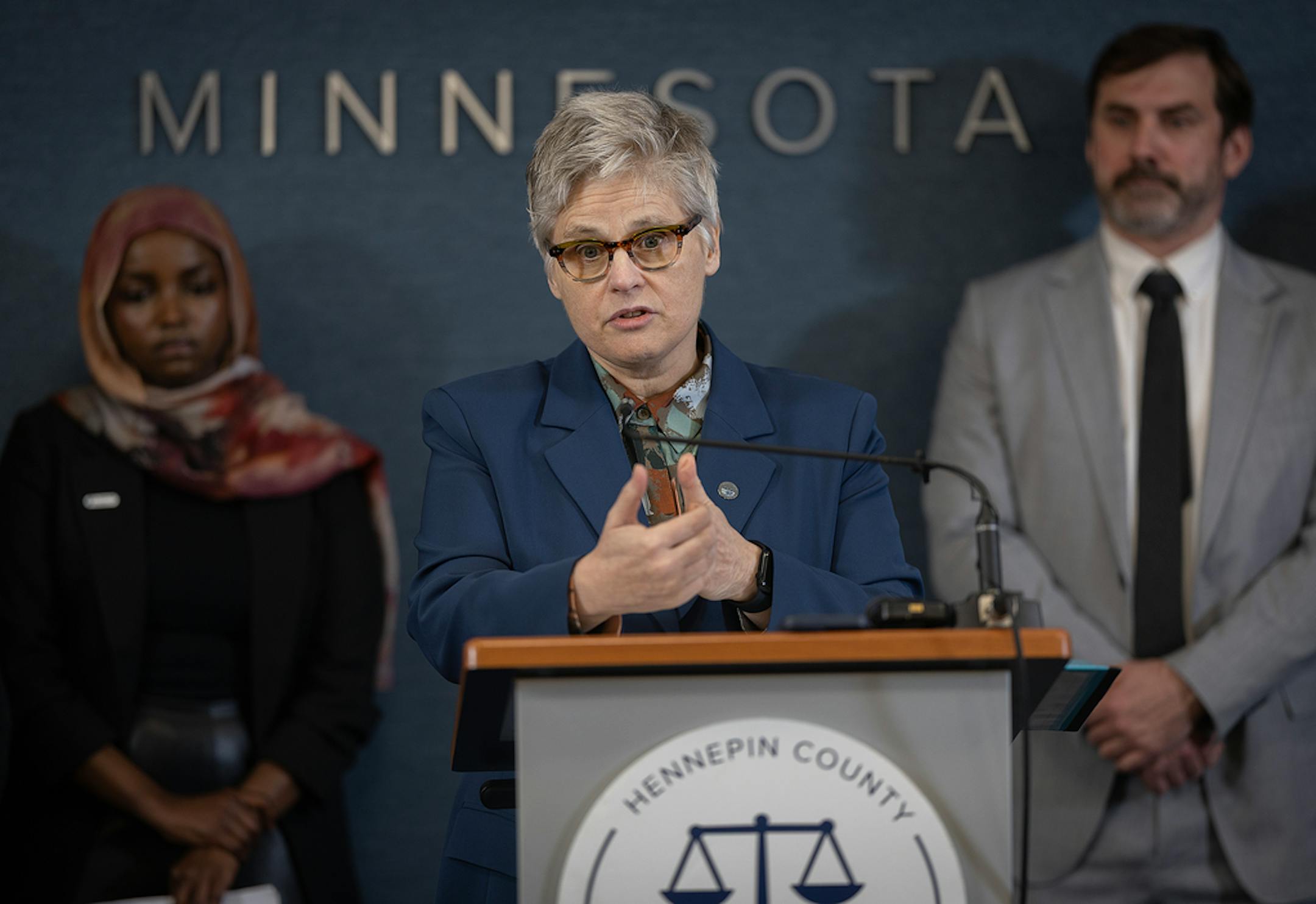
Hennepin County Attorney Mary Moriarty speaks at a press conference in May 2025. (Elizabeth Flores/The Minnesota Star Tribune)

“The stories that generally come out are not what the office is doing, or why,” Moriarty said. “It’s been, ‘I’m controversial and I’m doing this thing.’ I think it has been a real disservice to our community and to our office. It has been hard on the office and certainly hard on my family, me, all of that.”

It can be illuminating to listen to Moriarty speak at length, because she makes compelling criminology-informed arguments about, say, the impact of prison on young people. She often emphasizes “the research” and started a podcast to chat publicly with national experts.

But she’s a prosecutor, not a professor, and it often seems like she expects the public to sign up for her seminar.

Such high-level discussions are always going to take a backseat to a family crying in front of the cameras. It’s human nature. The top prosecutor has to be willing to take the heat. And a reformer needs to be a particularly skilled messenger to build a case for change (drafting a PR firm to do that work, as Moriarty’s office has done, is no substitute).

With Moriarty leaving, whoever runs to replace her needs to be ready to walk that gantlet. Because the job requires thick skin. And with more than 500 felony charges per month, on average, it’s a grueling pace.

Despite Moriarty’s comments that there has been too much focus on her, the controversies are really centered on the work of her office. It’s the media’s job, after all, to listen when community members say justice isn’t being served.

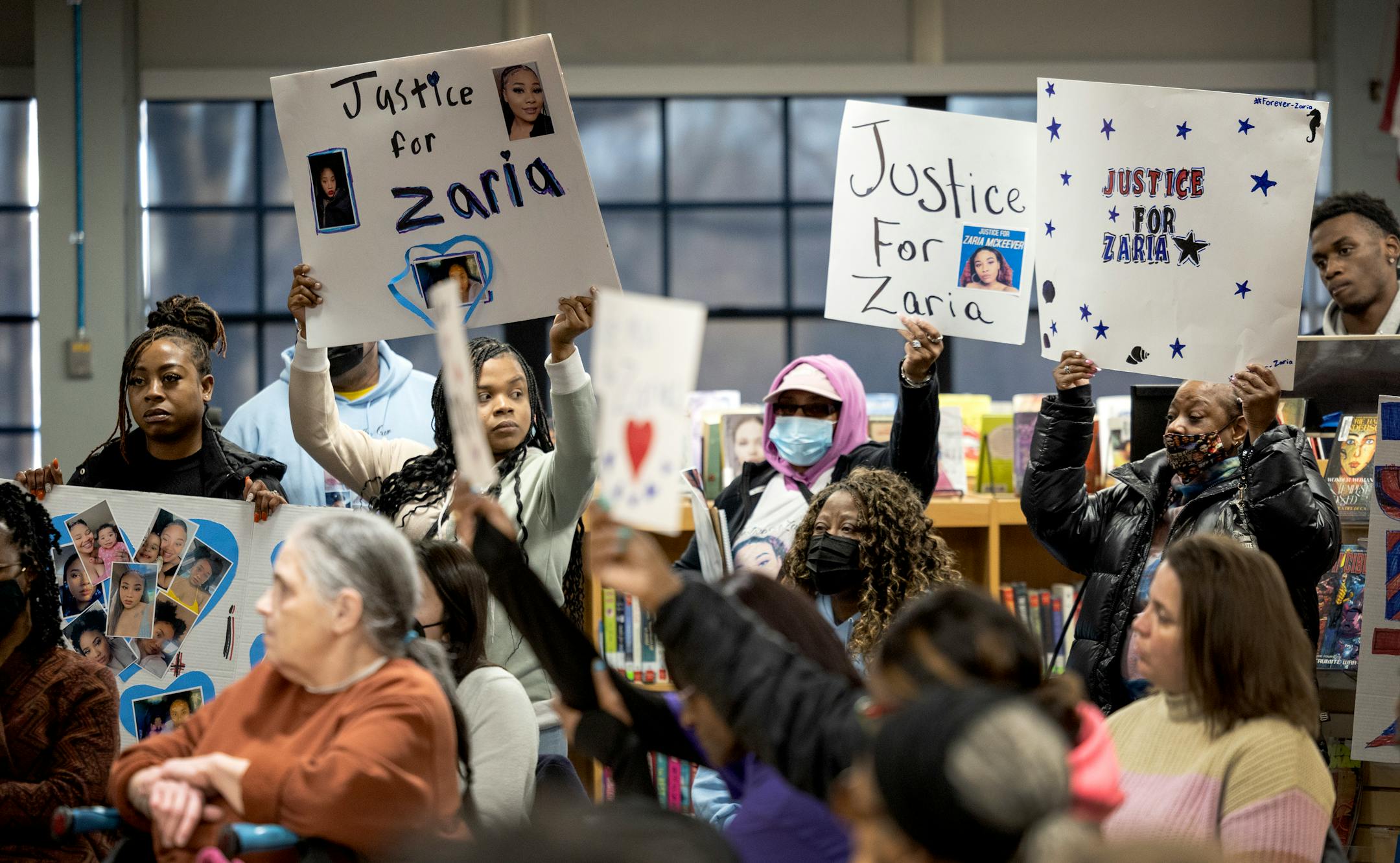
People held up signs regarding Zaria McKeever during a public safety meeting at Patrick Henry High School in March 2023. (Carlos Gonzalez/The Minnesota Star Tribune)

What was the media supposed to report on, for example, when the governor intervened so the state could prosecute the 2022 murder of Zaria McKeever — amid outrage over plea deals Moriarty’s office had offered to juveniles? (Star Tribune coverage of that case explained the reasons Moriarty’s office was taking a different approach to juvenile prosecution.)

Her wonky technique has at times also left her flat-footed under fire, conflating professional conflict with personal attack. The most prominent example occurred when Gov. Tim Walz was poised to intervene in her office’s prosecution of the state trooper who fatally shot Ricky Cobb II. (Moriarty pre-emptively dropped the charges, based on new expert analysis.)

Rather than simply slamming the governor’s decision, she assigned homophobic motives to his actions, accusing Walz of treating her poorly because she is a “queer woman in this role.” She then doubled down on the laughable claim in subsequent conversations.

“None of this ever happened with [Mike] Freeman,” Moriarty told her staff, referring to her predecessor while sidestepping the idea that her different methods might invite hardball consequences.

With Moriarty’s announcement this week, candidates are already eyeing a run to succeed her. Many of the ideas Moriarty has raised while in office are likely to prove salient beyond her tenure. As Minneapolis continues to struggle with how to approach policing it’s a pivotal time to have that debate.

Moriarty said she hopes not running for re-election will allow her to focus more on the work of the office through the end of her tenure in 2027. It won’t keep her name out of the headlines, though. Nor should it.

about the writer

about the writer

Eric Roper

Columnist

Eric Roper is a columnist for the Star Tribune focused on urban affairs in the Twin Cities. He previously oversaw Curious Minnesota, the Minnesota Star Tribune's reader-driven reporting project.

See Moreicon