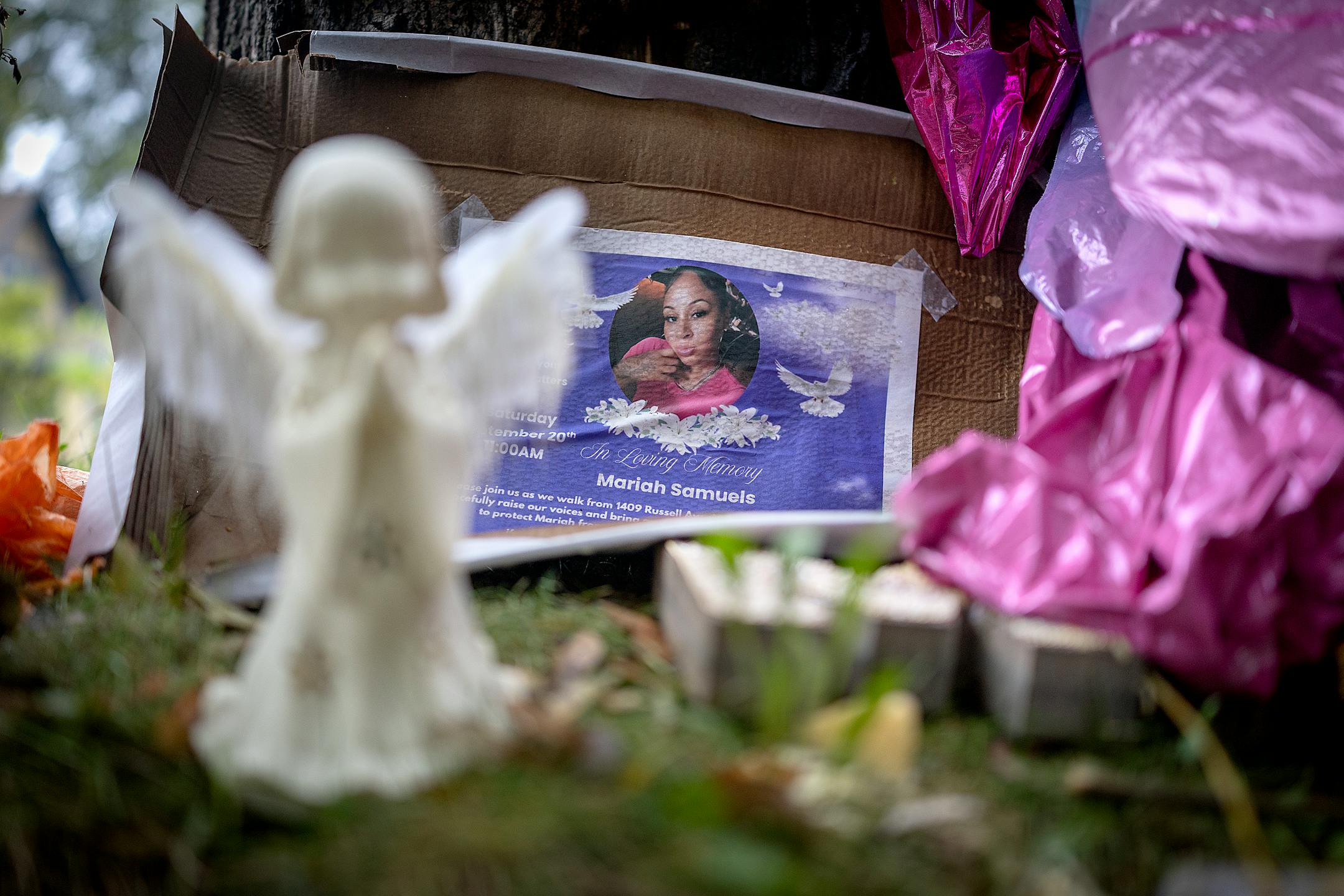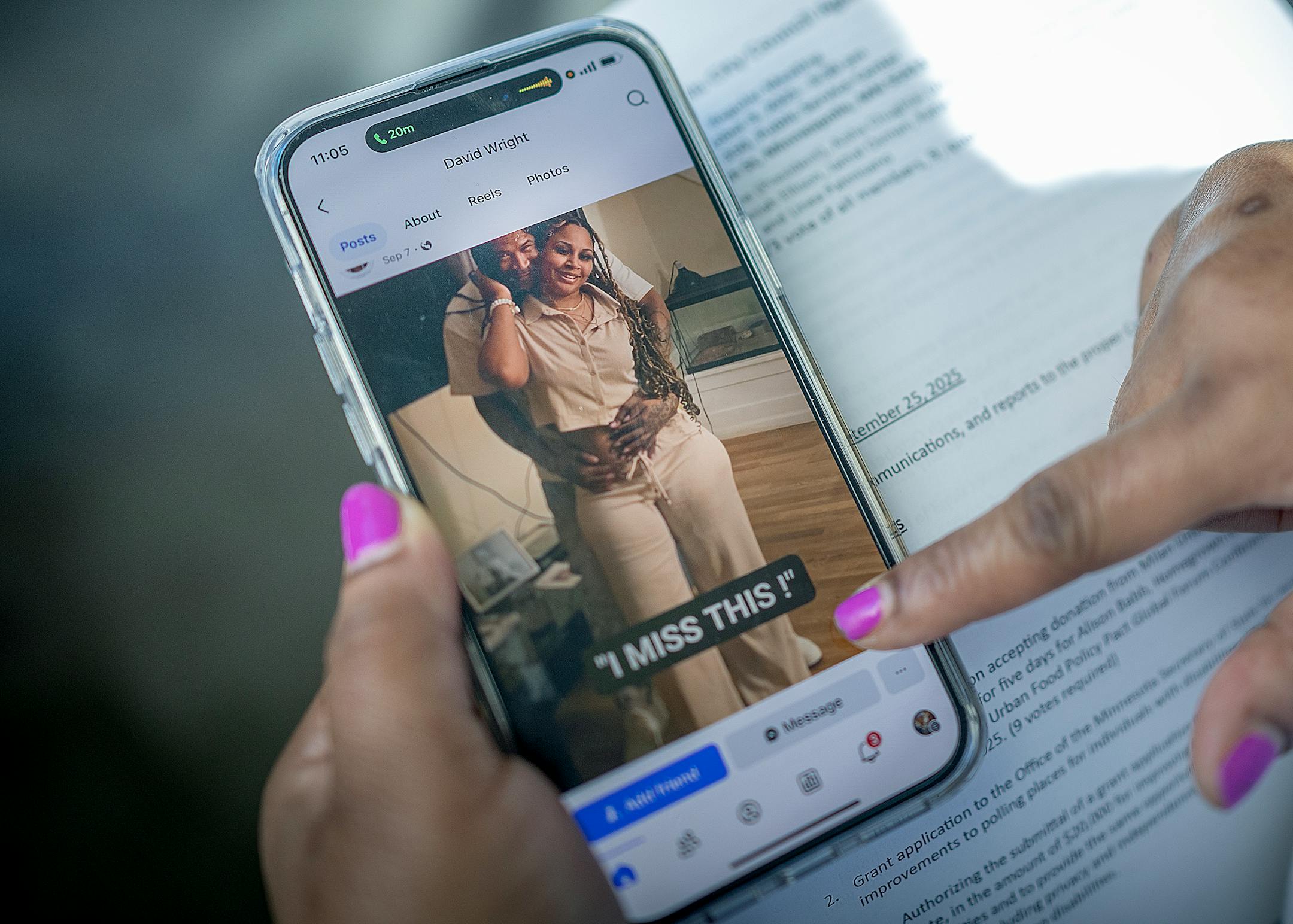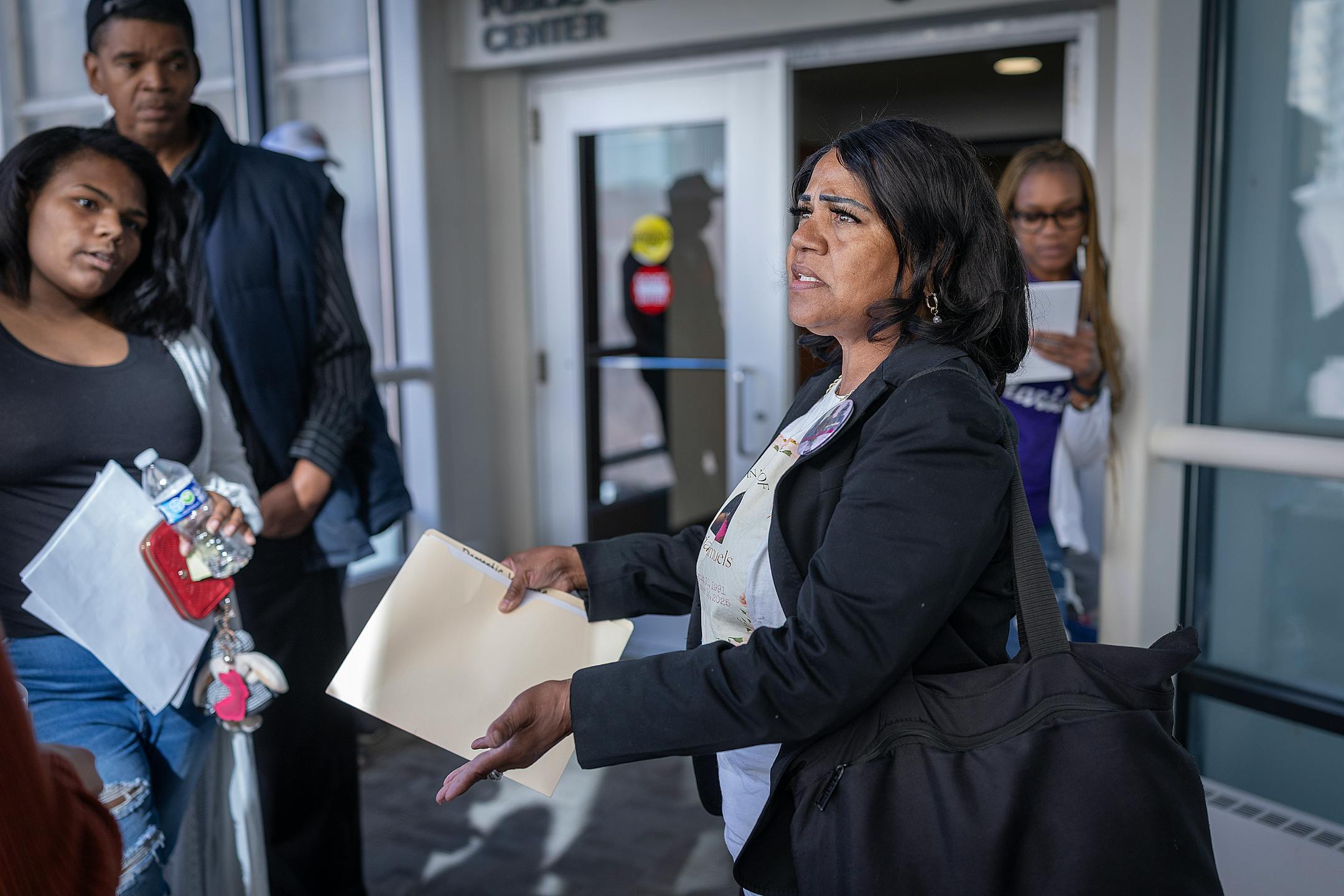
After seven months, Mariah Samuels wanted out. So she called her boyfriend, David Wright, to end the turbulent relationship.
That same night in August, Wright tracked Samuels to a north Minneapolis home where she was dropping off her 11-year-old son. When she stepped outside, Wright pistol-whipped her, threw her against a fence and grabbed her by the throat, she later alleged in a no-contact order. She called police, but he fled before they arrived.
Samuels did everything a domestic violence victim is supposed to do. She cooperated with the responding Minneapolis police officer, whose risk assessment revealed that Wright posed a serious threat to her safety. Her friend, who witnessed the attack over Facetime, gave a statement. A nearby surveillance camera captured video of the assault.
But an investigator was never assigned to the case.
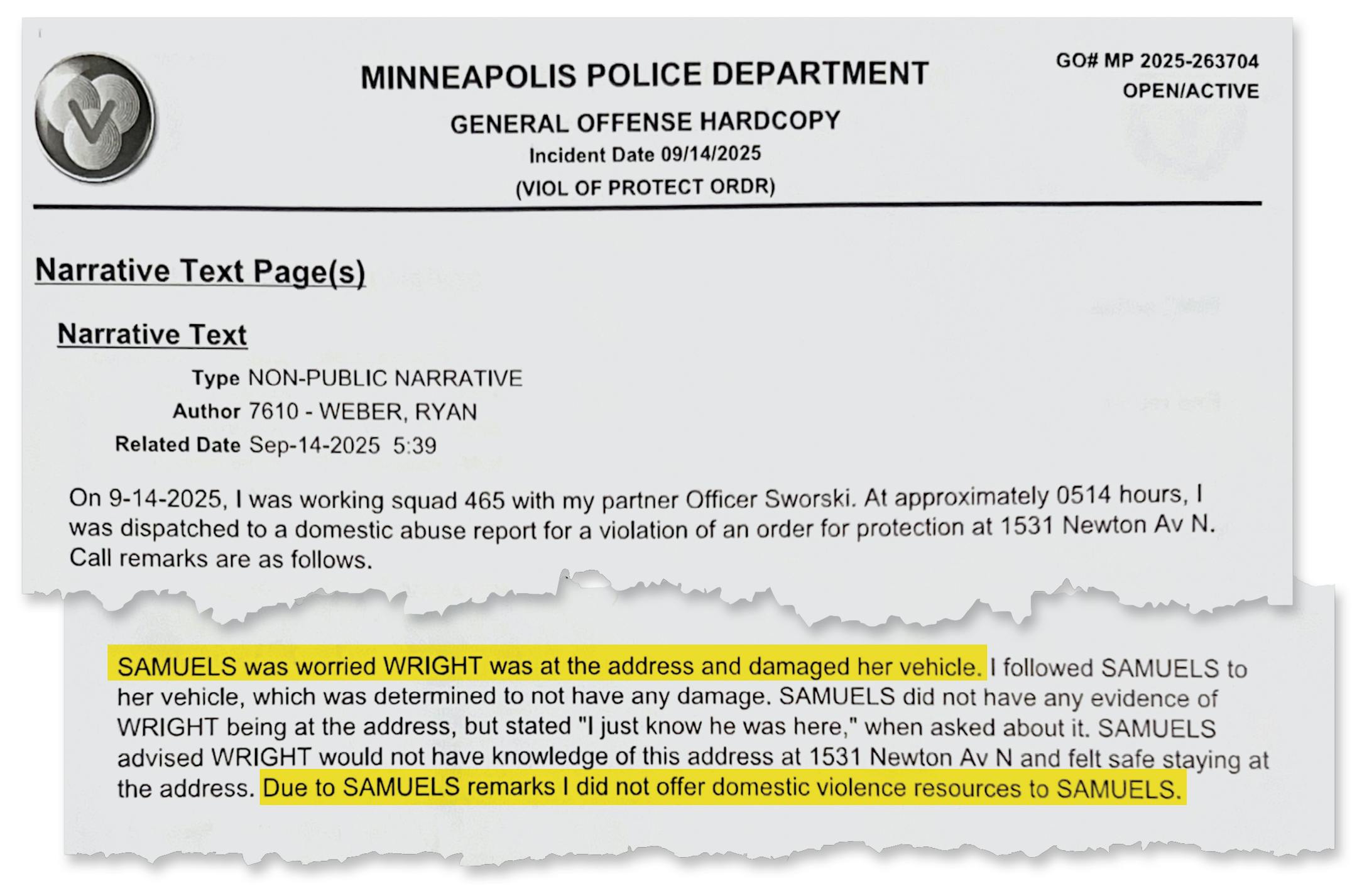
Three weeks later, Samuels was shot 10 times and killed outside her own home — just hours after calling 911 again to report that Wright had violated a restraining order. He now stands charged with her murder.
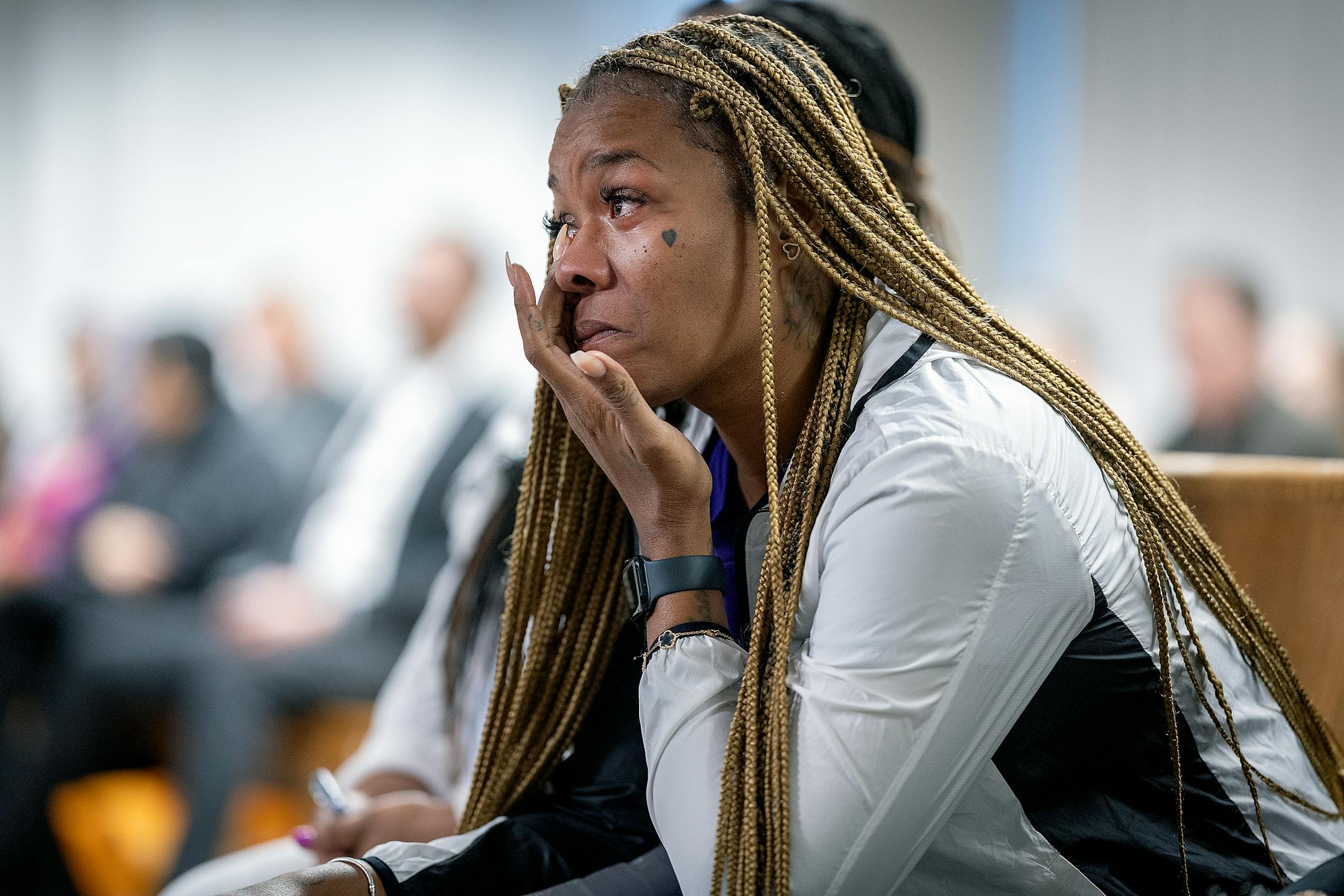
“She called the police because she was scared,” said her sister, Salina Owens. “They didn’t do their job. That’s just the bottom line.”
The case exposes longstanding gaps in the way Minneapolis police investigate domestic violence. A sizable backlog leaves domestic calls sitting, sometimes for weeks on end, without proper follow-up by the depleted agency.
In response to findings by the Minnesota Star Tribune, Chief Brian O’Hara has ordered a thorough review of the department’s handling of Samuels’ case and is directing every officer in the police force to be retrained on domestic violence protocols by the end of 2025.