The last bite: What comes first in Minnesota, more hemp growers or buyers?

Also, Land O’Lakes CEO Beth Ford sounds the alarm on farm income; cat food is on the rise for General Mills and other makers; and PBR takes a soup war side in this week’s food and ag roundup.

The Minnesota Star Tribune
August 22, 2025 at 12:01PM
Hemp grows in a field in 2022 near Waconia. (Alex Kormann/The Minnesota Star Tribune)

Welcome to “the last bite,” an end-of-week food and ag roundup from the Minnesota Star Tribune. Reach out to business reporter Brooks Johnson at brooks.johnson@startribune.com to share your news and non-intoxicating cannabis questions.

Minnesota hemp farmers might soon get a boost from an unexpected ally: Congress.

The U.S. Senate passed an ag spending bill by wide margins this month, which will deliver $1 million to the University of Minnesota if it passes the House. Half of that grant would support hemp research to develop markets for the crop.

“Minnesota can be a national leader in industrial hemp,” Sen. Amy Klobuchar said during a virtual news conference this week. “But it needs a reliable market.”

Hemp offers incredible benefits both for the land and as a finished product. It’s a nutritionally dense complete protein and sturdy, fast-growing fiber.

The trouble is, only a larger scale will bring down costs and improve consumer adoption. But to get that, buyers have to purchase all those fibers, hemp seeds and oil. To crack those markets, the price needs to be right. So comes the chicken or the egg.

“We need to be growing tens of thousands of acres to be able to make it a viable option,” said Charlie Levine, founder of Hemp Acres in Waconia.

Last year, Minnesota grew just 3,000 acres of hemp.

With national corn harvests increasing well beyond demand yet again this year and driving prices to unprofitable lows, the time might be ripe for Minnesota to boost hemp harvests — so long as buyers are there to take the crop.

Crookston farmer Craig LaPlante said hemp has been a great addition to his rotation.

“We need more diversity in our crop production histories, and we need that for soil health and for water and wind erosion,” he said. “Hemp has a very large root mass that can stabilize soils ... and it can give a lot of potential diversity to our income base.”

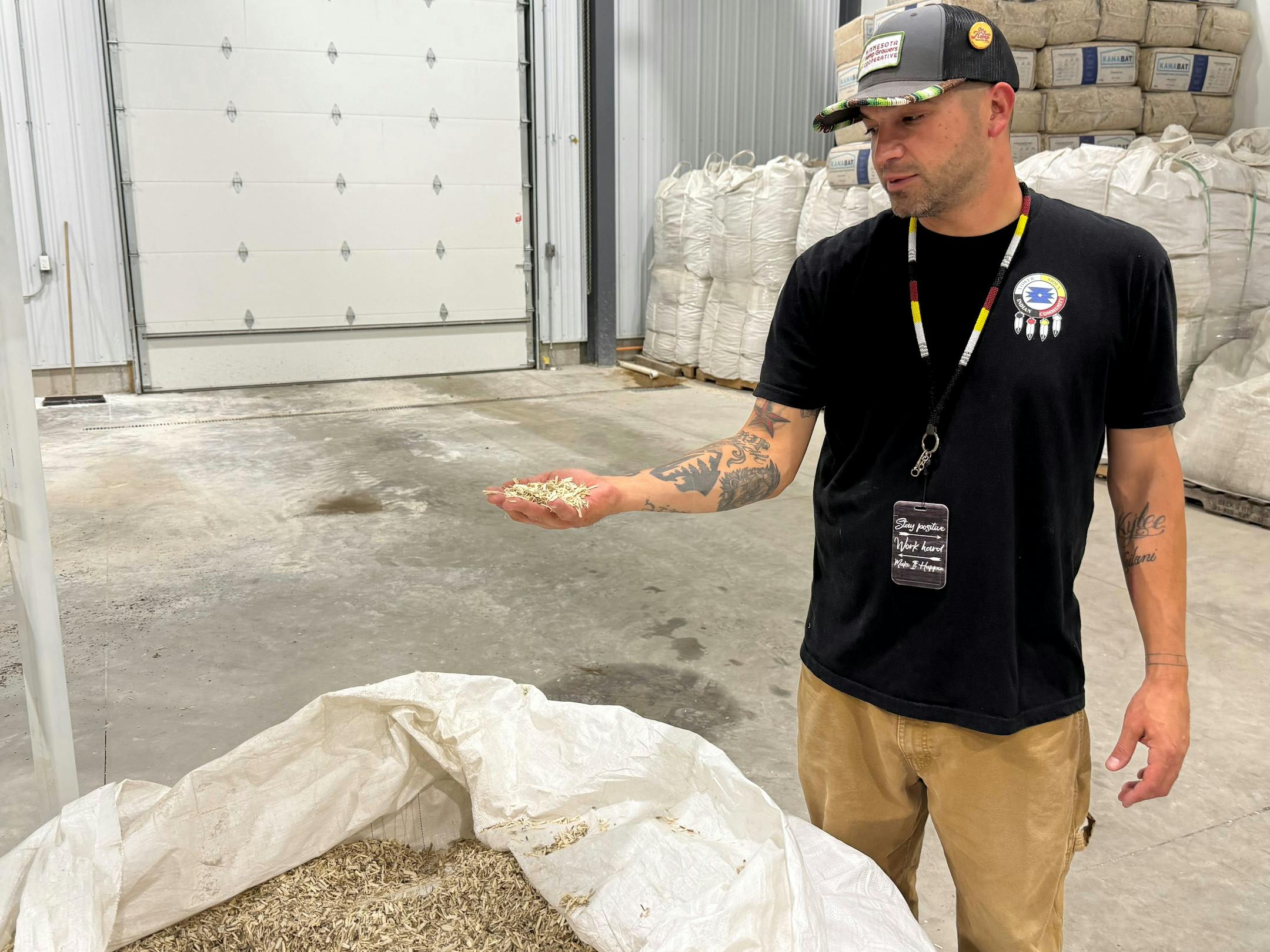
Danny Desjarlais, hempcrete construction manager at Lower Sioux Indian Community in southwest Minnesota, inspects hemp hurd in the tribe's processing plant. The woody byproduct of hemp plants can be mixed with lime and water into a strong insulation material called hempcrete. Minnesota regulators are considering putting hempcrete into the state's residential building code. (Evan Ramstad)

Data dish

When the pet food folks inside General Mills say “cat is where it’s at,” they really mean it.

Nielsen scanner data through the end of July showed the company’s cat food sales are up nearly 5% in the past year. Dog food sales, meanwhile, declined 9%.

Dog adoptions that boomed during the pandemic have slowed, and more cats have been coming home instead. Dog food brands now have to fight for the dollars of a slower-growing set of pet parents, which is showing up in the sales data. Among all major brands, only Freshpet grew sales through the past year.

No surprise, then, that Blue Buffalo is going all-in on fresh pet food. It plans to launch the line locally early this fall with a national rollout to follow into next year.

Commodity cookbook

Land O’Lakes CEO Beth Ford warned a “storm is gathering in American agriculture” in an op-ed published in Time magazine this week. This as the median farm income this year projects to not even breaking even.

“Think of that — a year of sweat and effort to lose $328," Ford wrote. “Most estimates indicate that less than 5% of farms will be profitable this year, for the third year in a row. In fact, nearly 90% of farm families need to rely on off-farm income to keep their operations viable and to feed their own families.”

The head of the Arden Hills-based cooperative wants to see farm-friendly trade policies, immigration reform and a long-overdue Farm Bill to right the ship in these stormy seas.

Tech taste

The food and beverage finalists for this year’s MN Cup startup competition include a digital farm workflow manager, FarmFlow. Leave it to Minnesota to deliver what Silicon Valley cannot.

Also vying for the big prize in October are livestock nutrition company PhytoCare and Somali tea company BlueHorn.

National nugget

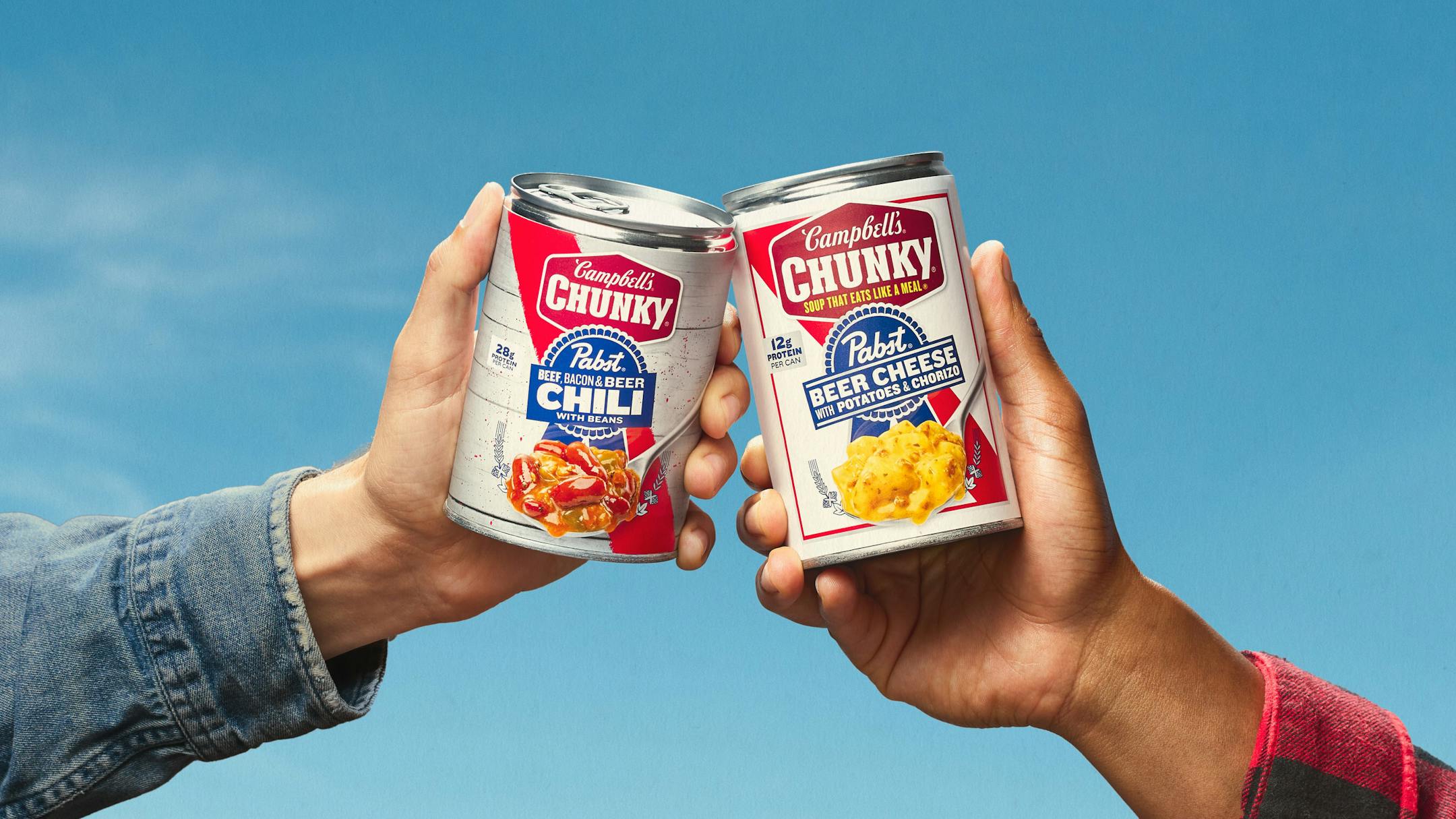
Progresso’s “soup drops” generated buzz for the General Mills-owned brand earlier this year. Now the company’s main rival has released its own look-at-me promotion: PBR-infused soup.

Pabst Blue Ribbon is lending its lager to a beer-cheese soup and chili under the Campbell’s Chunky brand, only available at Walmart.

A dive bar-inspired teamup from Campbell's launches this month; how will General Mills-owned Progresso respond? (Hand-out/Campbell's)

“Our fans love bold, unexpected taste experiences,” said senior brand manager Ryan Pawling in a news release. “Pairing Chunky’s hearty recipes with the iconic, malty flavor of PBR brings something totally unique to the soup aisle.”

The soup war, it simmers on.

about the writer

about the writer

Brooks Johnson

Business Reporter

Brooks Johnson is a business reporter covering Minnesota’s food industry, agribusinesses and 3M.

See Moreicon

More from Agriculture

See More
card image
card image