
The last bite: Minnesota garlic dip Toom is Inc. 5000’s fastest-growing food biz

Also, the ag trade deficit intensifies, Cargill wants fresh meat, Milky Way maker Mars looks to gene-editing and milk is milk in this weekly food and ag roundup.

The Minnesota Star Tribune
August 15, 2025 at 11:00AM
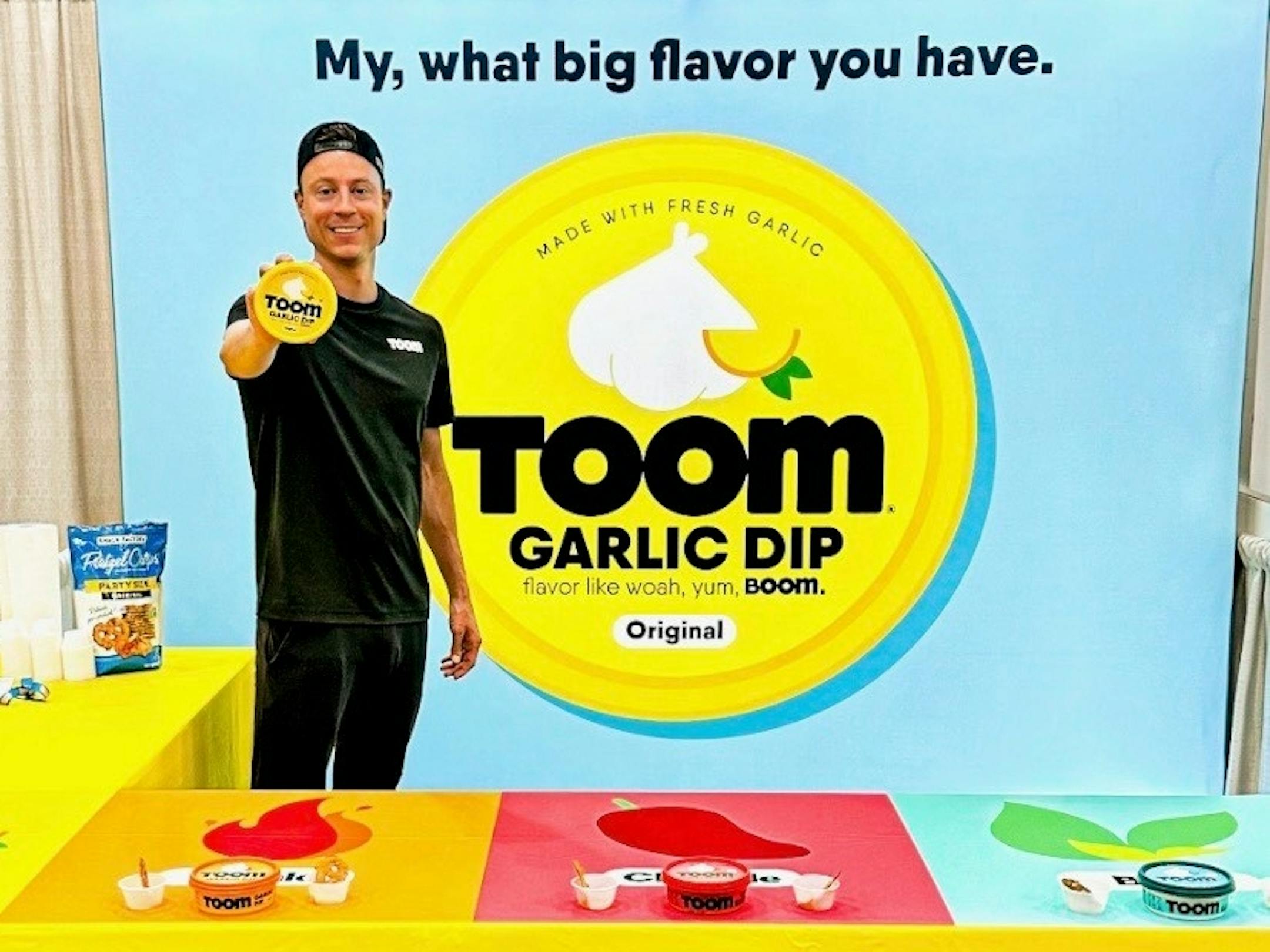
Matt Joyce, founder of Toom garlic dip, at a trade show last year. The company ranked as the nation's fastest-growing food brand in the Inc. 5000 this year. (Toom)

Welcome to “the last bite,” an end-of-week food and ag roundup from the Minnesota Star Tribune. Reach out to business reporter Brooks Johnson at brooks.johnson@startribune.com to share your news and favorite dips.

The fastest-growing food brand in the U.S. is Toom, a Minnesota-made garlic dip.

That’s according to the Inc. 5000 list out this week which ranks the country’s fastest-growing private companies.

Toom — on shelves at Target, Costco, Whole Foods and Cub locally — is also Minnesota’s top performer in all categories, including health care, manufacturing, AI, you name it. Toom came in 38th overall and had a whopping three-year growth rate of more than 6,000%.

Target alum Matt Joyce founded the brand in 2011, and it’s been a bumpy road to achieving this latest recognition.

“The first decade was essentially R&D to commercialize a category that’s never been commercialized before,” Joyce said. “We just went nationwide with Target a few weeks ago.”

The punchy garlic dip, inspired by the Lebanese sauce toum, is also at major regional grocery chains like Wegmans and Publix.

“We’ve been flying under the radar, kind of intentionally, for 14 years, and now we have wings, and we’re about to flip that switch,” Joyce said.

Other Minnesota food companies making the Inc. 5000 list include cereal maker Seven Sundays; Minneapolis Cider Co.; juicer So Good So You; and meatball maker Simek’s.

Data dive

The latest U.S. Department of Agriculture trade data is in, and the deficit is deepening toward a record.

Through the first six months of the year, the U.S. has imported $28 billion more grains, fruits, meat and other foods than it has exported. Compare that to an $18 billion trade deficit through the first six months of 2024.

Notably, exports fell just $2 billion. Increased imports have driven most of the growing deficit. Tariffs might close the gap some, but countertariffs on American exports while countries look elsewhere for corn and soy could offset any decrease in imports. It’s a buyer’s market out there for grains.

Commodity cookbook

Cargill’s annual report released this week teased the massive meat company’s efforts to fight food waste, including the use of antioxidants that slow fresh beef’s natural decay from red to gray.

“It helps meat keep its red color and fresh flavor safely for up to five additional days, keeping quality meat on store shelves and family tables longer,” the Minnetonka-based agribusiness said in the report.

The Cargill Natural Flavors addition saved 1.5 million pounds of ground beef as of May, the company estimated.

Tech taste

With global cocoa prices still four times their prepandemic average, candy maker Mars is turning to a cutting-edge and controversial solution.

CRISPR gene-editing technology can make cacao plants more resilient (and presumably less expensive). But its potential use with human DNA comes with big bioethical concerns, including eugenics.

“Our focus is to transparently and responsibly conduct CRISPR research in plant science that helps crops better adapt to climate challenges, disease pressures and resource constraints,” said Carl Jones, plant sciences director at Mars, in a news release.

The company behind Snickers, Twix and Milky Way, created in Minneapolis just more than a century ago, said the CRISPR technology “has the potential to improve crops in ways that support and strengthen global supply chains.”

Mars, which also owns gum brands such as Orbit, is also working with researchers on gene editing for mint. Its website says the $50 billion company does not “conduct any research relating to the application of CRISPR in humans or animals.”

National nugget

The dairy industry is back in the trenches, fighting for sole ownership of the term “milk.” The aim is aisles full of “oat beverage” and “almond drink” products that will end the decadeslong decline in cow milk consumption in the U.S.

Wisconsin Democratic Sen. Tammy Baldwin re-introduced the Dairy PRIDE Act last month and issued a news release half-filled with industry quotes. Like this one from Steve Etka, policy director at Midwest Dairy Coalition, who said the bill “will help ensure that products labeled as milk are indeed dairy products. Consumers and dairy farmers alike will be the beneficiaries of this effort.”

Overall, dairy consumption has risen in the U.S. year-over-year as Americans buy more cheese and, recently, butter. Fluid milk consumption dropped to its lowest per-capita record in 2023, the most recent year of data available. The decline has been ongoing for 50 years, as tastes and habits change.

about the writer

about the writer

Brooks Johnson

Business Reporter

Brooks Johnson is a business reporter covering Minnesota’s food industry, agribusinesses and 3M.

See Moreicon

More from Agriculture

See More
The Abbey Church is a landmark on the St. John's University campus located in Collegeville.
The Minnesota Star Tribune

Local nonfiction: “Greater Minnesota” travelogue details a home-grown returnee’s conversion.

card image
card image