
Twin Cities-area co-ops propose merger, as tight wallets, higher costs hit groceries

Mississippi Market in St. Paul and River Market in Stillwater have a plan to make the businesses more resilient by joining forces.

The Minnesota Star Tribune
August 12, 2025 at 7:30PM
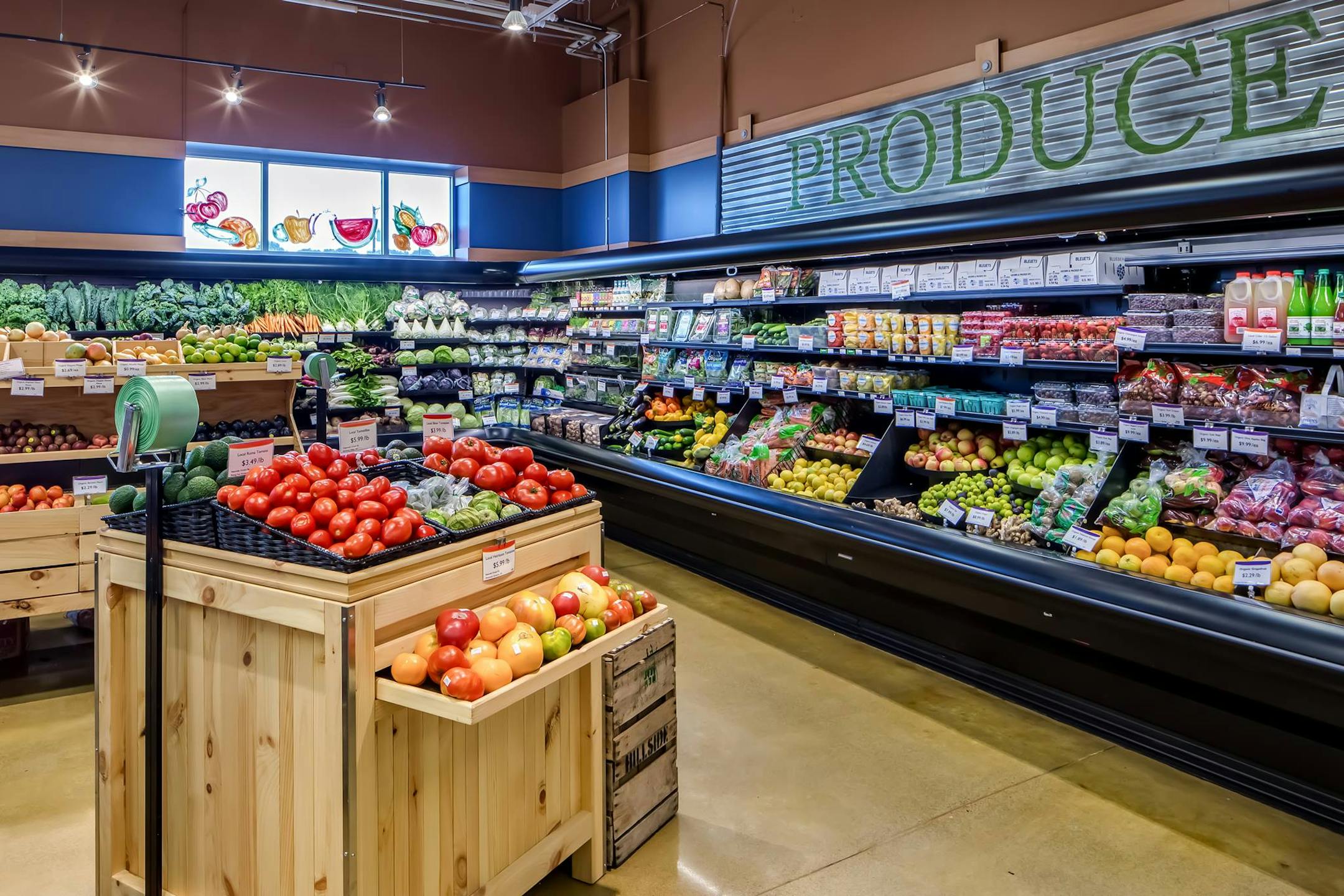
River Market Community Co-op in Stillwater, shown, hopes to merge with Mississippi Market cooperative in St. Paul. (Provided by River Market Community Co-op)

At a time when grocery competition is fierce and tight customer budgets are hitting retailers of all sizes, two Twin Cities grocery cooperatives hope to merge.

The boards of River Market Community Co-op in Stillwater and Mississippi Market Co-op in St. Paul unveiled the proposal Tuesday, with members set to vote in September.

The boards cite the potential for expanded access to food suppliers and increased support for local farmers.

The merger proposal comes as the grocery industry nationally is facing consolidation. For example, S&R Quisberg this summer sold its three stores in northern Minnesota to the Miner’s chain.

Co-op leaders expect shared scale to help stabilize prices and inventory, expand local product offerings and allow greater investment in employees and programming.

“A vote yes is a vote for a more resilient food system,” said Sara Morrison, general manager of River Market.

Roughly 25,000 members — shareholders who purchase a stake in the cooperative typically via a one-time fee — are eligible to vote on the proposal.

“Sara and I have a shared vision of how we can be stronger together and how that would make better stores, better communities, better staff experience and better pricing in some cases,” said Catherine Downey, CEO of Mississippi Market. “That shared vision really propelled us to keep thinking about what that could look like.”

Catherine Downey, chief executive officer of Mississippi Market Co-op, and Sara Morrison, general manager of River Market Community Co-op. The two leaders are spearheading an effort to merge the two cooperatives. (Grace Lehne)

Co-ops date back to 1970s

The two grocers operate four similarly sized stores. That shared size will allow for a shared understanding of business needs, Morrison said.

A similar merger of two Minneapolis co-ops proposed in 2016 received 80% approval from members. What was then known as the Wedge and Linden Hills co-ops now operate under the brand Wedge Community Co-ops.

Mississippi Market and River Market date back five decades, when Minnesota led the way in creating the cooperative food store model.

Minnesota still has more cooperatives than any other state, according to National Co+op Grocers, a business services cooperative based in St. Paul.

And while the Twin Cities at its peak had more than 30 co-ops operating, it still has 10, representing 2.2% of market share, the national group said. The decline is largely due to consolidation and also the growth of local chains, including Lunds & Byerlys, Kowalski’s and Cub.

If approved, River Market and Mississippi Market would join under a parent organization, but independent store names and identities would remain. Downey called it “a rare opportunity to increase our impact while honoring what makes each co-op special.”

“The economics of being small independent retailers is greatly improved when you increase your purchasing power. That allows for resources to be freed up for more of the work that defines the independent grocery cooperative,” Downey and Morrison said in a joint statement.

Mississippi Market in St. Paul has made changes since the COVID-19 pandemic, including requiring masks, marking the floor with social distance guides and installing plexiglass at the checkout counters. ] Shari L. Gross • shari.gross@startribune.com Supermarket business has boomed since the virus started and consumers are still buying because of the stay at home order. Are co-ops like Mississippi Market in St. Paul experiencing the same situation? With many of their suppliers being small companie
Mississippi Market and River Market coops are hoping to merge. Their leaders say it will allow the two to make better deals with food suppliers, including local farmers. (Shari L. Gross/The Minnesota Star Tribune)

Food economics affecting decision

The diversity of food co-op members in the Twin Cities has grown in the past few years, allowing them to ring more sales, the National Co+op Grocers said. Same-store sales growth was 7.3% year over year in June.

Grocery prices have continued to tick up locally and nationally. Beef prices are at a high because of drought and high feed costs. Consumer product makers like Procter & Gamble have warned that prices will go up because of tariffs and other reasons.

Both co-ops say the merger would allow them to continue their commitment to local farmers — and they hope to buy more from them. They also pledge that the merger would not result in layoffs.

Talks between Mississippi Market and River Market began in late 2024, with the boards holding their first joint meeting in December. After months of review, both boards unanimously approved the proposal Aug. 4.

A formal business plan won’t be established unless the proposal is approved. The boards and leadership teams would meet after the election to discuss next steps, guided by a “shared mission, community values and member input.”

Member voting will take place online Sept. 12 through Oct. 8 as part of each co-op’s annual election.

about the writer

about the writer

Carson Hartzog

Retail reporter

Carson Hartzog is a business reporter covering Target, Best Buy and the various malls.

See Moreicon

More from Retail

See More
card image
Evan Ramstad/The Minnesota Star Tribune

The small retailer wants to shed the expenses of being traded on the Nasdaq exchange because officials feel the company hasn’t been able to capitalize on being a publicly traded firm.

card image
card image