Minnesota soda company made its name with cane sugar. It now faces competition from industry titans.

Coke and Pepsi, under pressure from MAHA movement, are adding cane sugar alternatives, but Northern Soda is optimistic about its prospects.

The Minnesota Star Tribune
August 6, 2025 at 11:44AM
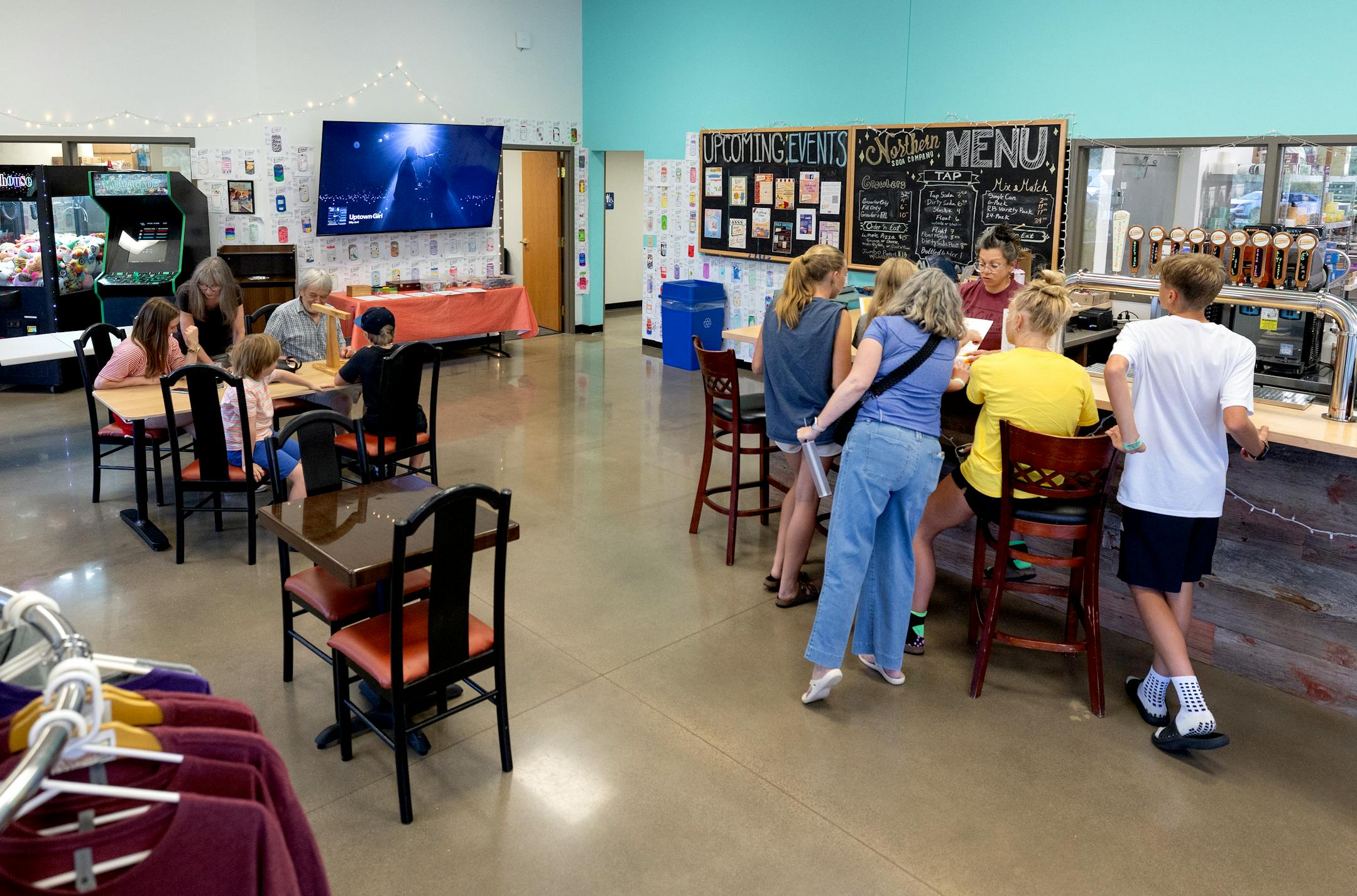
Dirty and specialty sodas are on the menu at Northern Soda's taproom in New Brighton. (Carlos Gonzalez/The Minnesota Star Tribune)

Local Minnesota drink maker Northern Soda Co. carved out its corner of the market by being different, but it’s now facing competition from industry giants fueled by changes in Washington.

Coca-Cola and Pepsi are both introducing products made with cane sugar in response to the health-related MAHA movement led by Secretary of Health and Human Services Robert F. Kennedy Jr.

It’s the latest external factor disrupting Northern Soda’s business. It’s also navigating the high cost of aluminum caused by tariffs.

Co-founder Davod Zarghami is optimistic, though, that the widespread attention presents an opportunity to highlight Northern Soda’s value proposition, which emphasizes small-batch lines and also includes dirty sodas.

“From our little neck, it is interesting to see the dynamic,” Zarghami said. “I’m curious about what they’re going to do, but part of that is flattering ourselves, too, because we don’t have to get too caught up in what Coca-Cola is doing.”

Northern Soda is a small, regional player in the beverage industry, one that was built on 1950s-style recipes, emphasizing lower carbonation, more flavor and no high fructose corn syrup. The big players, meanwhile, aren’t necessarily targeting the same customer base.
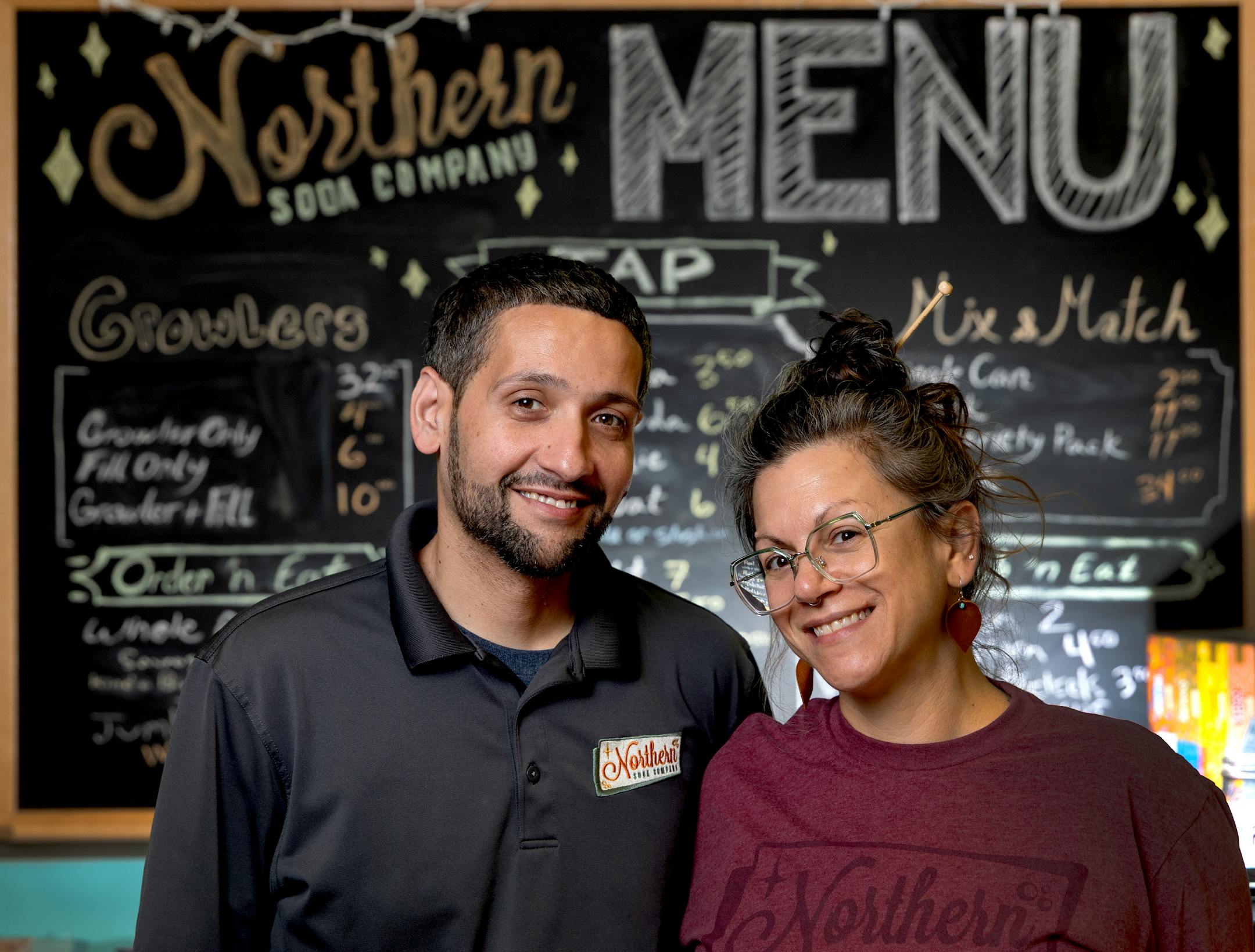
Davod and Tanya Zarghami are optimistic Northern Soda Co. can compete, even with Coke and Pepsi introducing cane sugar versions of their cola in the U.S. (Carlos Gonzalez/The Minnesota Star Tribune)

Northern Soda’s costs increasing

The downside of Coke and Pepsi’s gamble, besides the competition, may be the availability of cane sugar. It only makes up about 30% of American sugar supplies, according to the U.S. Department of Agriculture.

The rest is fueled by sugar beets, which Minnesota farmers grow in abundance.
Cane sugar is “significantly more expensive” than high fructose corn syrup because of U.S. corn subsidies and import tariffs, according to Amanda Lai, director of food industry practice at McMillanDoolittle.

Northern Soda is also dealing with the rising cost of aluminum, mainly because of tariffs imposed by Trump. About 95% of the soda maker’s business relies on can sales, and buying in bulk isn’t feasible for the operation, Zarghami said.

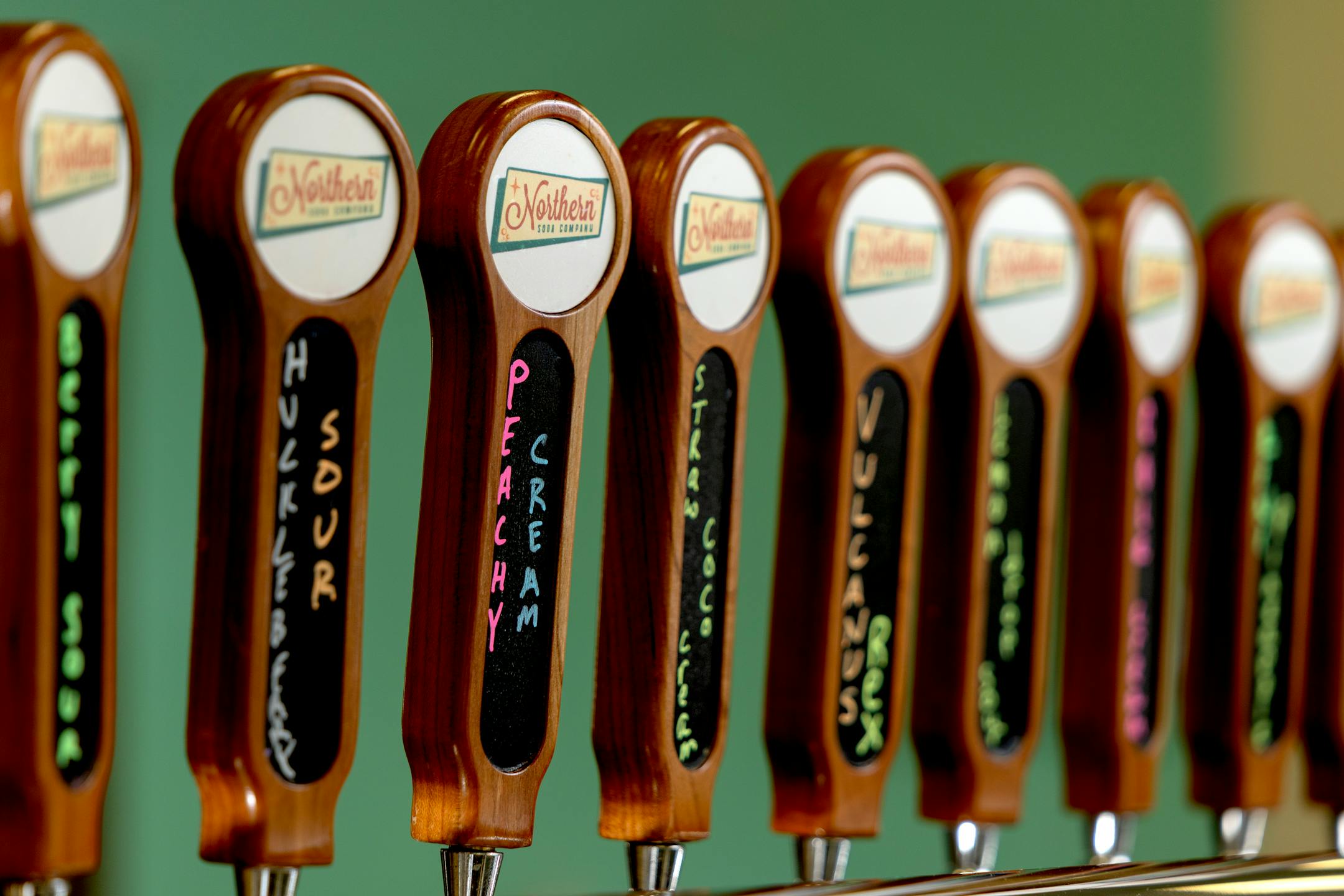
Taps of soda at Northern Soda Company taproom in New Brighton on Thursday. (Carlos Gonzalez/The Minnesota Star Tribune)

And there’s also some fear tariffs could trigger supply disruptions reminiscent of the shortages seen during the pandemic.

“Through COVID, there was a big can crunch to the point where even if you were willing and wanting to get ripped off, you just couldn’t find cans,” Zarghami said.

Some of the company’s suppliers have said to prepare for COVID pricing, hiking Northern Soda’s cost to distributors. That increase filters to the shelf, making it a harder ask on consumers to pay $10.99 for a four-pack, he said.

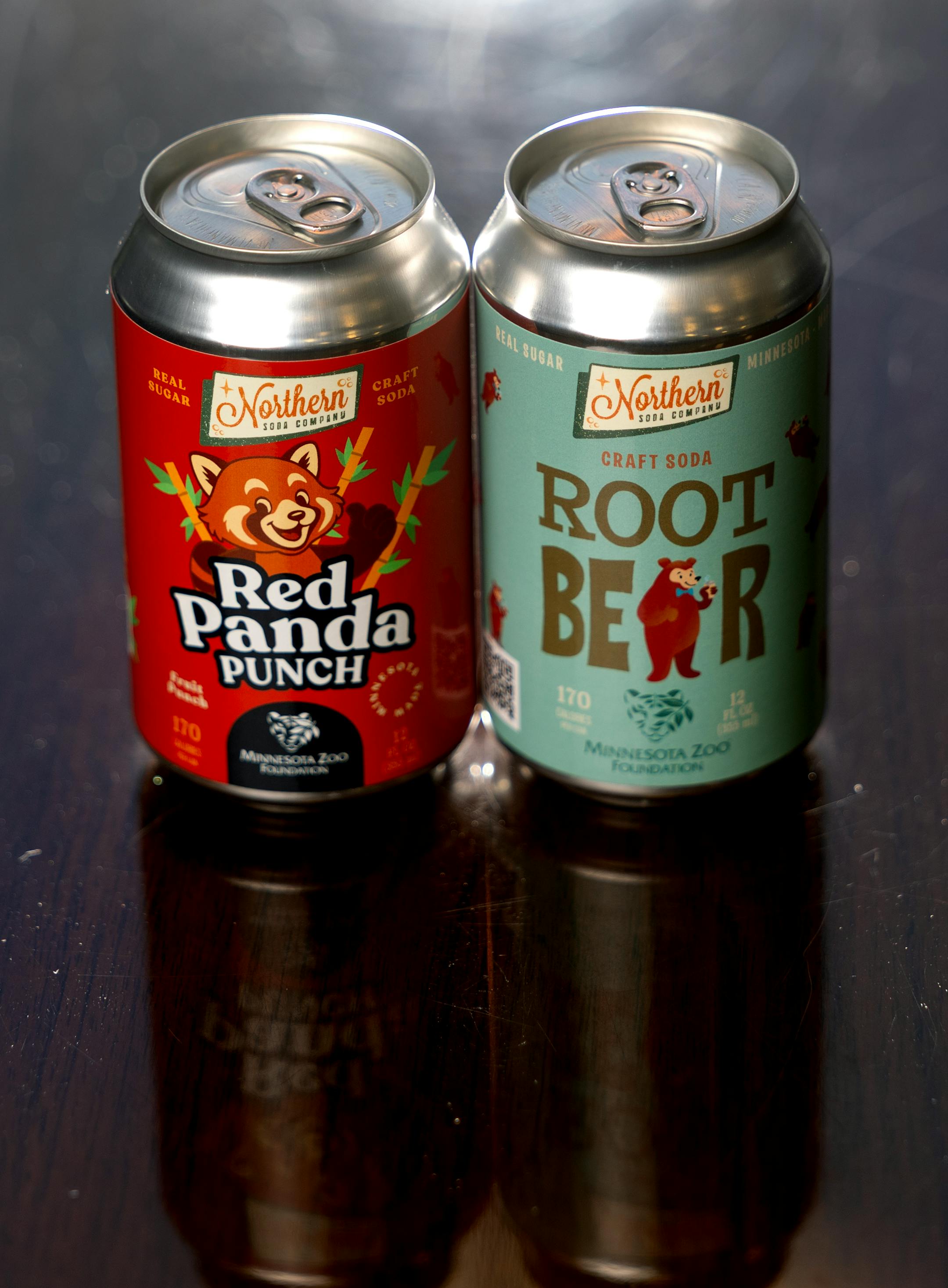
Red Panda Punch and Root Bear varieties of Northern Soda, made in a partnership with the Minnesota Zoo, also are available at the company's taproom in New Brighton. (Carlos Gonzalez/The Minnesota Star Tribune)

Growth in ‘functional’ and dirty sodas

As cheaper alternatives emerge, Northern Soda will need to convince consumers that its higher price tag is worth it.

But its dirty soda offerings — fizzy concoctions commonly made with cream and flavored syrups — come at a time when such products are trending, in a niche neither Coca-Cola nor Pepsi has entered.

The popularity may be connected to declining alcohol consumption among younger demographics, Lai said.

“There’s higher consumer expectations for beverages to offer more benefits beyond just flavor or caffeine,” Lai said. “We’re seeing a lot of innovation, not just from major players but across the board to meet the needs of consumers.”

Northern Soda is in the final stages of a partnership with Levy Restaurants, which operates food services at Target Center in Minneapolis.

The collaboration would bring Northern Soda’s dirty sodas to events at the venue, Zarghami said. The drinks were available for the first time Monday at Target Center.

The company now offers more than 30 canned flavors and 10 rotating taproom exclusives.

“Our immediate growth plan is to become the premier brand for the state of Minnesota,” Zarghami said. “What’s cool for us is we’re starting to notice people are putting us on their list when coming to the Twin Cities.”

A “Red Panda Punch” and “Root Bear” with custom labels can also be found at the Minnesota Zoo. Other collaborations include local drive-in theaters, the St. Paul Winter Carnival and 30 military bases across the country.

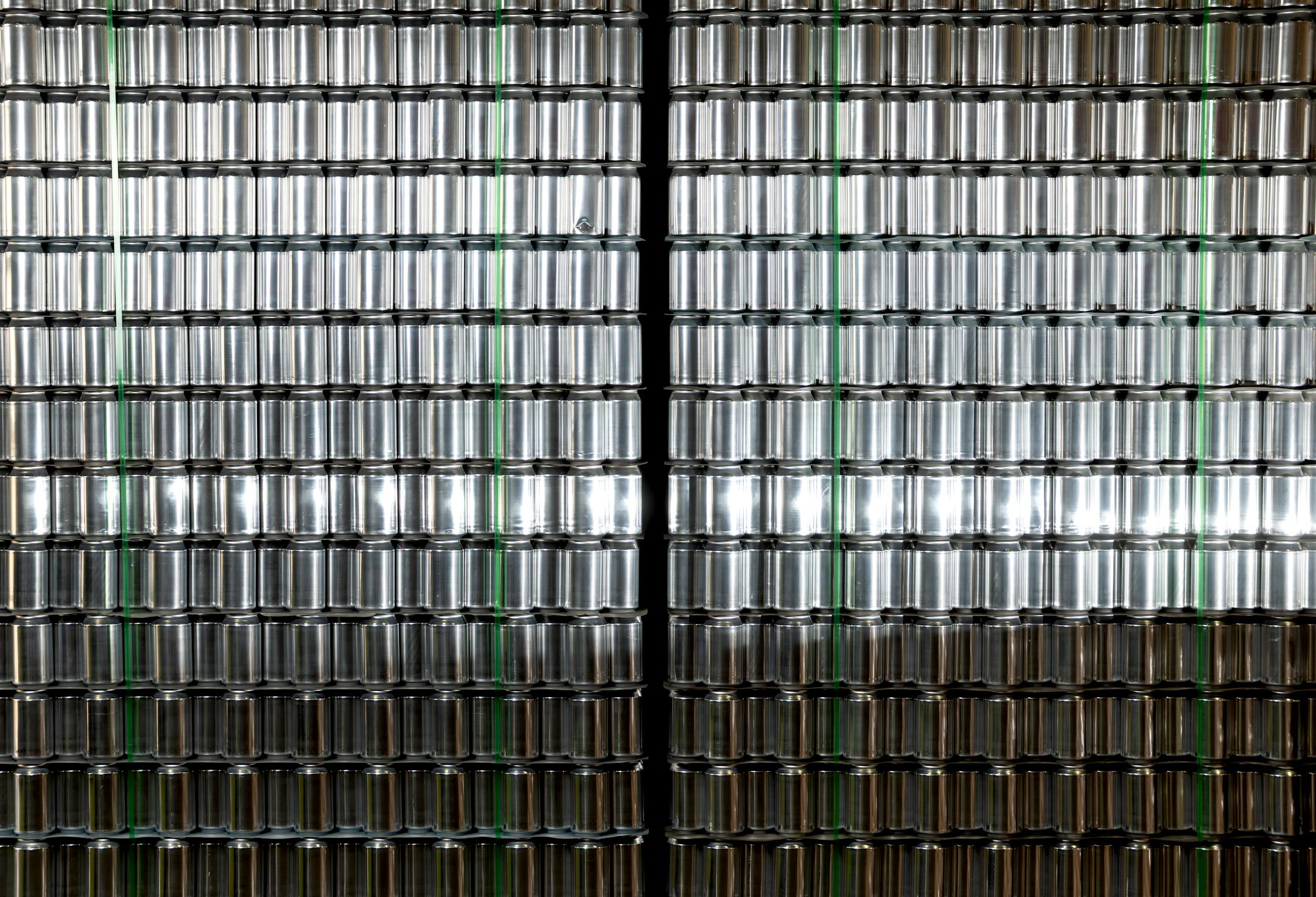
Empty cans waiting to be filled and labeled at Northern Soda Co.'s warehouse in New Brighton. (Carlos Gonzalez/The Minnesota Star Tribune)

Taproom business growing

Northern Soda’s warehouse is stacked floor to ceiling with pallets of raw materials — from silver cans ready for labeling to Cargill-branded brown sacks of Louisiana cane sugar — and holds a small production line filling sodas three at a time.

The company has been in its current space for a year and a half. The new building allowed them to open a taproom, fostering a direct connection between the consumer and back-of-the-house operations.

On a recent Friday evening, kids were at the bar, sampling options from shot glasses. One girl ordered a butter beer and let Tanya Zarghami, the taproom manager, know she will “be back.”

Both Tanya and Davod Zarghami come from education backgrounds and say community engagement remains central to their business model.

Still, adapting to broader consumer preferences, even in language, is part of the job.

“I’m like a politician at this point,” Davod Zarghami said. “I say soda-pop.”

about the writer

about the writer

Carson Hartzog

Retail reporter

Carson Hartzog is a business reporter covering Target, Best Buy and the various malls.

See Moreicon

More from Retail

See More
card image
Evan Ramstad/The Minnesota Star Tribune

The small retailer wants to shed the expenses of being traded on the Nasdaq exchange because officials feel the company hasn’t been able to capitalize on being a publicly traded firm.

card image
card image