The last bite: General Mills’ head marketer departs for Wawa

Also, the USDA’s latest food inflation predictions, Organic Valley introduces an oat-based beverage and a bird flu whodunit in this week’s food and ag roundup.

The Minnesota Star Tribune
September 26, 2025 at 11:01AM
In a statement, General Mills thanked Doug Martin for his nearly 20-year tenure at the company and wished him “great success in his future endeavors.” (Elizabeth Flores/The Minnesota Star Tribune)

Welcome to “the last bite,” an end-of-week food and ag roundup from the Minnesota Star Tribune. Reach out to business reporter Brooks Johnson at brooks.johnson@startribune.com to share your news and favorite gas station food.

General Mills will be without a chief marketing officer for a time, as Doug Martin has taken the same position at a different food-ish company.

Martin is now heading up the marketing department at Wawa, a gas station chain that is pretty much the Kwik Trip of the East Coast, with a similar cult-like following thanks to its counter-serve food.

In a statement, General Mills thanked Martin for his nearly 20-year tenure at the company and wished him “great success in his future endeavors.” The food company doesn’t have an heir apparent to announce just yet.

“We have a strong brand experience leadership team in place, and they are well positioned and committed to driving growth for General Mills,” the company said in a statement.

Martin no doubt spent plenty of time at Wawa while a student at the University of Pennsylvania’s Wharton School in Philadelphia, which is not far from the convenience store chain’s corporate headquarters.

General Mills employees have said Martin was an affable leader folks wanted to have in their meetings. Now Wawa’s corporate leaders can enjoy that same perk.

Data dish

The U.S. Department of Agriculture is predicting grocery prices will rise 2.4% next year, with meats and sweets leading the increases.

Those predictions, released Thursday, also posited restaurant prices might be up 3.3% in 2026 after an expected 3.9% increase this year.

While grocery inflation is set to come in below the 20-year average both this year and next, that’s little relief for shoppers: That inflation is on top of those heavy years of price increases during and after the pandemic.

Diners are also stuck with higher tabs as inflation remains above the long-term average.

If you’re experiencing sticker shock on your favorite foods, or if inflation in general has changed the way you shop for groceries or dine out, reach out at brooks.johnson@startribune.com and share your pain for an upcoming story.

Commodity catchup

Bird flu has been especially devastating inside highly concentrated poultry operations, which here in turkey country are pretty common.

After the virus re-emerged in Redwood County earlier this month, three more farms have reported outbreaks affecting an additional 55,000 turkeys.

So how does the virus actually get in those densely packed barns?

“I have not seen a very compelling explanation for how this thing is moving between farms,” Jennifer Nuzzo, an epidemiologist and director of Brown University’s Pandemic Center, said in a recent report from the Land Stewardship Project. “We just don’t know. And not knowing makes it hard to stay ahead of the virus, and it also makes it hard to protect the workers.”

But once it does find a way in, the tight quarters of the typical commercial turkey operation make it a breeding ground for the virus, H5N1.

The Minnesota-based Land Stewardship Project argued the system needs to change to hop off the “costly treadmill” of avian influenza.

“Farmers throughout Minnesota and the Midwest have shown they can raise poultry in regenerative systems that don’t serve as vectors for deadly forms of avian flu,” said Doug Nopar, a Winona County farmer and member of the organization’s bird flu steering committee.

National nugget

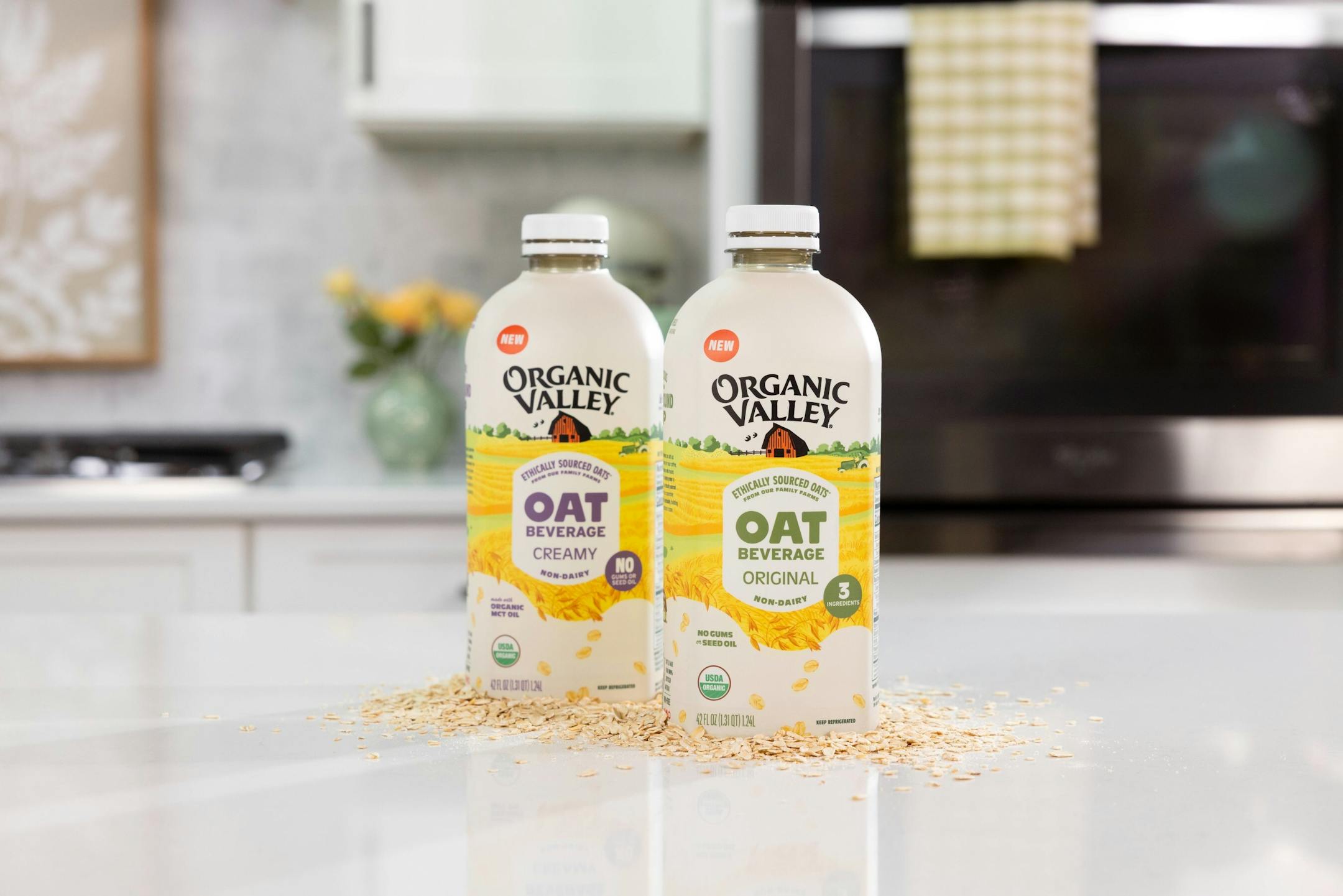
Organic Valley, the Wisconsin-based organic dairy cooperative, has introduced a line of oat beverages available at Whole Foods and other retailers in the coming months.

Organic Valley has introduced oat-based beverages to capture the growing plant-based milk market and benefit its owners. (Organic Valley)

Now hold on, doesn’t the dairy industry blame plant-based beverages (they don’t call them milks) for a decades-long decline in milk drinking?

Yes, but if there’s profit to make on oat milk, then that money can go back to Organic Valley’s owners, which include hundreds of dairy farms in Minnesota.

“With every new product, we stay true to our purpose: to operate a co-operative that produces delicious, organic products that promote farm diversity and economic stability,” said Laurie Drake, vice president of marketing at Organic Valley, in a news release.

The new oat milks (sorry) join a line of oat-based creamers Organic Valley introduced earlier this year. That specific segment of plant-based beverages has exploded in recent years, though that growth slowed in 2024, according to the Good Food Institute.

The basic oat beverage contains just three ingredients (oats, water and salt) while the creamier one comes with MCT oil, a trendy and functional coconut-based source of fat.

“From our research, we know that many of our consumers are reaching for both dairy and plant-based beverages and looking for options that are free from gums and seed oils,” Drake said.

about the writer

about the writer

Brooks Johnson

Business Reporter

Brooks Johnson is a business reporter covering Minnesota’s food industry, agribusinesses and 3M.

See Moreicon

More from Agriculture

See More
card image
card image