As Minnesota bioeconomy matures, former Cargill exec now leads a pioneer

Amyris, which genetically modifies yeast to create specific molecules, is a window into the fast-growing world of precision fermentation.

The Minnesota Star Tribune
January 5, 2026 at 12:00PM
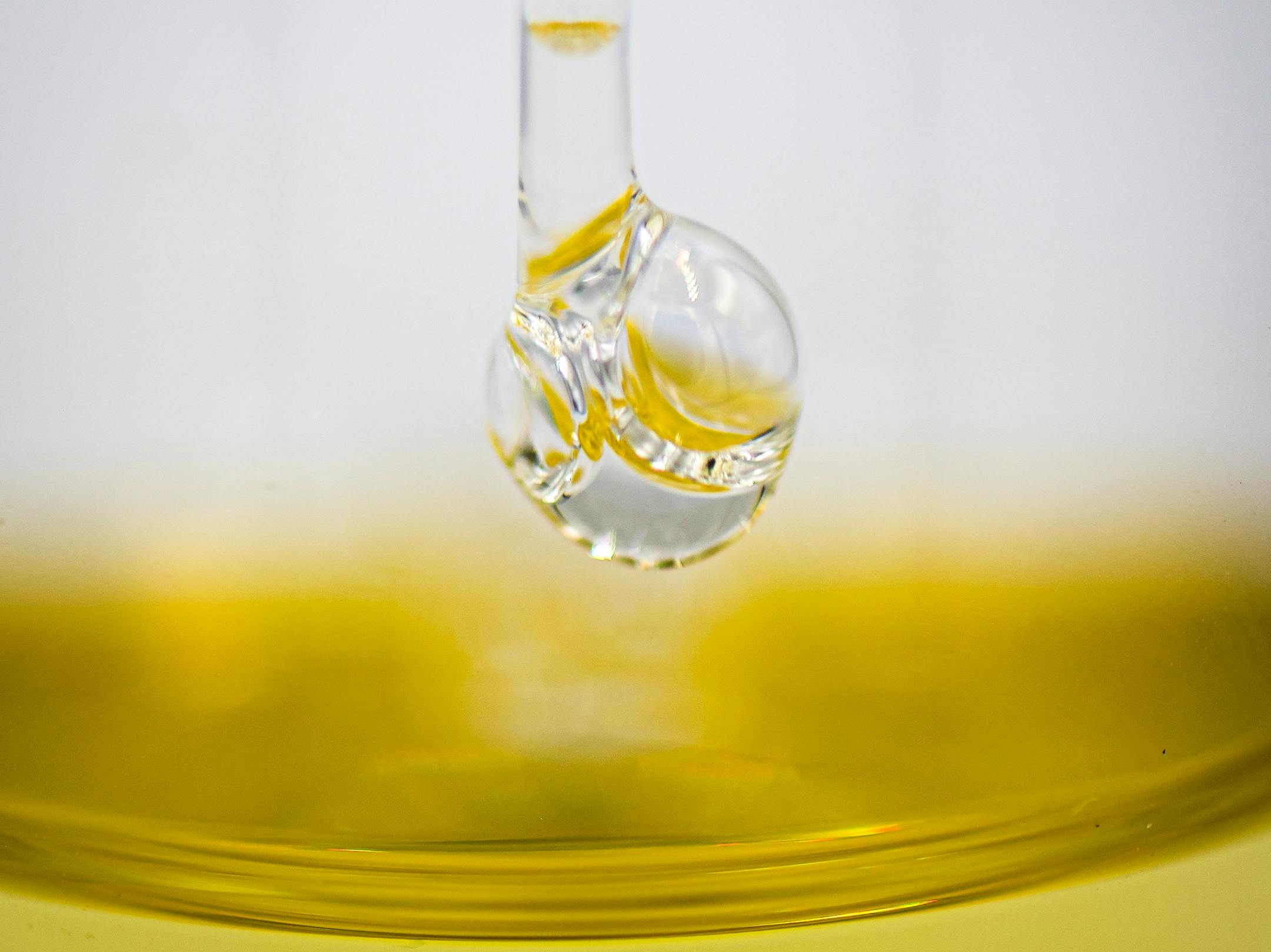
Biotech company Amyris is making farnesene, pictured here, from yeast fermentation. It's used in beauty, nutrition, fragrance and more. (Amyris)

Fermentation has played a crucial role in humanity’s evolution — beer, yes, but also bread, cheese and a host of other foods and medicines.

Precision fermentation is the next stage.

Rather than turning sugar into alcohol, companies like Amyris — a California-based biotech company with a former Cargill exec at the helm — can produce molecules typically derived from petroleum, animals or endangered plants by editing yeast genes.

While this “synthetic biology” approach has been around for decades, especially in drugs and cosmetics, it is just now reaching a critical mass thanks to consumer demand for sustainably sourced products and advanced technology opening new frontiers.

The bioeconomy is coming to life, with Minnesota as one of its hubs.

Minnetonka-based Cargill has long been a major player in bio-based materials, fermenting plant sugars into plastic and a host of other molecules. Then there’s a new corn-to-chemicals plant under construction in Marshall, Texas-based Solugen’s “bioforge.”

BioMADE, a bioindustrial nonprofit with support from Cargill, Amyris and the Department of Defense, chose Maple Grove for its flagship pilot plant equipped with massive fermentation tanks. It should open in 2027.

“I definitely think we’re at an inflection point,” said Kathy Fortmann, CEO of Amyris. “What’s driving that is moving beyond the scope of beauty products and pharma into more flavors and fragrances and food ingredients and material science.”

The former Cargill executive joined Amyris, a decades-old pioneer in precision fermentation, last year after a globe-spanning career in the food and ag industry. Amyris provides a window into the fast-growing bioeconomy and its major claim in Minnesota.

“Bioindustrials are certainly having a moment in relevance and presence, especially in the Midwest where the feedstock [corn] is,” said Marc Hillmyer, director of the Center for Sustainable Polymers at the University of Minnesota. “The real idea here is how do you economically convert biomass into molecules?”

At Amyris, and across the industry, the answer to that question is the next non-scientific breakthrough on the horizon.

“Consumers want this, but consumers aren’t necessarily going to pay more for it, right?” Fortmann said. “The difference of where we are as Amyris today is we recognize the business fundamentals have to be there.”

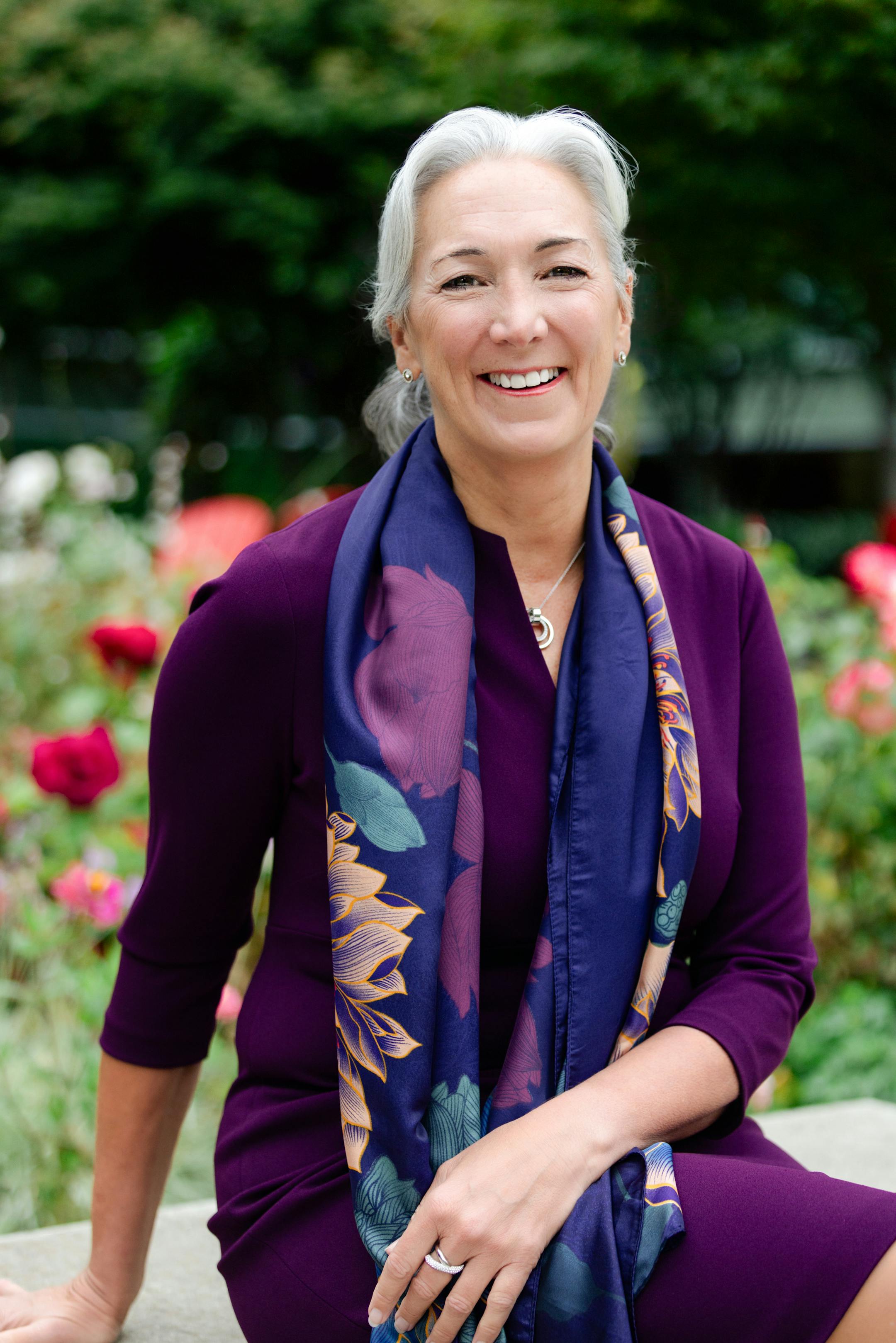
Kathy Fortmann, CEO of Amyris. (Provided by Amyris)

Commercialization is key

Since Fortmann took over in May 2024 as Amyris emerged from bankruptcy, Amyris has “cleaned up” its portfolio by ending some projects that wouldn’t make economic sense.

“We need to stop some of these things, because there’s no market for it at that cost,” Fortmann said. “And one of the scientists said to me, ‘I’m glad to hear you say that, because none of us want to spend five years of our life working on something that doesn’t go commercial.’”

Amyris, founded in 2003, has brought 15 products to market. That’s no easy task when each molecule made requires extensive trial and error with yeast modifications.

The company can build more than a million strains of yeast every year to test different genetic sequences for the right fit to produce a desired chemical at a massive scale.

“We make these edits into the yeast strain, asking the yeast nicely, but what the yeast wants to do is behave like yeast,” said Kevin George, director of automated strain engineering.

Robots linked with custom-built software and a massive data repository make the job much easier, but George said it still starts with “an educated guess that gets refined in a feedback loop.”

One major coup for the company was squalane, used as an emollient in moisturizers and other cosmetics and typically harvested from shark livers.

Amyris has designed yeast to create other molecules including fragrances like sclareol and patchouli, common cosmetic ingredients like bisabolol and the all-purpose farnasene.

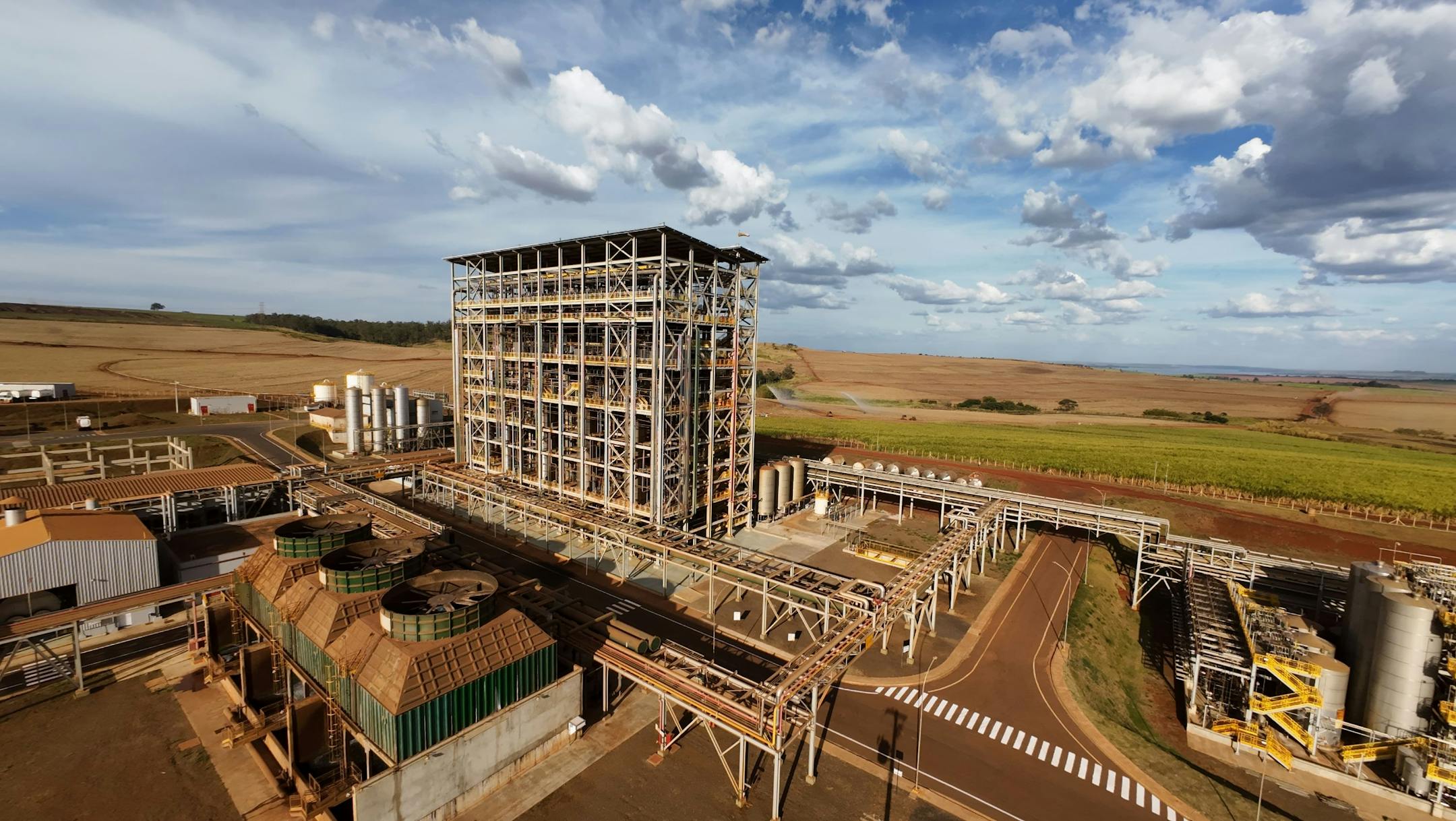
The company’s main production plant is in Brazil, a massive structure that takes in locally grown cane sugar and puts lab-tested yeast to work transforming sugar molecules into building blocks for industry.

The Amyris production facility in Brazil. (Provided by Amyris)

Major ambitions

Amyris was a pioneer in employing yeast to create hard-to-reach chemicals. Now the company’s molecules are in 20,000 different products.

Like many companies in this part of the bioeconomy, Amyris doesn’t sell products directly to the public but rather supplies major manufacturers.

After long relying on grant funding, investments and debt, Fortmann said the company is now supporting itself with commercial products.

“We’re in the sweet spot where we have an ongoing ingredients business, which is viable in and of itself, and we have some R&D collaboration,” she said.

As a leader, Fortmann is taking an ambitious approach grounded in business fundamentals. She also takes time to visit the manufacturing plants — there’s also one in North Carolina — and hang out at the company Halloween party.

By 2030, she hopes Amyris is five times the size it is today. (The company is private and doesn’t report revenue.)

“We should have nothing in our way to move as fast as possible, but part of that is anticipation,” she said. “By anticipating what customers might need next, then we’re faster to meet their needs.”

Fortmann and other bioeconomy advocates anticipate continued demand for more sustainable products, but they are still looking at a decades-long timeframe for precision fermentation to comprise a sizable percentage of materials.

The oil industry has a 100-year head start on making chemicals at low cost, and it will take time for synthetic biology to catch up to that.

“It’s about really making sure that you’ve got this wonderful better-for-the-world solution,” Fortmann said. “But it needs to make business sense.”

about the writer

about the writer

Brooks Johnson

Business Reporter

Brooks Johnson is a news editor and former business reporter at the Minnesota Star Tribune.

See Moreicon

More from Agriculture

See More
card image
Amyris

Amyris, which genetically modifies yeast to create specific molecules, is a window into the fast-growing world of precision fermentation.

card image
card image