
Bird flu has returned to Minnesota, Animal Health Board says

A deadly influenza was confirmed in a Redwood County flock of 20,000 turkeys.

The Minnesota Star Tribune
September 18, 2025 at 4:31PM
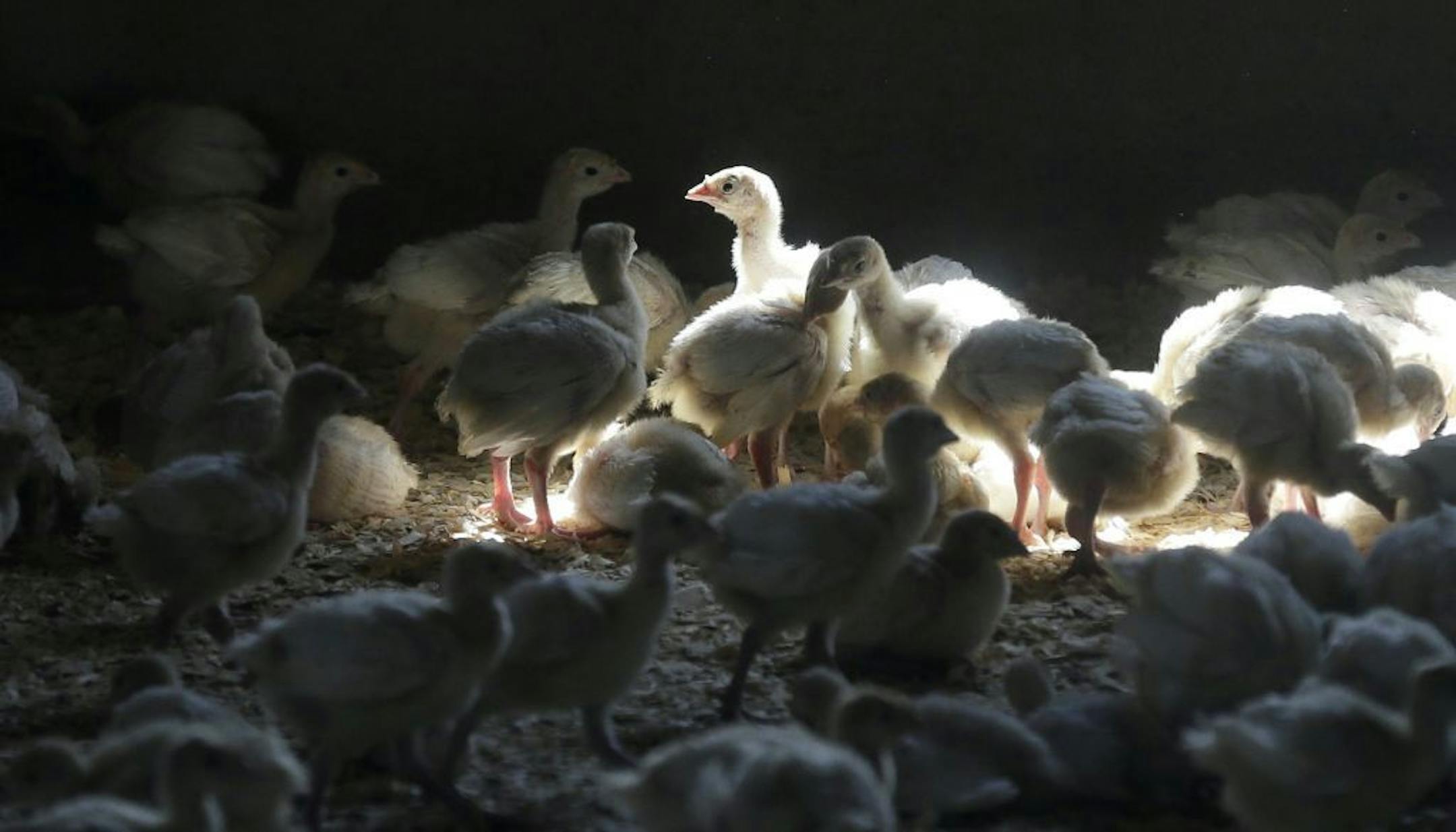
FILE - In this Aug. 10, 2015 file photo, a flock of young turkeys stand in a barn at the Moline family turkey farm after the Mason, Iowa farm was restocked. Harrisvaccines, an Iowa Company, announced Monday, Sept. 21, 2015 that is has been awarded the first license by the U.S. Department of Agriculture to develop a bird flu vaccine.
The deadly H5 avian flu has been detected in a turkey flock in Redwood County. The flu can spread to dairy cattle. (The Associated Press)

REDWOOD FALLS, MINN. – After a summer free of bird flu infections, a new outbreak at a turkey operation in Redwood County has the state back on alert.

A deadly bird flu has been detected in a commercial turkey flock, the Minnesota Board of Animal Health said this week.

The outbreak marks the first case of highly pathogenic avian influenza (HPAI) — which can wipe out entire flocks — in the state’s poultry population since late April, the Animal Health Board said.

A spike in deaths in a commercial flock in Redwood County with around 20,000 turkey toms led to samples being sent to the Minnesota Poultry Testing Laboratory. On Monday, those samples tested positive for influenza A and the H5 strain, the Animal Health Board said.

All 20,000 toms have been destroyed to prevent infection from spreading, said Shauna Voss, assistant director of the board.

Poultry farms within 6 miles of the Redwood County operation have been placed in a quarantine zone, with their birds to be tested weekly, Voss added.

The owners of the Redwood County turkey operation will have to do a multimonth process to make sure the virus is eliminated, she added.

The outbreak is a setback in the state’s efforts to combat bird flu, which kills nearly all poultry that contract it and has been found in dairy cows.

The state had announced a goal of being free of the disease in August, after a summer spent eliminating the virus from quarantined sites.

“This detection resets Minnesota’s response teams and will draw responders back into the fight against avian influenza this fall,” a statement from the Board of Animal Health said.

Wild birds spread the virus to poultry, and some turkey farmers are using lasers to scare off migratory birds.

Bird flu has either killed or forced the culling of more than 9 million birds in Minnesota. Nationwide, the U.S. Department of Agriculture has paid turkey and chicken farmers more than $2 billion for their losses. State officials said they’re working closely with the USDA on the payments for the turkeys destroyed at the Redwood County operation.

Minnesota is the largest turkey producer in the nation and also a major dairy state.

Among dairy cattle, the virus seems to often spread as cows are milked, a study in the journal Nature suggests.

This year, state officials began monthly testing at Minnesota’s 1,600 cow dairies for H5N1. After testing clear for four consecutive months, the state began reducing the frequency.

There are no plans yet to change how often cows are tested for bird flu, state Ag Commissioner Thom Petersen said Thursday. He added that the state is watching the matter closely, as bird flu was recently discovered in cattle in Nebraska.

“We don’t want to see it in dairy in Minnesota,” Petersen said.

The risk to the public from this virus remains low, state officials said.

People who work with or have direct contact with infected animals or their environment are at most risk for getting sick. Handling infected bird carcasses is the most common way H5N1 spreads to humans.

H5N1 bird flu can pass from birds to other animals or to humans, but there are no confirmed cases of human-to-human transmission.

Nationwide surveillance has confirmed 70 human cases of H5N1, including in one person who died. The cases have largely consisted of agricultural workers, including a poultry farm worker in Wisconsin and another in Iowa, according to the Centers for Disease Control and Prevention.

State officials ask poultry producers and backyard flock owners to check their barns for holes where infected wild birds can enter.

They also ask people to contact their veterinarian immediately if they see any signs or symptoms in their flock:

  • Decrease in feed or water intake.
    • Swelling or purple discoloration of head, eyelids, comb, wattle and hocks.
      • Decrease in egg production.
        • Sudden, unexplained death.
          • Extreme depression.
            • Very quiet.
              • Difficulty breathing.

                The board said that anyone can report sick birds on the board’s online sick bird report form.

                Detections of HPAI in Minnesota are posted on the board’s HPAI page.

                Proper handling and cooking of poultry and eggs to an internal temperature of 165 degrees is always advised, the Animal Health Board said.

                (Sign up for the Minnesota Star Tribune’s Prairie Local newsletter covering Mankato and the southwest corner of the state.)

                about the writer

                about the writer

                Jp Lawrence

                Reporter

                Jp Lawrence is a reporter for the Star Tribune covering southwest Minnesota.

                See Moreicon

                More from Greater Minnesota

                See More
                card image
                Jp Lawrence/The Minnesota Star Tribune

                The Minnesota State Patrol said the driver and passenger in one vehicle weren’t wearing seatbelts.

                card image