
The last bite: Not just butter — Land O’Lakes sells kangaroo food, too

Plus, a Renville plants-to-plastic factory expands, and a look at cuts to SNAP food stamps in this week’s food and ag roundup.

The Minnesota Star Tribune
July 25, 2025 at 1:31PM
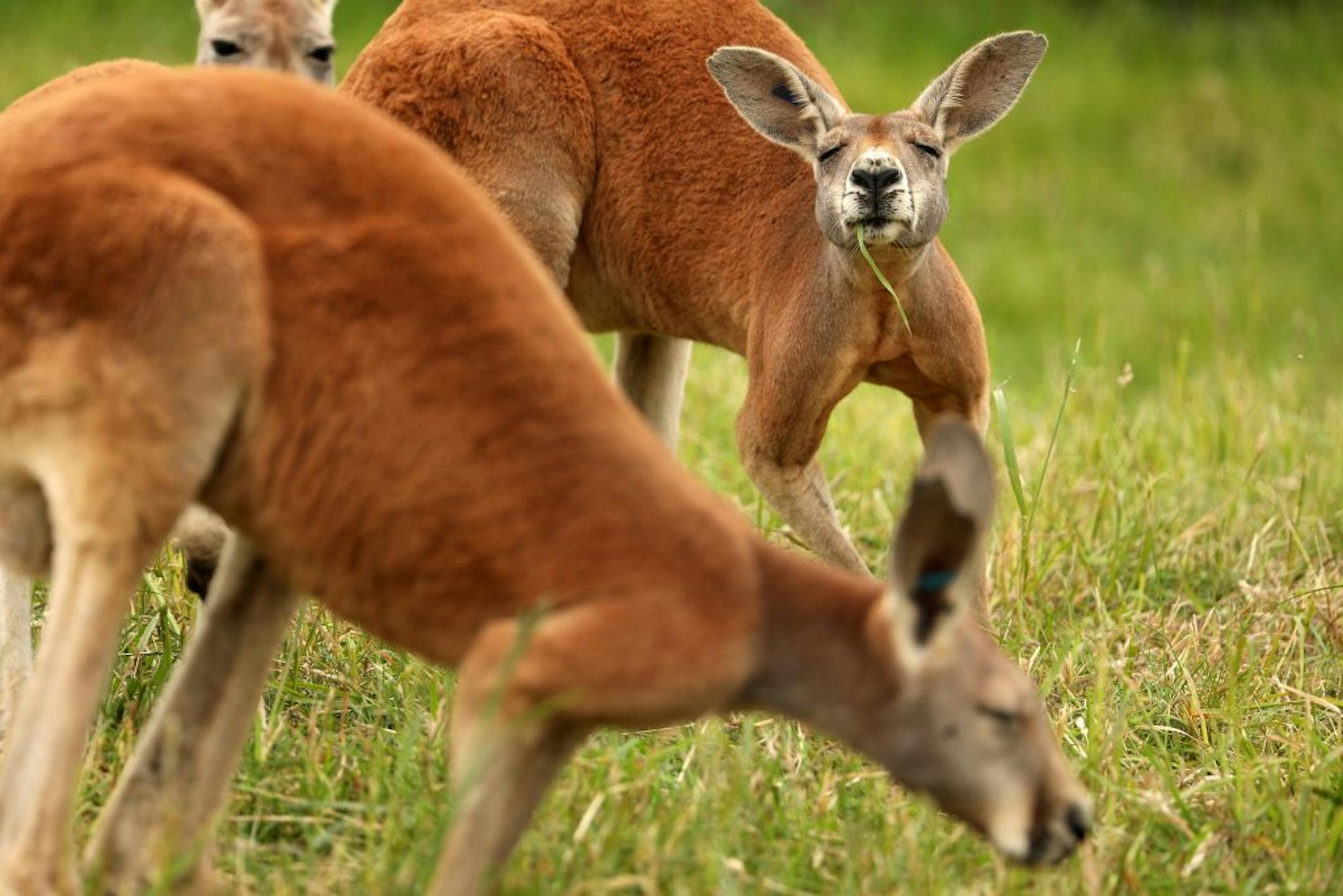
Red kangaroos ate grass Friday at the Minnesota Zoo's newest exhibit "Kangaroo Crossing."
Red kangaroos at the Minnesota Zoo's "Kangaroo Crossing" in 2017. Land O'Lakes makes kibble for kangaroos and a wide range of other exotic animals through its Mazuri brand. (Anthony Soufflé/The Minnesota Star Tribune)

Welcome to “the last bite,” an end-of-week food and ag roundup from the Minnesota Star Tribune. Reach out to business reporter Brooks Johnson at brooks.johnson@startribune.com to share your news and names of your pets.

Land O’Lakes can’t complain about being best known for its dairy products, since it is the leading butter brand in the country many years running.

But the Arden Hills-based ag cooperative also sells food for reindeer. And zebras, kangaroos, polar bears, elephants and all manner of zoo animals.

Tucked into the Land O’Lakes animal nutrition business alongside the Purina line of livestock feed is a brand called Mazuri. The nation’s 12 million reptile and bird owners are no doubt familiar with that name, since Mazuri caters to just about every exotic pet one can own.

The big account is zoos, though, and Mazuri (based on the Swahili word for “good”) feeds millions of animals in more than 1,600 zoos around the world.

Because folks who don’t work at zoos don’t ever need to think about who makes llama pellets and/or shark supplements, the breadth of offerings can be surprising.

Another surprising tidbit: The recent growth industry for Land O’Lakes’ animal nutrition division, which employs 800 people managing the business plus another 2,700 in manufacturing plants, is chickens.

“Backyard flocks, now that is a space that is rapidly growing,” said Chris Pearson, president of the sector.

The company can thank bird flu for making the cost of eggs a good excuse to build those backyard coops.

A poster at Land O'Lakes headquarters in Arden Hills shows the Purina logo to represent the cooperative's animal feed division - which also includes a zoo animal feeding business through the Mazuri brand. (Brooks Johnson/The Minnesota Star Tribune)

Data dish

The final tally for SNAP benefit cuts will see the federal food stamp program decline an average of 18% in the next decade. That will withhold $186 billion from needy consumers as well as grocery stores and food brands.

Minnesota-based General Mills, Post Consumer Brands and Hormel Foods all rely, to some degree, on SNAP benefits, and the cuts might push more customers toward store-brand alternatives. After the government reduced pandemic-boosted benefits, food companies lost billions in sales.

“We feel increasingly concerned that headwinds from subsidy cuts and negative press on health and wellness represent a structural headwinds to Big Food rather than the transitory ones they have adapted to in the past,” TD Cowen analyst Robert Moskow wrote.

Commodity cookbook

Corn is all the rage when it comes to bio-based alternatives to fossil fuel-based materials (see: a $360 million Cargill joint venture making a spandex chemical from corn). But sugar beet growers are contributing to the bioindustrial revolution, too.

CelluComp opened a plant in Renville, Minn., this spring that can turn sugar beet pulp into a key ingredient for compostable packaging.

The plant will grow from processing 7,000 tons to 24,000 tons of sugar beet pulp in the next year. CelluComp CEO Christian Kemp-Griffin said in a news release that Renville is the key to the future of “providing the world with a proven PFAS-free, fiber-based barrier-packaging solution.”

Tech taste

There’s more than one way to squeeze protein from a pea, and the nation’s leading supplier, Minneapolis-based Puris, recently showed off a transparent variety.

Boasting a “crystal-clear solubility” built for uses like functional pops, Puris offered up cherry-lime sodas with 10 grams of clear pea protein at the Institute of Food Technologists conference earlier this month.

If the whey protein pioneers at Seeq can make clear drinks with a protein boost, why not the plant-protein folks?

National nugget

Hemp-based THC production leaves behind a lot of ... leaves.

“Spent biomass” is the term, in fact. Wouldn’t it be nice to feed that healthy hemp to all the hungry livestock out there, give them a break from all the corn and soy?

A recent study found cows don’t pass on the high-causing cannabinoid THC in their milk or muscle as long as their caretakers wean them off the feed before milking or processing.

“This study is one step forward in providing the data needed for FDA approval of spent-hemp biomass as a feed supplement for livestock,” said Massimo Bionaz, lead author of the study and an associate professor at Oregon State University, in a statement.

Several studies have now found spent-hemp biomass, hemp seed and hempseed meal are “suitable and safe feed ingredients for livestock animals, including cattle, lambs and chickens,” according to Oregon State.

about the writer

about the writer

Brooks Johnson

Business Reporter

Brooks Johnson is a business reporter covering Minnesota’s food industry, agribusinesses and 3M.

See Moreicon

More from Agriculture

See More
The Abbey Church is a landmark on the St. John's University campus located in Collegeville.
The Minnesota Star Tribune

Local nonfiction: “Greater Minnesota” travelogue details a home-grown returnee’s conversion.

card image
card image