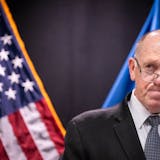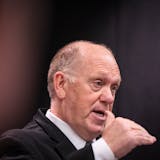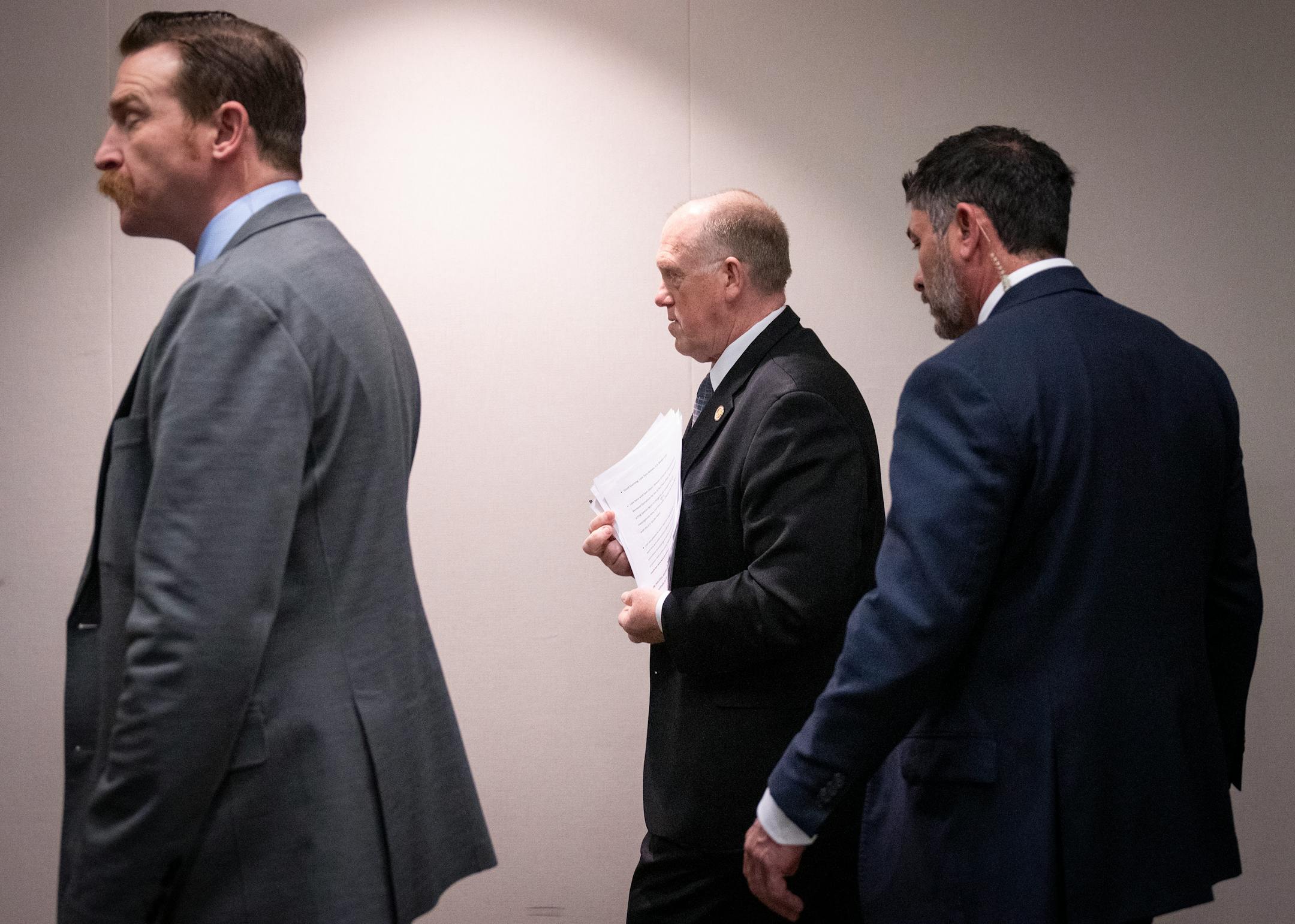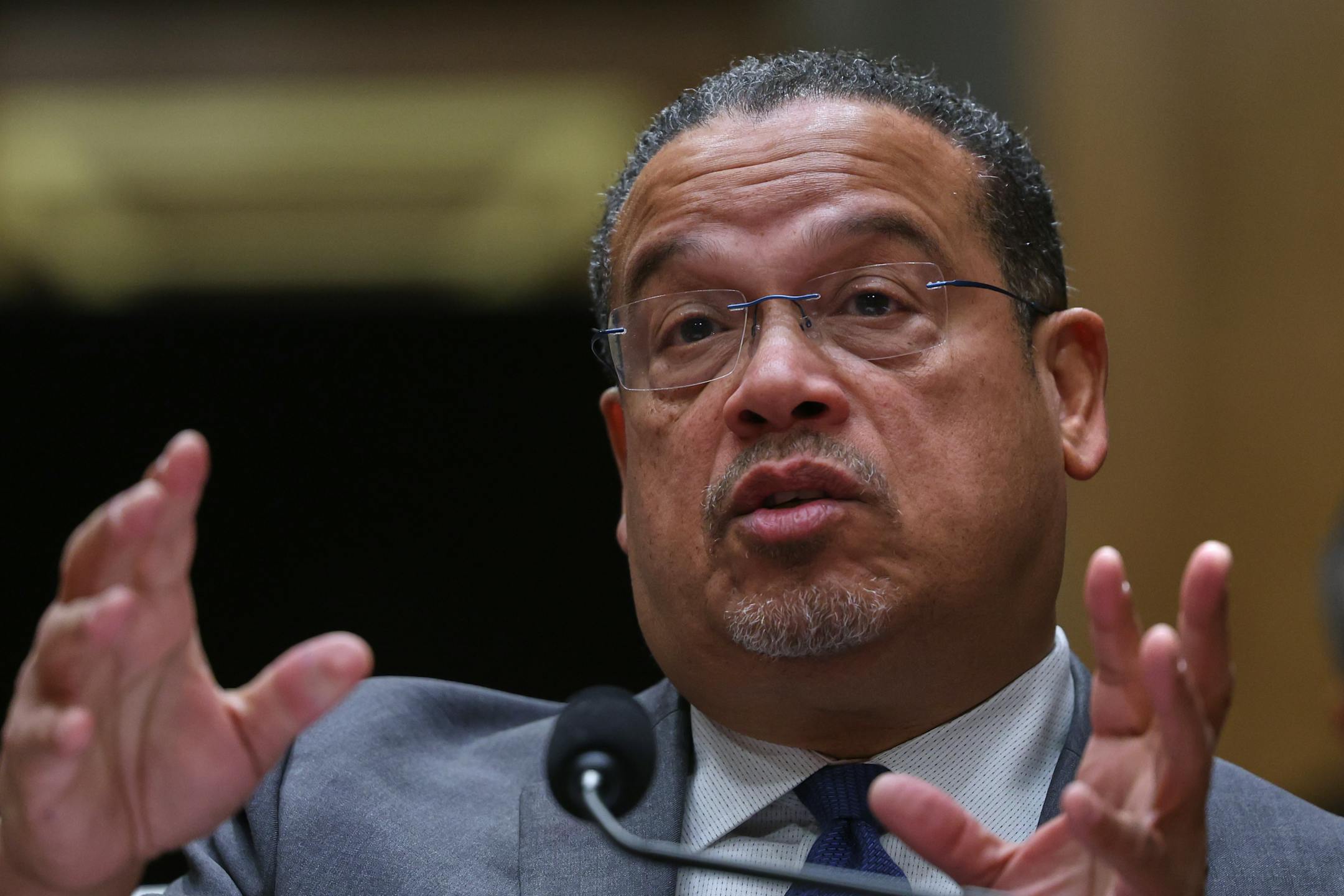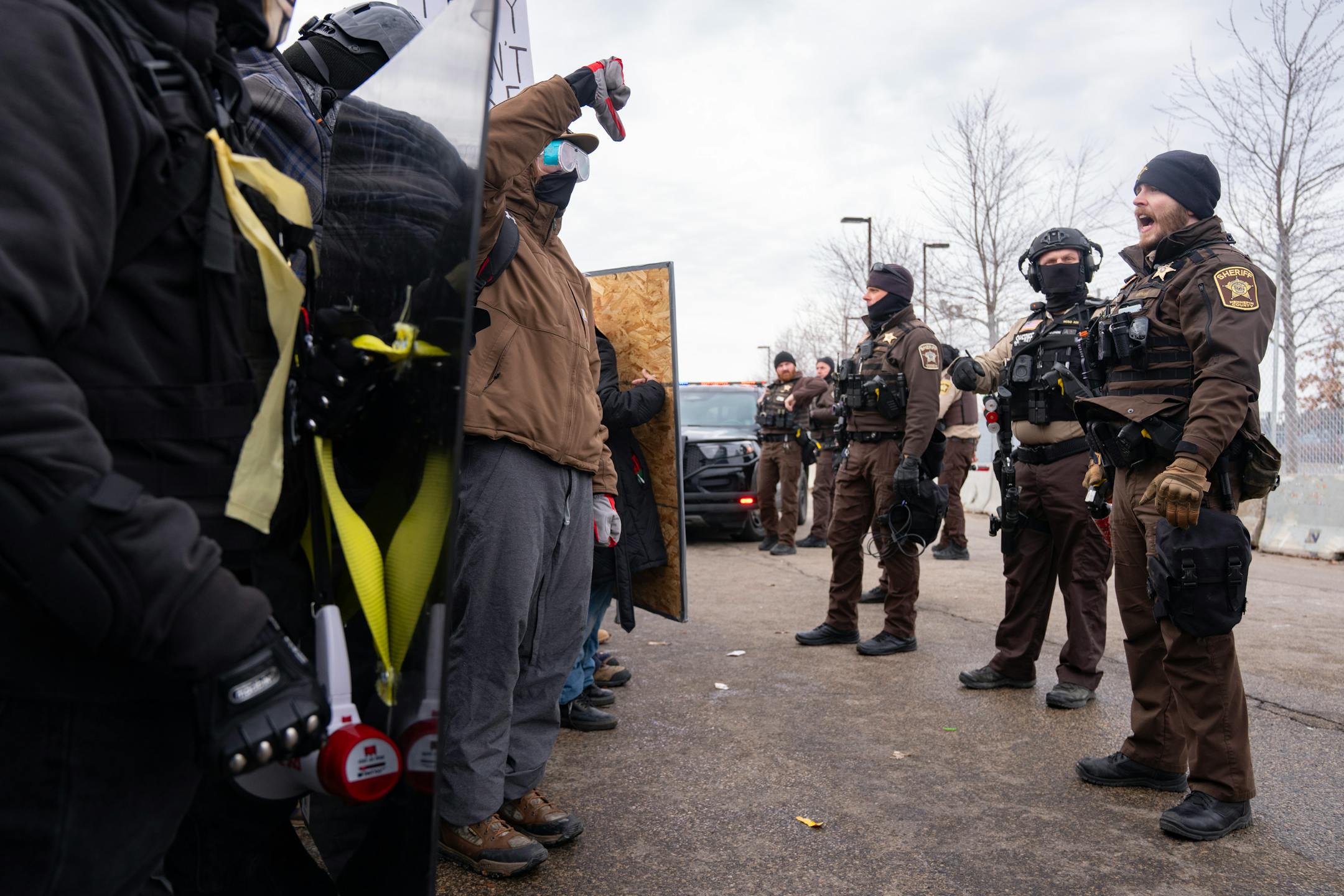
Border czar Tom Homan ended Operation Metro Surge without clear signs of the “significant” cooperation that he said was necessary to draw down thousands of federal agents.
There have been no widespread policy changes at the state or local level to help Immigration and Customs Enforcement (ICE). Gov. Tim Walz, Minneapolis Mayor Jacob Frey and Hennepin County Sheriff Dawanna Witt made it clear they did not capitulate in exchange for a drawdown.
Homan has not provided details on what changed in Minnesota in order for him to end the surge. The U.S. Department of Homeland Security did not respond to a request for comment.
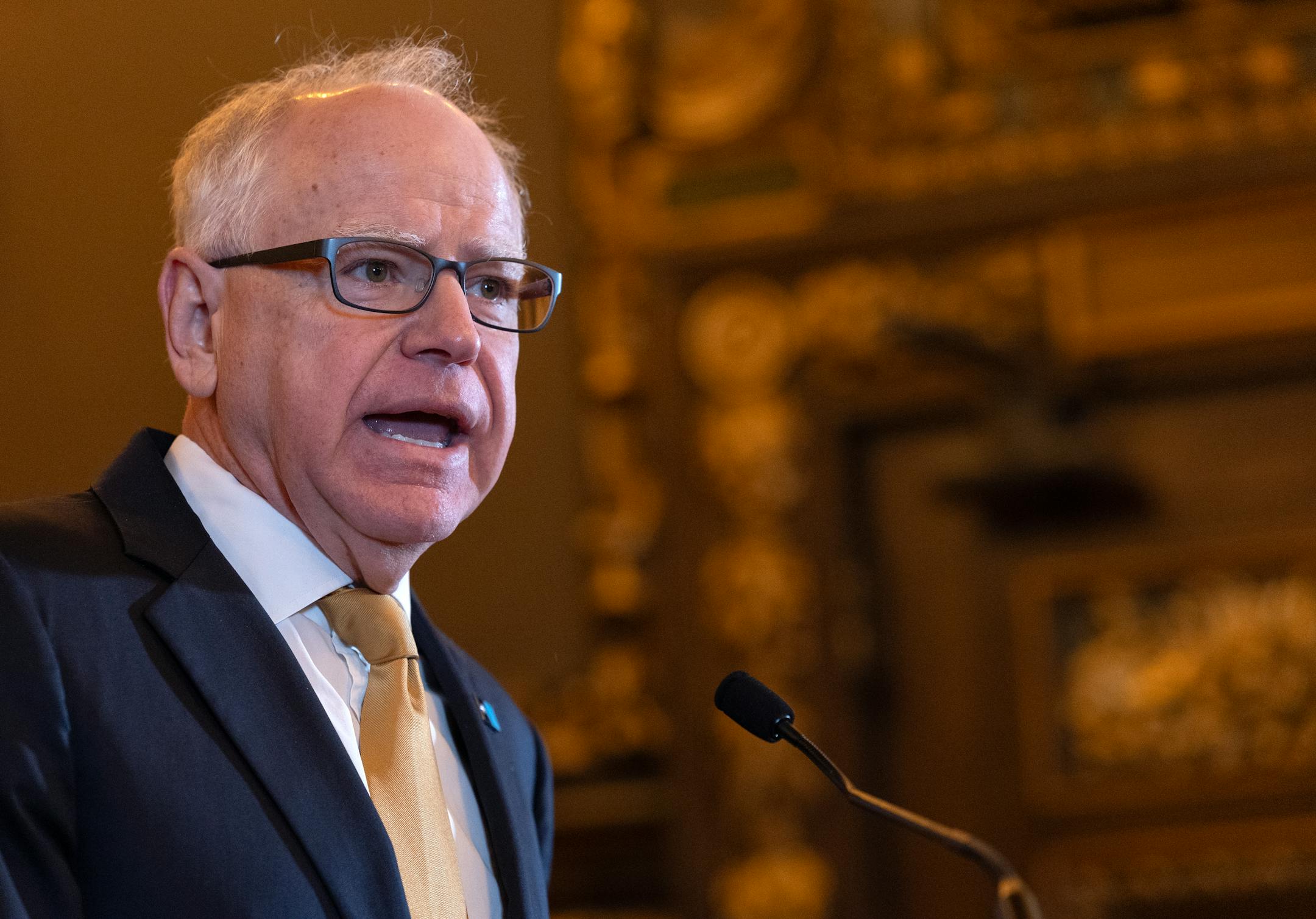
James Stuart, executive director of the Minnesota Sheriffs’ Association, said he thinks federal immigration officials now understand local law enforcement agencies are typically helping as much as they can.
“I think the single biggest change is improved communication,” Stuart said. “I think a lack of communication was perceived as a lack of partnership, by both sides, in the past.”
Stuart has been nominated by President Donald Trump to be Minnesota’s next U.S. Marshal and awaits Senate confirmation. He acknowledged that he wasn’t aware of immediate policy changes that helped the immigration surge come to a close.
But the chaotic 70-day operation, which left two citizens dead, may have ended because immigration officials recognized the limitations of state law, which does not give Minnesota sheriffs and police the authority to arrest or detain people for immigration violations.
In addition, some communities have further restrictions on locals helping with immigration enforcement in any way.