
The last bite: Minnesota energy drink Huxley debuts new cans

Also, a call for the protein craze to die out, cooperatives step up for food aid, and the alcohol industry seeks a government “condom” to counter the rise of THC.

The Minnesota Star Tribune
November 7, 2025 at 5:27PM
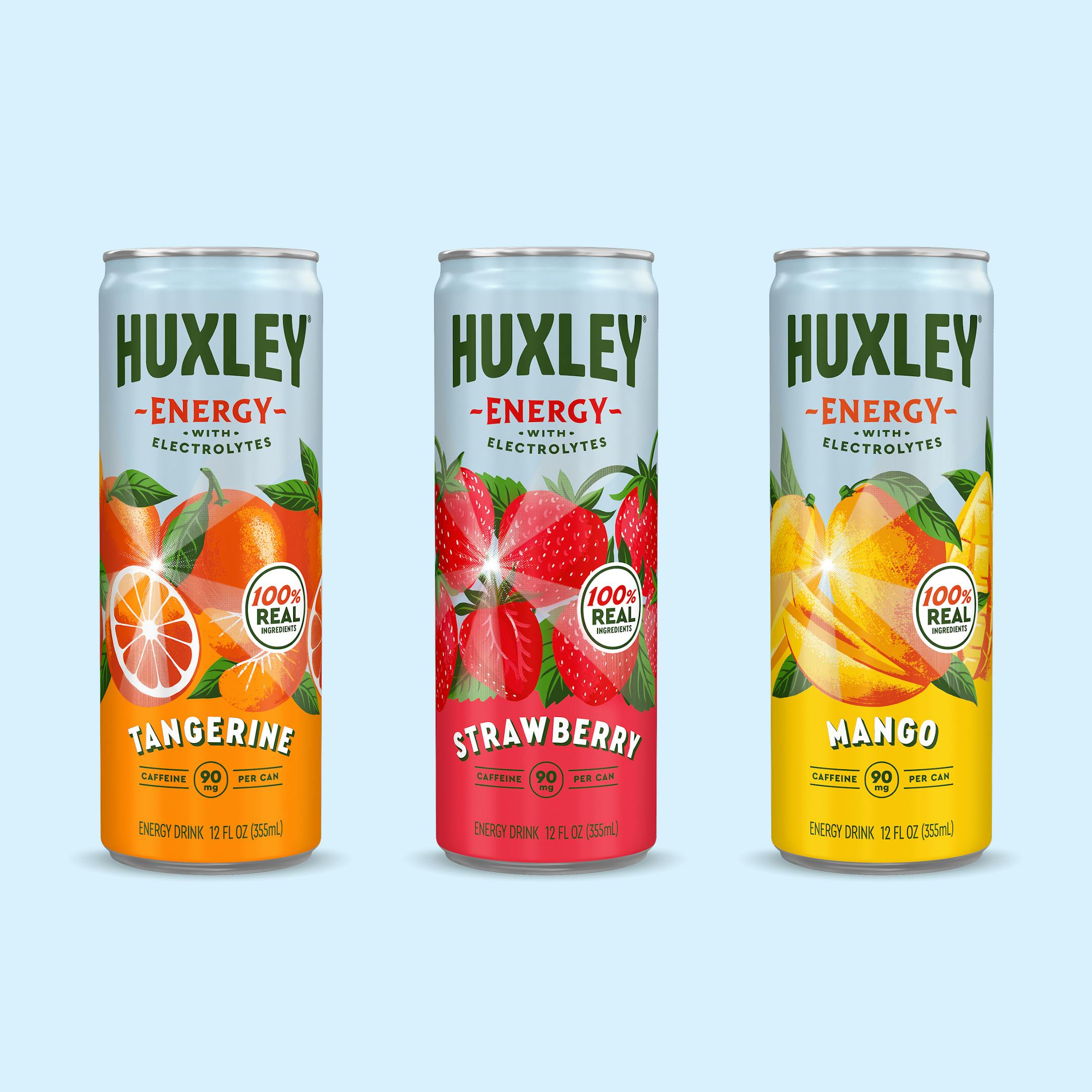
The new Huxley cans put a focus on the fruit at the center of the flavor-focused energy drinks. (Huxley)

Welcome to the last “last bite,” an end-of-week food and ag roundup from the Minnesota Star Tribune. Business reporter Brooks Johnson is moving into an editing role and this feature is going on hiatus; stay in touch at brooks.johnson@startribune.com.

Huxley energy drinks have featured national-park-inspired art on the cans, a symbolic nod to the natural niche the Minnesota brand is carving in the high-octane $24 billion energy drink market.

Now, Huxley is skipping the metaphor and putting fruit on the cans, as the company embraces the flavor-focused, real-fruit selling point that has helped it grow.

“Our new look tells the story of a brand that isn’t just another energy drink,” founder Simon Solis-Cohen said in a news release. “We don’t believe in shortcuts, overstimulation or chemistry experiments — just balanced energy crafted with intention."

The drinks have 90 mg of caffeine, about a cup of coffee, balanced by the calming effects of L-theanine, plus electrolytes. The main appeal for many is the fruit juice and low sugar content.

“Huxley isn’t meant to get you through the day, it helps you enjoy it,” Solis-Cohen said.

Huxley’s packaging and logo refresh, months in the making, comes as the Minnesota company reaches into more retailers following a year and a half of regional success. The new cans are available online now and will roll out to stores through the end of the year.

Data dish

Americans are now convinced “good source of protein” is the most important criteria for determining a healthy food, overtaking “fresh” and “low in sugar,” according to the latest International Food Information Council survey.

This over-emphasis on a vital but hardly lacking nutrient is largely due to influencers sharing bad information, Minnesota preventive cardiologist Dr. Elizabeth Klodas said during a Food Ag Ideas Week panel last month.

“Can we just stop with the protein?” Klodas, founder of Step One Foods, said. “I see women regularly who are literally making themselves nauseated trying to get all this protein in. They are stuffing themselves with 1 gram per pound of body weight with protein. That is absurd. It’s absurd.”

The protein craze follows a similar arc seen with gluten-free food: A small population of folks cannot have gluten, then suddenly it becomes the cure-all for the masses, according to the internet. Similarly, folks on GLP-1 weight-loss medication focus on protein to avoid muscle loss, then protein becomes the must-have macronutrient regardless of actual dietary need.

Meanwhile, fiber is severely lacking in almost all Americans’ diets because they don’t eat enough plants.

“I’m hoping that [protein] is going to wane and that we move to fiber,” Klodas said.

Commodity catchup

Cooperatives are sending more food aid to rural areas, where food insecurity rates are disproportionately high, as frozen SNAP benefits strain food banks.

The CHS Foundation and CoBank said this week they are donating $2 million to Feeding America.

“We’re helping families in rural America have access to the food they need,” CHS CEO Jay Debertin said in a statement.

Land O’Lakes has made huge strides reducing food waste with the help of a software company called Spoiler Alert, diverting millions of pounds of butter and cheese to food banks.

“Spoiler Alert has helped us sell more product — and donate the rest — faster and more effectively than ever before,” Jim Spaight, sales operations manager for U.S. Dairy Foods, said in a news release. “And by partnering with the Land O’Lakes Foundation, we’re sending product to community food banks where our member-owners operate.”

National nugget

Big Booze is going after hemp as Americans are turning away from alcohol and toward THC, the high-inducing ingredient in cannabis.

A letter from trade groups representing the country’s largest brewers, distillers and winemakers urged lawmakers to effectively ban hemp-derived THC products.

“The FDA has consistently warned consumers about the safety risks associated with these products,” read the letter from an industry responsible for the deaths of 178,000 Americans per year.

Notably, the craft-beer-focused Brewers Association did not sign the letter. In Minnesota, hemp-derived THC products have been a lifeline for small breweries facing big cost increases and slower sales.

“Allowing Minnesota’s hemp industry to continue to grow within a smart, well-targeted framework will avoid the disastrous impact that an outright ban would impose on the many Minnesota small businesses, employees and communities which have worked hard in good faith to develop a hemp industry that is the envy of the nation,” the Minnesota Hemp Beverage Producers Association wrote to Attorney General Keith Ellison this week.

Beverage wholesalers also support hemp-derived drinks, a boon to their business, as do liquor stores.

“As alcohol faces modest decline, some in the industry are trying to safeguard their business not by better competition but by leveraging government intervention as a ‘condom’ to shield themselves,” Top Ten Liquors owner Jon Halper wrote on LinkedIn this week.

Minnesota restricts hemp-derived THC to low-dose drinks and gummies and mandates testing and transparency in manufacturing. Iowa has also passed regulations. Many states, like Wisconsin, have not addressed the legal gray area of hemp-derived THC and are seeing extremely potent products flood the market without regulation.

about the writer

about the writer

Brooks Johnson

Business Reporter

Brooks Johnson is a business reporter covering Minnesota’s food industry, agribusinesses and 3M.

See Moreicon

More from Agriculture

See More
card image
Jerry Holt/The Minnesota Star Tribune

Divorces on farms have gone up. With signs of a rocky farm economy ahead, therapists and farmers worry that farm families might crumble alongside their businesses.

card image
card image