
The last bite: Cargill profits up again with help from Trump’s tax bill

Also, abandoned farmland fights climate change and the food industry births a MAHA-countering advocacy group with a grassroots-sounding name.

The Minnesota Star Tribune
October 24, 2025 at 9:29PM
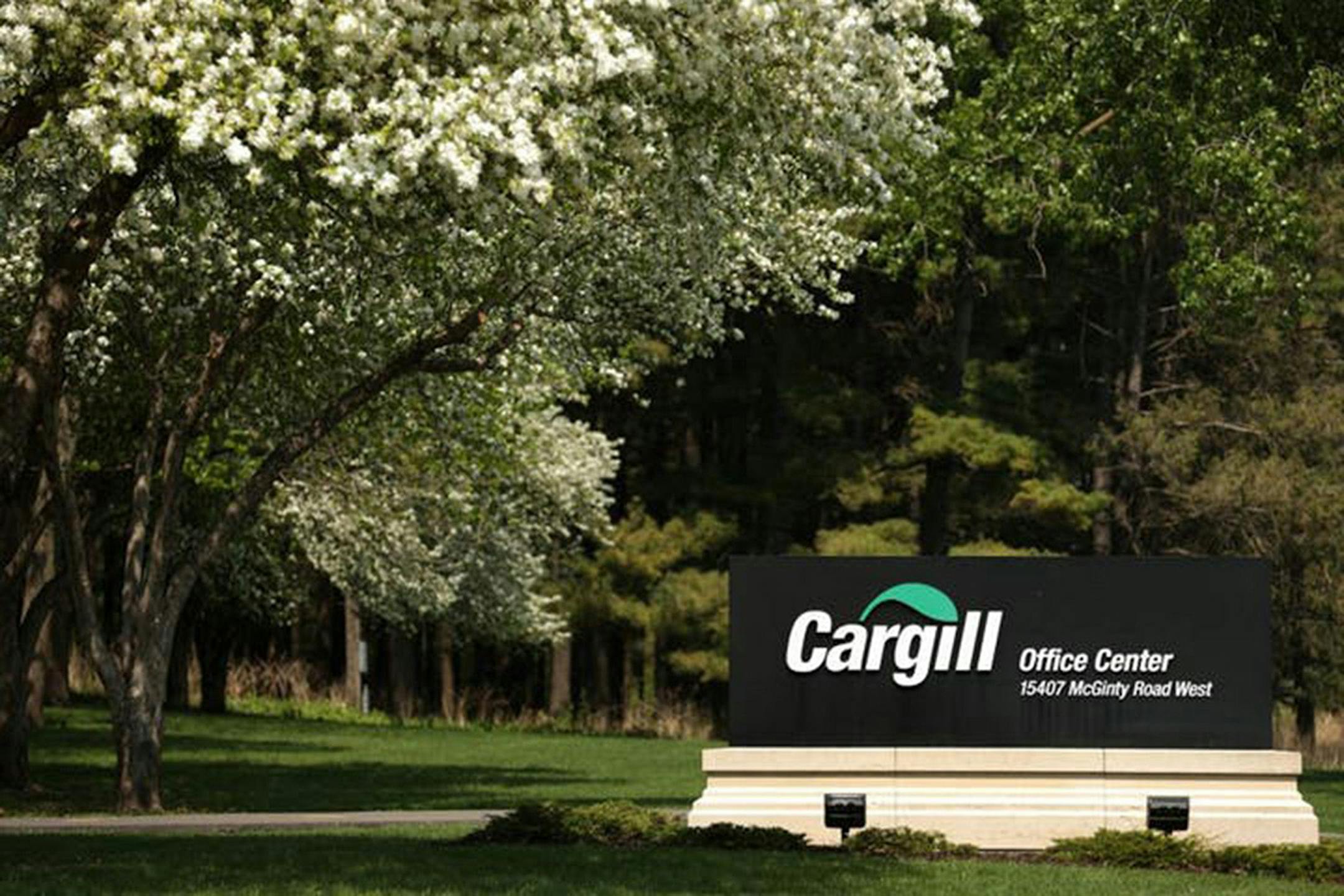
Cargill, the nation’s largest privately held company, has not publicly disclosed its earnings for several years and declined to comment on its $2 billion quarterly profit. (Anthony Soufflé/The Minnesota Star Tribune)

Welcome to “the last bite,” an end-of-week food and ag roundup from the Minnesota Star Tribune. Reach out to business reporter Brooks Johnson at brooks.johnson@startribune.com to share your news and audited Cargill financial statements.

Cargill’s latest quarterly profit nearly doubled to about $2 billion this summer, partly thanks to the massive federal budget bill Congress passed this summer.

One-time tax benefits represented nearly a quarter of those earnings, according to Bloomberg, which obtained the Minnetonka-based commodity giant’s financials for the three months that ended in August.

Cargill, the nation’s largest privately held company, has not publicly disclosed its earnings for several years and declined to comment.

The standout quarter follows a return to profit growth in fiscal year 2025 driven by chicken, cocoa and better business performance overall, according to Bloomberg.

Profits improved despite a 4% drop in sales for the fiscal year that ended in May, a sign of increased efficiency across the global trader’s operations.

Last year, Cargill announced it would cut 5% of its global workforce, about 8,000 jobs, to combat low profitability.

Data dish

It was a banner harvest for corn, soybeans and wheat in the U.S. with an estimated 26 billion bushels combined. Two of those crops are still having a good time on the international market.

While China keeps up its U.S. soybean embargo, corn exports nearly doubled last month compared to the year before, according to a CoBank report. Wheat exports also hit a five-year high.

Meanwhile, tariffs have added an average of 12% to the costs of ag inputs like fertilizers and vehicles.

“Fertilizer prices remain the biggest headwind for producers, contributing to poor return prospects,” according to CoBank, and fall applications could be scarce as a result.

Commodity catch-up

MBOLD, a regional food industry collaboration, recently launched the Protein Catalyst program to expand research into bringing more protein to the world.

This is not so much about the current fad of consuming more of a nutrient Americans already see enough of (the latest example being protein-packed Pop-Tarts). It’s about meeting basic protein needs for a growing global population and finding about 50% more protein for the food supply by 2050.

Plant-based proteins, more sustainable animal feeds and other innovations will get help from public research and mentorship programs through the Protein Catalyst initiative.

“Improving the resiliency and sustainability of existing proteins and scaling up new options is key to meeting the dietary needs of a growing population within planetary boundaries,” MBOLD said in a statement.

Tech taste

Here’s a low-tech option for capturing carbon and slowing climate change: abandoned farmland.

University of Minnesota researchers have looked at how well nutrient-soaked farmland can hold carbon: pretty darn well. Fertilizers, though a detriment to water quality, can be a boon in reducing greenhouse gas emissions, they found.

“As agricultural methods become more efficient, increasing amounts of farmland in North America are being retired from production,” the U said in a news release. “Future research is likely to focus on how retired farmland can be used by stakeholders to transform rural areas, promoting carbon storage and native species recovery alongside rural economic development and recreational access.”

National nugget

The food industry launched a very grassroots-sounding group this week, Americans for Ingredient Transparency, in an effort to beat back state-level food regulations. Those create a patchwork of policies that companies find are expensive to follow.

It’s no secret food leaders want a national standard when it comes to rules around ingredients and processing. General Mills CEO Jeff Harmening said as much this summer when talking about ending the use of artificial food colors.

But how hard this new lobbying group pushes, and on whose behalf, will be a point of contention. Conservative outlets are taking the group at its word, though critical questions remain about who benefits the most from the lobbyists’ aim that the FDA be the only legal food regulator in the country.

Minnesota-based Hormel Foods and General Mills are among the group’s backers in addition to many other large food companies and trade groups, like the Corn Refiners Association, which advocates on behalf of corn syrup-makers.

about the writer

about the writer

Brooks Johnson

Business Reporter

Brooks Johnson is a business reporter covering Minnesota’s food industry, agribusinesses and 3M.

See Moreicon

More from Agriculture

See More
card image
Renée Jones Schneider/The Minnesota Star Tribune

President Donald Trump unveiled an $11 billion bailout earlier this week. The aid package might not be enough to make up for farming losses.

card image
card image