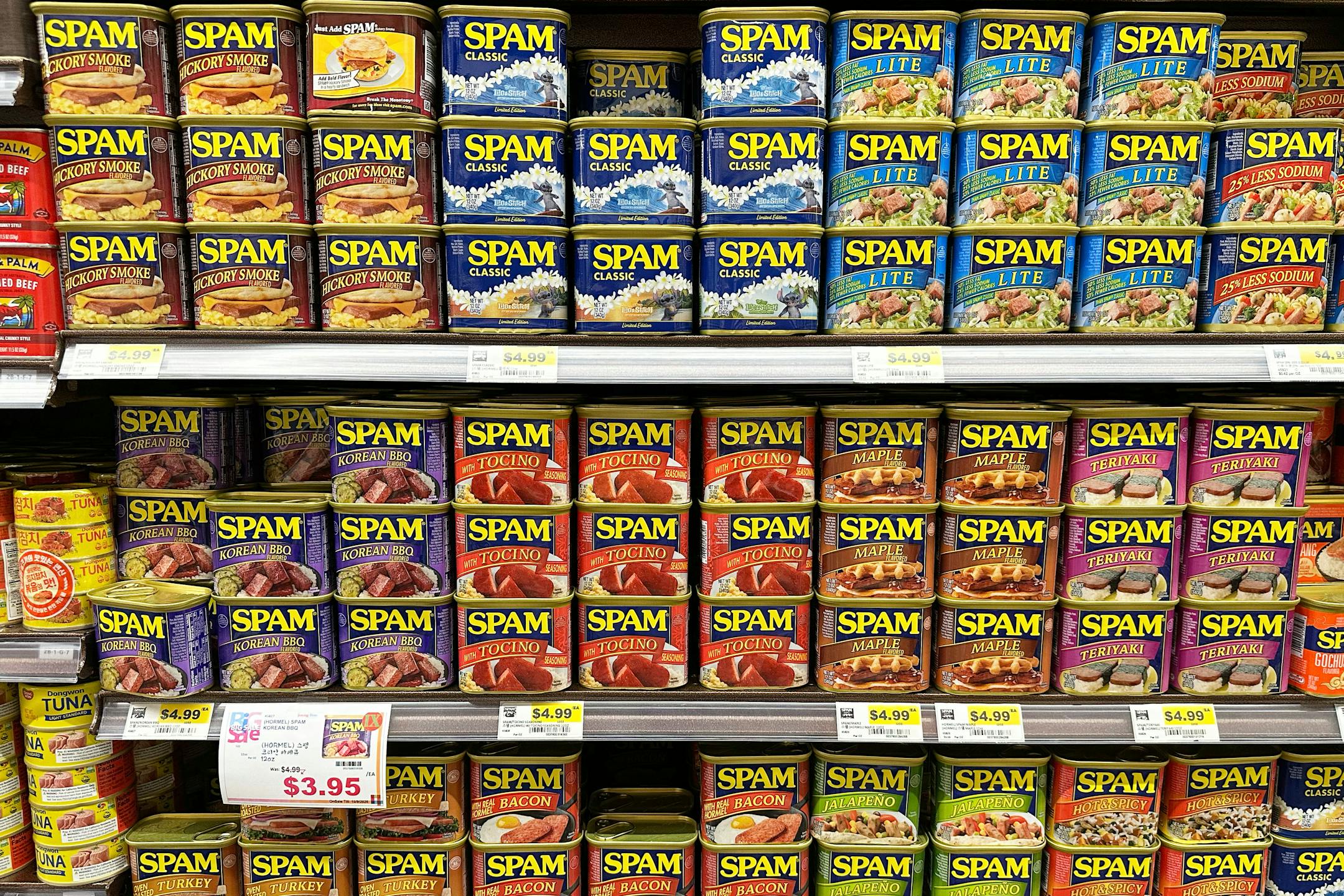
Hormel is essentially synonymous with pork, namely sizzling breakfast meats and the infamous canned ham Spam.
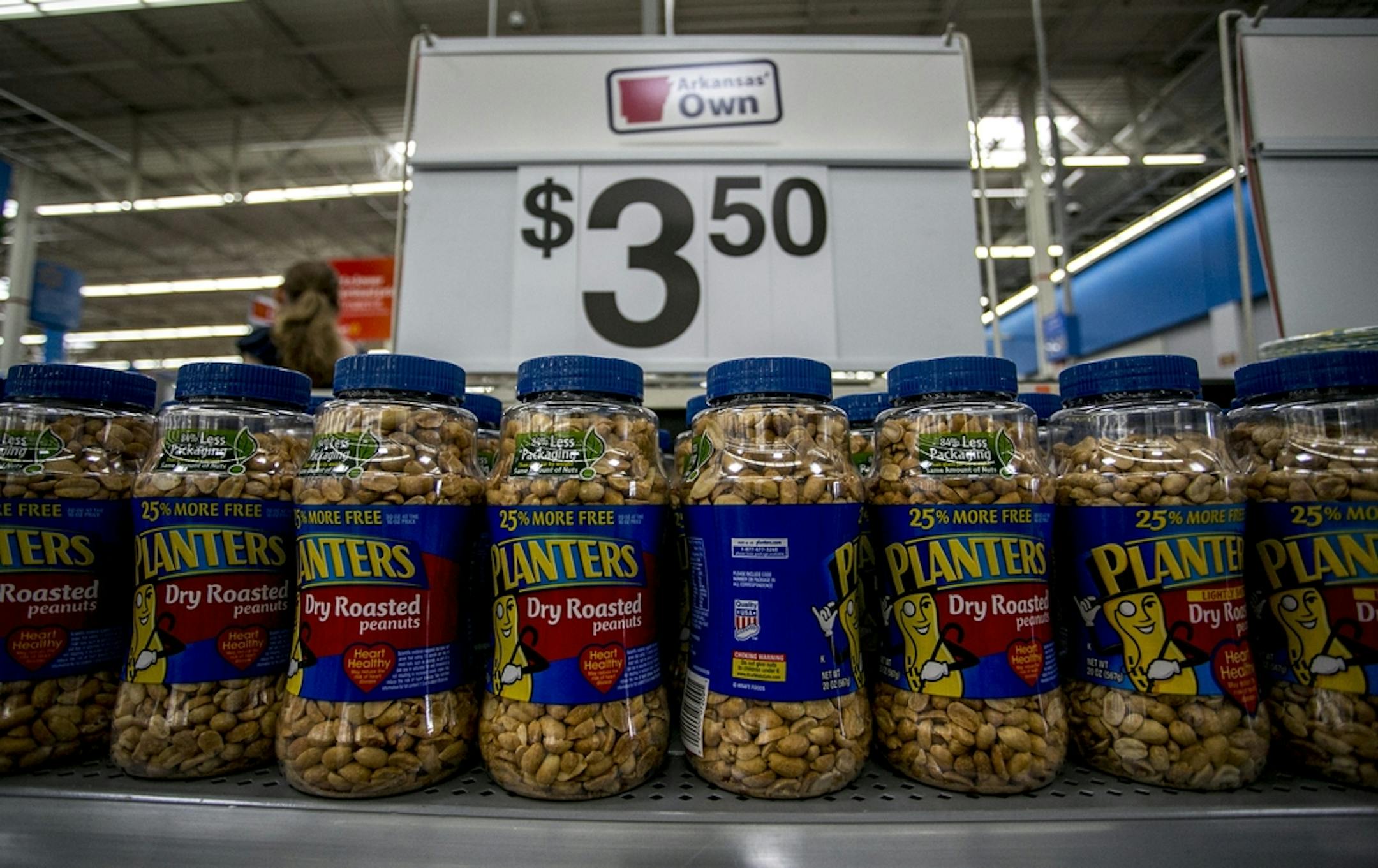
The Austin, Minn.-based Fortune 500 company has only broadened its protein offerings in recent years, adding convenient deli option Columbus Craft Meats, healthy ground turkey and snack staple Planters nuts.
In an era of protein-chasing consumers, Hormel should be selling the bacon and bringing it home, too. But like much of the food industry, the company has struggled to consistently grow sales and profits.
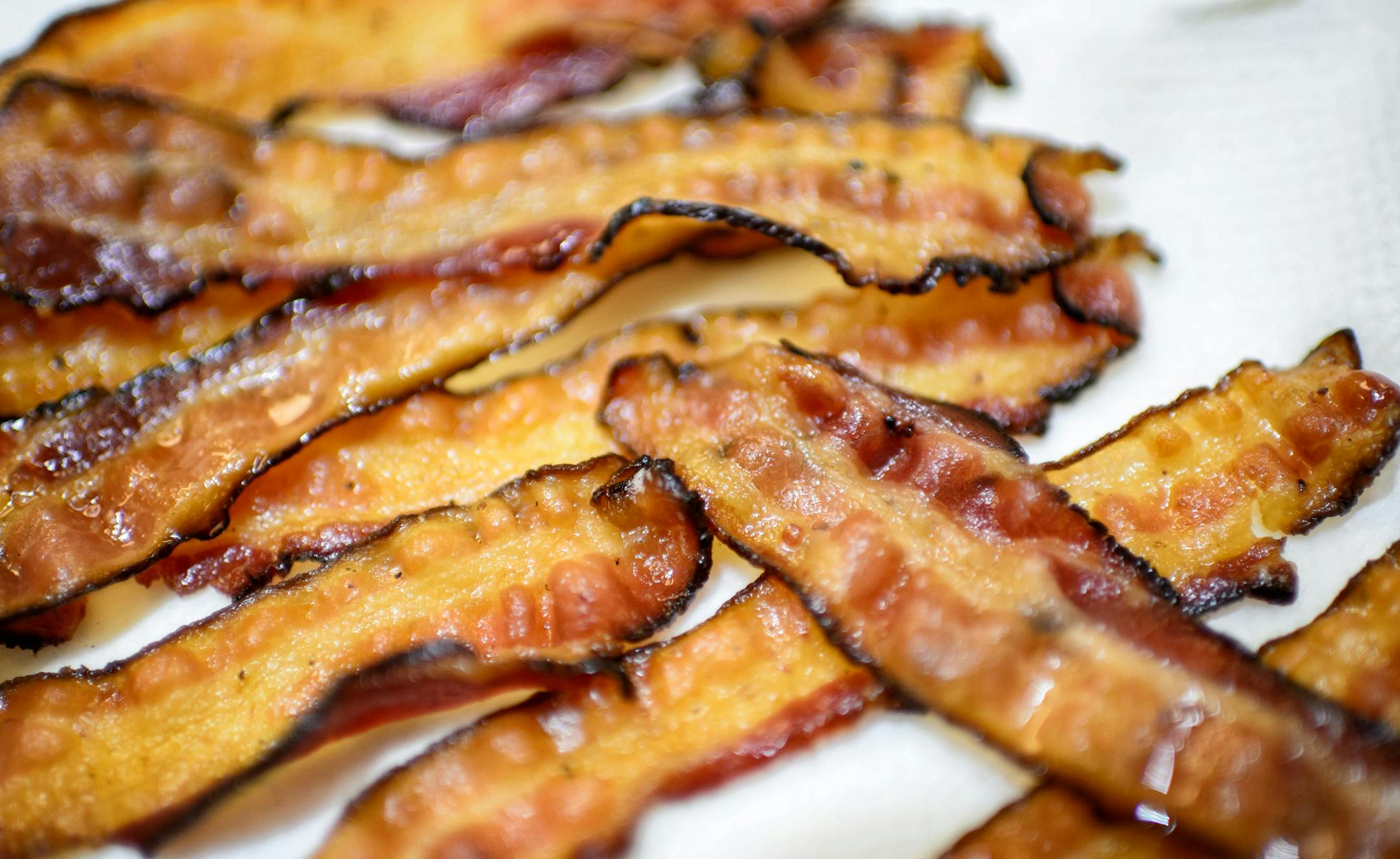
One reason for that: the high cost of creating many pork, beef and nut products. The cost to buy pork bellies, for example, rose 25% just this fiscal year.
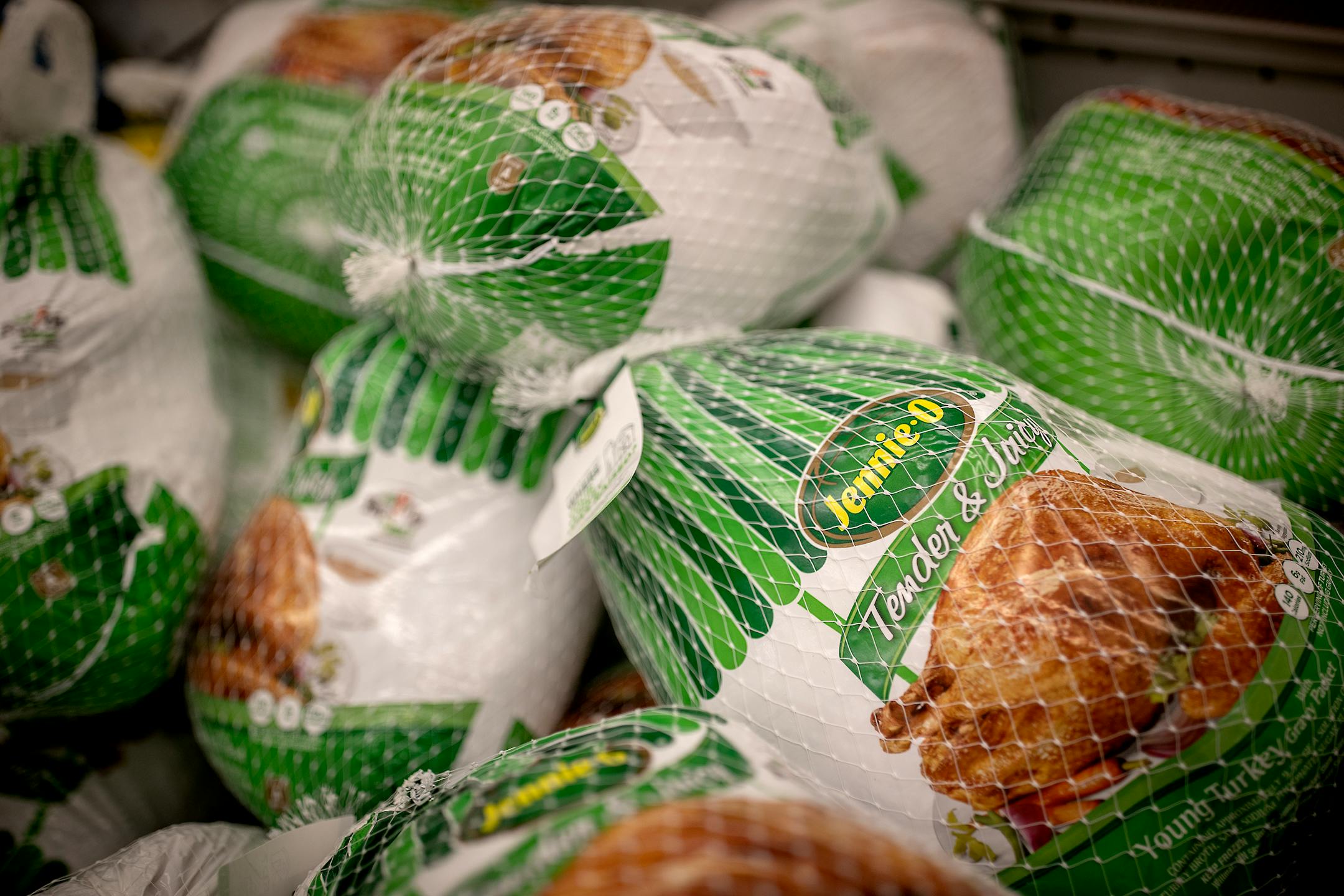
Add to the mix a September fire at a Skippy Peanut Butter facility, a strain of bird flu that claimed tens of thousands of Jennie-O turkeys and a recall of 4.8 million pounds of chicken, and Hormel’s stock is down 23% this year. Yet, Hormel’s sales still edged up in 2025, outpacing many packaged-food peers such as Golden Valley-based General Mills and Conagra Brands that saw sales decline.
Hormel has turned to layoffs and restructuring to help its bottom line. But figuring out how the protein-focused company can capitalize on a pro-protein customer could make all the difference.
“We do love our protein-centric portfolio because it’s varied. We offer diverse proteins across animal- and plant-based proteins and occasions like breakfast, lunch and dinner,” said Hormel President John Ghingo. “The critical part for us is how we continue to add value for consumers and meet their needs.”
Eat more
Protein supports immune function and helps to build muscle. Since 2021, it’s the nutrient most Americans work to include in their diet, according to the International Food Information Council (IFIC).