Harassment toward Somali businesses surges after viral video

As national attention focused on Minnesota’s Somali community over allegations of day care fraud, business owners from the community say they’re seeing a rise in threats.

The Minnesota Star Tribune
January 9, 2026 at 12:00PM
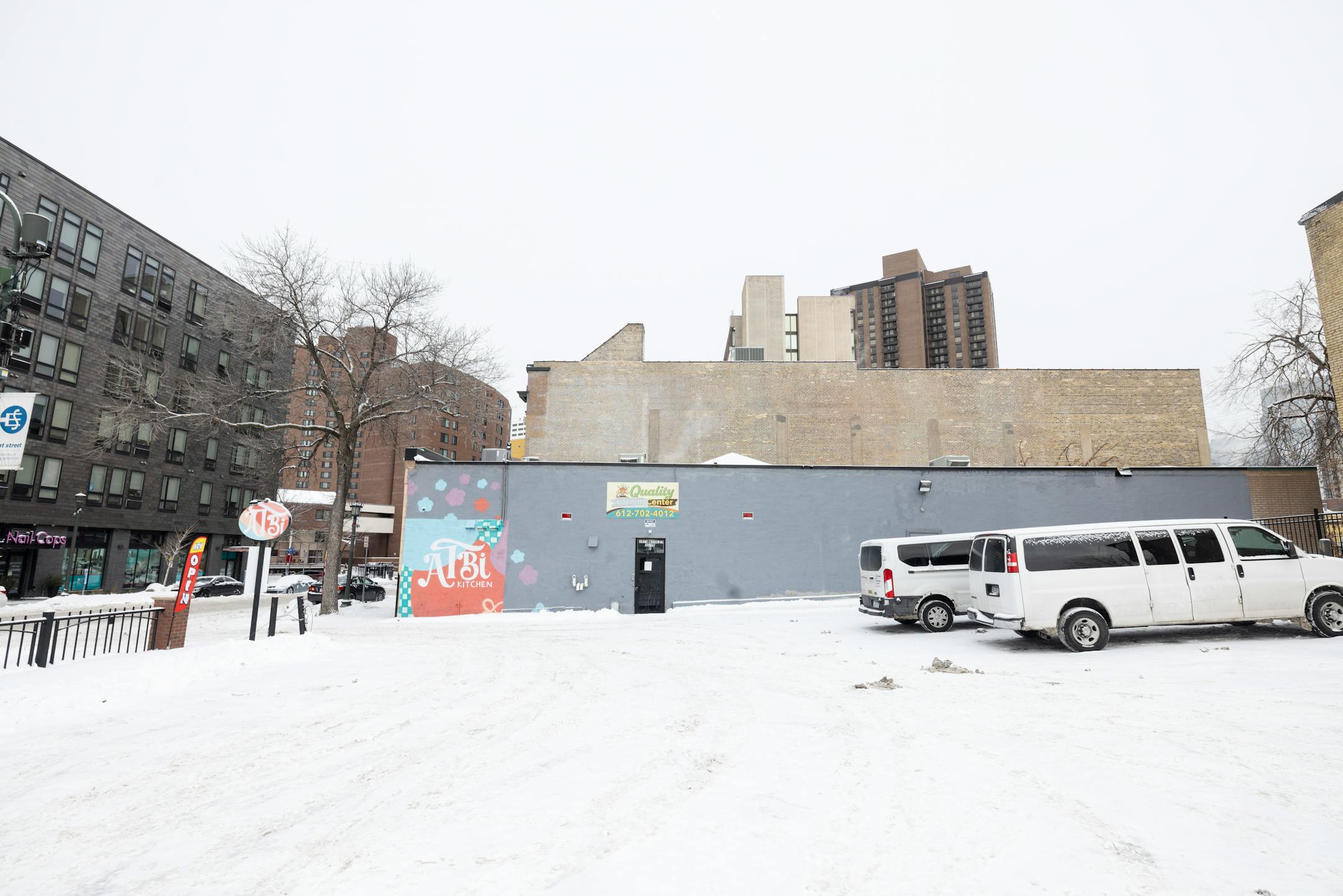
Albi Kitchen in Minneapolis operates in the same building as Quality Learning Center, which was featured in a viral YouTube video created by conservative influencer Nick Shirley. The restaurant run by Somalis has since has received threats. (Jenn Ackerman/The New York Times)

Minnesota businesses are facing a wave of harassment and threats following a politically charged YouTube video accusing Somali-owned day care providers of defrauding the state, fallout that advocates say has intensified amid a broader immigration crackdown.

“Places that never had any type of media attention or were never connected to any type of fraud or even misconceptions are being targeted — businesses that have always had a sense of belonging, who’ve been here for many, many years,” said Yusra Mohamud, who founded Yuspire, which advises minority-owned firms.

A viral YouTube video posted Dec. 26 by conservative influencer Nick Shirley alleged that Somali-owned day care providers had defrauded the state of $111 million. The unsubstantiated claim drew national attention and prompted the Trump administration to say it would freeze child care funds to Minnesota and demand audits of some day care centers.

It also triggered an influx of threatening messages at Minneapolis restaurants including Albi Kitchen, Oasis Grill and Hamdi Restaurant, as well as the Somali Youth & Family Development Center, which recently celebrated its 16th anniversary and has been swept into unsubstantiated claims circulating on social media.

People from around the country have since taken to social media to dox businesses they identify as Somali- or immigrant-owned based on Google or Yelp searches, Mohamud said.

After disparaging the Somali population, President Donald Trump also ramped up Immigration and Customs Enforcement activity in Minnesota. Legal Somali immigrants and U.S. citizens have begun carrying passports, and sales at immigrant-owned businesses have chilled.

The ICE effort, dubbed “Operation Metro Surge,” has continued to escalate, including a fatal shooting by an ICE agent on Jan. 7. The shooting has drawn nationwide attention and sparked protests in the Twin Cities.

Several restaurants that are immigrant-owned or serve immigrant populations closed after the shooting in an abundance of caution.

The Center for African Immigrants and Refugees Organization (CAIRO), a St. Cloud nonprofit that primarily serves Somali immigrants and refugees, said it has experienced an uptick in harassment in recent weeks.

Days before Shirley’s viral video was posted, two men showed up at the organization’s office, threatened staff and accused it of defrauding taxpayers, prompting CAIRO to change its safety protocols, according to the nonprofit’s executive director, Abdikadir Bashir.

Many businesses have kept logs of alarming calls and visits and reported them to authorities, including the most recent incident at CAIRO. Others have been directed to the Council on American-Islamic Relations Minnesota and to a discrimination reporting form on the state Department of Human Rights website.

Most incidents have not met the legal definition of hate crimes, though many involved threats.

Albi Kitchen in Minneapolis, which was shown in Shirley’s video, operates in the same building as Quality Learning Center, a featured day care that has now closed. The restaurant’s management posted on Instagram asking the “public and media to exercise due diligence and avoid conflating separate businesses based solely on location.”

View post on Instagram
 

The restaurant’s owner, Fardowsa Ali, said in an interview with CNN that she called police after a man threatened to visit the business and “break everything.” Albi Kitchen declined to comment.

The Minneapolis Police Department did not respond to questions Tuesday afternoon about the reported threat.

Some businesses are attempting to remove their information from the internet to reduce the volume of calls, Mohamud said, but doing so can hurt visibility and customer traffic.

“There’s all this rhetoric and [businesses] don’t know how to dismantle it,” Mohamud said. “Business owners were already feeling traumatized, but they’re feeling a lot more unsafe due to the unknown of what people will do next.”

Oasis Grill and Hamdi Restaurant in Minneapolis have both seen an increase in calls, Mohamud said, forcing employees to sort through prank calls, threatening messages and customer inquiries.

A source connected with Oasis who wanted to remain anonymous because of the threats said the restaurant began receiving harassing phone calls in early December after Trump’s comments about Somali Americans, with calls increasing after Shirley’s video garnered national attention.

At one point, the restaurant unplugged its phone, but later reconnected it to take customer orders.

“This kind of harassment goes way beyond just business disruption,” the source said. “It affects people on a personal level, especially in a place that has been home.”

The business has discussed hiring security and has reported the calls to police, recording threatening messages to monitor for escalation or repeat callers.

Mayor Jacob Frey’s office confirmed it has received calls from local businesses about an increase in threats.

“The mayor unequivocally condemns those who are stoking bigotry against our Somali neighbors,” a spokesman said in a statement. “Hate makes our city less safe, not more.”

Minneapolis police said they have seen an increase in reports of businesses and day care providers receiving harassing phone calls and messages, with at least a dozen reporting such communications Dec. 19 through Dec. 31.

The national attention has prompted several responses from state officials, including the Minnesota Department of Children, Youth and Families, which said on Jan. 2 that it is investigating 55 day care providers, including four referenced in Shirley’s video.

The agency did not respond to questions about whether the investigations were launched in response to the allegations raised in the video.

Gov. Tim Walz announced on Jan. 5 that he was dropping his bid for re-election, saying he couldn’t give his all to the campaign amid months of heightened scrutiny over fraud in state programs.

The day care centers featured in Shirley’s video also have received threats. Five of the 10 child care businesses featured in the video operated as meal sites for Feeding Our Future, the nonprofit at the center of a fraud scandal that has resulted in more than 50 convictions so far.

None of those five businesses has been accused of wrongdoing. Prosecutors have also said hundreds of people involved in the fraud may never be charged.

Earlier this year, Feeding Our Future leader Aimee Bock was convicted of seven crimes for her role in masterminding the scheme. A federal judge granted a $5.2 million forfeiture order against Bock on Dec. 30.

about the writer

about the writer

Carson Hartzog

Retail reporter

Carson Hartzog is a business reporter covering Target, Best Buy and the various malls.

See Moreicon

More from Small Business

See More
card image
Jenn Ackerman/The New York Times

As national attention focused on Minnesota’s Somali community over allegations of day care fraud, business owners from the community say they’re seeing a rise in threats.

SBA loans are up over 10% this year.