- Sign up here to follow this column by email.
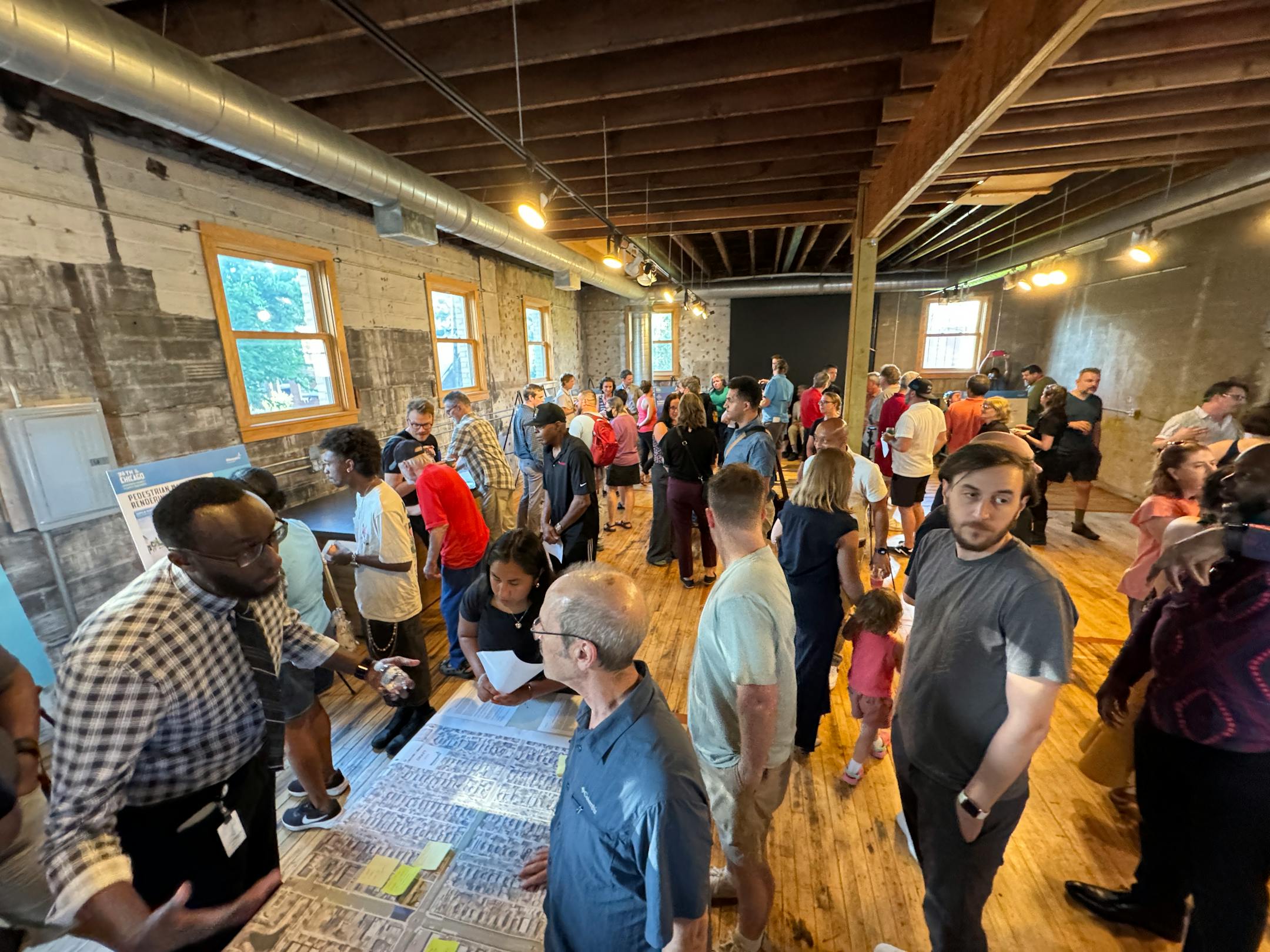
They had been here before — peering at maps of south Minneapolis amid chatter about detours and traffic flow. Someone said it was like Groundhog Day.
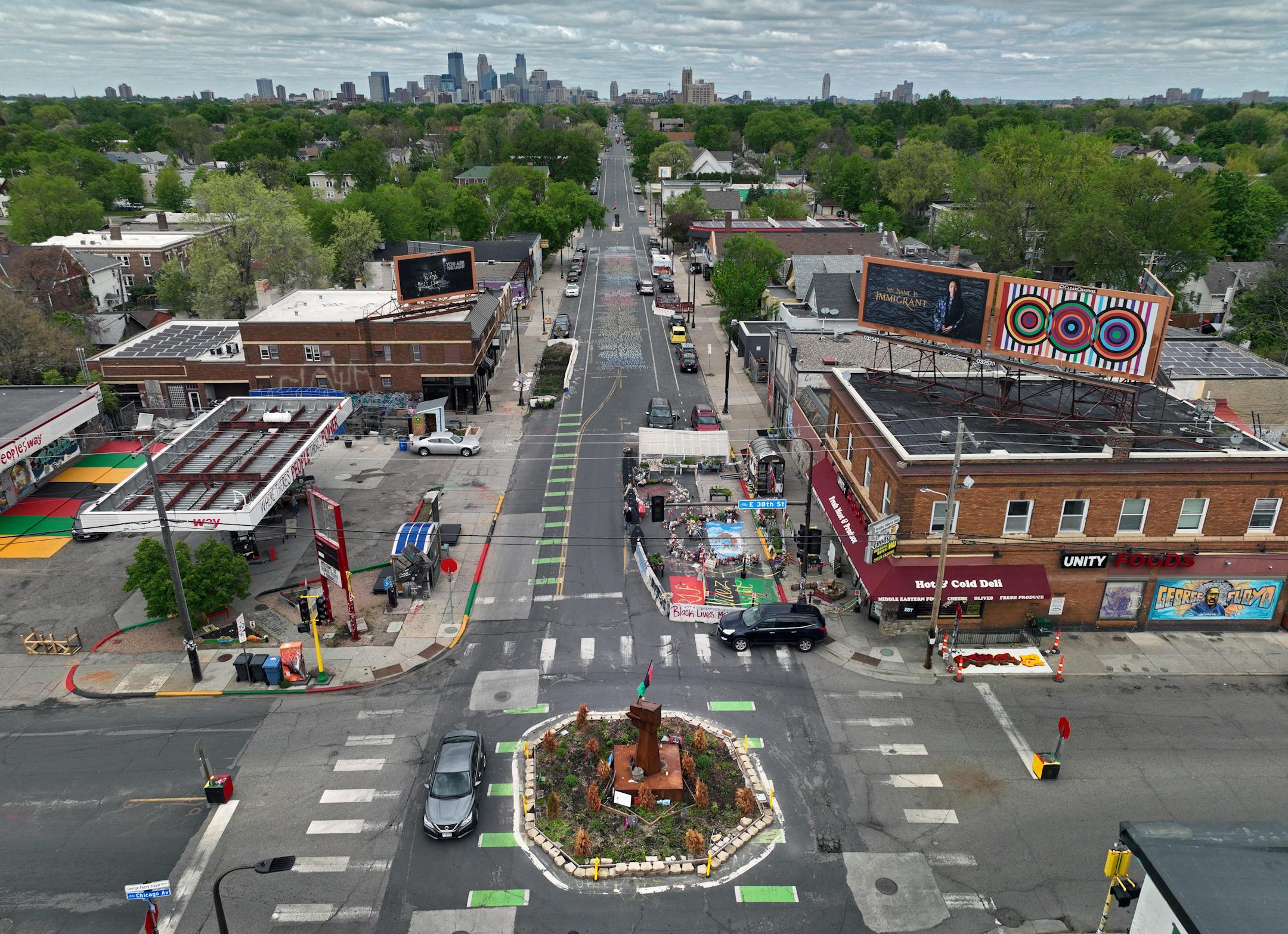
The circular nature of discussions about the future of George Floyd Square lingered over a city event Tuesday to gather feedback about blocking traffic on Chicago Avenue, a concept that had been ditched after a previous public engagement process.
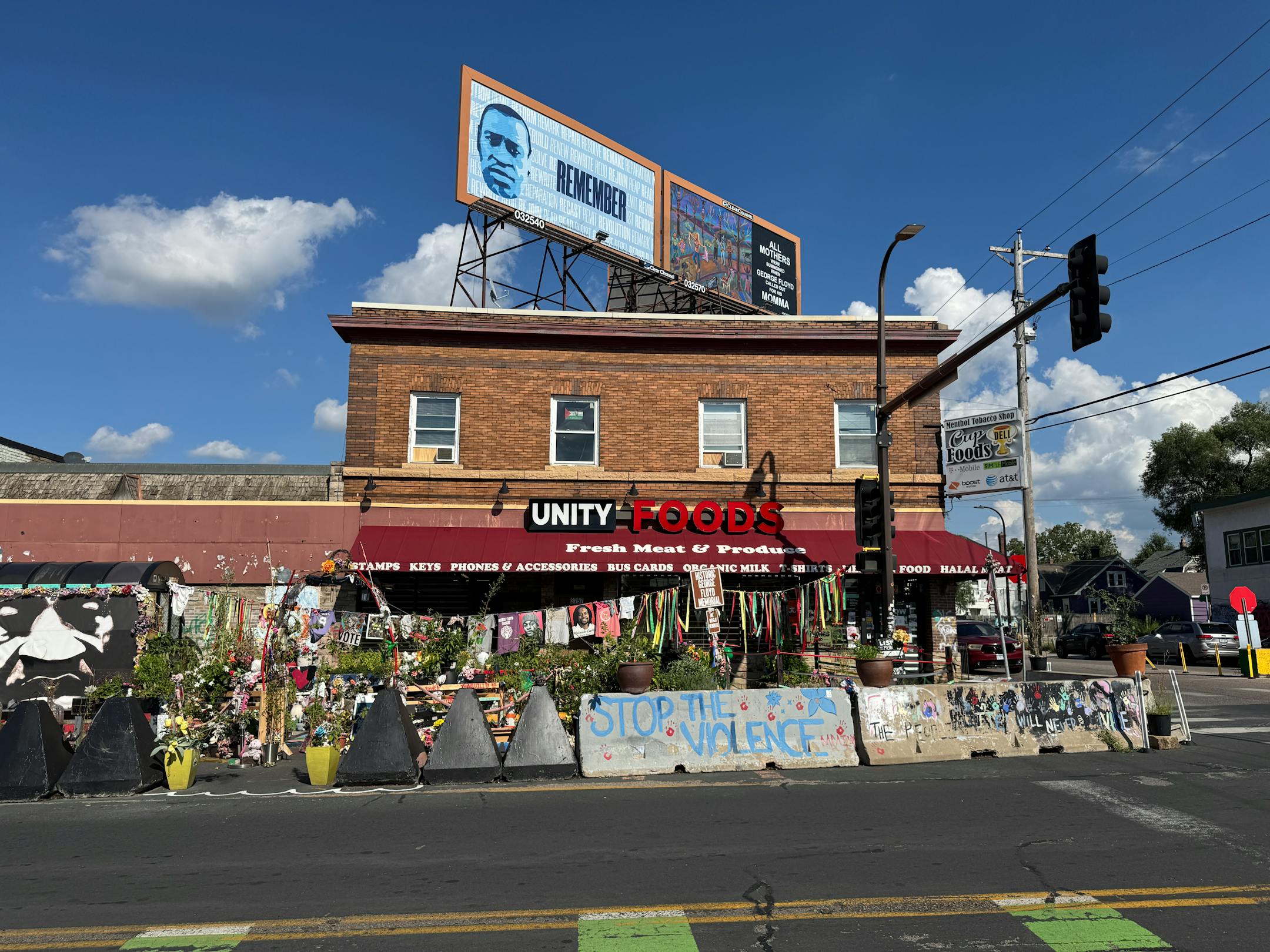
A fundamental question seemed to be buried somewhere in all the Post-It notes and presentation boards (including a rogue board erected by pro-closure activists): Does George Floyd Square belong more to a city neighborhood or the global movement sparked by Floyd’s death?
Many neighbors and most business owners don’t want to close the street, arguing that it would impede already slow progress at reviving the area. They highlight how dangerous the square became when the streets were blocked for a year after Floyd’s death. (Notably, under state law, abutting property owners would also have some veto power over a closure.)
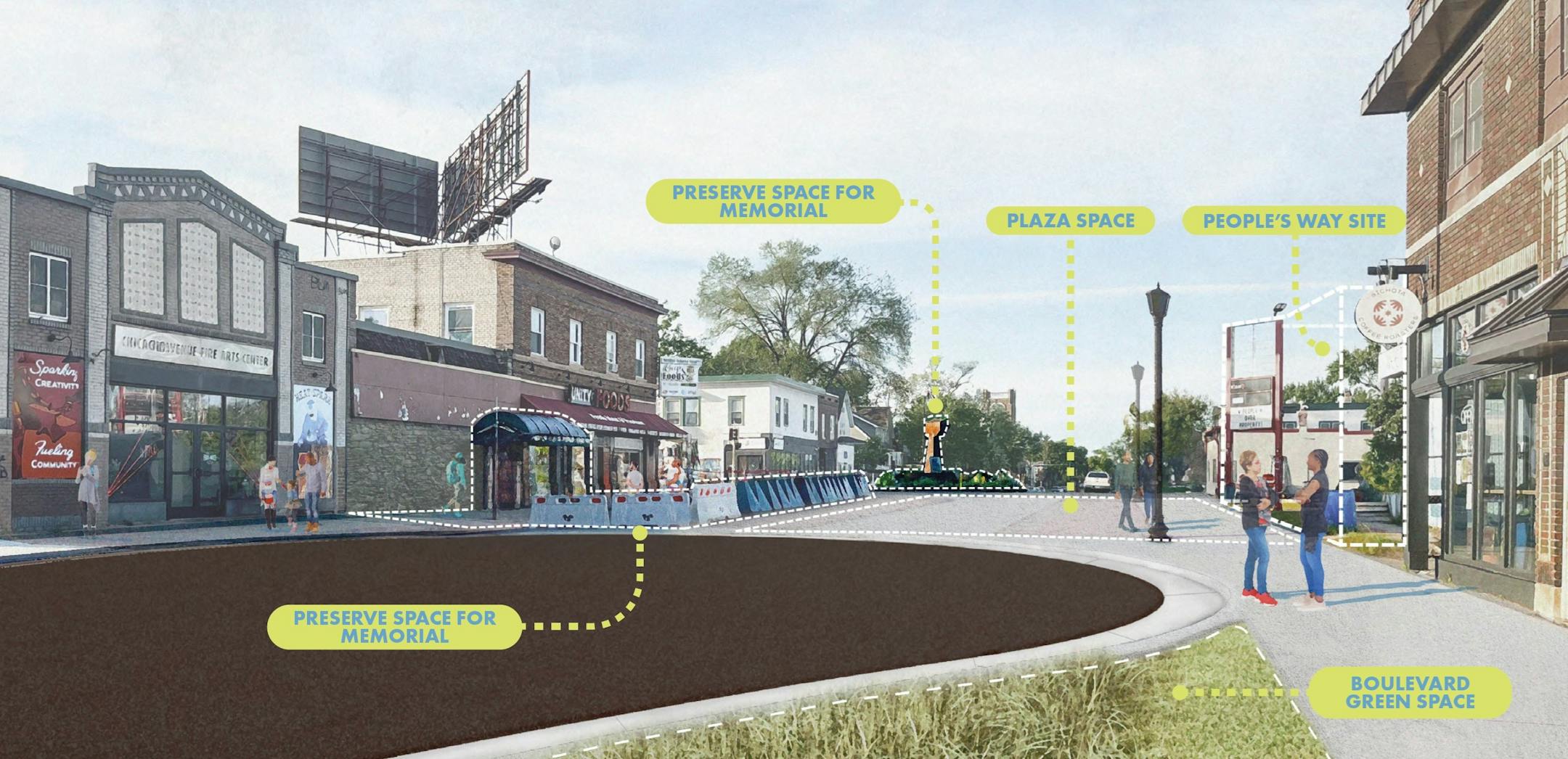
But the City Council voted down keeping the street open and backed a pedestrian plaza instead, overriding a mayoral veto in order to send staffers back to the drawing board. The council asked staff members to report back in December, which happens to follow an election that could result in a new mayor.
Who, then, was the council listening to?
The city’s roundup of community feedback said that a “strong vocal group” wanted the street closed, vs. a majority of participants who wanted it to remain open. Council Member Emily Koski, the deciding vote for the veto override, said an appeal from Floyd’s family had influenced her decision.
“There is a small group of folks who have … a very loud megaphone that is not a reflection of what the broader community wants," said P.J. Hill, who owns several buildings next to the square and opposes blocking the street.