Opinion editor’s note: Strib Voices publishes a mix of material from 11 contributing columnists, along with other commentary online and in print each day. To contribute, click here.
•••
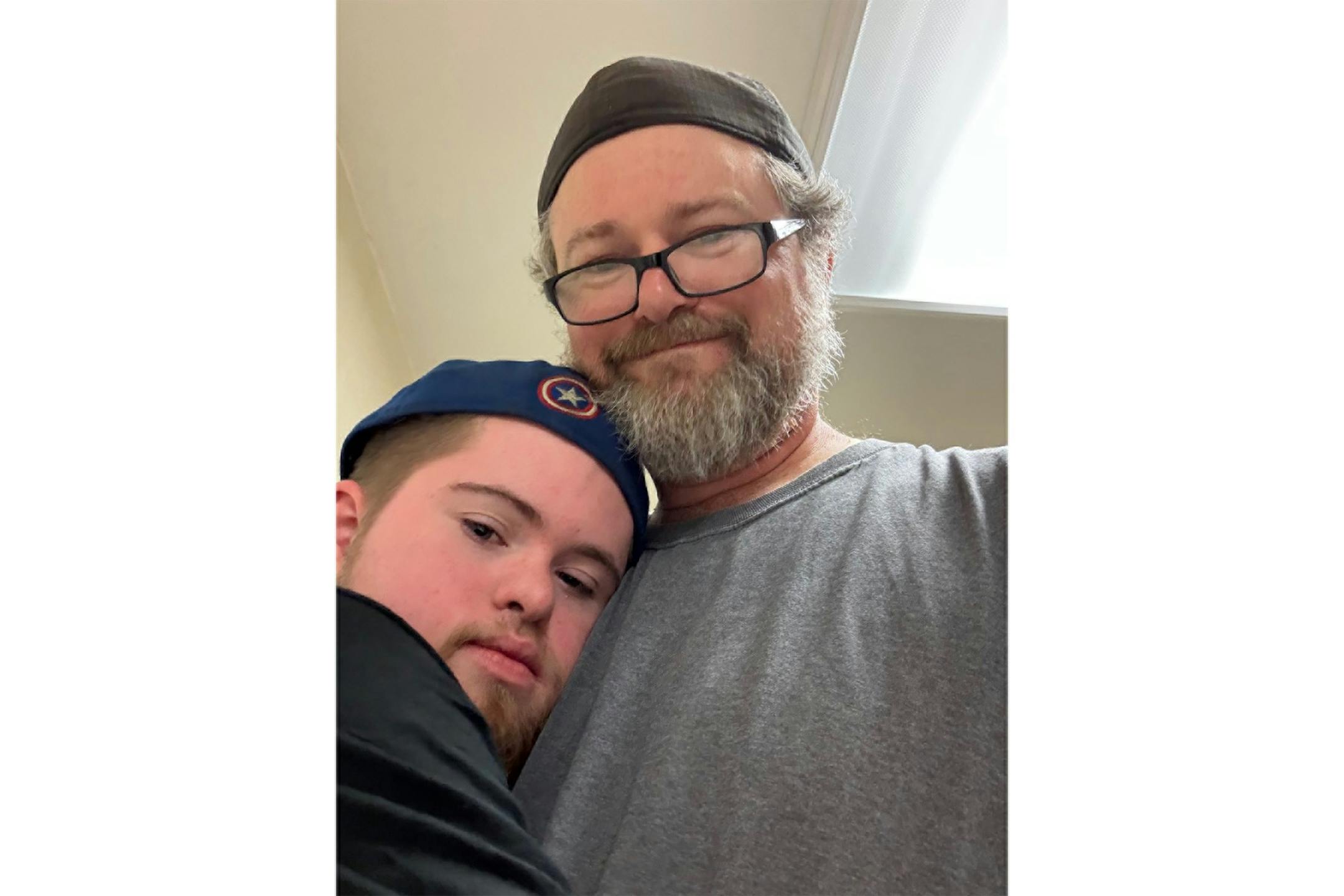
In 2007, my son Nico was born at Abbott Northwestern Hospital in Minneapolis and immediately diagnosed with Down syndrome. I knew almost nothing about trisomy 21, and most of what I thought I knew was wrong, but (as I’ve written here before) I had one thing going for me: I’m a historian.
The true value of a liberal arts education is not learning a collection of facts, but learning how to learn. To know what you don’t know, and to know enough to know you need to know more. And then to actually do the work. To raise a child with Down syndrome requires understanding a mishmash of federal, state and local government policies, while also studying disability and philosophy, art, history, science and more. You gotta do the reading. I did a lot of reading. I’m still doing the reading, following where it goes often into unexpected places.
What we teach in the humanities is how to be ready to learn the things you don’t already know that you’re going to need. This can be small things — new technical skills, changes in jobs, or just hobbies like identifying safe mushrooms or fixing outboard motors. But ideally, being a humanist means having the skills you’re going to need at life-changing moments such as when the nurse looked seriously at me and said, “Down syndrome.” It’s a training that served me well in trying to be a better parent, and it’s a training that I received here in Minnesota.
I moved to Minnesota in the late ’90s to study medieval history. That’s less unusual than it sounds. Both the brilliant faculty of the University of Minnesota and the opportunity to live in this magnificent place draw people in from around the world. Once I was here, and especially after I got married to a woman who had been born and raised in St. Paul, I never wanted to leave. We did move to Chicago for a decade so I could be a professor, but we were always angling back toward the Twin Cities. And when in 2017 I found work as an adviser in the history department at the U, my alma mater, we were overjoyed to return.
But we’re here in Minnesota not just because of the friends and family who live here, or the natural beauty of this glorious state, or the way the Twin Cities area offers everything one wants from urban life on a very human scale. We’re here because Minnesota is a state that believes, on a bipartisan level, in serving the public good via good governance. And as parents of a boy with Down syndrome, we need a state that functions and cares.
It takes resources to provide Nico, and those with similar needs, with opportunities to learn and grow, to exercise agency and make choices about their lives and to be as independent as they want to be. These resources are often cost effective. It is, for example, much cheaper to provide services in people’s homes than to house people in state-run institutions. But we can’t reduce human rights to the bottom line — not for my son, not for any marginalized population — and at our best, Minnesotans understand that.