

Opinion editor’s note: Strib Voices publishes a mix of guest commentaries online and in print each day. To contribute, click here.
•••
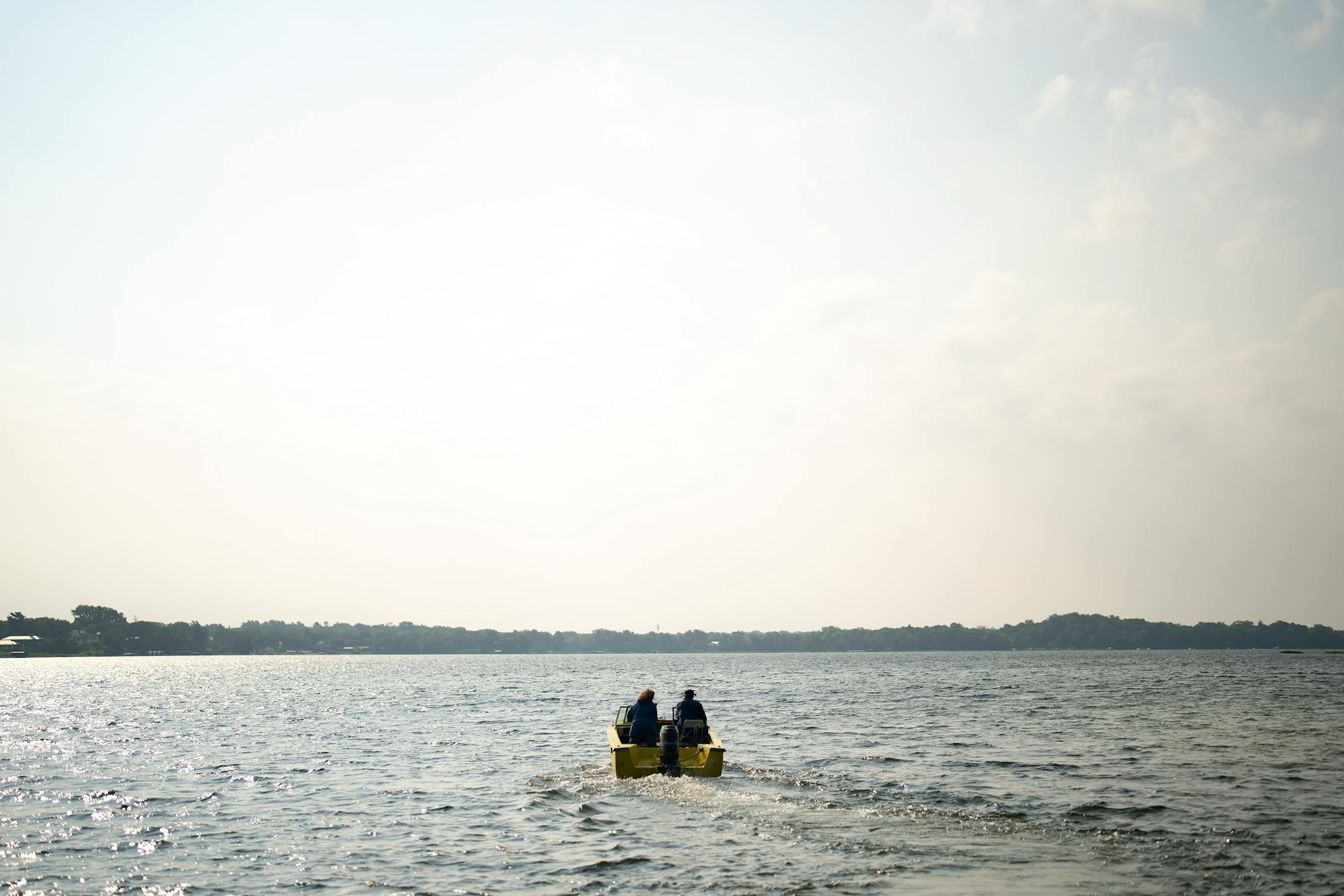
I thought surely the big yellow boat would slow down as it raced toward the marina along the St. Croix River, its path intersecting with my own as I tried to get safely to shore. But instead, the other driver kept at speed, water spraying up from its sides and leaving a massive wake.
I turned the prow of my little 12-foot aluminum boat into the wake so it wouldn’t hit me from the sides, but to no avail. I rose up then slammed down as the first wave hit, sloshing water into my boat. The drenching threw off the equilibrium of my boat and it began to tilt backwards, water gathering in the stern and around my legs. More and more water came in with every few feet of progress.
Within a minute or two, I realized I was in trouble and instinctively grabbed the safety lanyard to kill the motor just as the boat started sinking. It flipped. I fell out. I lost most of my fishing gear, but wasn’t hurt, and began swimming the boat toward shore.
All of this is to say that I am 100% behind the idea that Minnesota boaters could be better trained in safety. The problem is that the new mandatory course and test to get a permit, a new regulation that went into effect at the beginning of this month, is unlikely to change behavior because it’s a terrible way to teach people. Moreover, the design of the program exemplifies one of my least favorite trends in government: treating it like a product, full of upselling and advertisement, rather than a service provided equally to all.
Here’s how the test to get a permit works: The Minnesota Department of Natural Resources page takes you to an online company that sells the tests. For $35 you can take a “textbook-style” course that divides everything you need to know about boat safety into nine chapters, then divides the topics into, on average, 15 separate web pages. You click on the page. A video plays. You can also read the text.
What you can’t do is click ahead to the next page until a certain minimum time has elapsed. Often, I read the page in a few seconds, then waited (or, let’s be real, browsed the internet and forgot I was “learning”) until I was allowed to click forward. For $55, though, I could have bought an interactive course with no minimum times, allowing me to breeze through the experience. As I completed the cheaper course, pop-up messages kept appearing trying to upsell me to the interactive course, promising me a less irritating experience to get the same certification.


