

Opinion editor’s note: Strib Voices publishes a mix of guest commentaries online and in print each day. To contribute, click here.
•••
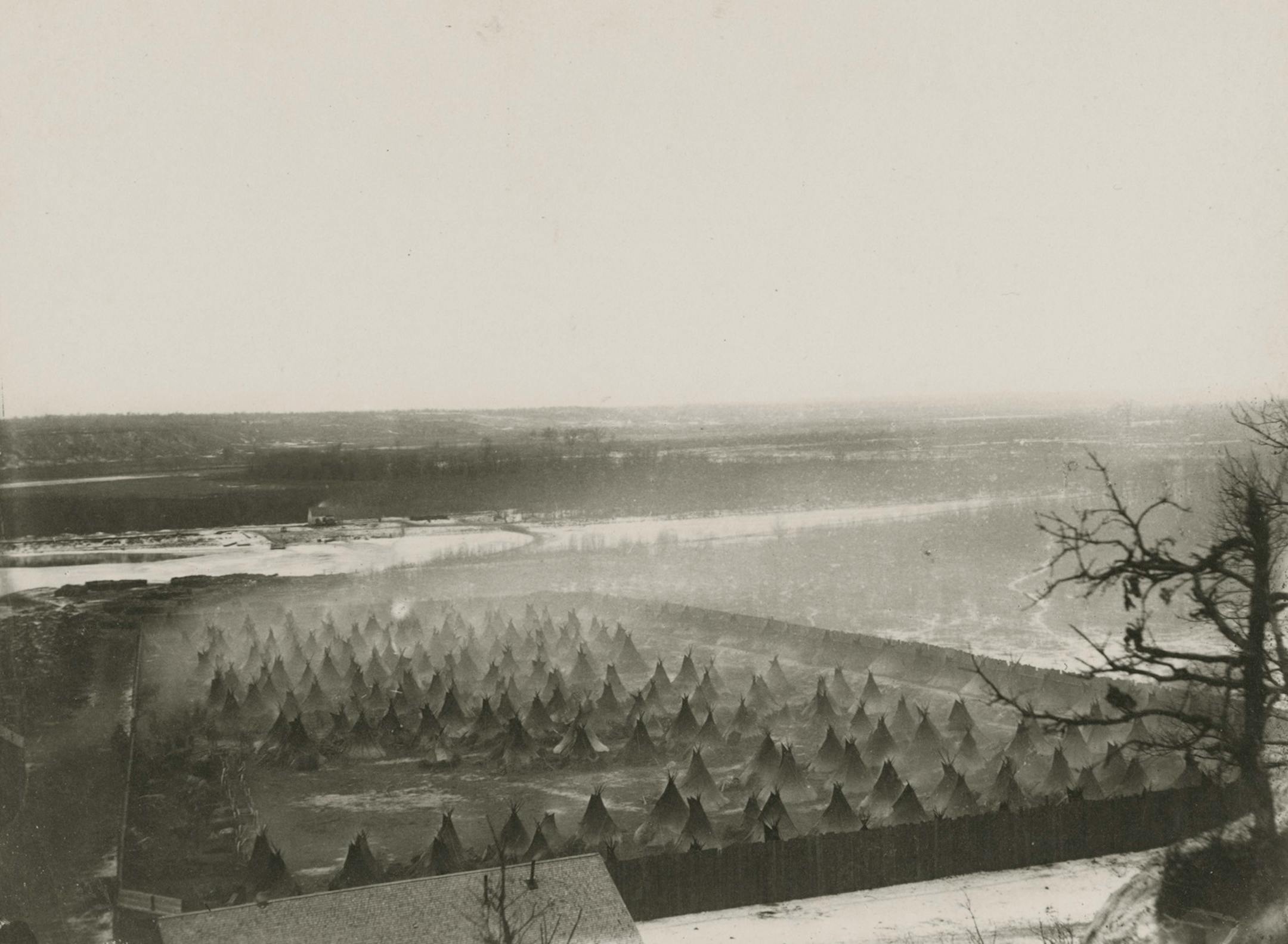
Every time I drive to the Minneapolis-St. Paul airport, I go past the site of a former concentration camp. In America, this isn’t unusual.
Just about wherever you go in this country — if you pay attention to history — you can find a spot where the U.S. government decided to incarcerate a group of people without any kind of trial or judicial process based on that group’s identity. Even if conservatives don’t want to hear it and are actively trying to erase those parts of our history from our classrooms, textbooks and public parks, concentration camps are as American as apple pie.
I’ve been thinking about this history a lot while watching the federal government embark on a new plan to build concentration camps across America, all funded by your tax dollars. The Trump administration is planning to spend $45 billion building and expanding a string of detention camps for immigrants, the vast majority of whom have no criminal history. Republicans can give the new camps cutesy, alliterative names like “Alligator Alcatraz” or “Speedway Slammer,” but that only intensifies the obscenity of the current project.
Someday, I hope, we’re going to have a reckoning over the horrors of this moment, but I don’t think we can do it without a clearer understanding of how this fits into U.S. history. There’s a tendency to say, “This isn’t who we are,” and I get the impulse, but history is never that simple.
In November 1862, around 1,600 Dakota people — mostly women, children and the elderly — were forcibly brought to a prison camp at Fort Snelling. Over the following winter, hundreds died due to disease and deprivation. In the following spring, the army enacted an explicit act of ethnic cleansing — authorized by Congress — and took the survivors from Minnesota and placed them at the new, isolated and desolate Crow Creek reservation in what is today South Dakota.
Nick Estes, assistant professor in American Indian Studies at the University of Minnesota, is an enrolled member of the Lower Brule Sioux, a tribe located just across the river from Crow Creek. He told me over the phone that Crow Creek, too, can be understood as a concentration camp. “Crow Creek was set aside to concentrate the survivors of the U.S.-Dakota war into a plot of land, with death rates higher than at Fort Snelling. There were no provisions. People died of malnutrition and had no means to leave. Historians call it a death camp, a place meant for Dakotas to go and die.”


