

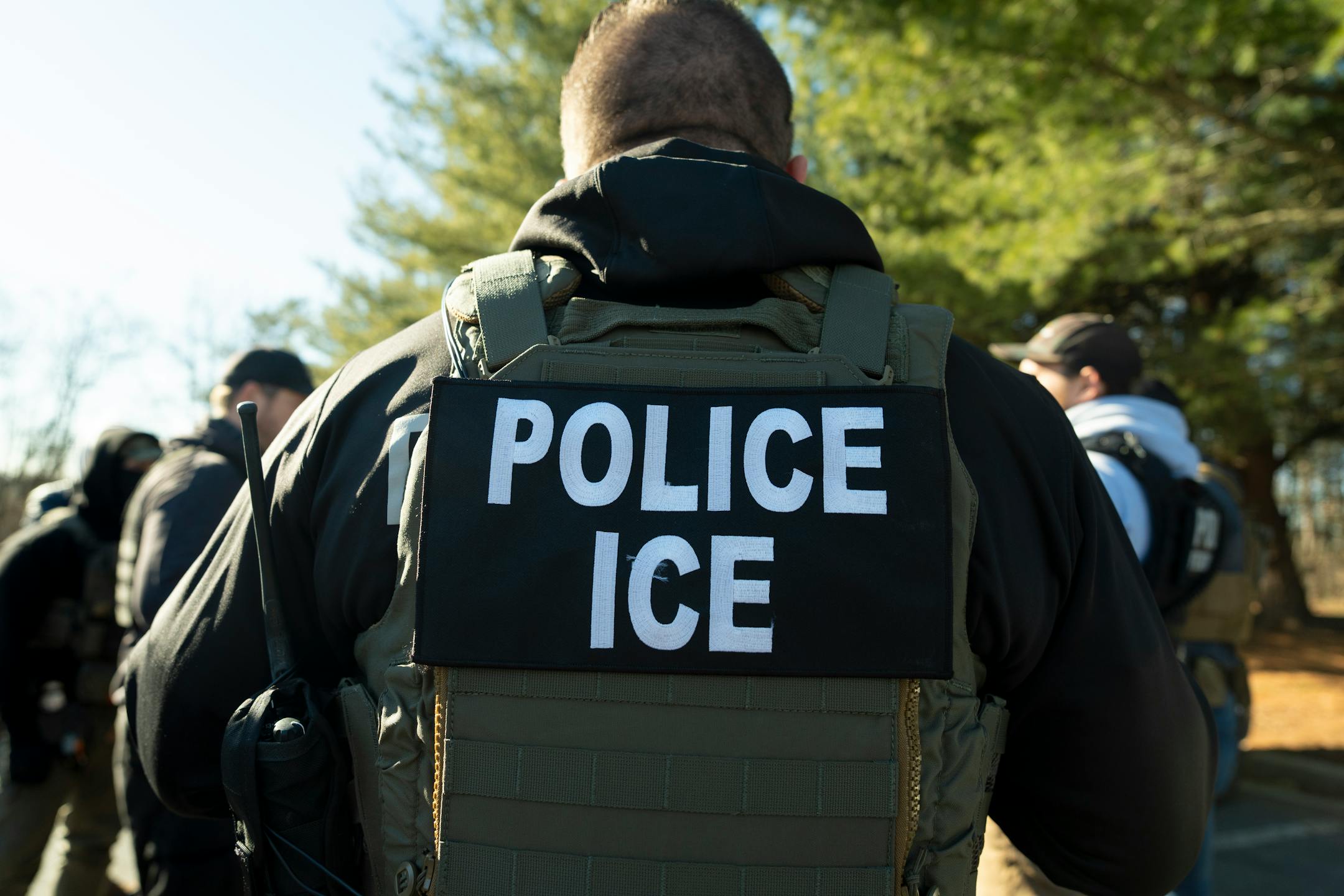
When ICE rounded up over a dozen Hmong men from Minnesota last month, the agency posted their photos online along with the criminal sex convictions for which the men were going to be deported to Laos, the agency said. The message was that the new administration is sweeping dangerous people off the street.
The arrests took the Twin Cities refugee community by surprise. Many of the men had come to America after the wars in Southeast Asia and lived in the Midwest for decades. They had families, including children born in America. In some cases they had committed their crimes as juveniles or young adults, completed their sentences long ago and had been discharged from probation.
They had little, if any, connection to Laos. In fact, relatively few American residents have ever been deported to Laos, according to annual reports from Immigration and Customs Enforcement.
The truth is, entering America as a refugee doesn’t vest anyone with special protection from deportation in the event of a criminal conviction.
Deportable crimes range from murder to nonviolent theft, and include offenses related to marijuana, which is still federally outlawed despite being legal for recreational use in half the states.
In Minnesota, the state Resettlement Programs Office funds an education series for recent arrivals, including a session that warns people to avoid trouble with the law because a criminal conviction could permanently block the path to citizenship and result in deportation.
“If you haven’t become a U.S. citizen, you are at risk of deportation ... and what we’ve seen with the arrest of Hmong individuals is they had been ordered deported based on past criminal convictions,” said Jennifer Stohl Powell, executive director of the Immigrant Law Center of Minnesota. “One of the differences is, in the past, some countries have been reluctant, have not accepted deportees, and that is changing under pressure from the current administration.”
Deportation to Laos
Among Minnesota’s largest refugee groups are ethnic Hmong, Lao, Vietnamese and Cambodian people who fled 50 years ago after being hunted for siding with America in its conflicts against communism across Southeast Asia, including the Vietnam War. Many eventually were naturalized as U.S. citizens.


