
21 things you can declutter with zero emotional energy

Every home has at least some of this ‘junk,’ experts say.

The Washington Post
August 19, 2025 at 2:20PM
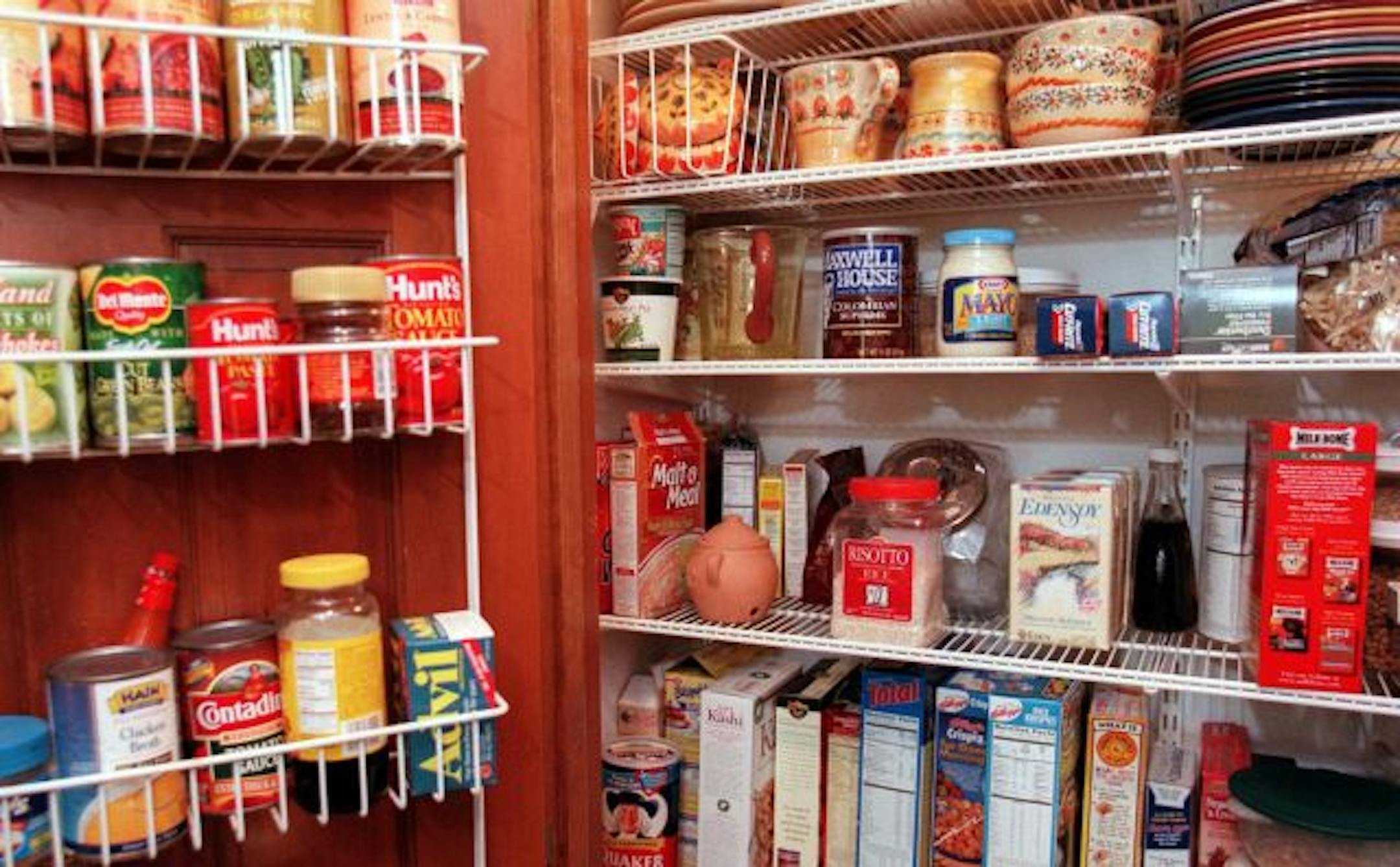
The kitchen pantry
If you've got expired food and spices lurking in your kitchen pantry, it's a good place to start decluttering. (Tribune News Service)

Talk to a professional organizer, and they’ll tell you that they see the same clutter in every home they enter. In fact, our stuff is so predictable that they can rattle off lists of things we all have in our homes that are, to put it bluntly, junk.

Picking off these easy-to-purge items is a strategy that many professional organizers recommend as the first step in a larger decluttering effort.

“Decision-free decluttering is about spotting and removing items that are easy to part with — things you don’t have to think twice about,” said Barbara E. Tanaka, an organizing adviser at Real Estate Bees.

“Decluttering is tiring not because of the physical effort, but because of the mental load,” she said. “Every item forces a decision: Do I keep this? Will I need it? Does it still serve me? What if I regret tossing it?”

This is known as decision fatigue, and it’s the reason decluttering efforts often are abandoned or avoided entirely.

“That’s where decision-free decluttering shines,” Tanaka said. “It allows us to build momentum by clearing space without overthinking. It’s like decluttering with training wheels. You get instant wins and free up mental space to tackle the harder stuff later.”

If you’re drowning in stuff and struggling with where to start, or you just want some quick decluttering wins, try hunting down these items that are taking up space in all our homes.

Expired food, including spices. This is the easiest place to start, said Jennifer Q. Williams, the founder of Saint Louis Closet Co. Expired things “serve no emotional attachment and only give you more momentum to keep going.” And don’t forget the freezer.

Branded freebies and promotional items like plastic cups, water bottles, koozies, insulated tumblers. If you didn’t pay for it and you don’t use it, toss, recycle or donate it.

Takeout detritus including plastic utensils, takeout containers, sauce and spice packets, and paper menus, which are useful only if you actually use them. “Only keep a few plastic utensils if you use them regularly,” Tanaka said.

Food storage containers. To tame a container collection, “match all bottoms and lids, and throw away extra pieces” as well as any containers that are warped or cracked, said Wendy Trunz, a partner and head organizer at Jane’s Addiction Organization.

Reusable bags. “Make a bag of bags for each car so you have them on hand for shopping,” said Trunz. “Keep one bag of bags in the house.”

Plastic dry cleaning bags and unused wire hangers. “It’s much better to store your clothes in cotton canvas bags, so the fabric can breathe,” said Sarah Giller Nelson, of Less Is More Organizing Services. Eliminating plastic garment coverings also will make the closet appear tidier. “Simply removing wire hangers and plastic from dry cleaning will instantly make it feel better and lighter,” Trunz said.

Clothing that is torn, stained or stretched, including items in need of repair that you keep meaning to get to — get to it today or get it out the door. Nick Friedman, a co-founder of College Hunks Hauling Junk & Moving, puts old workout gear in this category: “If it’s stretched out, stained or hasn’t seen a gym in years, donate or toss.”

Promotional swag like T-shirts, tote bags and bandannas. These freebies you picked up along the way and stashed in your closet are just taking up space. Donate or recycle them.

Orphaned socks. If you’re hoping their mates will turn up, don’t bother. “They will not reappear,” Giller Nelson promised. Ditto socks with holes. “You are not going to mend them,” Tanaka said.

Paper bags. Paper shopping bags seem to proliferate in the night like well-hydrated mogwai. “Keep a few handy, and recycle the rest,” Friedman said. Or you can donate extras to food pantries. Another suggestion: Fill the bags with items on our experts’ list of decision-free things to part with today.

Receipts and product manuals. “You can find most manuals online now, and receipts fade and pile up fast,” Friedman said. Use the scanner app on your phone to digitally preserve receipts or other information you need to keep.

Books you’ll never reread. “Donate them to local libraries, schools or free little libraries,” Tanaka said. Also get rid of old magazines and newspapers. If you haven’t read them by now, you never will.

Previous years’ calendars. If you’re keeping them because they note events of which you need to be reminded —your mother-in-law’s birthday, for instance — add the events to this year’s calendar and discard the old ones.

Junk mail. It’s right there in the name!

Expired or barely used beauty and personal care products, including makeup, sunscreen and bug spray. “That half-used hair mask from 2022 can go,” Tanaka said, adding, “if you can’t remember when you bought it, it’s probably past its shelf life.”

Hotel toiletries. “Unless you actually use them while traveling or going to the gym, donate unopened ones to shelters,” Tanaka said.

Dried-up markers and pens. “If they don’t work, toss them,” Friedman said.

DVDs and board games you don’t use. “If you’ve gone digital or haven’t played that game in years, pass it along,” Friedman said.

Completed coloring books, puzzles with missing pieces and other kid stuff that has run its course. Decluttering can be an emotional task, and that can be particularly true of parting with your children’s belongings. The way to start is tackling decision-free items, including broken toys and games, as well as “cheap toys and candy from birthday gift bags,” Giller Nelson said.

Decorative items. With decluttering momentum at your back, turn your eye to what Tanaka calls “dusty decor,” including “half-used, long-forgotten candles” and “the rooster cookie jar a relative gave you seven years ago — it’s OK to let it go.”

Unused hobby gear. This includes “the knitting needles from that one scarf attempt in 2016,” Tanaka said.

about the writer

about the writer

Jolie Kerr

The Washington Post

More from Home & Garden

See More
card image
Moses Yuhanna

Billy Turner, a Mounds View grad, bought and renovated the 1922-built St. Paul firehouse to be his Minnesota home base during his NFL career.