
Where to spot eagles in midwinter

Plus, cardinals “bunching up,” rodent control around feeders, where birds sleep and more.

For the Minnesota Star Tribune
February 4, 2026 at 1:00PM
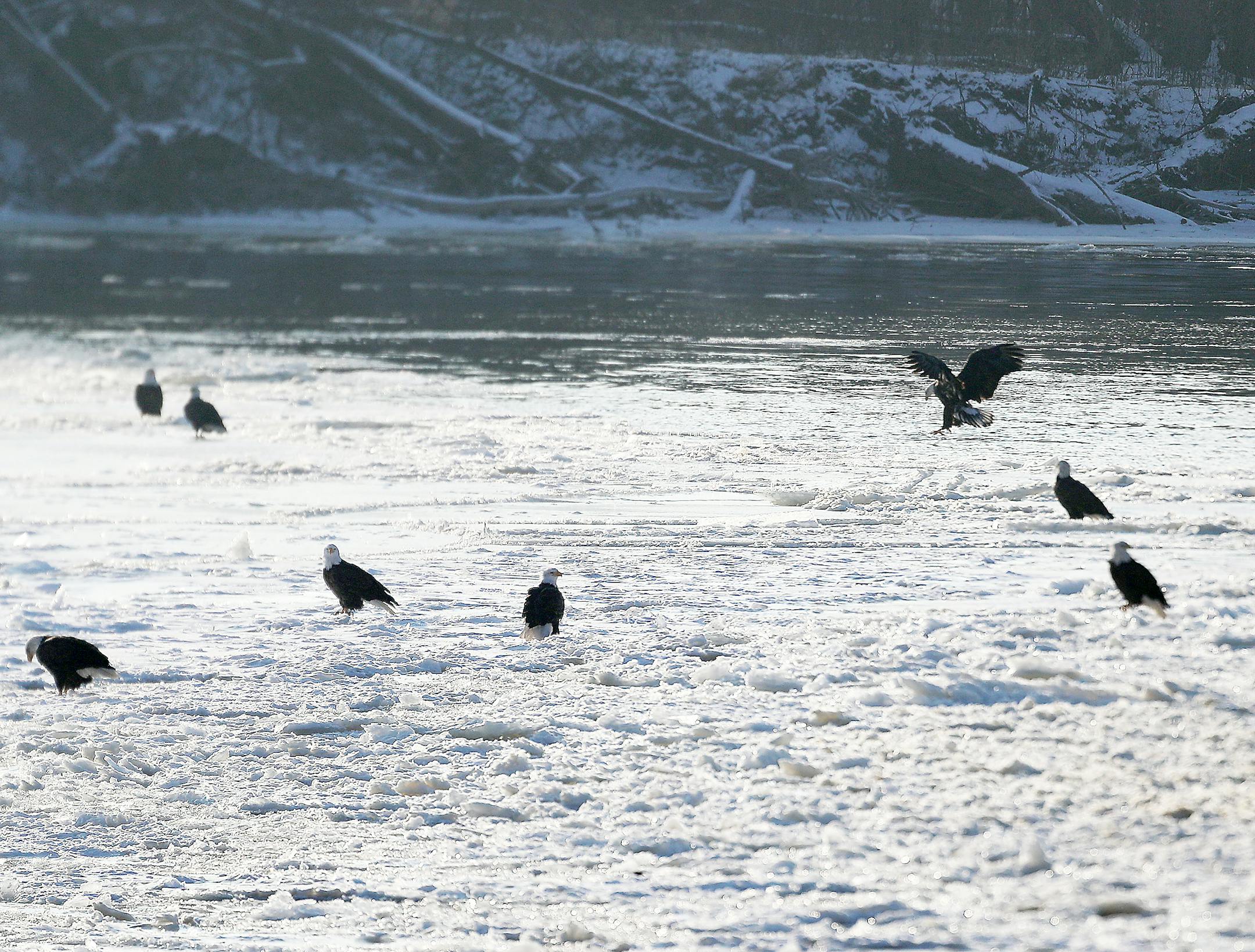
Bald eagles congregate on the ice, near an open stretch of the Mississippi River, below Lock and Dam No. 4 on Jan. 2, 2021, in Alma. During winter, much of the river freezes up and so bald eagles congregate near areas where the water is not frozen in order to hunt for food, including fish, which are a large part of their diet.
Bald eagles congregate in January 2021 on the ice near an open stretch of the Mississippi River, below Lock and Dam No. 4 in Alma, Wis. (David Joles/The Minnesota Star Tribune)

Q: I want to show my houseguests some eagles before they have to leave, any suggestions?

A: At this time of year, bald eagles congregate near open water where they can hunt for fish and the occasional duck. The Mississippi River is a reliable place to spot eagles, and you don’t have to go far to find them. Kaposia Landing (800 Bryant Av.) in South St. Paul usually has open water where eagles rest in shoreline trees or actively hunt over the Mississippi. You might also drive south along the river looking for open water at the south end of Lake Pepin in Lake City (61 miles) or go a bit farther along Hwy. 61 to Reads Landing (72 miles from St. Paul), where the Chippewa and Mississippi meet. Just 4 miles farther south is Wabasha, the home of the National Eagle Center — with many eagles outside. Eagle watchers say the best time for eagle viewing is mornings before 11 a.m., while eagles are still hunting. If there’s ice on the water, eagles tend to drop down and gather on the edge.
(Jim Williams)

So many cardinals

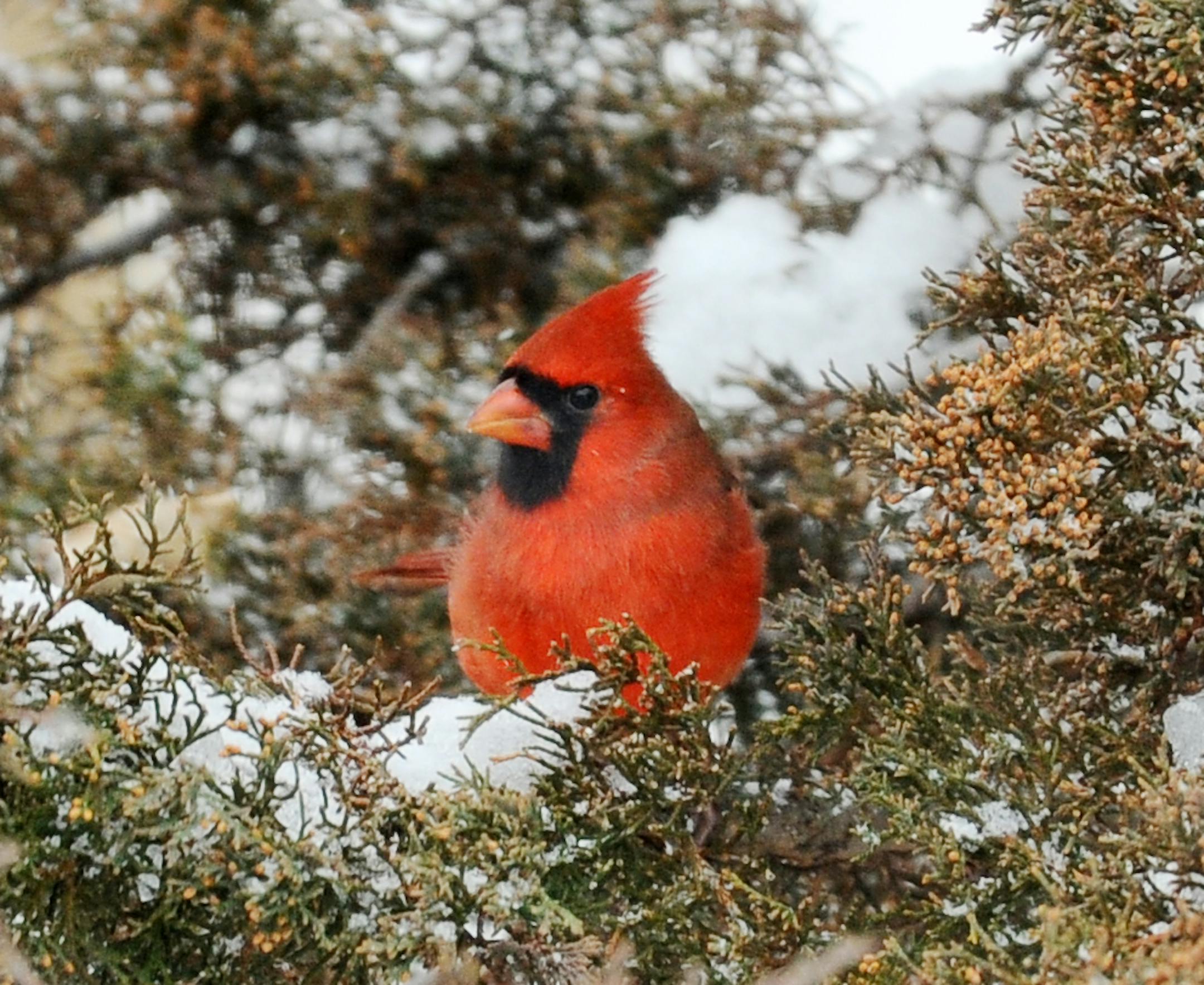
Q: I saw 15 cardinals in my backyard recently. Isn’t this unusual? What were they doing?

A: You were so lucky to be treated to one of the most beautiful sights in the winter bird world — a flock of a dozen or more brilliant red birds hopping together on the ground or perching in a shrub or tree. It’s not all that unusual, but not many of us notice this behavior since it usually occurs at dawn or dusk. Cardinals don’t migrate, so they need to find food every day to stay alive. Since it’s no longer breeding season, their hormone level has diminished and they’re much less territorial, thus willing to gather up with other cardinals. I’ve seen as many as 20 red birds in my backyard in winter, usually just before dark. Cardinals have excellent eyesight in low light conditions, so they’re often the first birds in the morning and the last at dusk to be out foraging. These temporary winter flocks will last until spring, when hormones ramp up again and cardinals battle over territory.
(Rich Carlson)

Rodent control

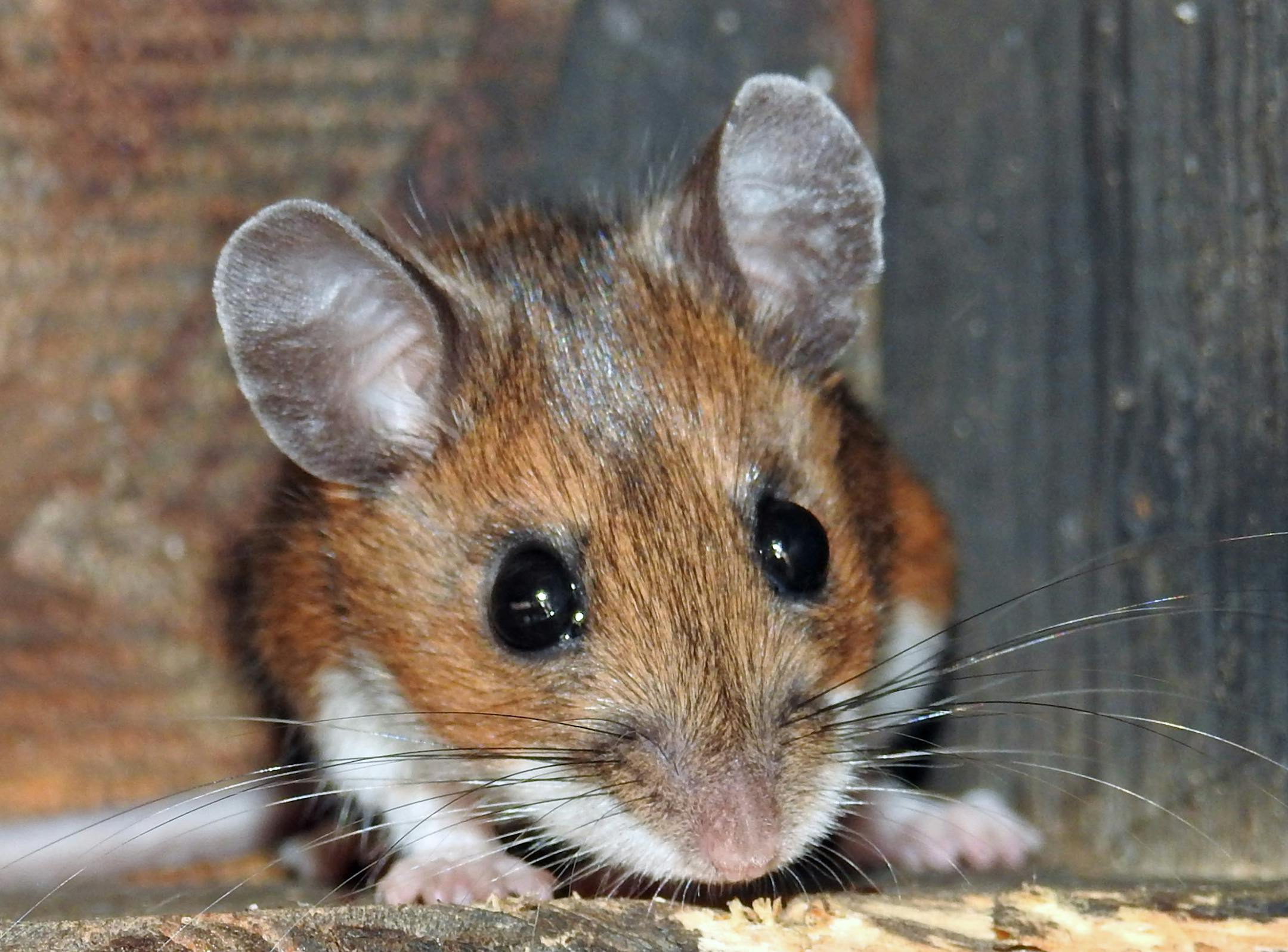
Q: I’ve been seeing mice scurrying around under my feeders and wonder if I should put out some mouse killer?

A: Please don’t use a rodent poison to control mice around your feeders. These are not safe for animals up and down the food chain, including birds. All chemicals on the market used to kill rodents are also toxic to birds and other wildlife. Many of the rodenticides contain anticoagulants, which take days to reach a lethal dose in a mouse or rat, during which time the animal could become prey to other wild creatures. These nontarget animals, including songbirds and raptors, as well as foxes and other mammals, then can be sickened by the poison in the rodent’s system.

Other control methods, such as glue traps, are inhumane and could pose a threat to nonrodents. To control mice attracted to bird feeding areas, regularly sweep up spilled seed and other food bits, make sure extra seed is stored in metal cans with tight lids, and avoid leaving food or water outdoors overnight for pets or strays. As you can tell, just about anything that would eliminate a mouse or rat can also pose a threat to other wildlife, not to mention the ethics of killing outdoor animals outdoors.
(Bob Hilbert)

Hawk hassles

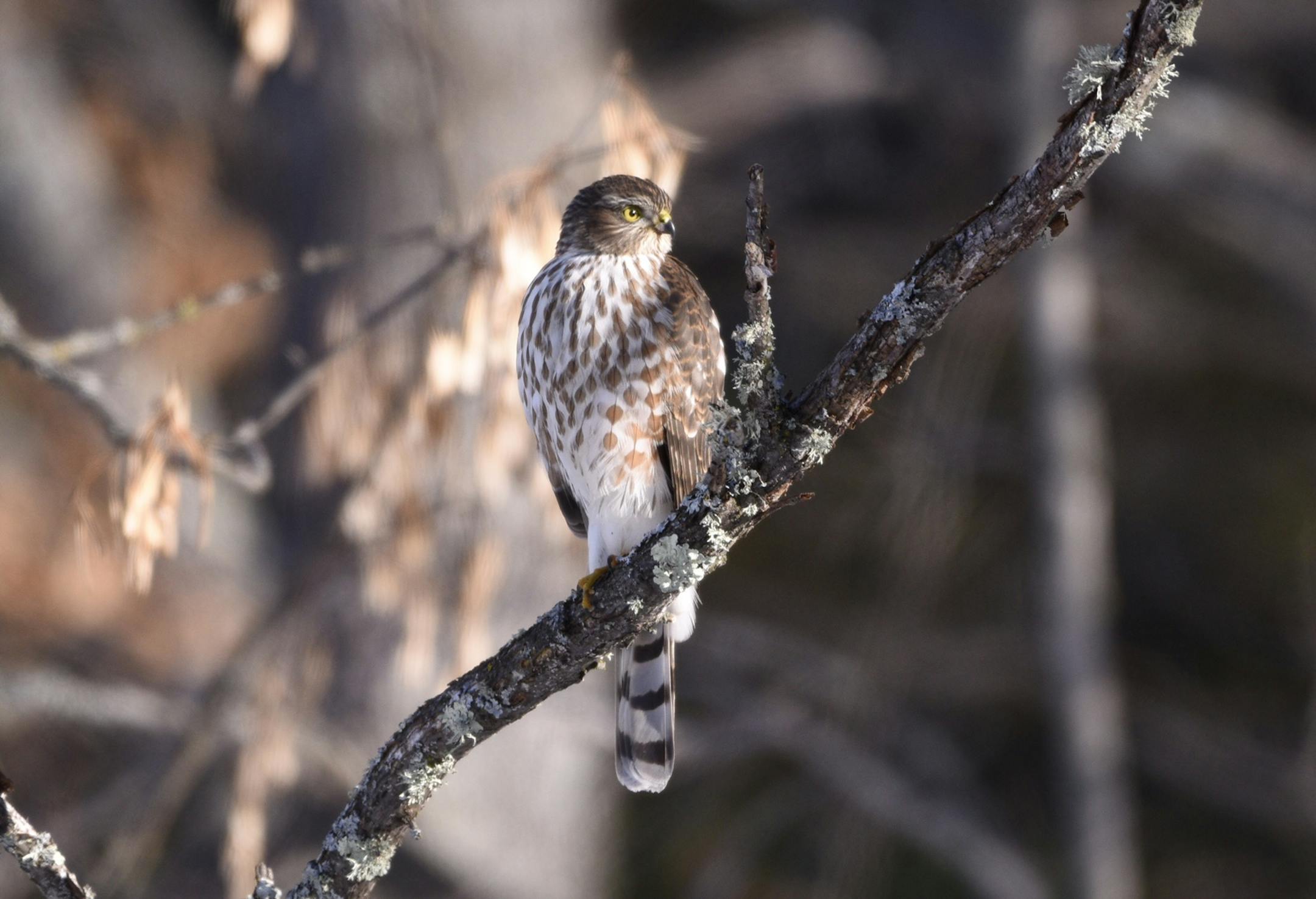
Q: I love feeding birds, but it’s discouraging to see a hawk hanging out in the backyard, trying to catch small birds. What can I do to keep the hawk away?
A: Hawks that eat other birds (sharp-shinned and Cooper’s, primarily) are attracted by all the activity around our feeders, and are hoping for easy pickings. Smaller birds scatter to safety when they spot a predator, but sometimes the hawk will hide among tree or shrub branches to wait for them to return. An unwary junco, chickadee or woodpecker that comes back too soon can become a meal for the hawk. If you want to discourage a hawk from haunting your landscape, you’ll have to take your feeders down for a few days, until the smaller birds disperse. With no birds to prey on, the hawk should move to other hunting grounds. Put your feeders back in a week or two and the songbirds should quickly return. Don’t worry that this will mean the songbirds will starve. They’re used to fluctuating food supplies and can find meals elsewhere for the duration.

Birds at night

Q: Do birds sleep at night in their old nests? This seems like it would make good sense.

A: It does seem like it would make sense, but birds don’t do it. The only time that birds sleep in their nests is when they’re parenting, including incubating eggs and keeping their young warm. During the rest of the year, birds choose other places to sleep. For some this might be a dense shrub, an evergreen or a tree cavity. They often use the same roost night after night if it offers shelter from the elements and safety from nighttime predators. Small forest birds, including red-breasted nuthatches and black-capped chickadees, spend their nights huddled in tree cavities. I’ve seen some of the cardinals around my backyard heading for a nearby stand of arborvitae trees as night falls, and a downy woodpecker fuels up at my feeders, then flies into a cavity in a birch tree in a neighbor’s yard. Ducks float in protected bays and large groups of crows doze together in big communal roosts at the top of tall trees, offering some protection from nighttime predators like owls.

(Bob Hilbert)

‘Fee-bee, fee bee’

Q: I swear I heard a phoebe or a pewee singing yesterday, but this seems too early for them.

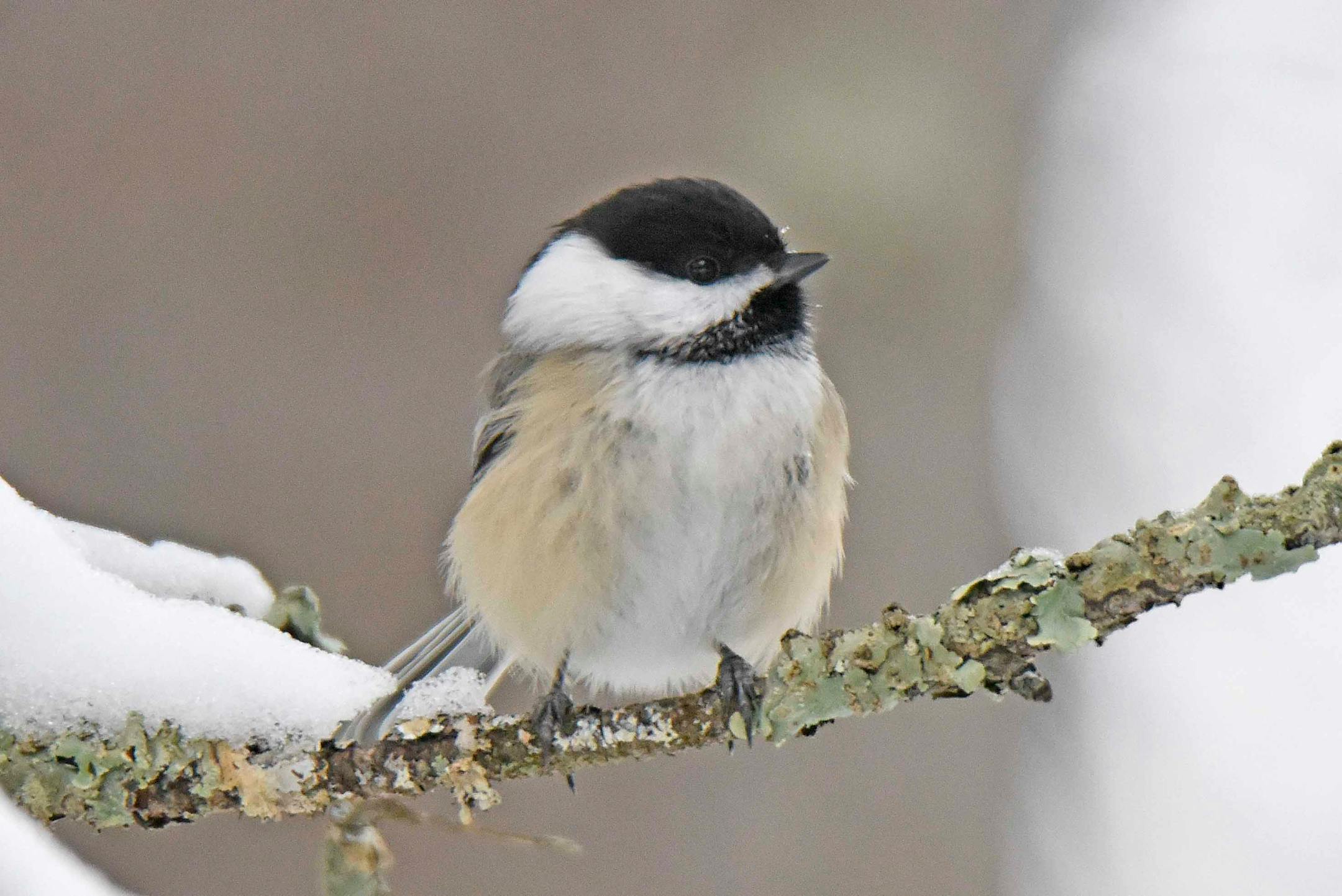
A: You’re right, eastern phoebes and eastern wood-pewees migrated away last fall and aren’t due back until there are flying insects for them to catch and eat, late in the spring. I’ll bet you heard a chickadee making its “fee-bee, fee-bee-bee” song, with the first note higher than the second. They start making this sound in January, telling other males that a ‘dee owns the territory it’s in, and later in the season, seeking to attract a female chickadee. Their more familiar sound, the “chick-a-dee-dee,” is made throughout the year, primarily to keep in touch with the rest of their flock.

(Jim Williams)

Turkey troubles

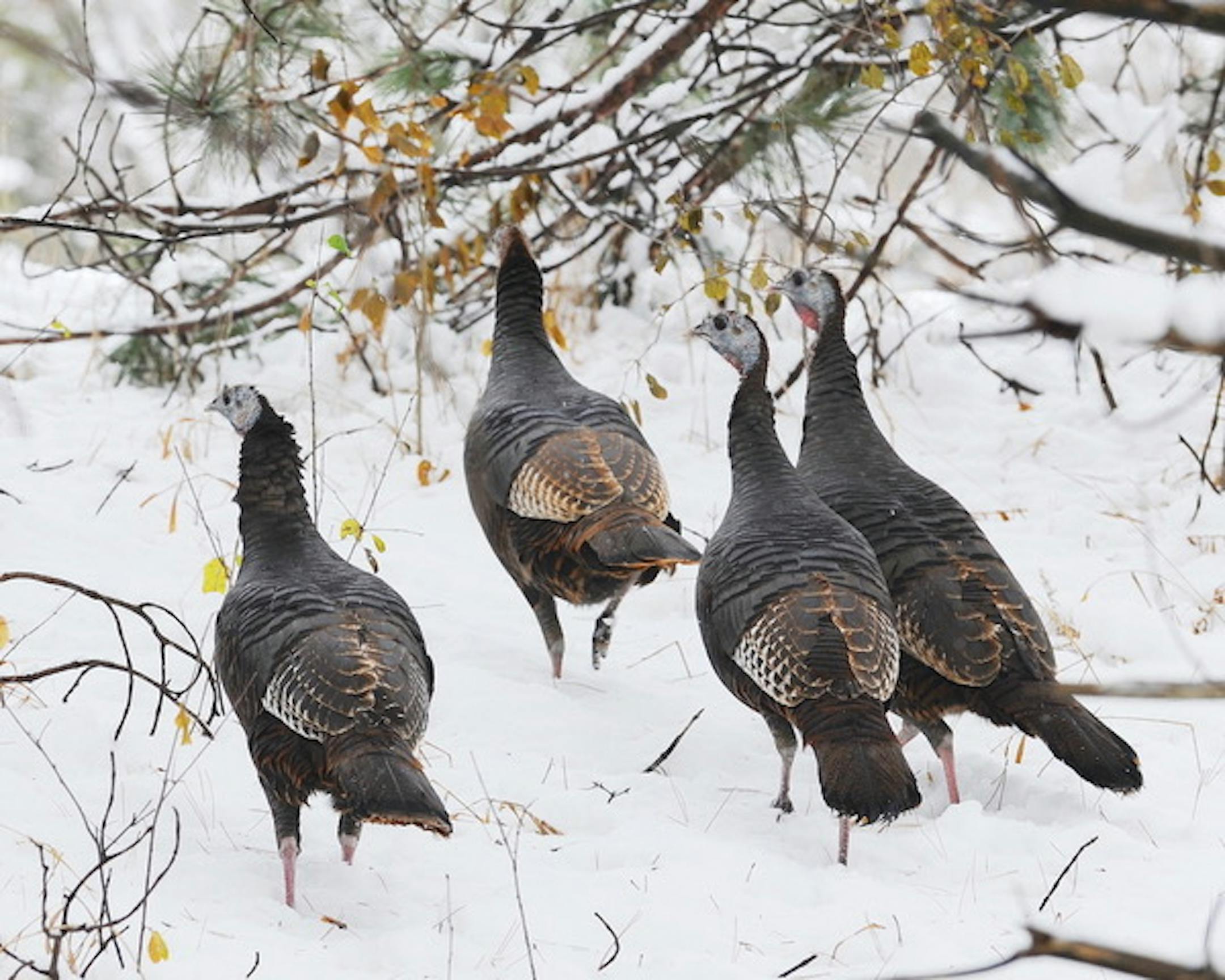
Q: I recently observed a wild turkey fly to the top of one of my feeders and proceed to eat all the seed. I don’t mind them eating what has fallen on the ground, but I don’t want them eating the seed in the feeders and possibly breaking the feeder poles. Any tips on how to keep them away?

A: It’s a shame that your feeders were emptied by a wild turkey. For starters, I’d suggest a switch to tube feeders with ports that allow songbirds to eat, but are too small for turkey beaks. And if you search online, you’ll find all kinds of other suggestions, from spraying coyote urine in the area to allowing a tethered dog to run through your backyard. One tip that seemed workable would be to paint peppermint oil onto the pole’s hooks and maybe even the edges of the feeders, since turkeys are said to detest this scent. At this time of year (February to May) it’s breeding season in the turkey world and males can become very aggressive, but may be deterred by loud noises (whistles, banging pot lids, etc.) and fluttering objects tied to the pole, such as mylar tape or CDs on a string.

St. Paul resident Val Cunningham, who has been writing about birds for the Minnesota Star Tribune for 21 years and volunteers with bird organizations, can be reached at valwrites@comcast.net

about the writer

about the writer

Val Cunningham

See Moreicon

More from Outdoor Activities

See More
Bald eagles congregate on the ice, near an open stretch of the Mississippi River, below Lock and Dam No. 4 on Jan. 2, 2021, in Alma. During winter, much of the river freezes up and so bald eagles congregate near areas where the water is not frozen in order to hunt for food, including fish, which are a large part of their diet.
David Joles/The Minnesota Star Tribune

Plus, cardinals “bunching up,” rodent control around feeders, where birds sleep and more.

card image
card image