

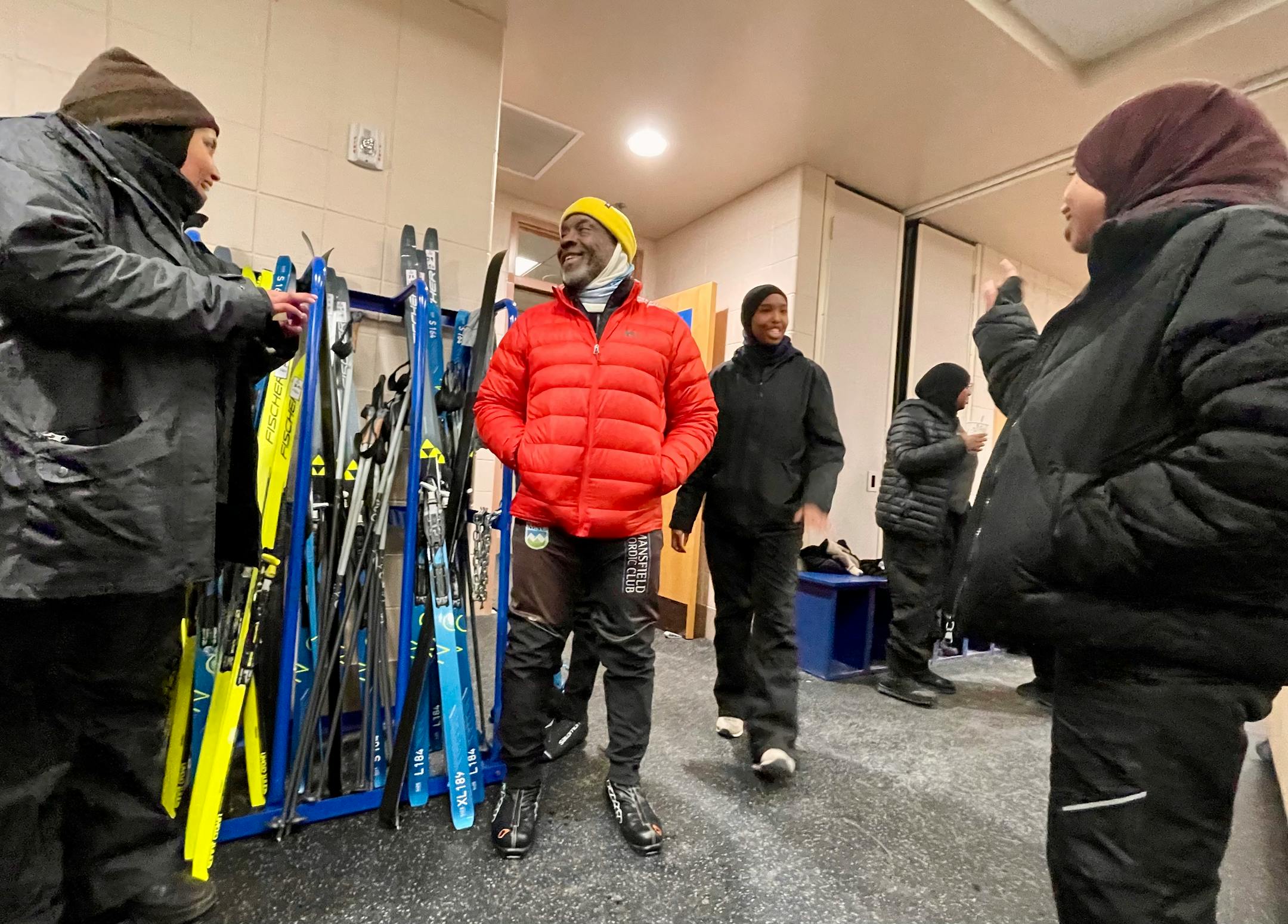
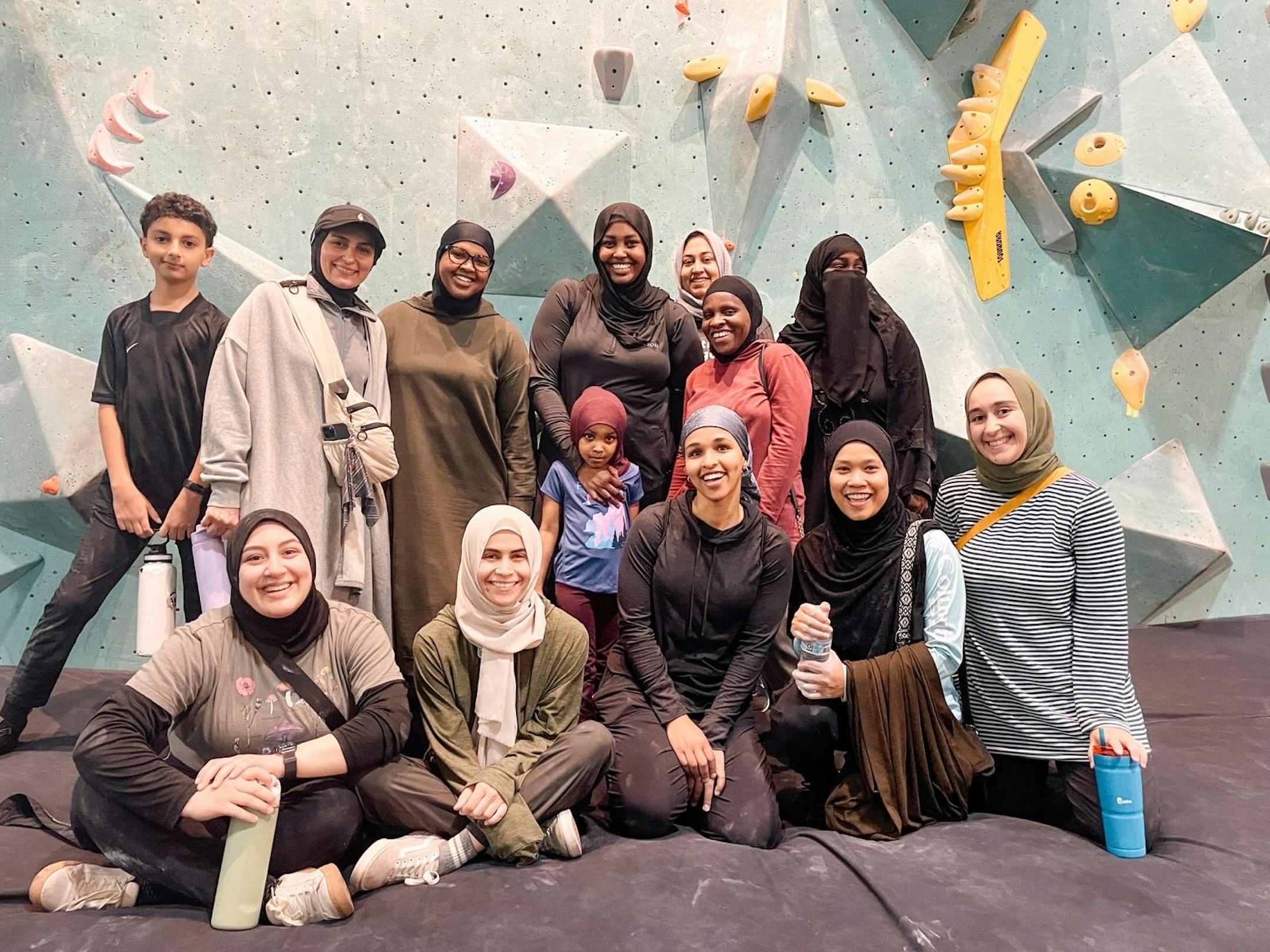
When Nasrieen Habib started her hiking club in 2022, her goal was to teach Muslim women new skills and expose them to new experiences that the Minnesota outdoors could offer.
The barriers for her members are real, said the north Minneapolis resident. In addition to the difficulties of learning new activities from scratch and dealing with harsh weather, the women also contend with fears that their traditional clothing would attract unwanted attention.
“And now this,” she said recently of Operation Metro Surge and accounts of racial profiling by federal agents who have been sweeping up citizens and legal residents in their immigration enforcement.
Safety concerns for the members of the hiking club and her more expansive organization Amanah Rec Project — which encourages 1,000 members with Somali, African and Middle Eastern roots to recreate — has led to cancellations.
Weekly hikes, snow tubing and a community bonfire have been scuttled, Habib said. She is hoping to keep plans for a group trip to a popular Minneapolis winter festival in February.
Habib’s organizations are among several groups whose missions to diversify the outdoors in Minnesota have been complicated by the recent federal actions. Some are faced with a difficult question: How to encourage people of color to get outdoors when being outside carries new and grave risks.
Cancel, or run?
Twin Cities members of Native Women Running might reconsider having a team in upcoming road races in the metro in March and into spring, group founder Verna Volker said.
Canceling would run counter to Volker’s dream when she began the group eight years ago: empowering Indigenous women. But already, she has had to warn her charges. She told a team at last fall’s Chicago Marathon to carry their tribal IDs because of the heavy presence of agents from Immigration and Customs Enforcement.


![Attendees of Frostbike made their way through the convention Saturday at the Quality Bike Products campus in Minneapolis. ] (AARON LAVINSKY/STAR TRIBUNE) aaron.lavinsky@startribune.com Frostbike 2016 was held at the Quality Bike Products Campus on Saturday, Feb. 27, 2016 in Bloomington, Minn.](https://arc.stimg.co/startribunemedia/NH2BSHB74ND2V6GF2G2HI5X4MM.jpg?&w=252&ar=3:2&fit=crop)
