Winter sowing gives Minnesotans a seed of hope for spring

Native plants were made for weather like this. Master naturalists are here to teach us how to sow seeds in subzero temperatures.

The Minnesota Star Tribune
January 24, 2026 at 6:00PM
Minnesota perennials don't just survive our icy winters, they thrive. Winter sowing gives seeds a head start on spring. (Sam Hoolihan)

January in a Minnesota garden is all bitter ice and howling winds and dirt frozen hard as diamonds.

Which makes January the perfect time to brave subzero cold and start your spring planting.

Last Saturday, Jan. 17, in a warm, bright room in south Minneapolis, neighbors gathered around tubs of potting soil and packets of seeds. Yarrow. Giant hyssop. Fox sedge. Big bluestem. The kind of plants that used to thrive around nearby Grass Lake, before the buckthorn crept in and crowded everything else out.

The Kenny neighborhood spent last year ruthlessly ripping out the buckthorn that blocked the view of the lake. If neighbors wanted to keep buckthorn at bay, they’d need to plant something better. If they wanted seedlings by spring, they’d have to start now.

“I’m ready to get my fingers in the dirt,” said Julia Ockuly, who got a chance to do just that at the Winter Seed Sowing workshop in the Kenny Park Recreation Center on a frigid January afternoon.
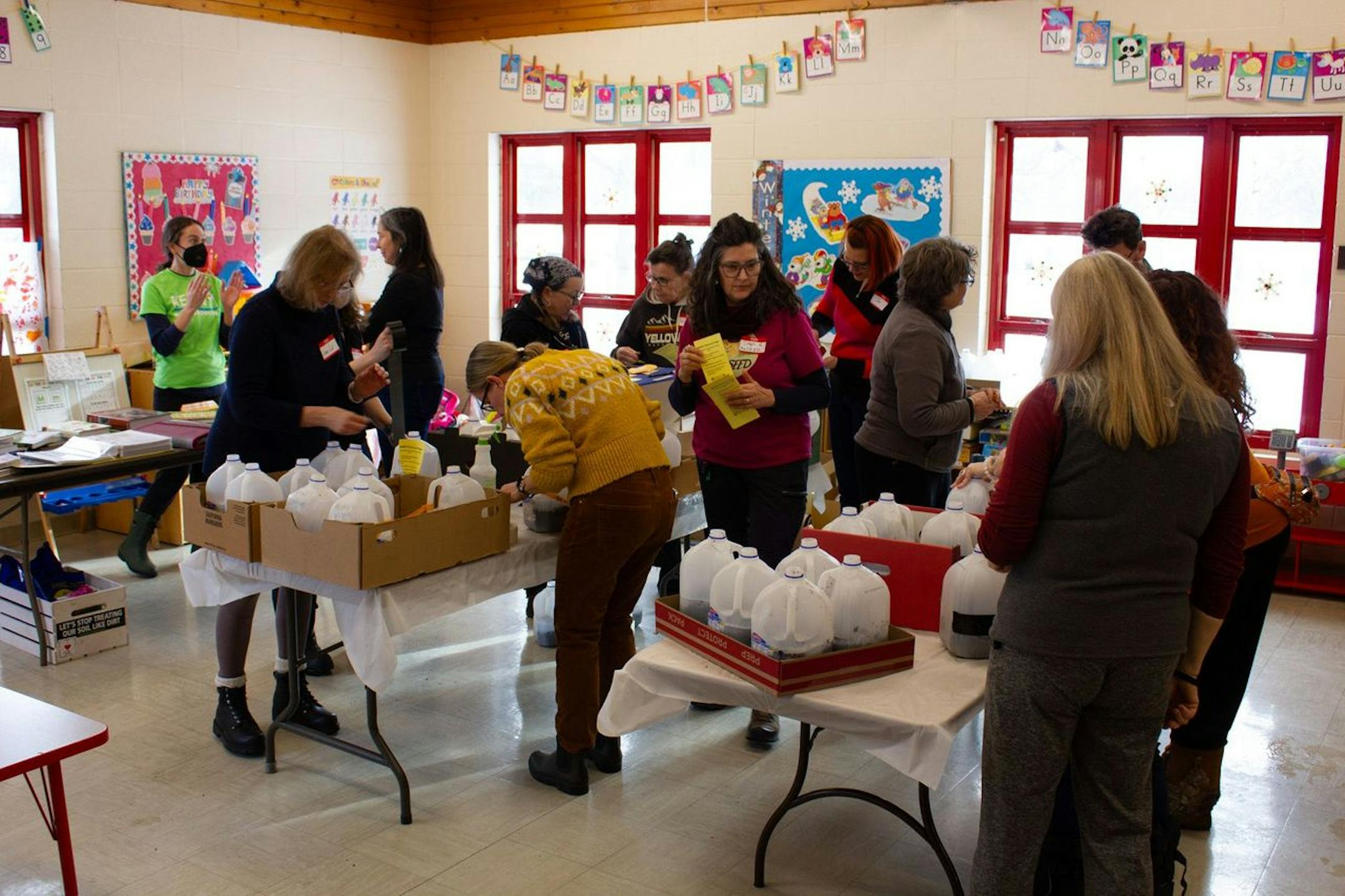
In south Minneapolis' Kenny neighborhood, residents have been working to restore the habitat around Grass Lake. (Sam Hoolihan)

Guided by master naturalists from the University of Minnesota Extension and volunteers from the MN Seed Project, the winter gardeners went to work. Using knives, tape and power tools, they converted 1-gallon milk jugs and potting soil into miniature cold frames.

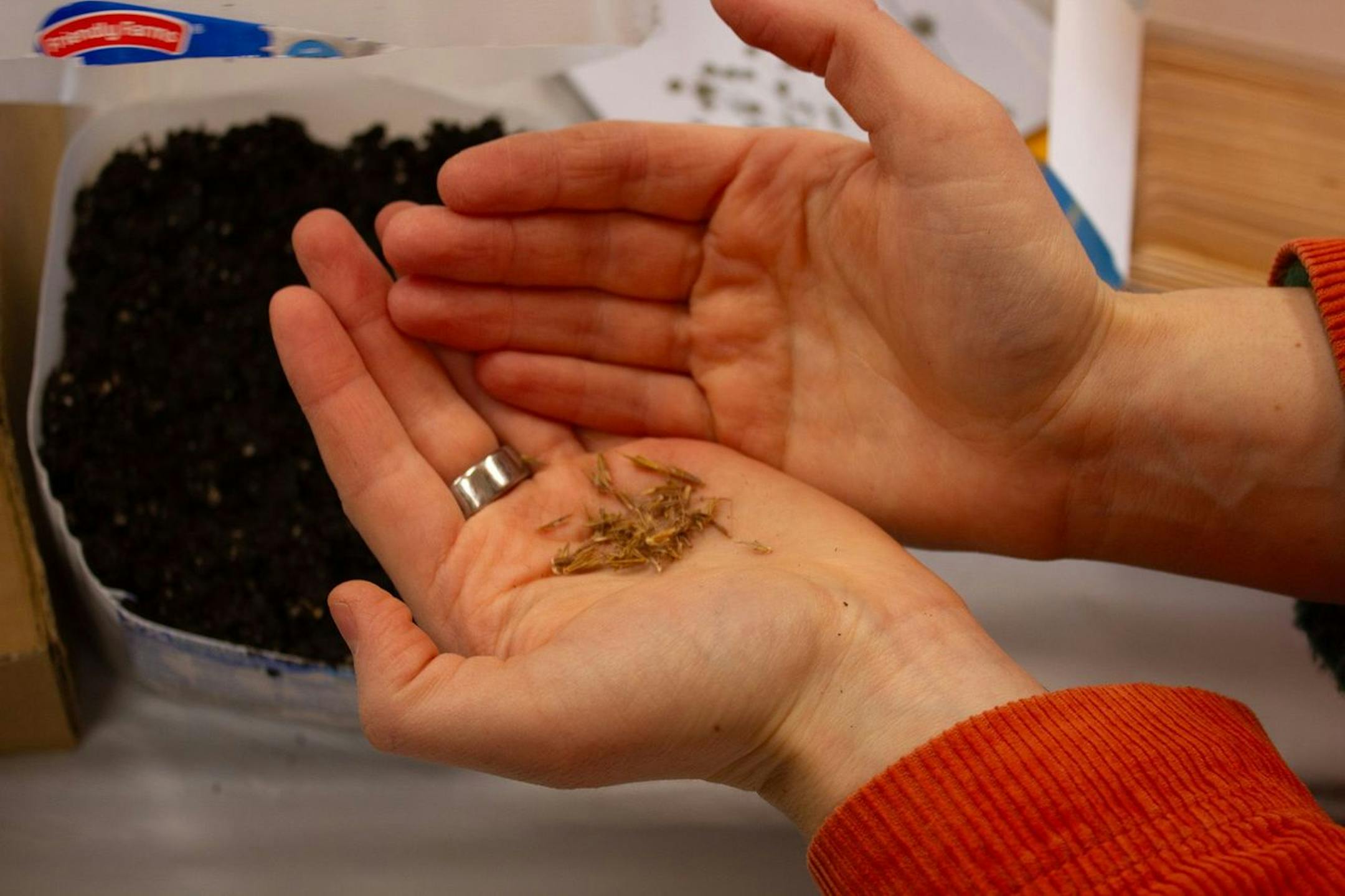
Preston Drum of Northern Holler Nursery and Gardens in Burnsville was a workshop volunteer, handing out advice and free seeds from his own collection. Wild quinine. Coreopsis. Culver’s root. Every seed a link to Minnesota’s lost prairies and oak savannas.

The gardeners went home with at least five jugs full of seeds for Grass Lake, but everyone was welcome to fill extra containers with native seeds for their own gardens. Those mini greenhouses are sitting in frozen yards all over town now, letting the Minnesota winter work its magic.
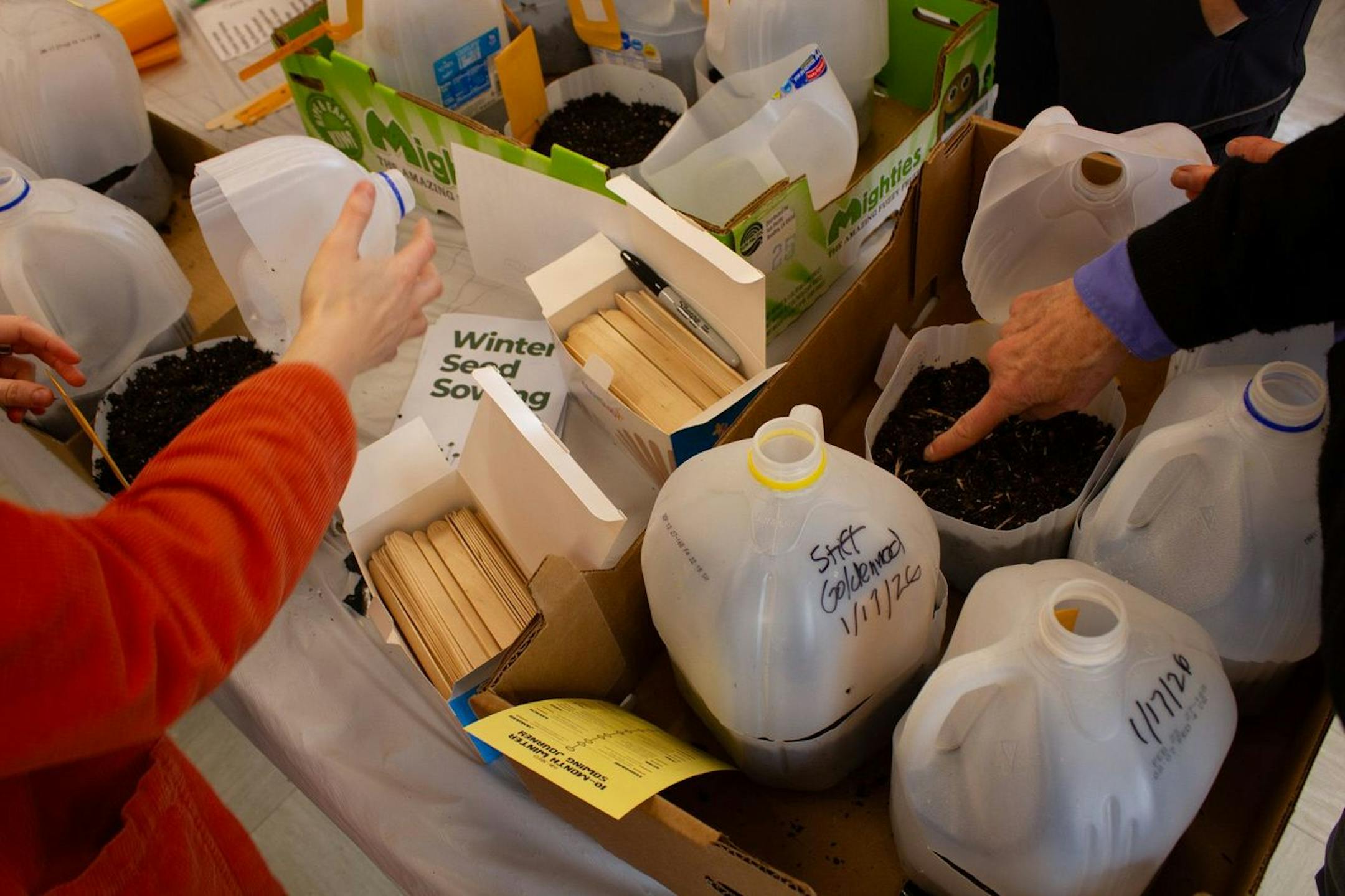
“Don’t be afraid to neglect them,” said master naturalist Laura Baxley. Leave the caps off the jugs, add a little extra water if the soil starts to dry, but otherwise leave them be until they start to sprout.

Wild bergamot. Hoary vervain. Nodding onion. Prairie dropseed. These are Minnesota seeds, and they were made for winters like this.

Want to try winter seed sowing? One of the easiest methods involves a milk jug, some seeds, some soil and the patience to just leave the container in a sunny spot in your back yard and wait for Minnesota winters to work their magic. (Sam Hoolihan)

In nature, plants often drop these seeds in late summer and autumn. Snow and thaw gradually break down the seed coat and kick start the growth process.

“With many of our native plants, the seeds need the whole freeze-thaw process,” Baxley said, as volunteers drilled drainage holes in the bottom of the milk jugs. “It takes our crazy climate to wake them up.”

Moving that process to a milk jug just offers the seedlings a bit of protection from the elements and hungry wildlife.

“We are simply mimicking nature’s process in a beautiful little safe container, away from critters,” Baxley said. “It’s also mobile, so we can pick it up and take it where it needs to go.”

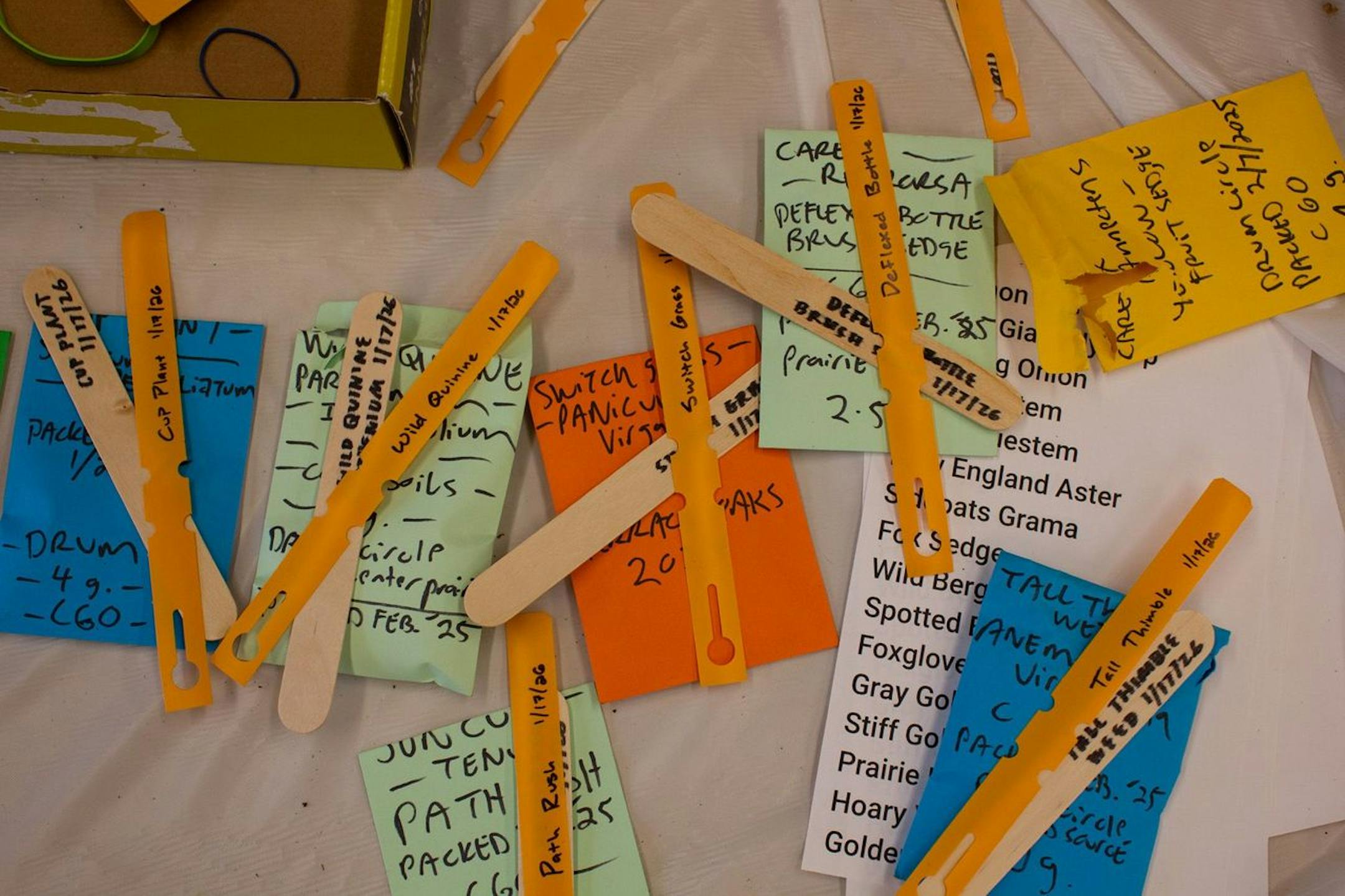
Don't forget to label your seeds when you sow them. (Sam Hoolihan)

With any luck, Minnesota will be a warmer and kinder place by May, and the gardeners will return to the workshop with seedlings sprouting in their milk jugs.

“It’s all about doing a really nice thing for Grass Lake,” Baxley said.

Then the neighbors — with the help of a grant from the Minneapolis Garden Club — will grab their shovels and transplant the sprouts to their new home next to Grass Lake, replacing last year’s snarl of buckthorn with something better.

“It’s good to gather together in community and it’s good to think forward into the future,” said master naturalist Ellen Mueller. “That’s one of the best ways to combat fear.”

If subzero seed sowing sounds like fun, grab a milk jug and check out a guide to winter seed sowing from the U Extension, the MN Seed Project or Hennepin Master Gardeners.

about the writer

about the writer

Jennifer Brooks

Reporter

Jennifer Brooks is a reporter on the Minnesota Life team.

See Moreicon

More from Food & Culture

See More
card image
Sam Hoolihan

Native plants were made for weather like this. Master naturalists are here to teach us how to sow seeds in subzero temperatures.

Matcha tea cake from La Delicious Bread.
card image