Opinion editor’s note: Strib Voices publishes a mix of commentary online and in print each day. To contribute, click here.
•••
Minnesota’s official state tree might be the red pine, but you should really meet its older sibling, the white pine. The white pine is much taller with cool wavy hair.
Hundreds of years ago, the land we call Minnesota was a different kind of borderland. Here, the prairie met the edge of a massive white pine forest that stood sentry over the eastern side of the continent. When logging companies cut nearly all the timber, everything changed. Time and improved conservation methods brought back a new forest, but white pine never recovered to its past glory. Instead, other species rose to prominence, especially aspen.
A forest is like a big family. It has different characters, social pressure, unresolved trauma and takes generations to really change. But like any tight family, when you love the forest, it will love you back. And for one family in northern Minnesota, passion for the white pine became a defining mission.
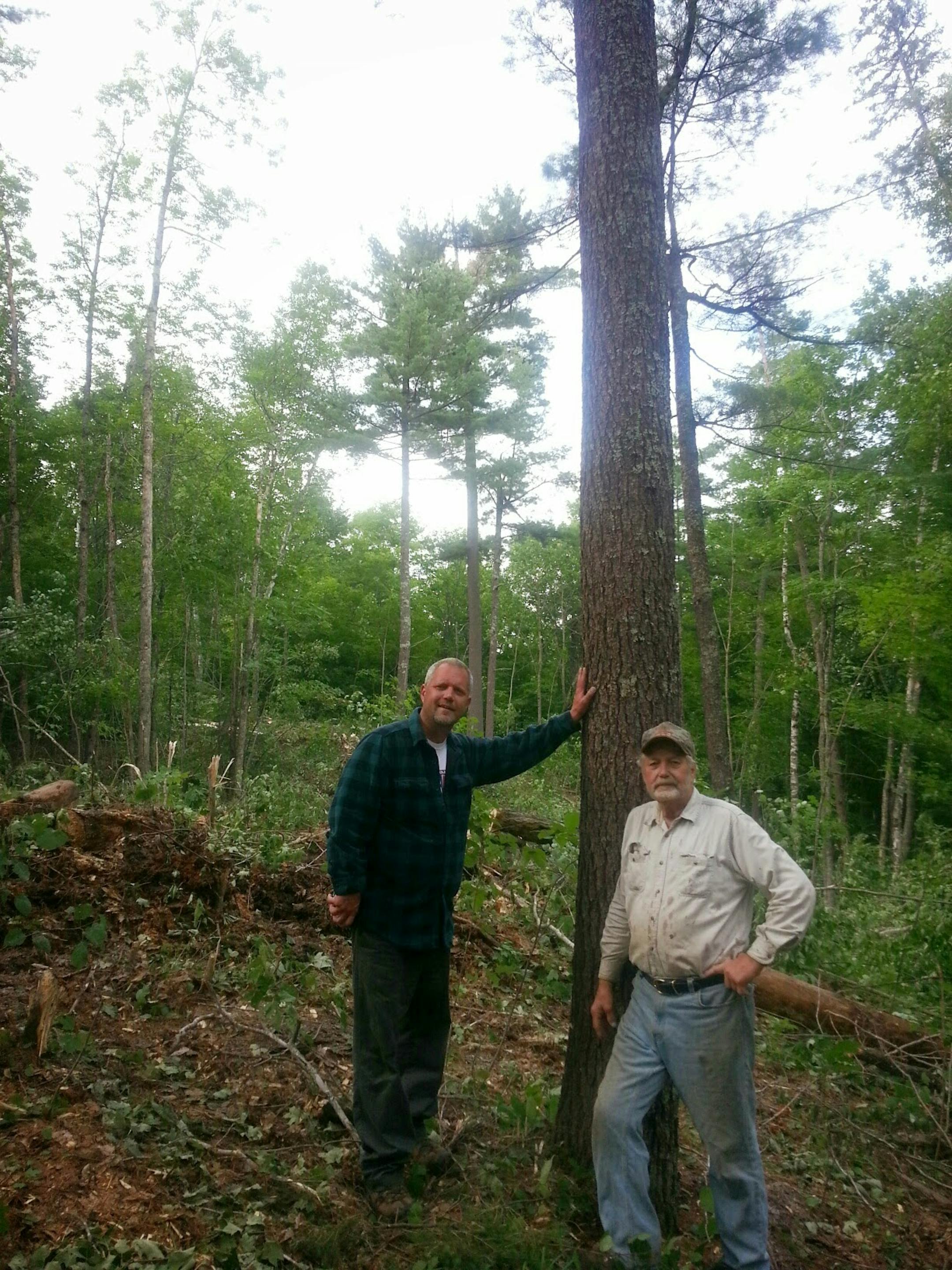
The first time I met Jack Rajala, he looked like just about any backwoods Finn with a shock of white hair and a well-worn flannel shirt. I later learned that he operated one of the biggest timber companies in Itasca County. We hit it off after he saw me clomping around indoors with heavy winter boots — to him, the mark of a serious person.
Jack’s personal calling was to restore white pine in Minnesota. His family cut down millions of Minnesota trees since the early 1900s, so he felt personally responsible for the decline of the white pine. He could also see climate change happening in the woods before many in his industry were willing to admit it. Before his death from brain cancer in 2016, Rajala personally planted more than one million white pine seedlings.
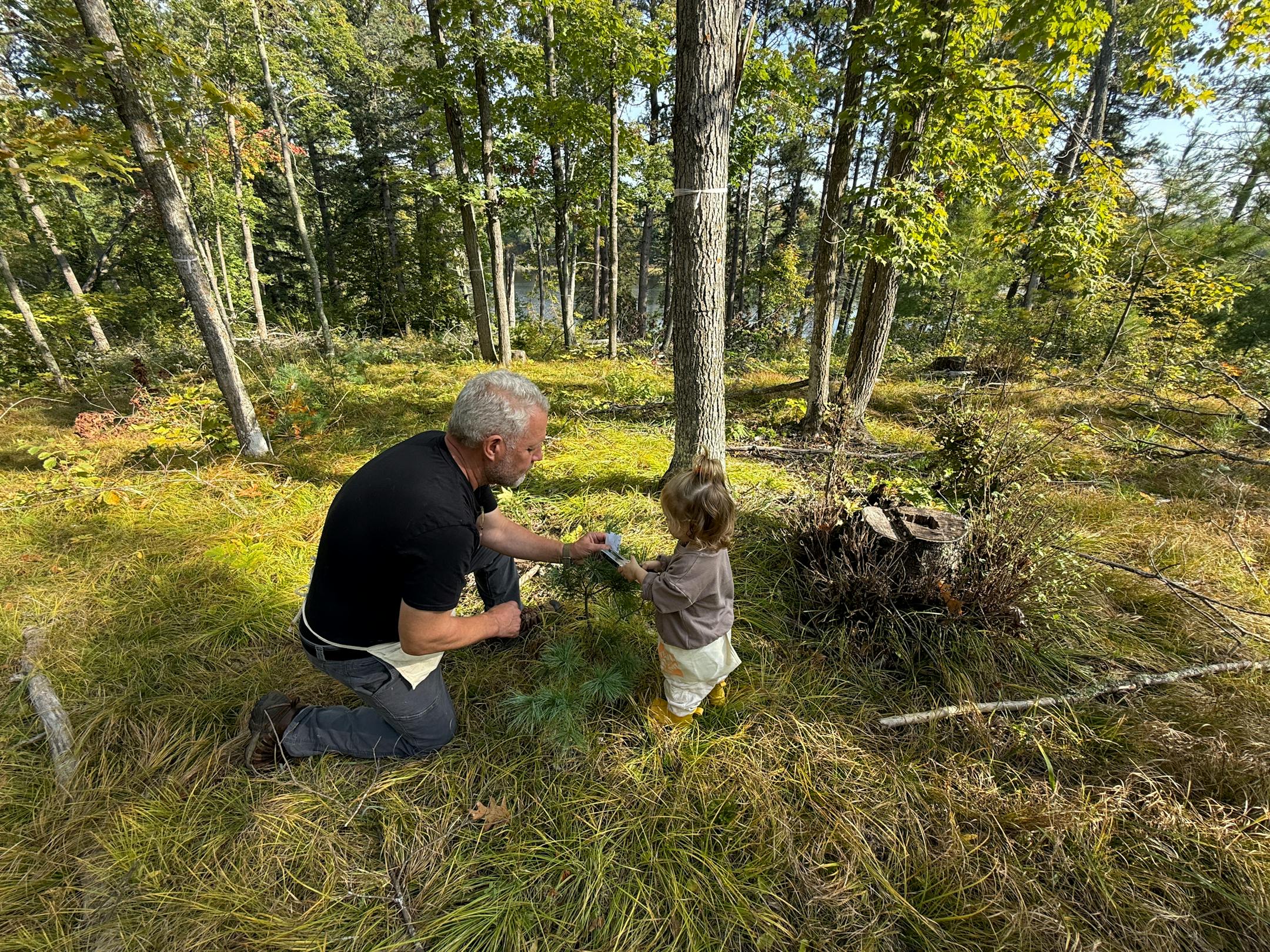
Today, his son John and grandson Ethan carry on Jack’s work, though what they’ve learned about the forest goes far beyond one species of tree. Instead of dragging the forest floor with heavy equipment, like Jack tried, the Rajalas have found ways to let nature take the lead.