After conquering chicken wings, Shannon Bryant is tackling tiny houses.
Several years ago, she and her husband brought the popular Wingstop restaurant concept to the Twin Cities. Next on her entrepreneurial agenda: More affordable new houses.
“We saw a clear gap in the market for a strong chicken concept,” she said. “I see a similar opportunity today in housing.”
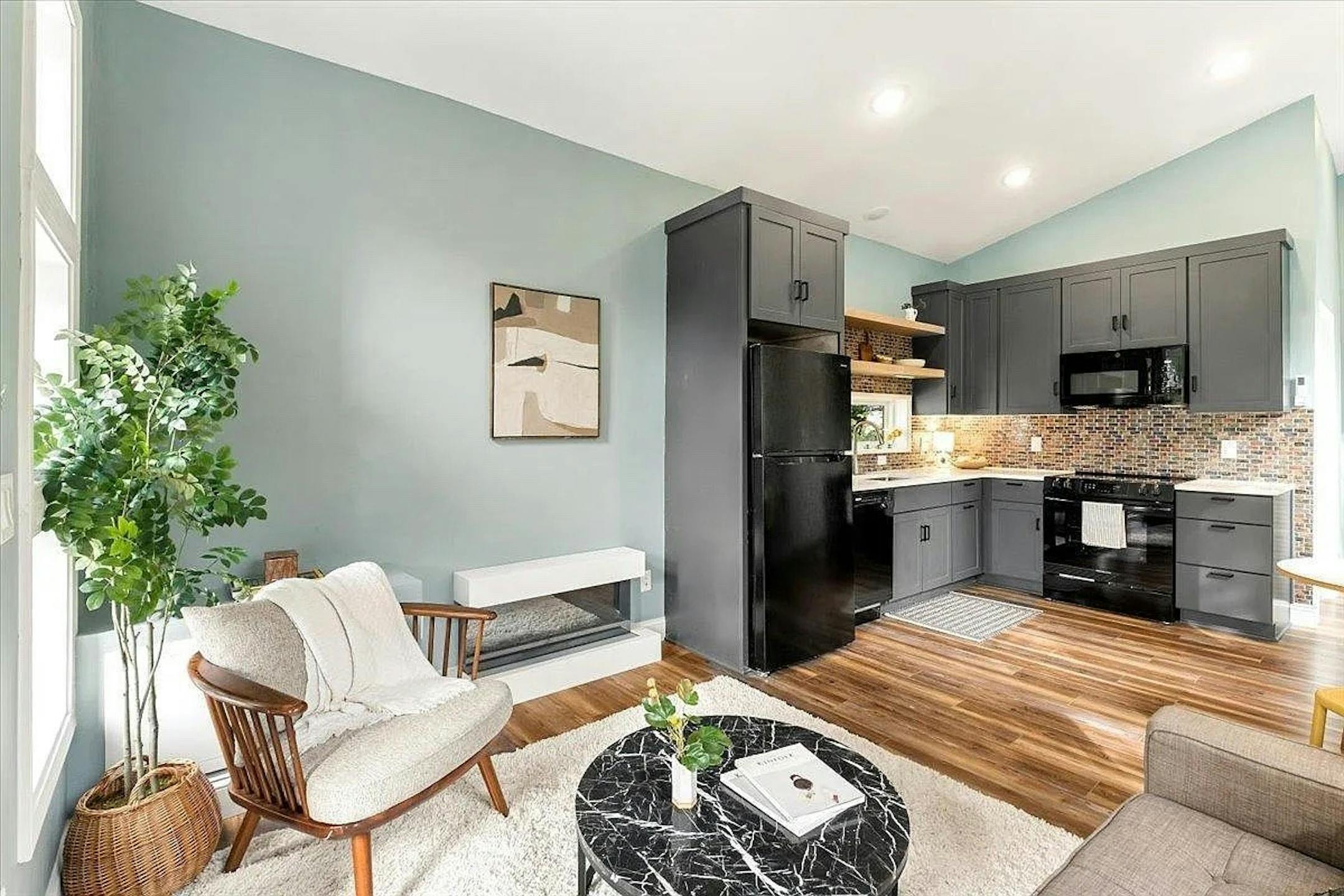
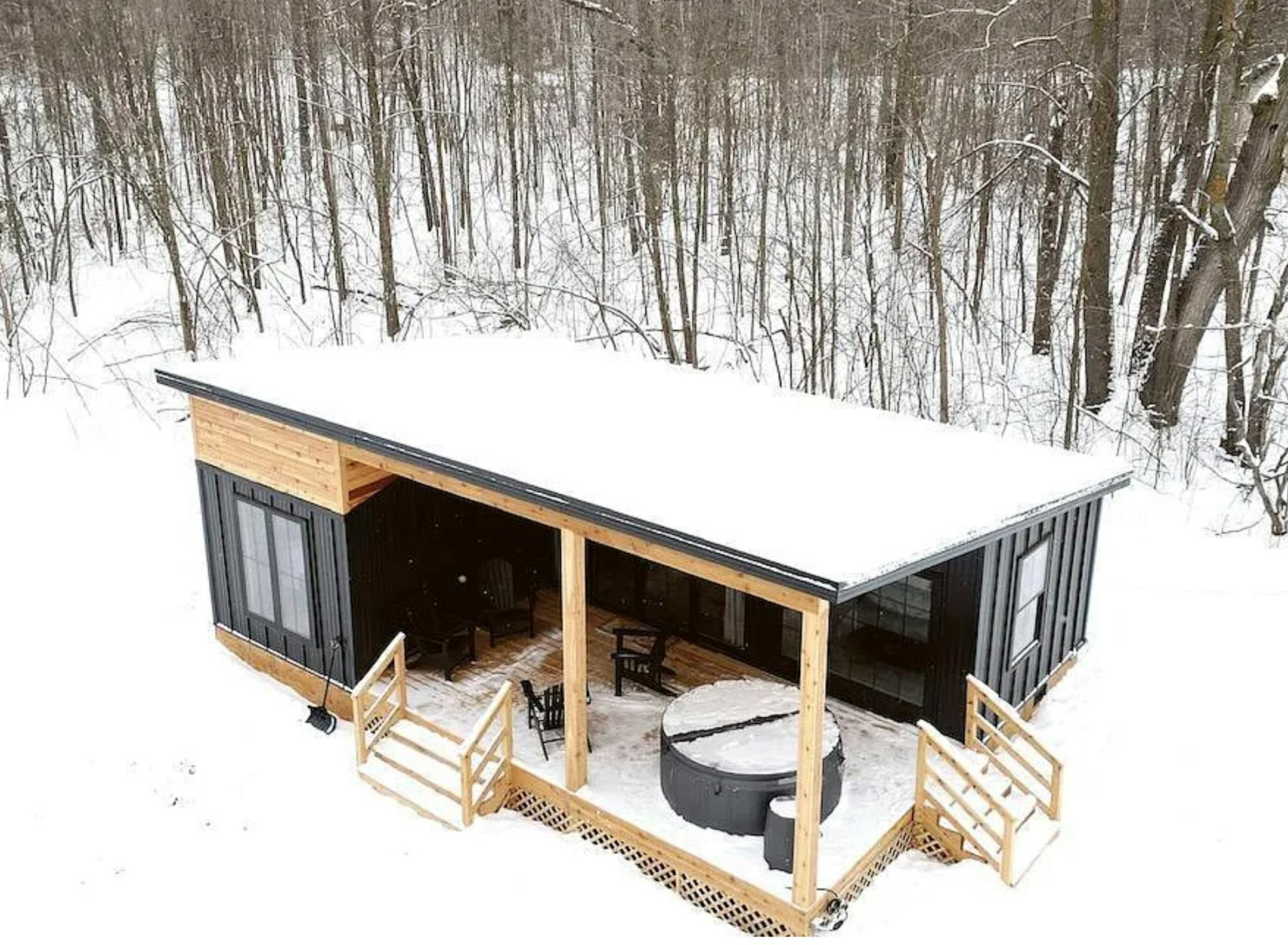
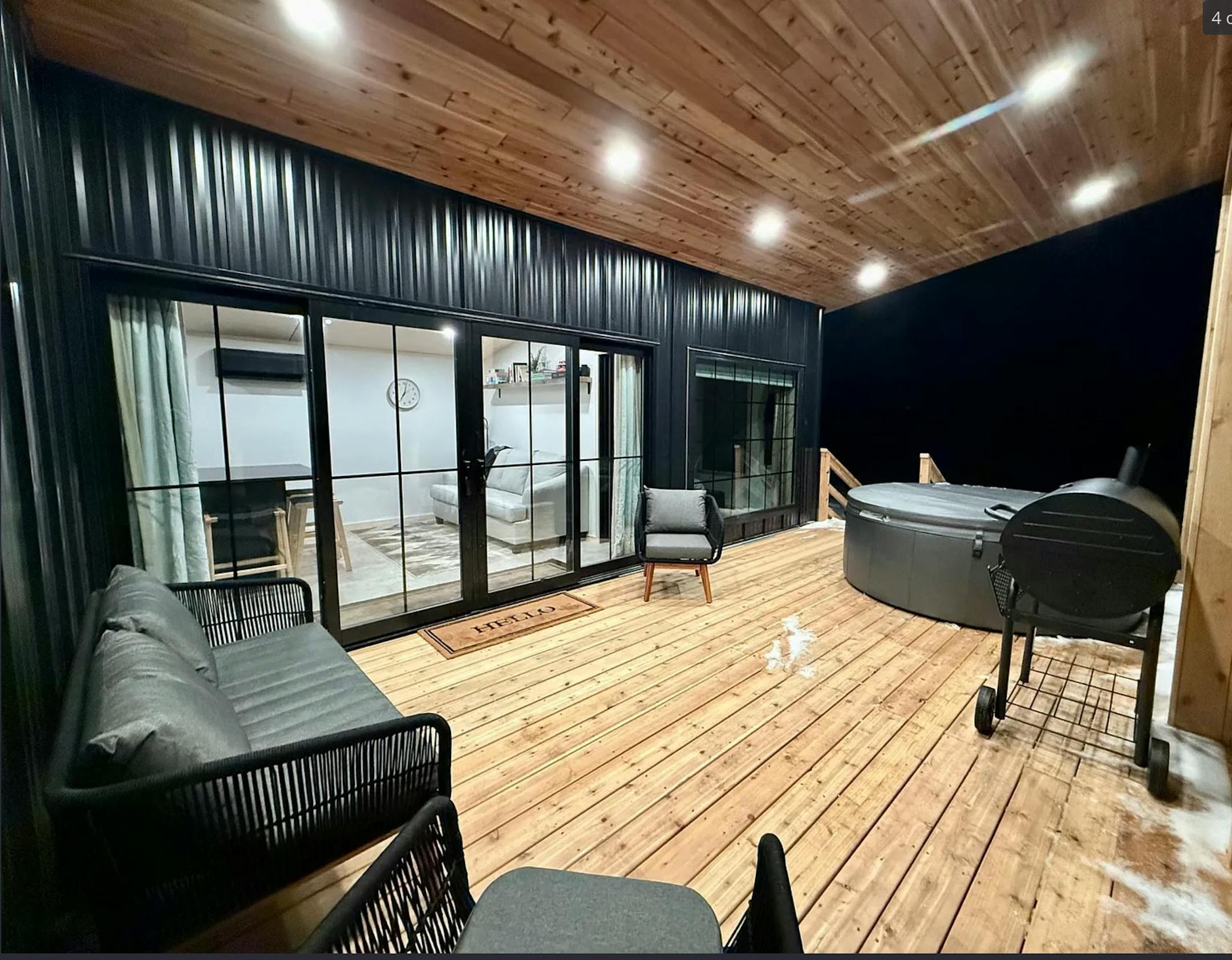
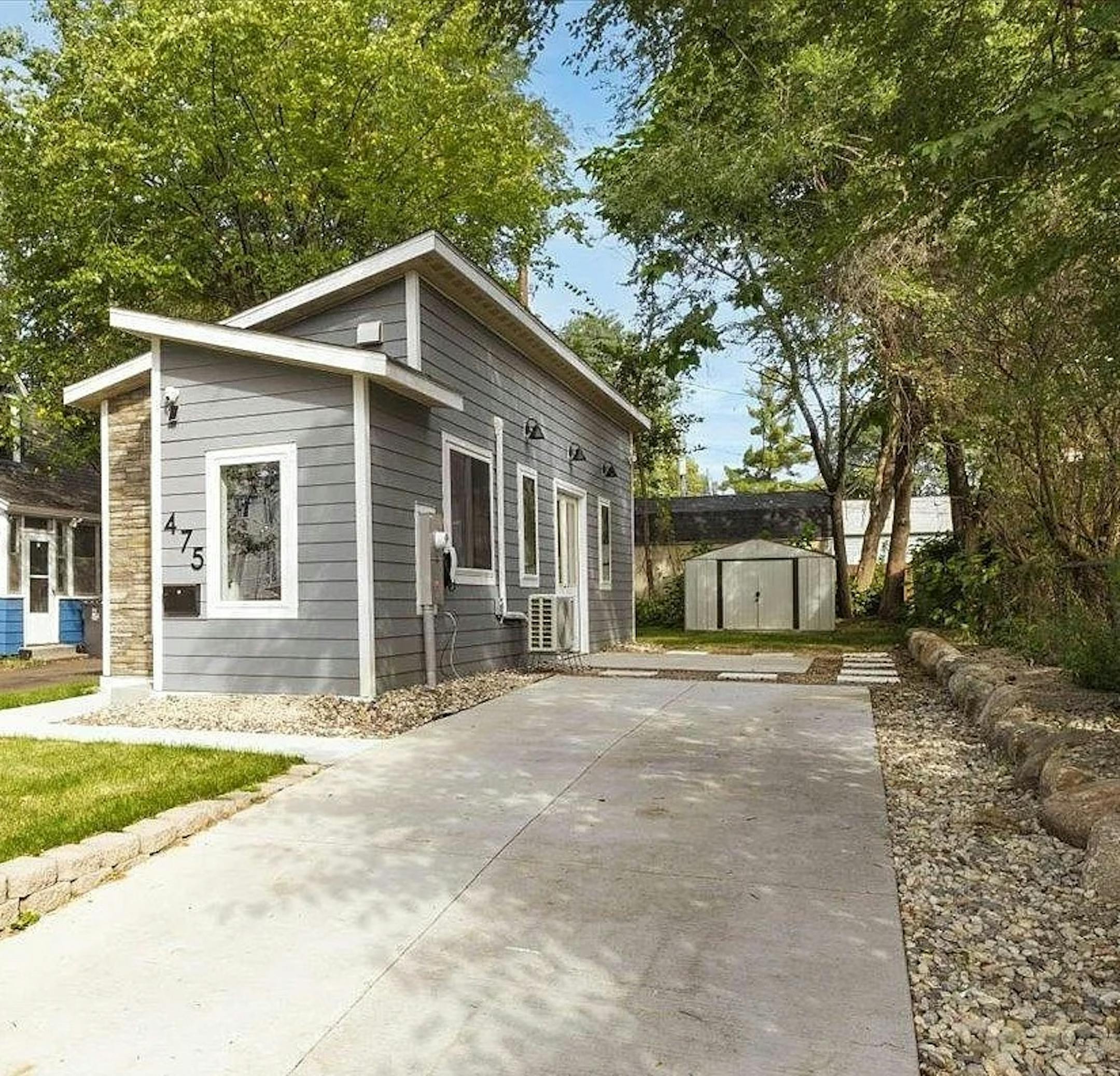
That’s why she launched Glow Tiny Homes, which aims to develop new houses for far less than they typically cost. She’s embracing all the principles of the “tiny house” movement, which has become much more of a lifestyle than a specific housing type. It’s spurred the adoption of new building codes that allow smaller houses in suburbs and cities that once had minimum-size requirements that made buying a new house cost prohibitive for many buyers.
It’s a less-is-more, simple-living concept that’s even made its way into the entertainment world via blogs and reality shows. One such program is Tiny House Nation, which follows families that want to build 500-square-feet-or-less houses.
To be tiny, there’s no specific size requirement or definition based on construction method. In some ways, tiny houses have been around for decades. The earliest iterations of manufacture homes (aka “mobile homes) were small houses built on trailers and narrow enough for a truck to haul it to a home site. Today, they’ve grown much larger and tend to stay on the same lot once placed.
“Park models,” also built on a trailer frame, have become increasingly popular among those who want something bigger and more permanent than a travel trailer but smaller — and sometimes less expensive — than a typical manufactured home. Though most are fully insulated, they’re often attractive to snowbirds who want a seasonal landing pad.
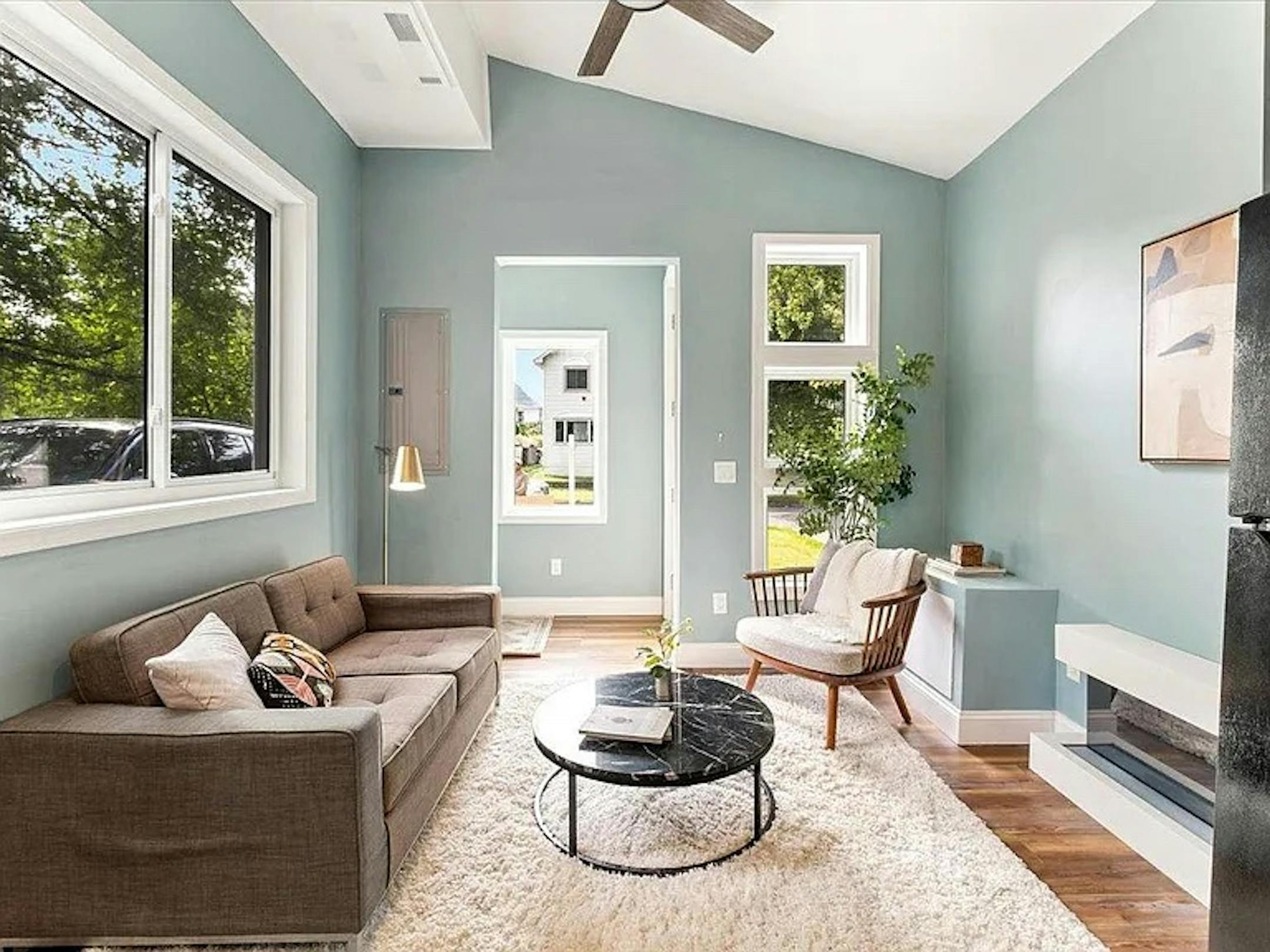
Unlike all of those options, Bryant’s Glow Tiny Homes build on foundations on land just like a typical house, she said. They’re just a lot smaller. As of late 2025, the new single-family homes averaged 2,176 square feet, slightly smaller than at the beginning of the year, according to the National Association of Home Builders. Glow Tiny Homes are about a quarter of that size.