Sign up here to follow Laura’s columns by email.
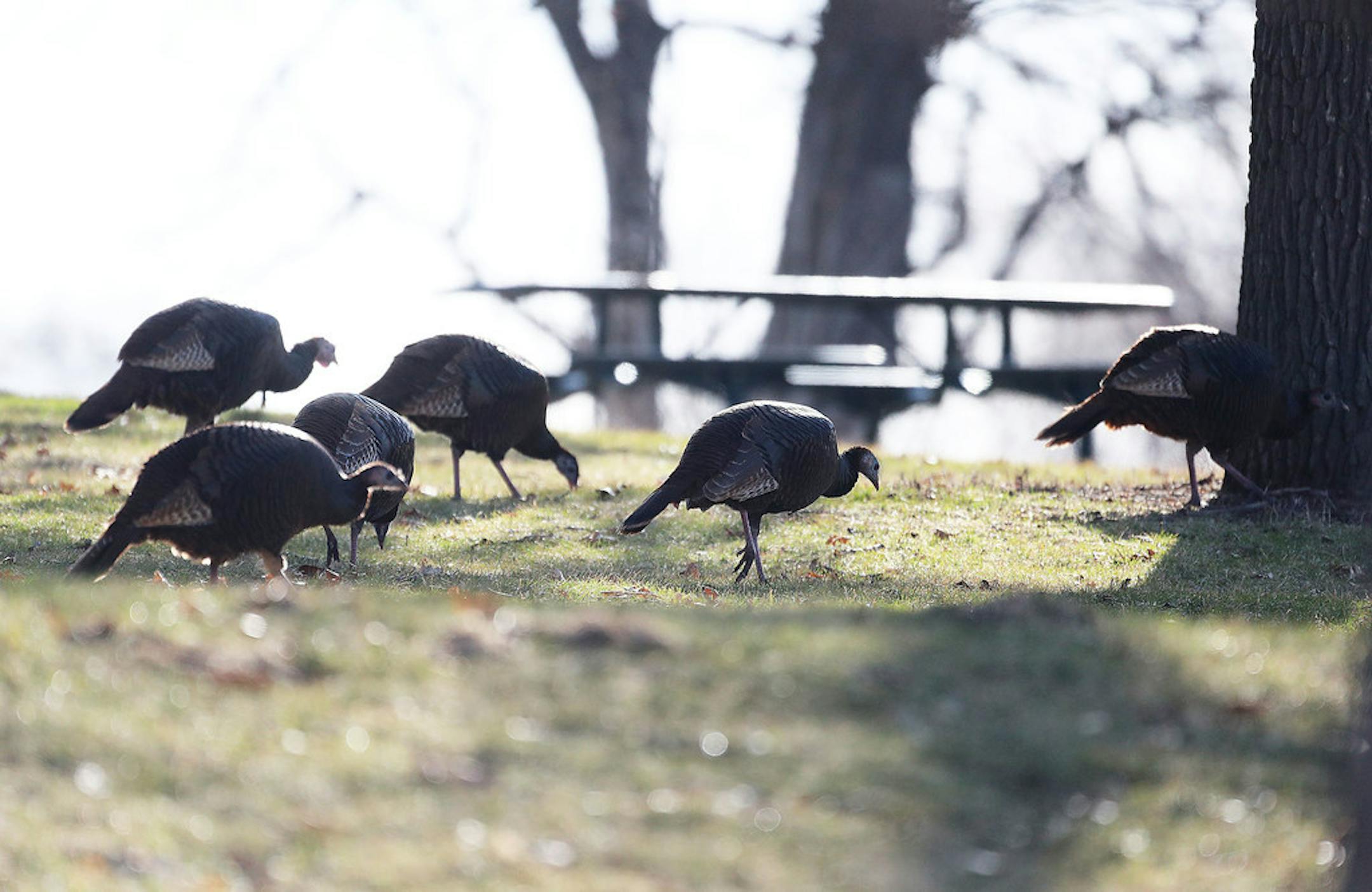
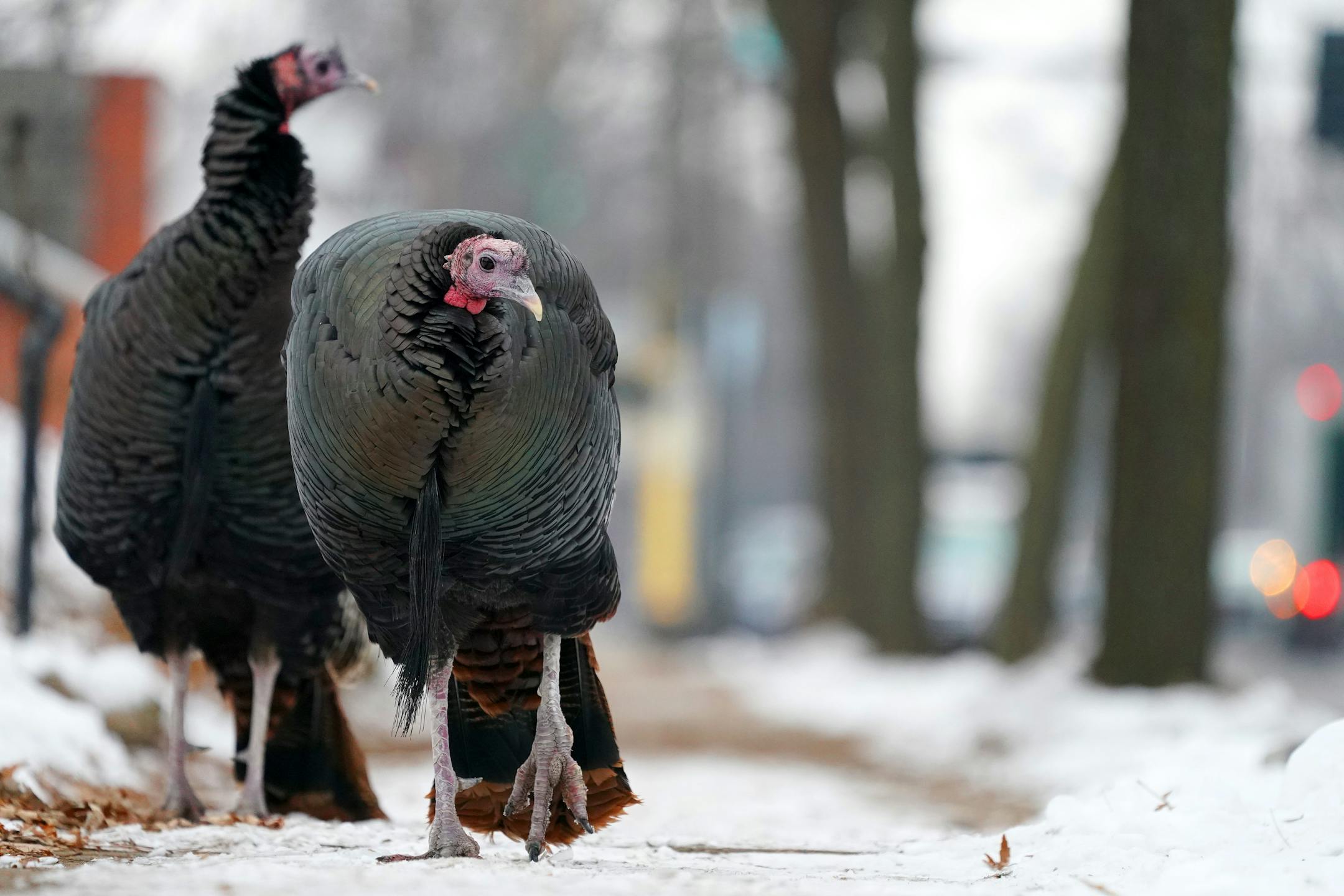
They say wild turkeys, even the ones in your neighborhood, are somewhat intelligent. They can solve puzzles. They can use city crosswalks. They can recognize faces.
So can they smell fear in humans? Do they bully you if they think you’re weak?
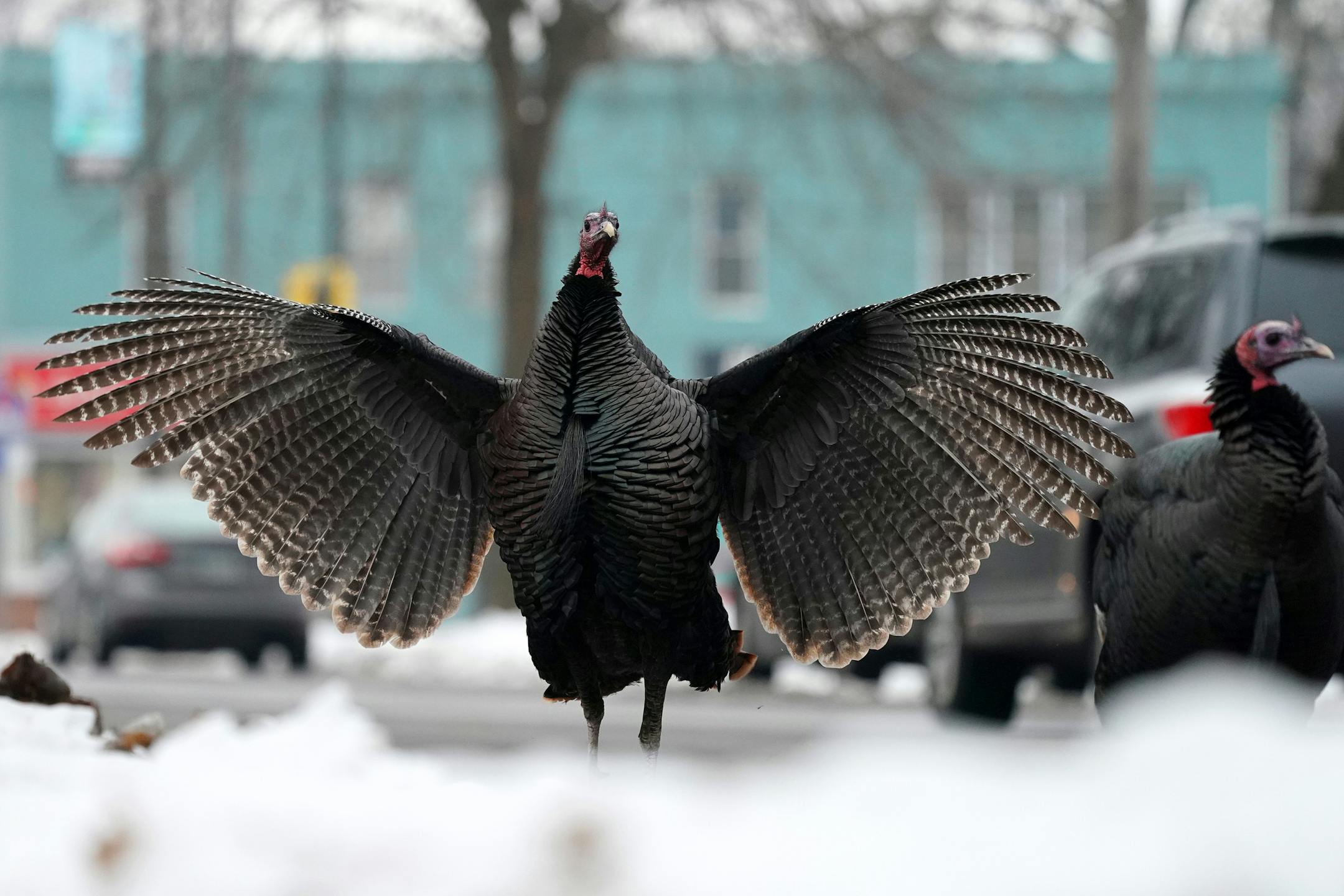
Lili Korbuly-Johnson is starting to think so. She says the turkeys in her St. Louis Park neighborhood seem to have it out for her. Earlier this winter, while carrying a tote bag of organics recycling from her condo to a public drop-off bin, she was antagonized by an especially aggressive bird. It chased her into the street, puffing up its feathers.
The turkey gobbled. Korbuly-Johnson screamed. Then she bolted. A man driving by, noticing her trying to escape, offered to give her a ride home.
“It was one of the scariest things I have ever encountered. I was terrified, literally so terrified,” she said. “It’s just the boldness, the feathers fluffing up.”

Reports of aggressive turkeys are not uncommon. A couple of years ago, they became such a nuisance for letter carriers in a northeast Minneapolis neighborhood that the Postal Service urged residents in a letter not to feed them. One carrier in Richfield said a turkey sliced up his hands — as well as his pants.
And after the death of a beloved turkey known as “Gregory Peck” to south Minneapolis neighbors, some residents quietly shared stories about the bird’s unsavory behaviors, such as its tendency to chase down delivery workers and their vans. It caused some to wonder if Gregory had been intentionally harmed.