Why the Pohlad family decided to keep the Minnesota Twins

It all came down to the $500 million in debt. “Don’t question [our] commitment to investing in the Twins.”

The Minnesota Star Tribune
September 28, 2025 at 10:01AM
Target Field pictured as the Twins faced off against the Houston Astros for the home opener on April 3. The Twins franchise is owned by the Pohlad family, who surprised and even angered some fans in deciding to abandon selling the team in August. (Jeff Wheeler/The Minnesota Star Tribune)

The decision to put the Twins up for sale was one the Pohlad family says it never wanted to make.

But in 2024, the heirs of the late financier Carl Pohlad faced a reckoning: The team’s nine-figure debt was growing as revenues from ticket sales and game broadcasts dwindled. The debt, now equal to $500 million, is about a third of the team’s entire market value.

“That was really the driver,” Joe Pohlad, the Twins executive chair, said in a recent interview, revealing a debt amount well above any previously reported estimate.

A change was necessary, triggering a rare summit. While the Twins are largely walled off from the rest of the Pohlads’ business interests, this decision was brought before the family-led executive board for debate.

Behind closed doors, family members rallied behind keeping the team before facing the financial reality of the mounting debt.

“We never wanted to sell,” said Tom Pohlad, executive chair of the Pohlad Cos. and Joe Pohlad’s brother. “But we also had to think about what’s in the best interest of the Twins, what’s in the best interest of the community.”

The decision to explore a sale opened a torrent of news coverage and, for some portion of the fanbase, glee. Many fans had grown inflamed when the team traded away nearly half its roster after making deep payroll cuts.

Their excitement about new ownership quickly fizzled, though, when the Pohlads reversed course.

What had changed? The emergence of minority investors whose cash injections would pay off a significant amount of the debt while keeping the team’s majority stake with the family. After a 10-month process, the family brokered a deal to maintain controlling ownership through the partnership.

Two as-yet unnamed minority stakeholder groups will help wipe the debt off the Twins’ books, offering a fresh opportunity for the Pohlads to invest in the team and Target Field, its Minneapolis ballpark.

Tom Pohlad said the family never would have tried to sell its controlling stake had those investments been on the table from the get-go.

The investors are from Minnesota and the East Coast. The Pohlads are withholding all other details about the new minority partners as the deal still needs MLB’s blessing before becoming final.

Many fans reacted with surprise and anger when the Pohlads revealed they were keeping the team. The fanbase has roiled with criticisms of the family over deep payroll cuts made in recent seasons, including this summer’s 11-player exodus at the trade deadline.

In an interview, Tom and Joe Pohlad refuted accusations the family used the Twins as a cash machine by making trades and payroll cuts. It’s quite the opposite, they said. The brothers expressed a hunger to bring another World Series title to Minnesota. The Twins’ half-billion-dollar debt, they said, was the result of their sustained investments in the team and Target Field.

“I think there’s an idea that we take money out of the team,” Joe Pohlad said. “And we’ve never taken any money out of the team. The effort has always been to have the business sustain itself in order to win.”

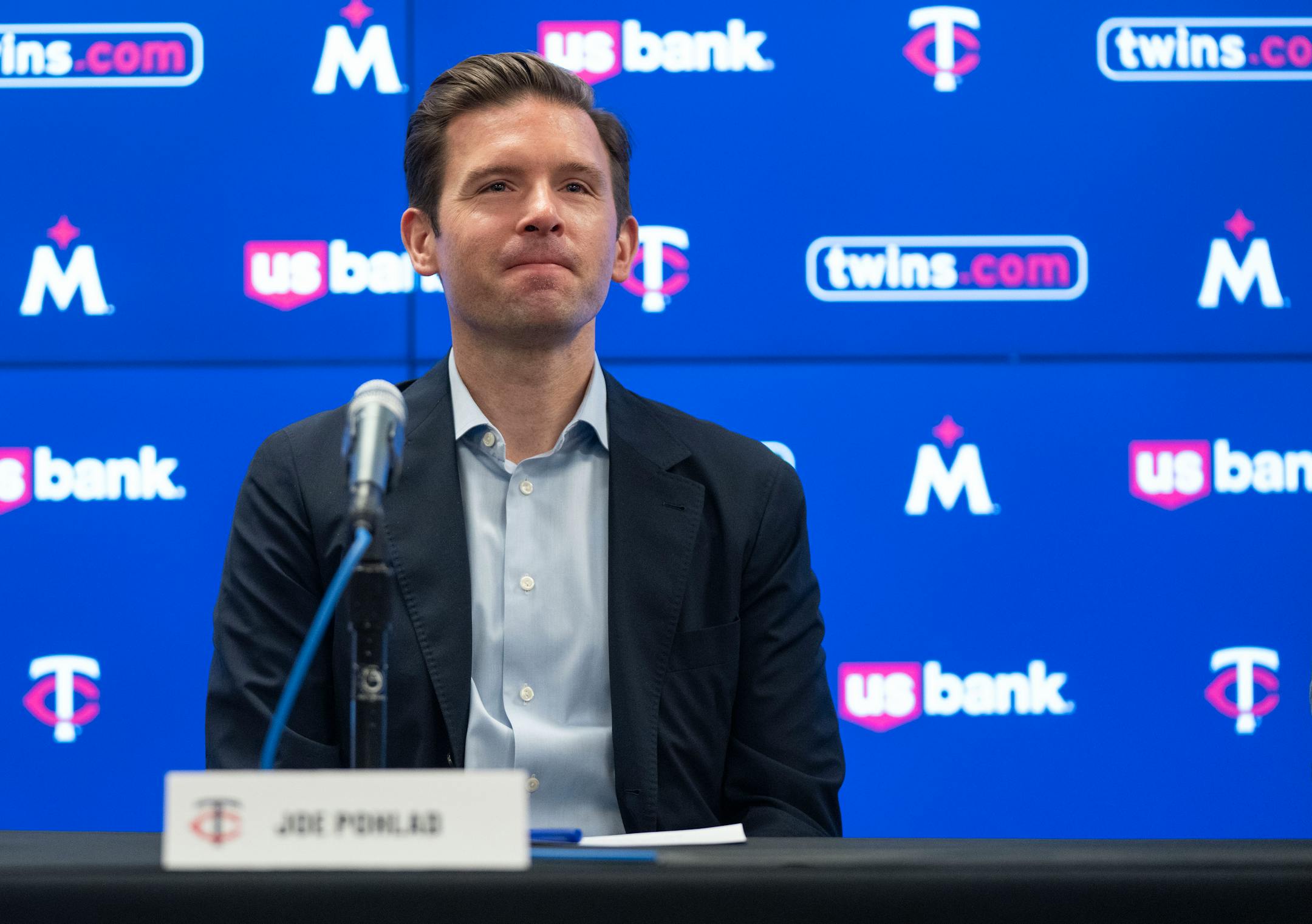
Joe Pohlad takes part in a news conference on Jan. 11, 2023, at Target Field in Minneapolis. (Alex Kormann/The Minnesota Star Tribune)

Tom Pohlad pointed to what he said is an unfavorable economic model for small- and middle-market MLB teams like the Twins. In such markets, revenues “don’t necessarily support” amenities like a first-class ballpark at Target Field or consistently putting a high-performing team together.

He said the family has repeatedly chosen to invest beyond what the Twins’ revenues can support in an effort to field a competitive team.

This year, the Twins notched the second-worst record in the American League Central. A final away game against the Phillies closed the season Sunday.

“It’s understandable for fans to say, ‘You haven’t gotten the job done,’” Tom Pohlad said. “It’s been 34 years since the World Series, and, up until 2023, 21 years since we had a playoff win. And that’s unacceptable.

“The fans are totally justified to think it’s unacceptable. You want to question the wisdom of our investment? Great. But don’t question [our] commitment to investing in the Twins.”

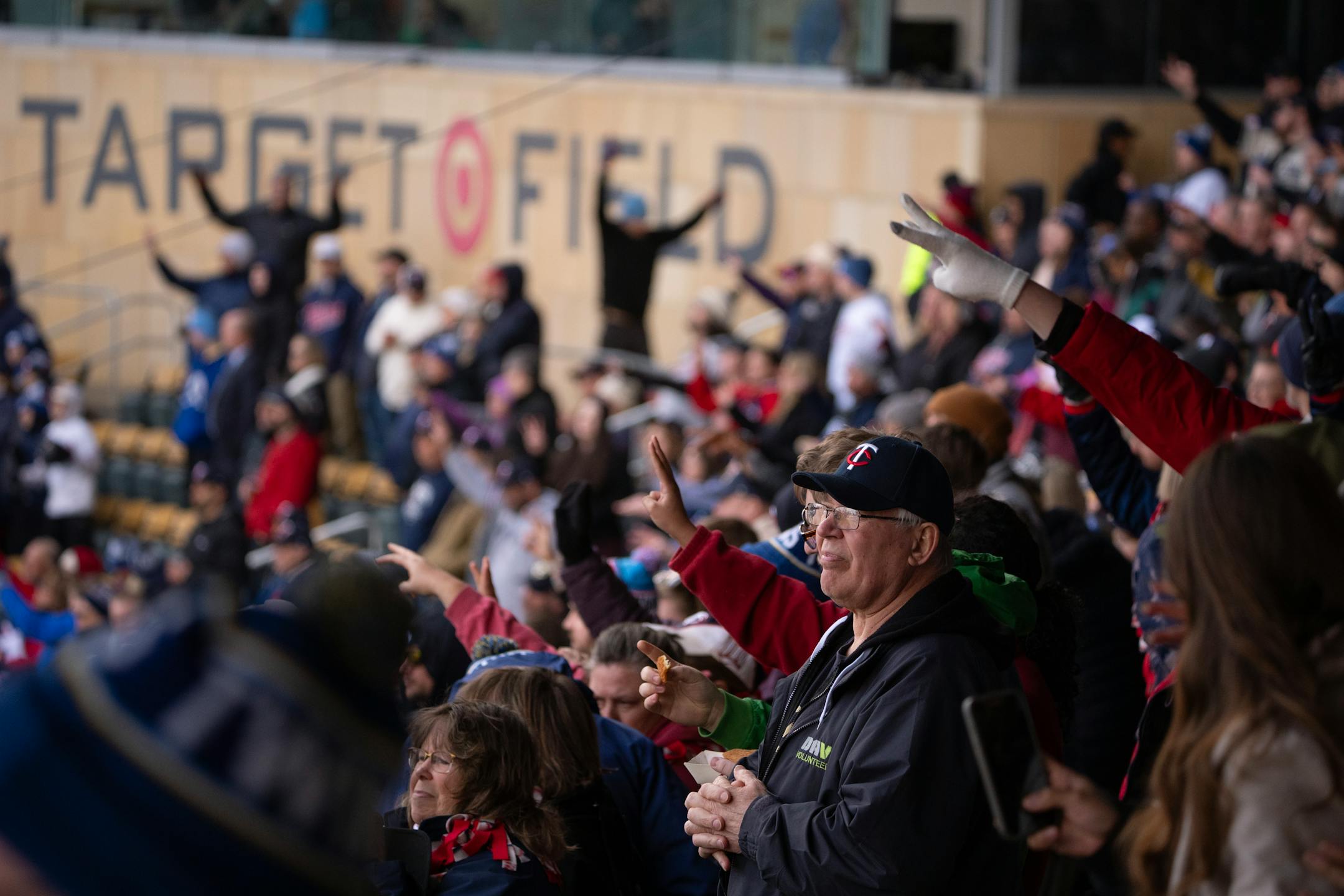
Fans sing “Take Me Out to the Ball Game” during the seventh inning stretch of a game against the Houston Astros on April 3. (Jeff Wheeler/The Minnesota Star Tribune)

Game of billionaires

A Twins sale was expected to fetch the Pohlads between $1.5 billion and $1.7 billion, based on estimated valuations of the team.

By keeping the franchise while selling a limited stake, the family gets the benefit of a cash infusion while retaining control of a rare asset that has increased more than tenfold in value over four decades.

Rodney Fort, a sports economist and University of Michigan professor emeritus, said franchise prices have grown dramatically. Buying into a professional sports team is an investment in a lucrative asset and virtually riskless, he said.

“It’s pretty hard to lose money on a pro sports team,” he said. “I think you have to actually try to do that.”

Pro teams tend to be run by financially adept people and are designed to maximize profit and preserve the net worth of those buying in.

“It’s a game of billionaires,” Fort said. “There’s not a single ownership group that is not dominated by billionaires.”

In the world of professional team owners, the Pohlads are unusual in having a team crossing three generations, said Dan Levitt, an author of four baseball books and board member of the Society for American Baseball Research.

Only two teams — the Chicago White Sox in 1956 and the 1977 Chicago Cubs — made it to a third-generation owner. Both sold within five years. But in the Twins’ case, two different generations now control the team.

Levitt said good owners hire good people, provide solid direction to executives and stay out of baseball decisions, including trade deals. And while fans have battered the Pohlads over the Twins’ budget, the family has for the most part followed those best practices, he said.

“I’d rather have the Pohlads than a lot of other owners,” Levitt said.

Family history

Born into a poor Iowa family, patriarch Carl Pohlad forged a legacy as a self-made, bootstrapping American success story. During World War II, he famously made small loans from an Army mess tent while serving in Europe, where he earned three Purple Hearts.

His dealmaking acumen sprouted what would become a diversified Minnesota business empire. Pohlad got his executive start in banking, ultimately rising to CEO of Minneapolis-based Marquette Bank, which he sold in 1992 for $230 million. He also assembled an independent Pepsi bottling company, MEI Inc., which sold for more than $600 million in 1986.

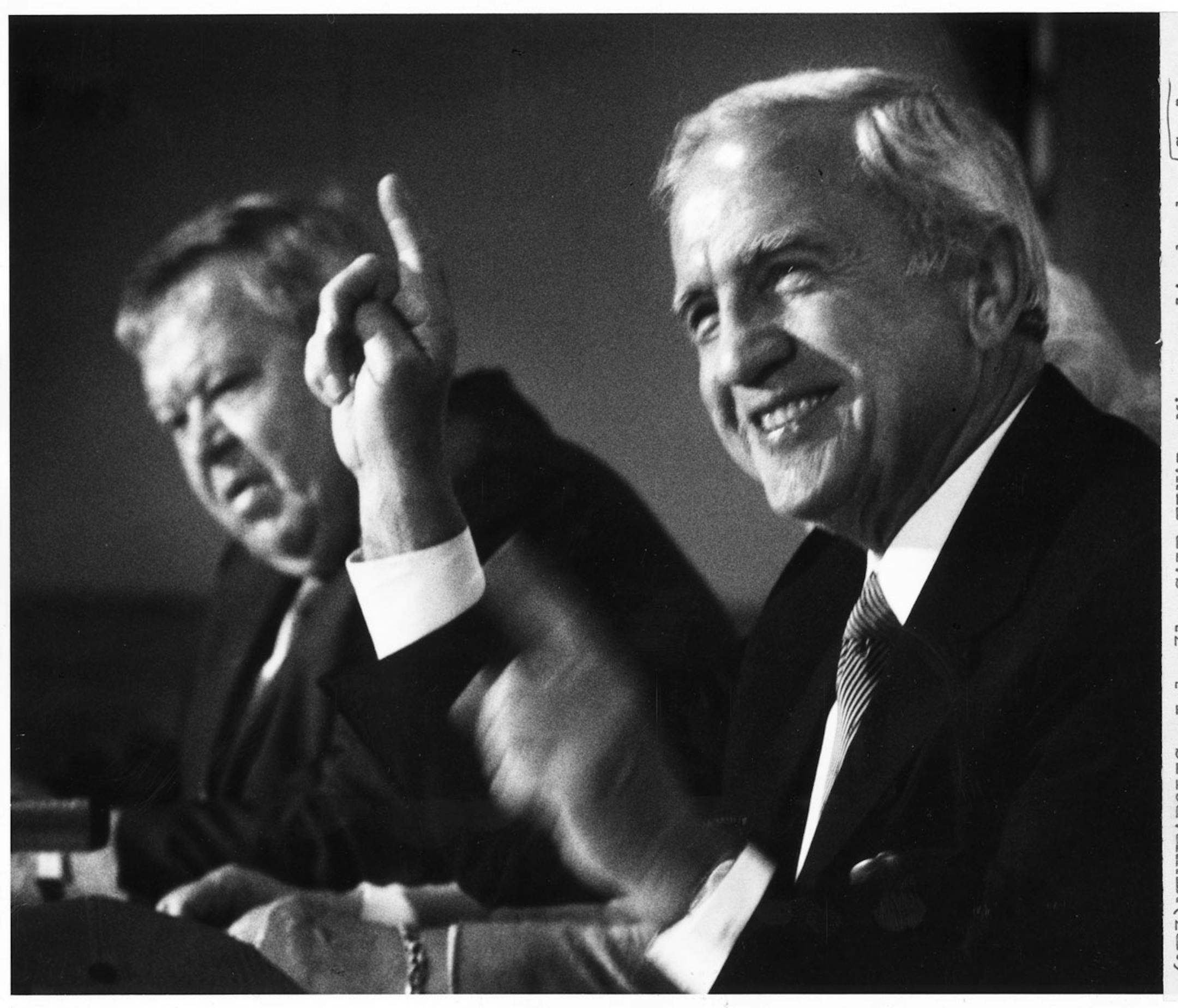
Calvin Griffith, background, and Carl Pohlad appear at a news conference in July 1984, announcing completion of the sale of the Minnesota Twins from Griffith to Pohlad. Carl Pohlad died in 2009, leaving the Twins to his family. (Star Tribune Staff)

Known for building those enterprises, Pohlad would later strike advantageous deals upon selling them. For instance, after selling Marquette Bank, he retained the rights to the name, then quickly built another bank called Marquette, which he sold in 2001 to Wells Fargo in a deal valued at $1 billion.

The Twins, purchased for about $40 million in 1984, was valued by Forbes at $328 million when Pohlad died in 2009 at the age of 93. His estimated net worth at the time was $3.6 billion, giving him the title of the 102nd-richest American.

Wealth intelligence firm Altrata, which publishes an annual anonymized “Billionaire Census,” continues to count some of the Pohlad family members in its study.

After Pohlad died, his three sons — Jim, Bill and Bob Pohlad — inherited stewardship of the family interests, which consist of commercial real estate firms Northmarq and United Properties, plus the Twins.

Of the brothers, Jim Pohlad followed the family business in banking. Bob Pohlad went into bottling. Bill Pohlad charted a course in Hollywood with the film company he founded, River Road Entertainment, which backed Oscar-winning films including “Brokeback Mountain” and “12 Years a Slave.”

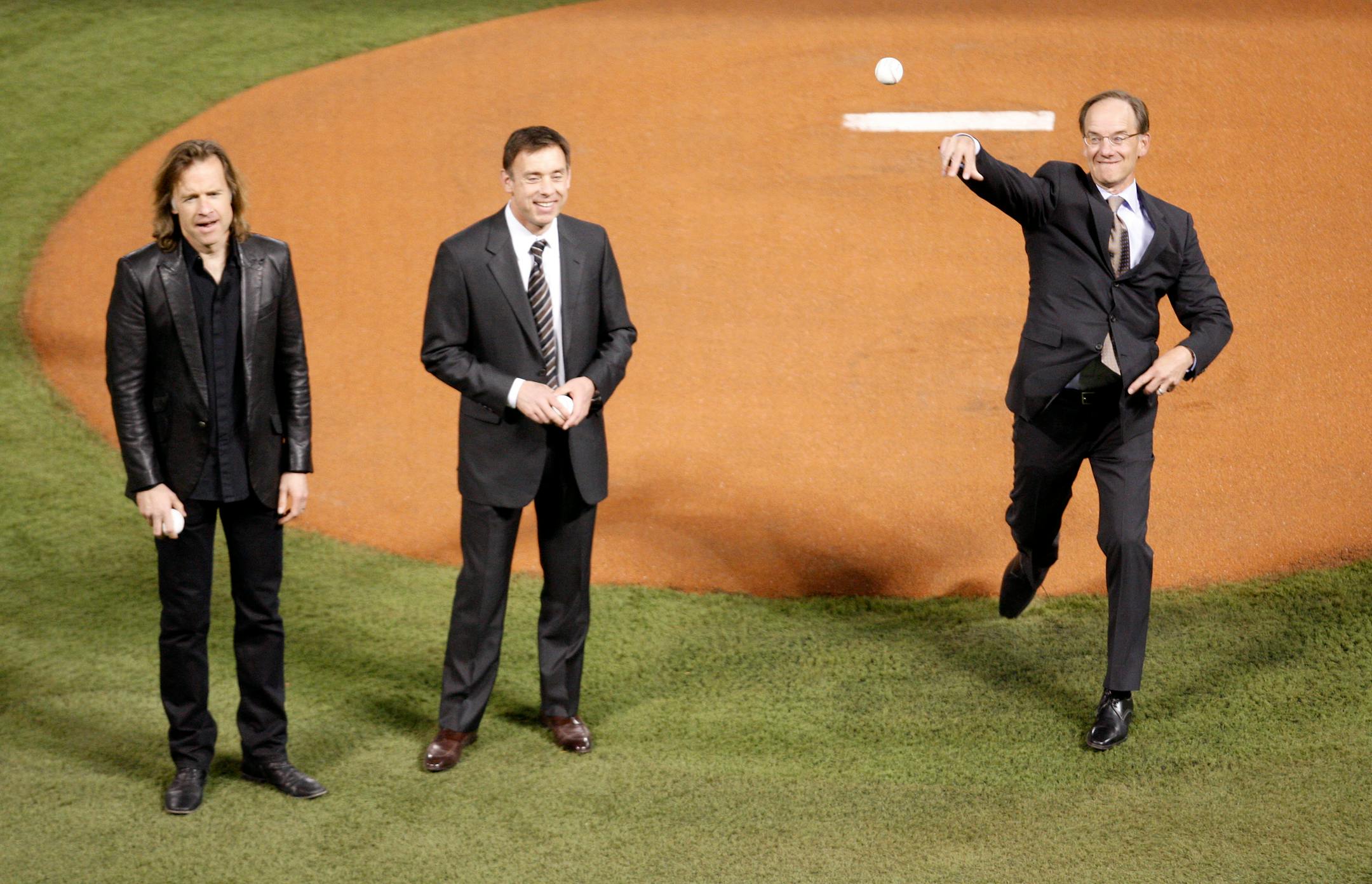
The Pohlad brothers — from left, Bill, Bob, and Jim — throw out the first pitch on Opening Day of the Twins’ season in 2009. Management of the family’s assets, including the Twins, is a responsibility their children have inherited. (Carlos Gonzalez/The Minnesota Star Tribune)

Today, as Carl’s three sons have transitioned toward advisory roles, four of his Pohlad’s seven grandchildren, including Joe and Tom Pohlad, hold day-to-day management positions under Pohlad Cos. which employs about 3,500 people.

Of the family’s core businesses, Northmarq, a commercial real estate financing firm, is “far and away” the largest, Tom Pohlad said. Headquartered in Bloomington, the privately held business has serviced more than $78 billion in loans as of last year.

United Properties, one of the biggest commercial real estate firms in the Midwest, develops and manages a large portfolio of commercial real estate and has been behind major Twin Cities projects, including the RBC Gateway tower on Nicollet Mall.

Both of the real estate businesses have performed well despite some industrywide headwinds, Tom Pohlad said.

The family is also a primary investor in smaller ventures viewed as ripe for growth. Pohlad Cos. owns Par Systems, an automation company, and bought a more recent stake in a Little Caesars pizza franchise of several dozen stores concentrated in southeastern U.S.

The Pohlads have been in and out of other businesses familiar to Minnesotans. For instance, the family last year sold Carousel Motor Group, a chain of luxury auto dealer, and a radio venture in 2020.

The Pohlads said their goal for the Twins is winning versus turning a profit. And what happens with the team does not influence the other parts of the enterprise — or vice versa.

Tom Pohlad said Minnesota is where the family lives, works and makes most of their investments, and the state has been good to them.

“We have a responsibility and a desire to pay it back,” he said.

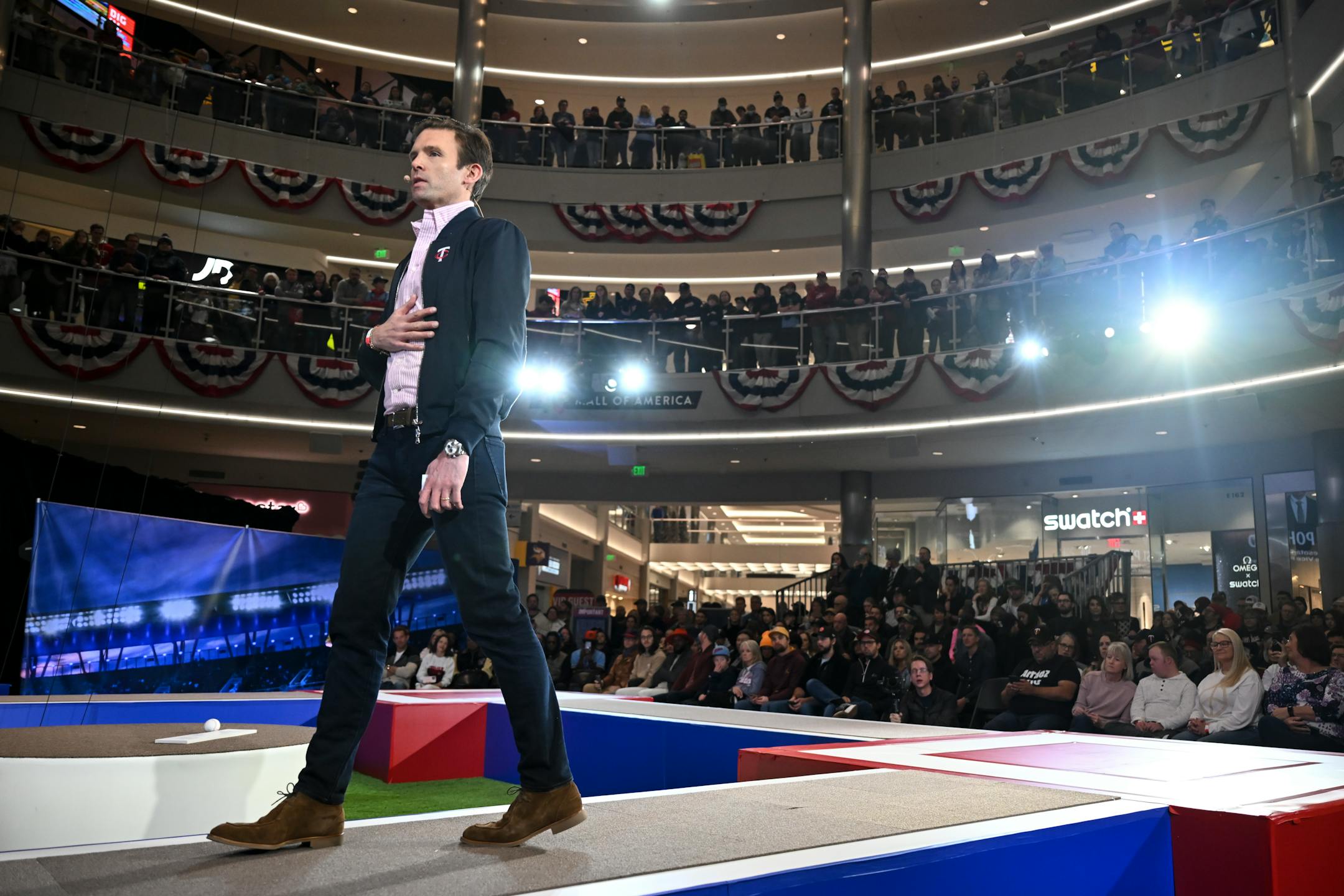
Twins Executive Chair Joe Pohlad speaks during a logo and jersey branding unveiling on Nov. 18, 2022, at the Mall of America in Bloomington. (Aaron Lavinsky/The Minnesota Star Tribune)
Correction: A previous version of this story misstated the Twins' final opponent for the season. A previous cutline misstated Calvin Griffith's name. The story has been updated.
about the writer

about the writer

Bill Lukitsch

Reporter

Bill Lukitsch is a business reporter for the Star Tribune.

See Moreicon

More from Business

See More
card image
Hormel headquarters in Austin, MN. ] GLEN STUBBE * gstubbe@startribune.com Friday September 11, 2015 Despite woes throughout the food industry, partly due to consumers turning away some from processed foods, Hormel has managed to continue prospering -- even though a good part of its business -- Spam, chili -- is about as processed as you can get. But the company's turkey and pork offerings are riding a hot protein trend. And over the past two years, it's made some of the biggest acquisitions in