

Opinion editor’s note: Strib Voices publishes a mix of guest commentaries online and in print each day. To contribute, click here.
•••
The shameful decision on Friday by the Center for Disease Control and Prevention’s Advisory Committee on Immunization Practices to halt its decadeslong recommendation that newborns be immunized for hepatitis B at birth made me grateful for a recent initiative at the University of Minnesota.
Seven months ago, in late April, the University of Minnesota’s Center for Infectious Disease Research and Policy (CIDRAP) launched its Vaccine Integrity Project (VIP). The timing was no accident. A notorious peddler of vaccine misinformation had recently been installed atop the Trump administration’s Department of Health and Human Services, and vaccines — one of the great public-health triumphs of the modern world — had depressingly become an even more contentious political issue.
The Vaccine Integrity Project was thus formed, in its own words, to safeguard “vaccine use in the U.S. so that it remains grounded in the best available science, free from external influence, and focused on optimizing protection of individuals, families, and communities against vaccine-preventable diseases.” To meet its mission, the project has since created a helpful website, submitted official comments on proposed CDC guidance, responded to the Trump administration’s purging of experts and countered federal health authorities’ dissemination of anti-vaccine propaganda.
Combining scholarly expertise with a commitment to public service, the project embodies precisely the sort of inspired work that Minnesotans expect of their land-grant university.
What a shame, then, that it will have to be shut down.
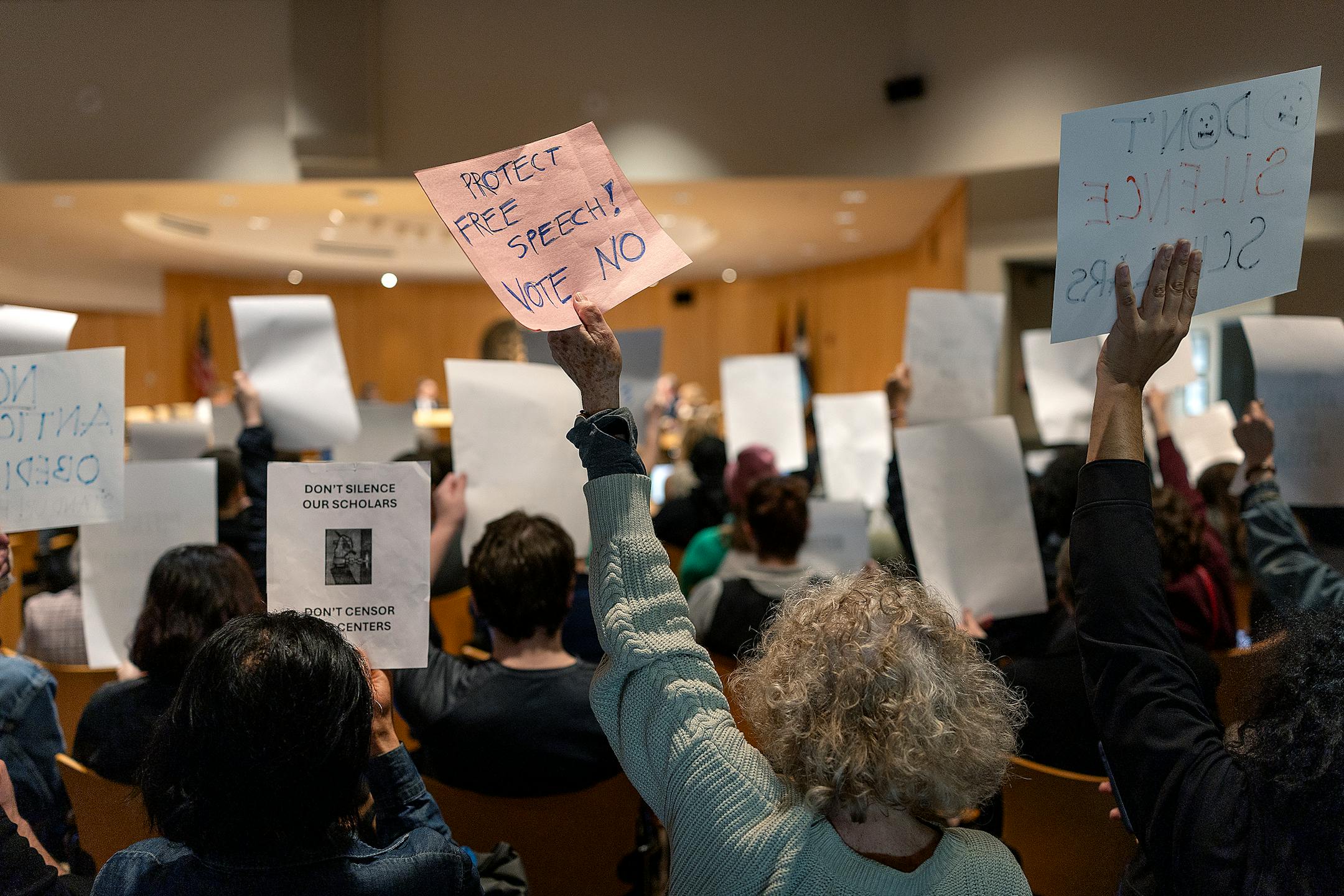
A month before the Vaccine Integrity Project was launched, the University of Minnesota Board of Regents passed a resolution prohibiting centers such as CIDRAP from issuing “communications” about “matters of public concern or public interest.” The resolution, which was widely opposed by faculty, staff and students, represented a cowardly submission by all but three regents to the threat by dozens of state Republican legislators opposed to academic freedom to cut future university funding. In true Orwellian fashion, the regents who sponsored the resolution claimed to be upholding academic freedom, which is grounded in both individual and collective or associational rights, as they most certainly undermined it.


