What languages are most spoken in Minnesota homes?

Almost 640,000 people in Minnesota speak a language other than English at home. The state demographer says Minnesota’s unique immigrant populations have fostered more linguistic diversity than in many states.

The Minnesota Star Tribune
July 31, 2025 at 11:00AM
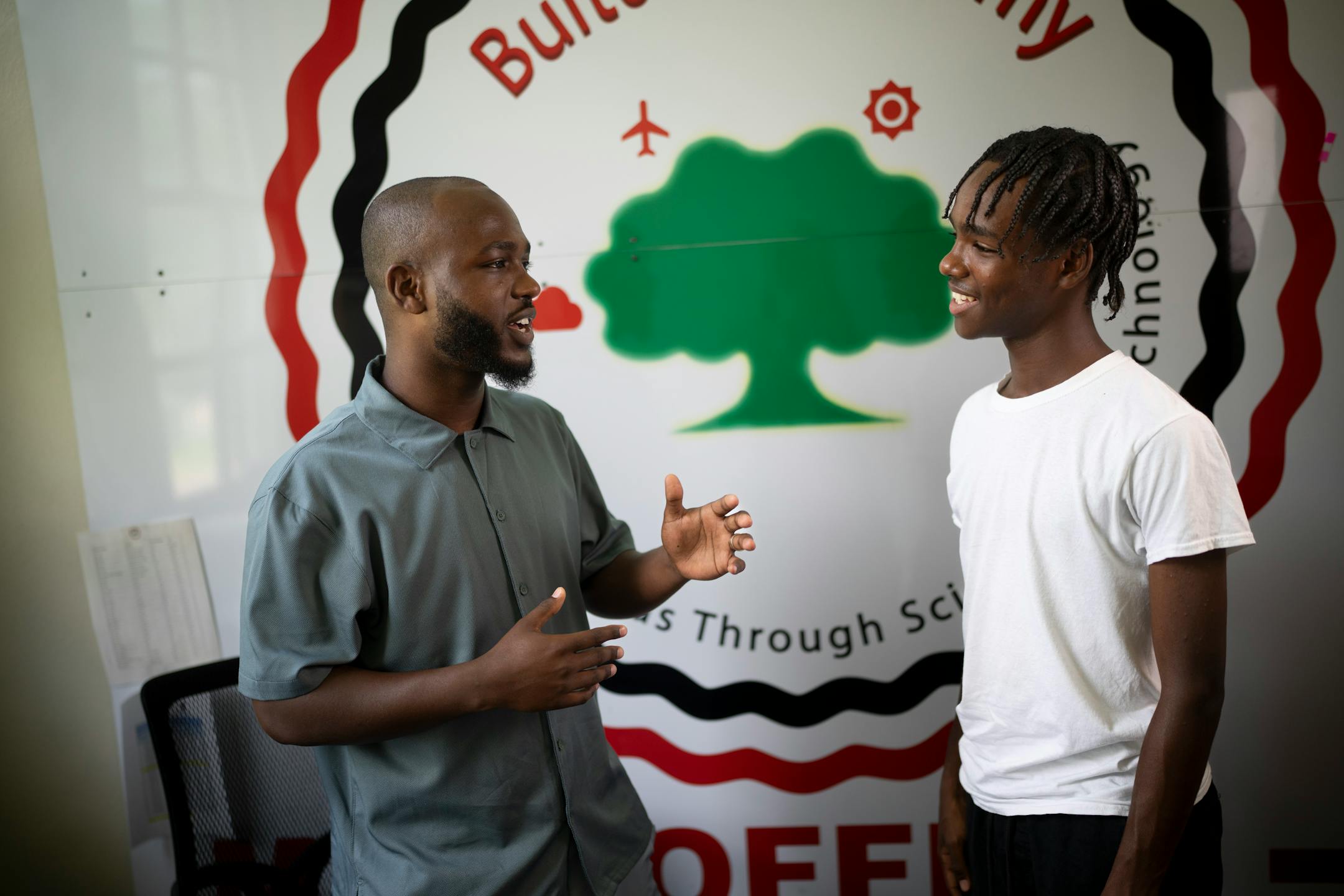
Abas Regassa, left, assistant director of Bultum Academy, speaks Oromo with his brother Omar Worku at the Oromo language charter school in Columbia Heights. (Renée Jones Schneider/The Minnesota Star Tribune)

Abas Regassa is among the thousands of Oromo people in the Twin Cities who have made Minnesota’s population of the Ethiopian ethnic group one of the largest in the United States. Regassa, 25, spent the first half of his childhood in Ethiopia, where Oromo people have historically been oppressed, and learned to speak both Amharic and Oromo.

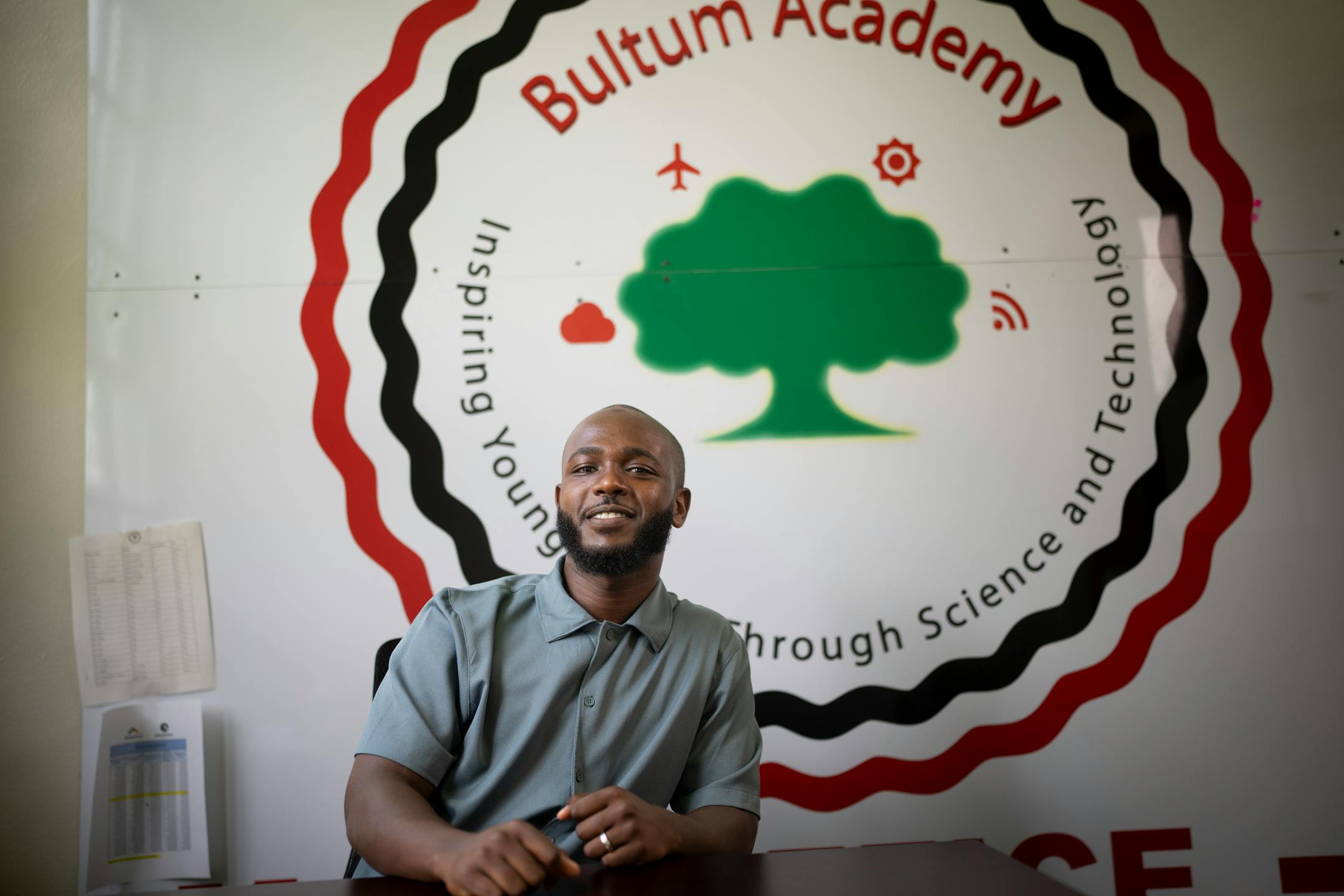
Today, Regassa is the assistant director of Bultum Academy in Columbia Heights, which is thought to be the country’s first charter school teaching the Oromo language. And he and his wife are among the 8,000 or so Minnesotans who speak Oromo at home.

Regassa notes that the Oromo people have a strong storytelling tradition, and sharing folk tales in their original language helps reinforces the culture’s worldview. “When you’re living outside of a place that is usually considered home, it helps bring people together.”

About 1 in 5 people in the United States speak a language other than English at home, according to tabulations recently released by the Census Bureau on the hundreds of languages used by people ages 5 and older from 2017 to 2021. But rates vary greatly by state.

Minnesota’s rate is 12% — roughly half the national average, representing almost 640,000 speakers.

Fewer Spanish speakers

Spanish is the United States’ second most–prevalent language, spoken by about 60% of people who don’t regularly use English at home, per data from the 2017-2021 America Community Survey. Nearly 80% of those who communicate in another language at home speak an Indo-European language, which includes Spanish, German, French and Hindi.

Language use differs widely by region, though. In Maine and Vermont, French is the second most–common language. In Hawaii, it’s Iloko, a language spoken in the Philippines.

In Minnesota, Spanish is the preferred language among people who don’t speak English at home, but its portion of that group, about a third, is half the national average. That difference is due, in part, to the Minnesota’s significant populations of Hmong and Somali speakers, which each represent about 10% of those not speaking English at home.

“We have much more linguistic diversity here because we have a smaller share speaking that dominant language, Spanish,” explained Minnesota state demographer Susan Brower. She noted that in Wisconsin, the proportion of Spanish-speakers is much higher, about half of those not speaking English at home.

In Minnesota, following Spanish, Hmong and Somali, the next most common language group is Vietnamese and related Austroasiaticlanguages, which are used by about 3% of the population that does not speak English at home. German, French, Chinese, Russian and Arabic each represent about 2% of the total group communicating in another language.

Language and birthplace

Ethnic groups that have immigrated to the United States more recently tend to have a higher portion of people who are foreign-born versus American-born, Brower explained. The opposite is true of groups that have been in the country for generations. “There’s quite a bit of variation,” she said.

Minnesota’s Hispanic and Hmong populations began rapidly increasing in the 1970s and 1980s, and among people who speak Spanish and Hmong at home, more than half were born in the United States, Brower noted. Meanwhile, people from Somalia didn’t begin to arrive in Minnesota in large numbers until the 1990s, so among home Somali-speakers, only about 25% were born in the U.S.

Karen people’s migration to Minnesota began in the 2000s, due to violence in Myanmar (formerly Burma). Fewer than a fifth of Minnesotans speaking the Karen language at home were born in the U.S., Brower said. “That speaks to the newer flow of immigrants from that region.”

Brower analyzed ACS data to find that members of different ethnic groups in Minnesota spoke the language of their home country at varying rates. For example, nearly 80% of people who identify as Hmong in Minnesota speak Hmong at home. While about 60% of people reporting Mexican ethnicity speak Spanish at home.

English proficiency

The Census Bureau also asks respondents to rate their English proficiency. Nationally, more than 60% of those who spoke another language at home indicated that they also spoke English “very well.” Minnesota’s overall rate of English proficiency among those speaking other languages is on par with the national average, as are the rates of those speaking Spanish, Hmong and Somali.

Brower noted that proficiency rates tend to be lower for newer immigrant groups; for example, about 25% of Karen speakers report speaking English very well. So even though only about 10,000 people speak Karen at home in Minnesota, translation of signs and documents related to things like voting and public health become more important for that community.

Isolating the cohort of school-age children (5-17) who speak other languages at home, Brower found they had higher rates of English fluency than adult speakers. About 75% of school-age children were reported to speak “very well,” with the majority of the remaining cohort speaking “well.”

Changing language mix

The mix of languages other than English spoken at home in Minnesota is changing over time.

The last time the Census Bureau released detailed information on languages spoken at home, using ACS data from 2009-2013, Spanish was also the dominant non-English language in Minnesota, followed by Hmong and Somali. Those speaker populations have all grown in the decade since, with Somali growing most rapidly of the three.

Among the group of the next most–prevalent languages in Minnesota, the number of German speaker has decreased, while the number of French speakers has increased. And the populations of Vietnamese, Chinese and Russian home-speakers have stayed about the same.

To get a sense of how the state’s language distribution may change in the coming decades, Brower reviewed data on languages spoken at home by the 5-17 age cohort. Spanish speakers make up about 40% of school-age children who speak a language other than English in Minnesota, slightly higher than the rate of the broader age group.

The next-most prevalent languages among young speakers are Somali and Hmong, followed by Arabic, Karen and Vietnamese.

Oromo speaker Abas Regassa is the assistant director of Bultum Academy, an Oromo language charter school in Columbia Heights. (Renée Jones Schneider/The Minnesota Star Tribune)

And the population of young Oromo speakers is increasing, too. According to the Minnesota Department of Education, Oromo was the 8th most–common home language of students enrolled in K-12 public, private and charter schools last year.

These 3,000-plus young Oromo speakers in Minnesota are helping strengthen the community’s ties in its adopted home, noted Abas Regassa, the Oromo school administrator.

“Subconsciously, there’s this instant connection you feel when you hear your language spoken, especially in a country where you don’t expect it,” he said. “The moment you hear it, it’s like a spark, and you almost instantly connect with the person.”

about the writer

about the writer

Rachel Hutton

Reporter

Rachel Hutton writes lifestyle and human-interest stories for the Minnesota Star Tribune.

See Moreicon