Tolkkinen: Rural diabetic prisoner was in ‘agony’ over uncontrolled blood sugar

Care for diabetic inmates is problematic nationwide.

Columnist Icon
The Minnesota Star Tribune
November 22, 2025 at 12:01PM
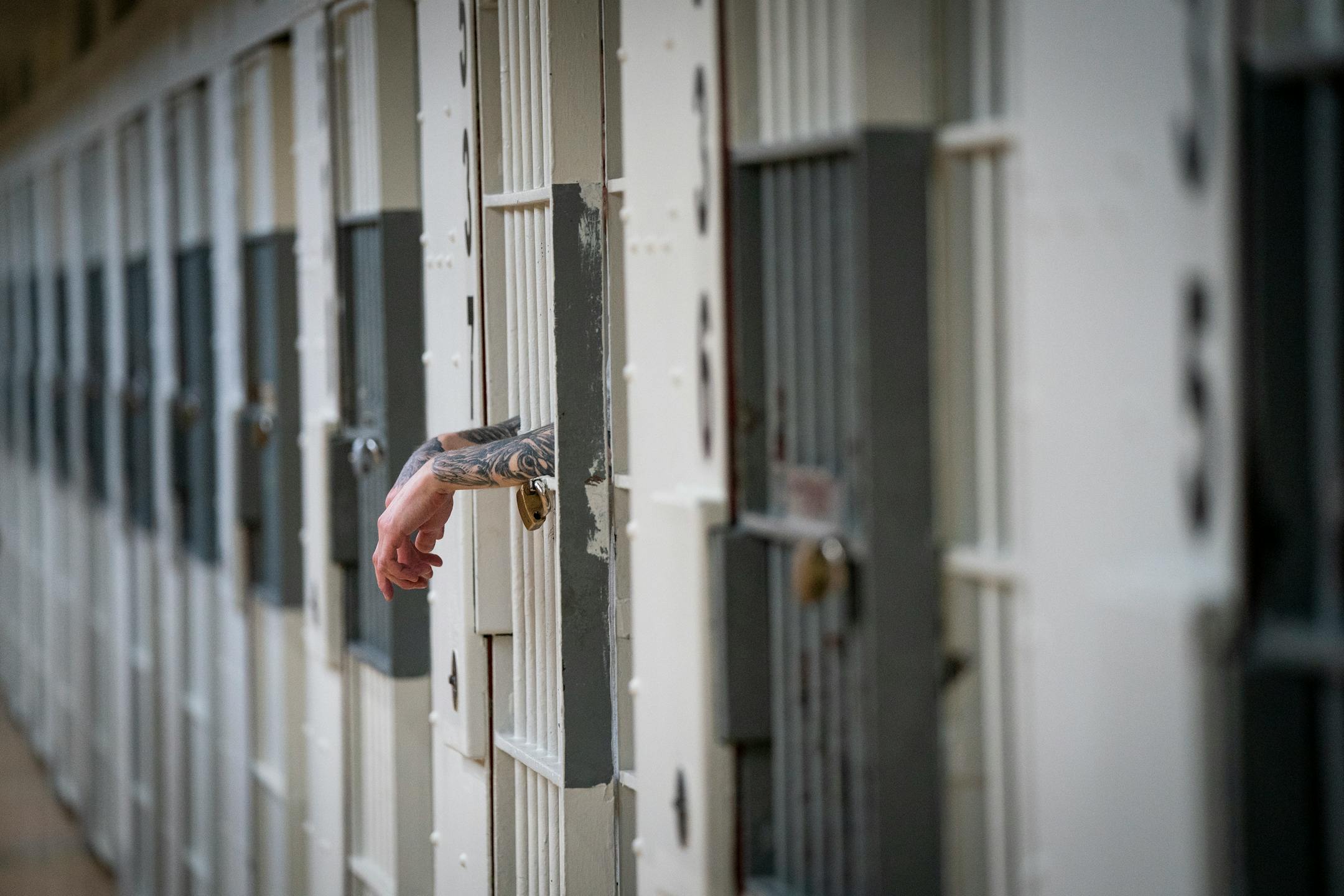
“In general, it is very common for people with diabetes to receive extremely inadequate care in jail or prison,” the American Diabetes Association says on its website. (Leila Navidi/The Minnesota Star Tribune)

Jaden Pihlaja deserved to go to jail.

No question.

At 20, the Frazee, Minn., resident threatened to shoot a former roommate who had started dating his ex-girlfriend. He showed up at the man’s home and showed him what appeared to be a gun. (It was actually a laser thermometer that resembled a gun, court records say.)

In October, after pleading guilty to two charges, he was ordered to serve 30 days in the Becker County jail in Detroit Lakes, with time off for work.

But there was a complication.

Pihlaja has Type 1 diabetes. Every day during his incarceration, his blood sugar topped 200, which the jail considered too dangerous for him to be released for work. Untreated high blood sugar can lead to diabetic comas and even death, according to Mayo Clinic.

Pihlaja asked jail staff and the nurse to let him take insulin closer to mealtime, but they wouldn’t deviate from protocol, according to a motion filed by his attorney.

The act of eating drives up blood sugar levels in everyone, but it’s especially problematic for diabetics whose bodies don’t properly break down the sugars in food. Pihlaja skipped breakfast two mornings in a row to force down his blood sugar so he could be released for work, but his levels remained stubbornly high.

Jail staff threatened him with a solitary cell if he didn’t eat, according to the motion.

As a result, his attorney wrote, “Mr. Pihlaja is in a constant state of serious discomfort (sickness and from time to time agony).”

Pihlaja was in a catch-22 situation, he wrote.

“Mr. Pihlaja is sick, he is suffering and there is no help or escape,” the attorney wrote. “Mr. Pihlaja is trapped.”

Even in the best of conditions, diabetes is a tricky disease to manage. My Type 1 diabetic dad lived for 60 years with the disease and his blood sugar often rose in the hospital even under the care of well-trained staff.

Now imagine being incarcerated. Jail and prison staff aren’t medical workers, and fixed mealtimes don’t necessarily coincide with a diabetic’s need to eat.

To get around strict mealtimes, inmates sometimes save food from their trays to eat later in their cells, said Capt. Pat O’Malley, administrator of the Wright County jail.

“Which you’re not supposed to do, but they’ll hide it until they get hungry,” he said.

They can also purchase food from vending machines or canteens during certain hours, he said. Some prisoners manage their diabetes well. Others don’t.

“We get a lot of people who don’t, and don’t care,” he said.

The American Diabetes Association paints a bleak picture of diabetes care in jails and prisons across the nation.

“In general, it is very common for people with diabetes to receive extremely inadequate care in jail or prison,” the 86-year-old nonprofit organization says on its website. “Across the nation, many people have died in custody because they were denied access to insulin, blood sugar monitoring, or appropriate low blood sugar treatment.”

A quick search online reveals news coverage and social media posts attesting to the misery some diabetics have endured while incarcerated.

In Ohio, a Type 1 diabetic inmate died in 2021. A lawsuit claims the jail failed to give him the insulin he needed. That same year, an Illinois jury awarded $400,000 to an inmate who had his leg amputated, finding that the state prison failed to properly care for an infection that started with blisters on his foot. Last year, the family of a Philadelphia inmate who died of a serious diabetes complication in 2022 filed a federal lawsuit, saying he had not received insulin during the last six days of his life.

I don’t know what happened in the Becker County jail. Maybe Pihlaja’s blood sugar levels were sky high well before he was locked up. Or maybe jail conditions were too challenging to keep them under control.

Like I said, he deserved punishment. But nobody deserves to suffer for medical reasons while incarcerated.

Christopher Burton, assistant jail administrator, couldn’t comment on this case, but said he’s proud of his facility. The jail’s medical services are provided by Advanced Correctional Healthcare. Inmates give their own injections under supervision, can receive diabetic education, and receive diabetic meals at scheduled mealtimes. Jails follow food safety requirements and meals are approved by a dietitian. A licensed practitioner orders diabetic snacks for individual patients.

He said that Becker County houses several diabetic inmates daily as well as hundreds of inmates throughout the year with diabetes and other chronic health conditions

The Becker County district judge who heard Pihlaja’s emergency petition, Gretchen Thilmony, ordered him released the same day.

This week, the court agreed to let him serve out his sentence on house arrest, with permission to go to work.

Burton said it’s not the first time an inmate has been released from the Becker County jail for medical reasons.

“It is fairly common for jails to ask for the release of people who we are not capable of caring for,” he said. “Jails are not nursing homes, hospitals, or mental health hospitals.”

about the writer

about the writer

Karen Tolkkinen

Columnist

Karen Tolkkinen is a columnist for the Minnesota Star Tribune, focused on the issues and people of greater Minnesota.

See Moreicon