A Nazarene ministry in St. Paul‘s working-class East Side. An aging Lutheran congregation in Roseville. A nondenominational megachurch in Maple Grove.
Three vastly different churches are on the leading edge of a Minnesota experiment in treating chronic homelessness by building tiny home villages — known as Sacred Settlements — on their land for society’s hardest-to-house people.
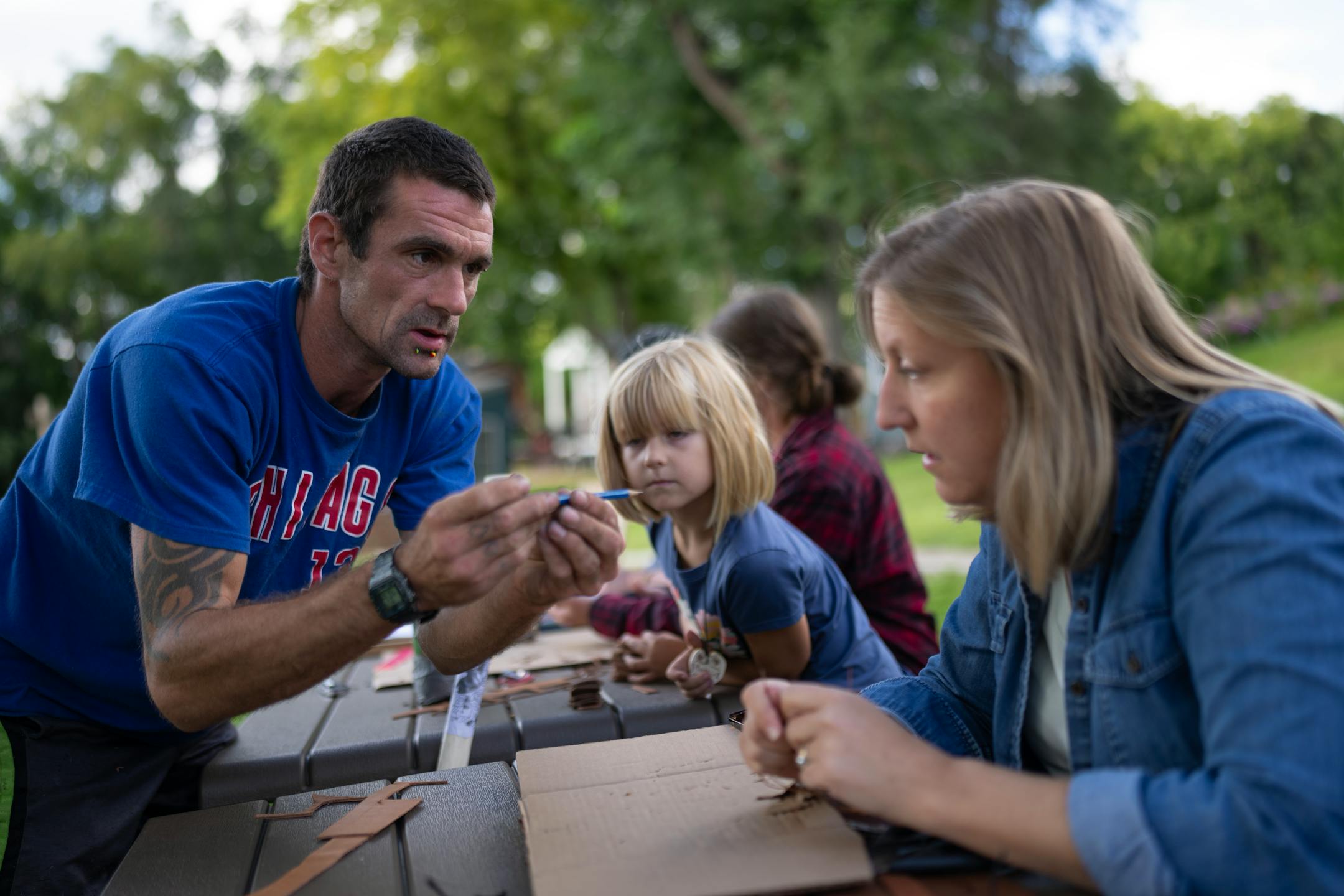
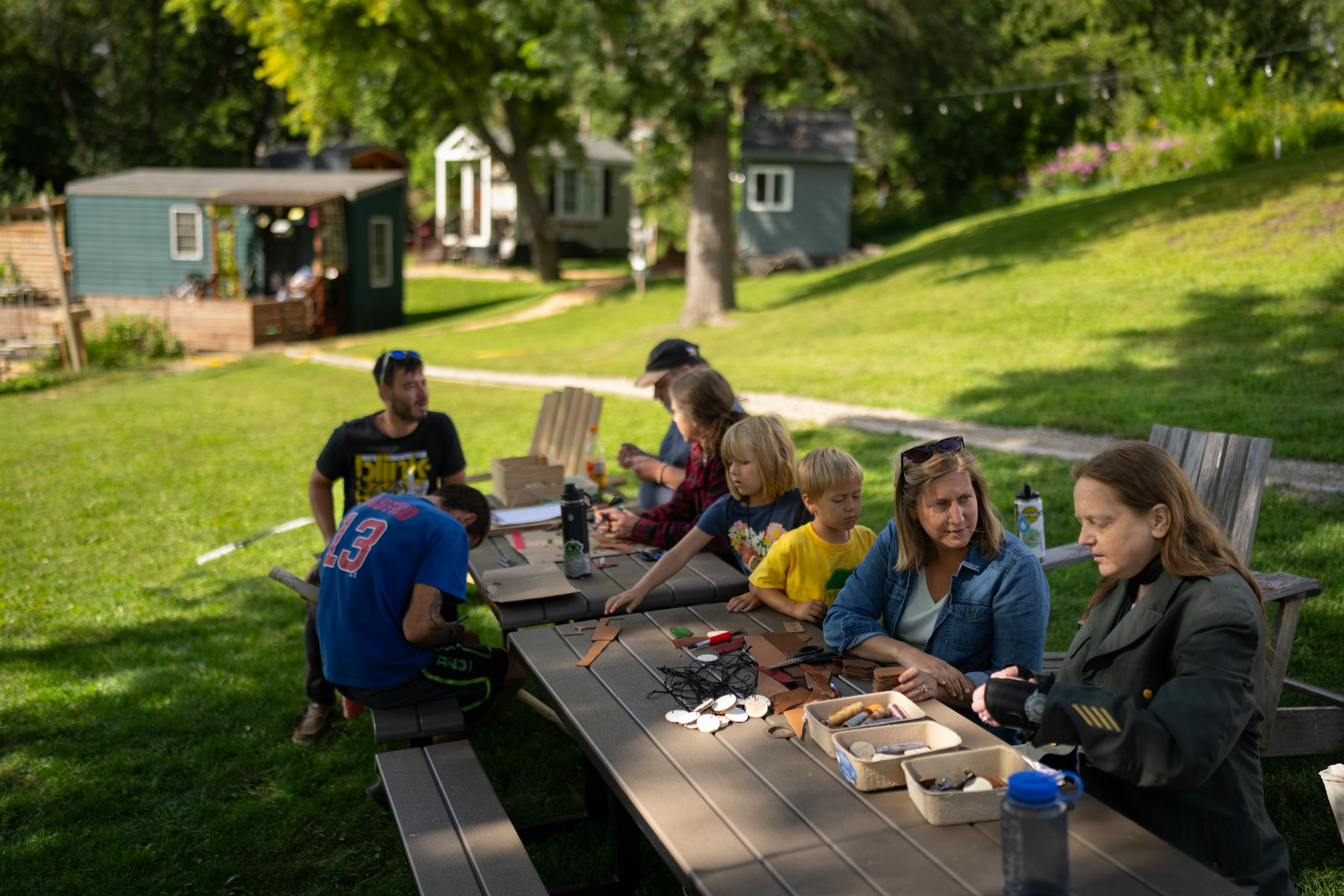
The settlements are modest, each comprising a handful of tiny houses clustered near trees and water. Neat, wood-chipped trails ramble from one home to the next. Hand-carved road signs and communal vegetable patches add a cottage flair. Each house is uniquely built and donated by other churches across the state, with rents based on size.
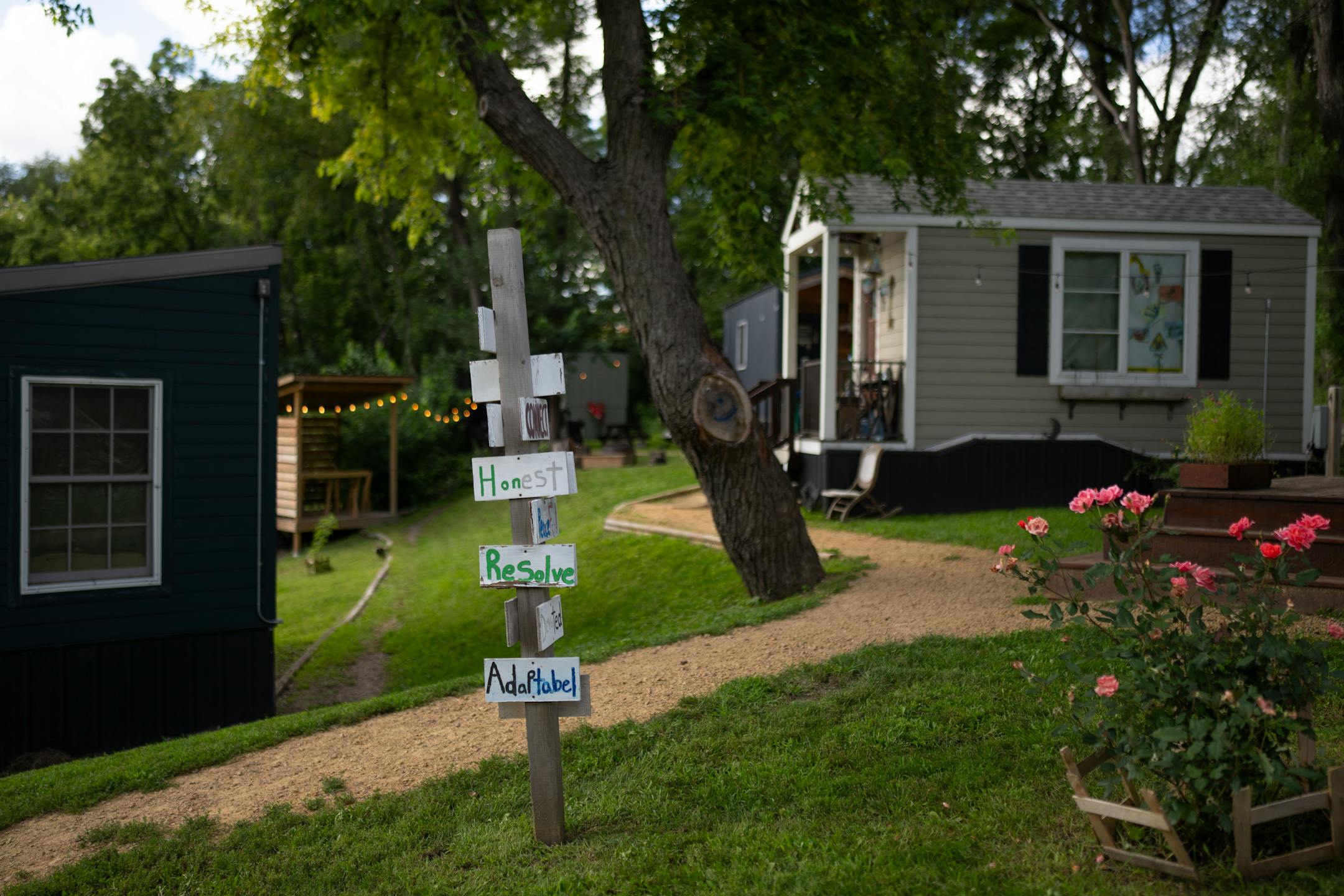
Part religious movement and part housing policy research, Sacred Settlements’ first few years have suggested that homeless people once written off as unwilling to receive help can find stability in the right environment. At the same time, the churches that welcomed them have seen renewed relevancy and interest, their leaders say, in an era when political divisions are driving younger generations away from religious life.
“It wasn’t a driving factor in our decision to have the settlement, but the result was we have more folks coming in, a lot of folks curious, younger people coming to work with us,” said Michael Stetzler, former governing council president of Prince of Peace Lutheran Church in Roseville. “The energy that it’s created internally, and the draw that it is for some people looking at us from the outside, is kind of a revitalization.”
A religious response to opposition
Federal law exempts religious property owners from zoning codes that would typically hinder secular builders, as long as they use their land to further their mission. Settled, the nonprofit behind Sacred Settlements, argues that serving the poor is aligned with all major world religions. By leveraging their privilege under the law, these churches are acting out a form of radical hospitality they say is at the root of Christianity.
“Collectively, religiosity owns a lot of land, and they don’t pay taxes,” said Seanne Thomas, a St. Paul resident who saw the state’s first Sacred Settlement established at Mosaic Christian Community, next door to her, in 2022. Thomas isn’t religious but said she respected the church’s trailblazing move and has had no problems with the tiny home village.
“What better use of all of their real estate than to embrace and shelter those that are experiencing chronic homelessness?” she asked.