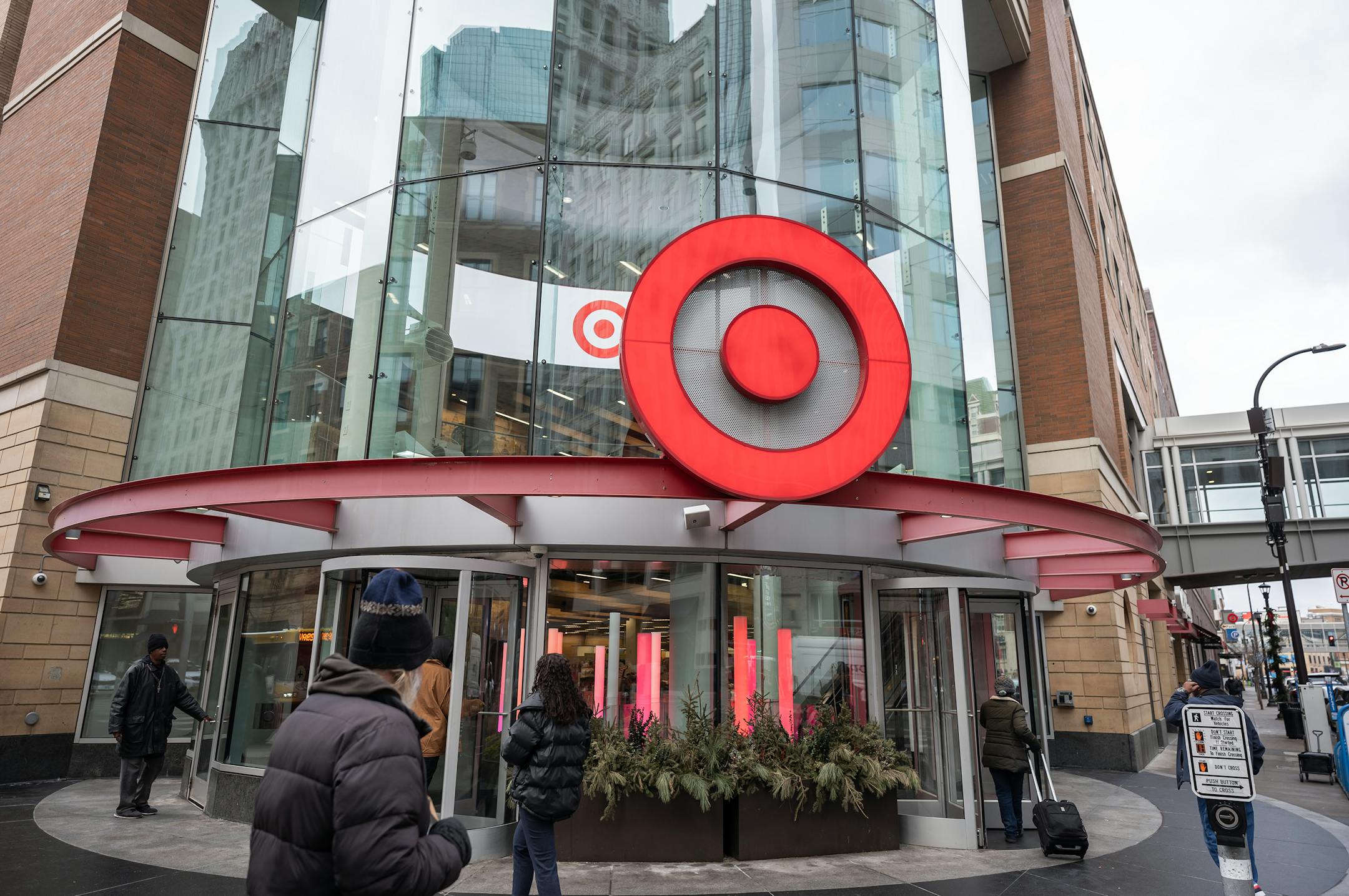
The vibe is tough at Target these days.
Once widely beloved by social activists and fast-casual fashionistas, Minneapolis-based Target now is accused by Black media leaders and activists of turning its back on diversity. Investors think the retailer missed out on data centers. And President Donald Trump’s tariffs may wipe out the company’s profit.
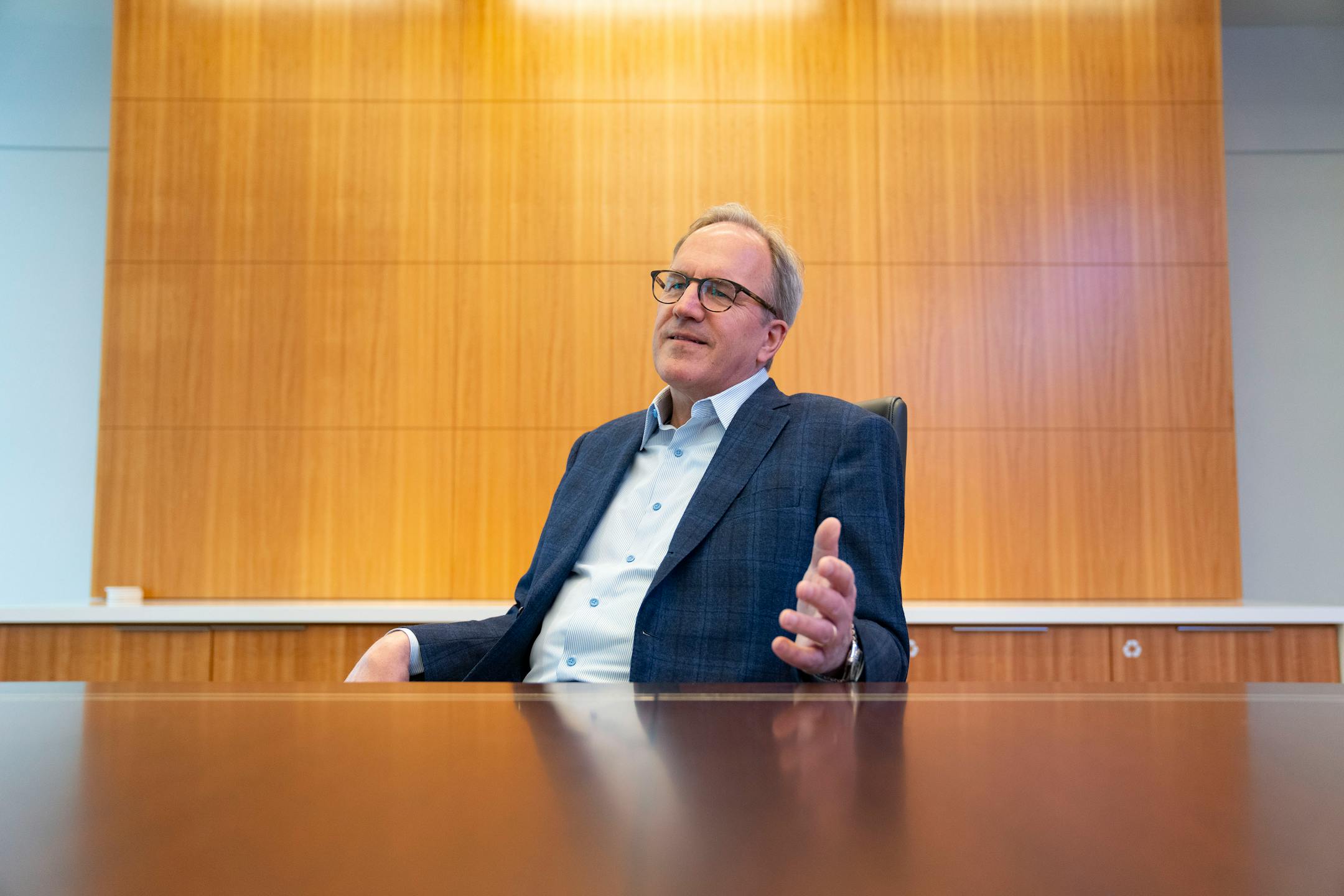
So things look pretty challenging for new CEO Michael Fiddelke, a Target lifer who came up through finance and other roles in its downtown headquarters.
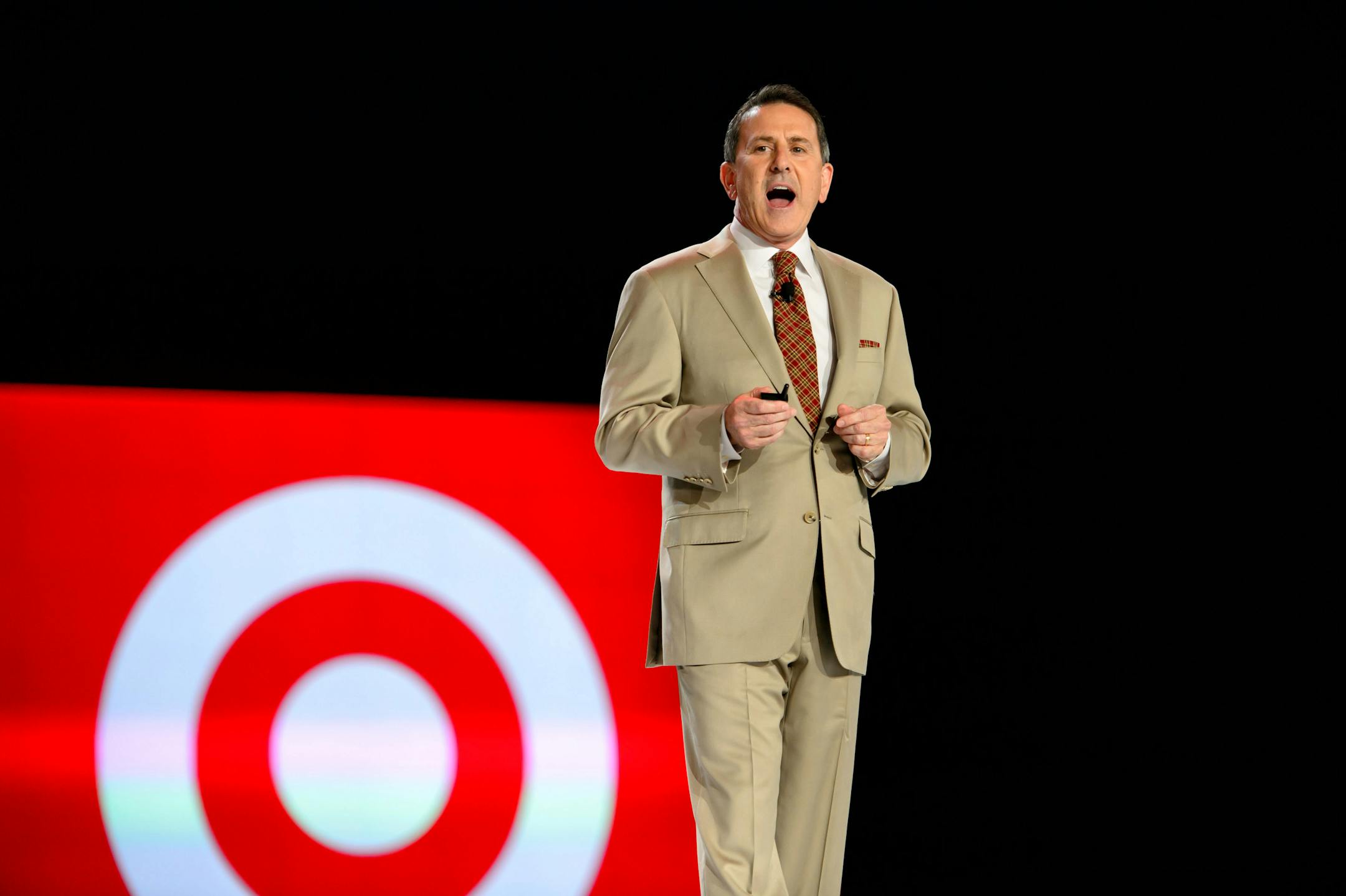
And yet things were more challenging 11 years ago, when Brian Cornell became the first outsider to lead Target.
A lot happens over a decade, and recency bias makes us think that whatever is happening now is bigger, badder or just more than before. Which means it’s easy to forget what Target was like in the summer of 2014.
Its business model of building stores in growing population centers, which yielded rising sales and profits for about 25 years, seemed played out. After a long period of adding 20 or 30 stores a year, Target’s U.S. store count fell by three in 2014 and grew by two in 2015.
Meanwhile, an expansion into Canada went so badly Target was internally forecasting it would lose money there for at least five years. Canada had already pushed Target’s overall profit downward for two years.
But the real problem facing Target was that it didn’t have a strategy for dealing with the consumer shift to shopping on computers and smartphones.