

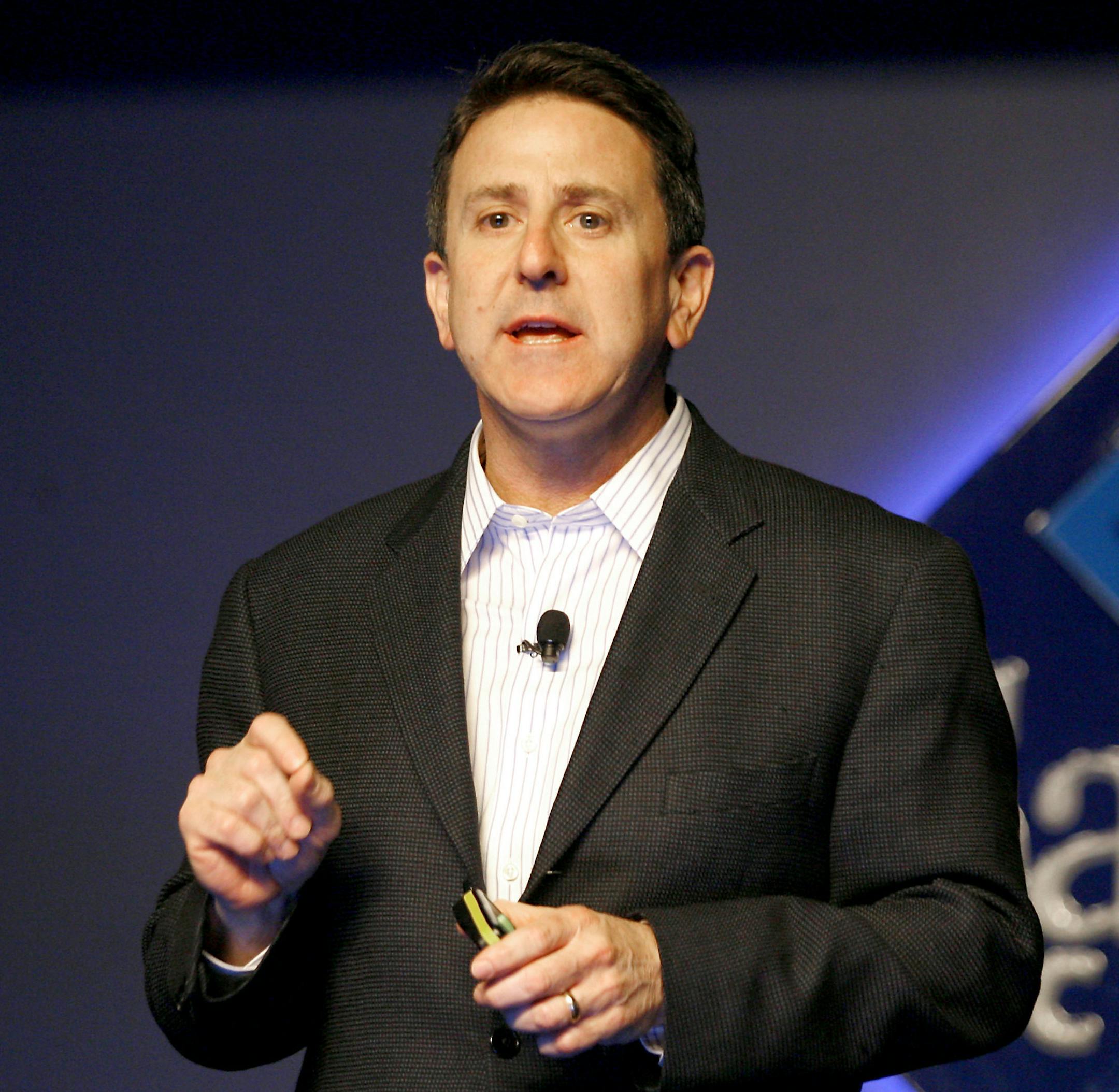
It took a minute last week to fully grasp that Target is actually going to be led by an executive, Brian Cornell, with Wal-Mart Stores on his résumé.
It’s one thing to go outside for a new leader, but to Wal-Mart?
Cornell has a varied background and wasn’t at Wal-Mart long, but it’s certainly fair to wonder if Target now becomes a little bit more like the world’s biggest retailer.
Let’s hope not. Becoming more like Wal-Mart was already one of Target’s biggest problems.
Target is hardly a twin of Arkansas-based Wal-Mart, of course, but today both companies are struggling in their core retailing operations and for very similar reasons.
The most telling number may be store traffic. Wal-Mart in May reported that traffic declined for the sixth consecutive quarter, this time down 1.4 percent. Meanwhile, Target in its last quarter said traffic in its U.S. segment was down 2.3 percent — also its sixth straight quarter of decline.
It wasn’t that long ago that Wal-Mart was one of the most celebrated companies in America. Minneapolis-based Target had a reputation for managerial excellence, too. Until maybe Costco came along, Target was regarded by investors as the only retailer that could take on Wal-Mart and hold its own.
These two got to the top of their industry in very different ways. From its roots in rural Arkansas, Wal-Mart grew to sales of $345 billion at the eve of the Great Recession, but it sure wasn’t the merchandising savvy driving all that growth. A first time shopper would have to conclude that the VP of merchandising had the same sensibility as the busy homeowner who arranged the wall hooks and storage shelves for all the stuff tossed into the family’s garage.


