Editor's Pick

Editor's Pick

Twin Cities suburbs seek destination status with new downtown plans

From Rosemount to Richfield to Brooklyn Center, leaders say residents are craving downtown-style developments and amenities that foster connection.

The Minnesota Star Tribune
October 20, 2025 at 11:00AM
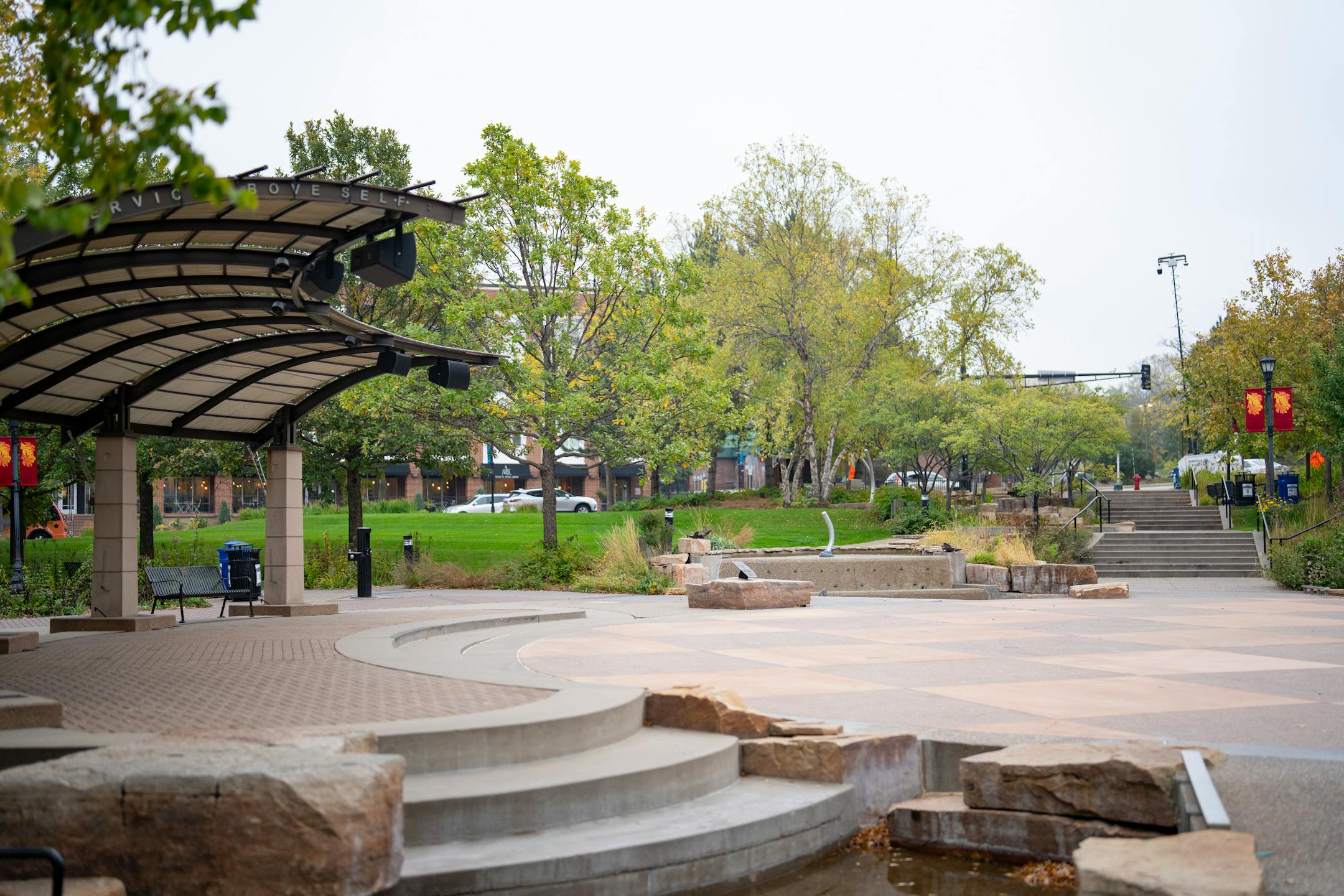
Nicollet Commons Park in Burnsville, pictured Thursday, is a key part of that southern suburb's Heart of the City development. (Alex Kormann/The Minnesota Star Tribune)

Richfield is perhaps best known for its proximity to the airport and neighborhoods of post-war homes, but the inner-ring suburb wants to stand out for something else: a bustling downtown.

City leaders are surveying residents and working with a national company that specializes in “placemaking” to define its commercial core — an area that spans 66th and Lyndale, extending east past a strip mall and north toward Richfield Lake — as a hub for residents and visitors.

“Even if they still commute to the city, they’d love to be able to walk to a smaller downtown in their community,” said Ryan Short, co-founder of CivicBrand, the firm Richfield tapped to shape its downtown.

The concept of a “suburban downtown” may seem oxymoronic, but it’s gaining traction across the Twin Cities area. Blaine is pouring $750 million into a new sports and entertainment hub. Brooklyn Center hopes to transform an 80-acre parcel into a “gathering place” packed with housing. And Chanhassen is working hard to attract new development to an established downtown.

Burnsville’s Heart of the City project, which started taking shape around 25 years ago, in many ways provided a blueprint for subsequent suburban makeovers. And while the pandemic halted some long-planned projects, the concept appears to be experiencing a revival, with city leaders saying suburbanites are craving neighborhoods that foster connection.

“We’re creating a downtown to drive to, not just a downtown to drive through,” Chanhassen Community Development Director Eric Maass said, noting that’s how he’s heard the city’s elected leaders describe the goal.
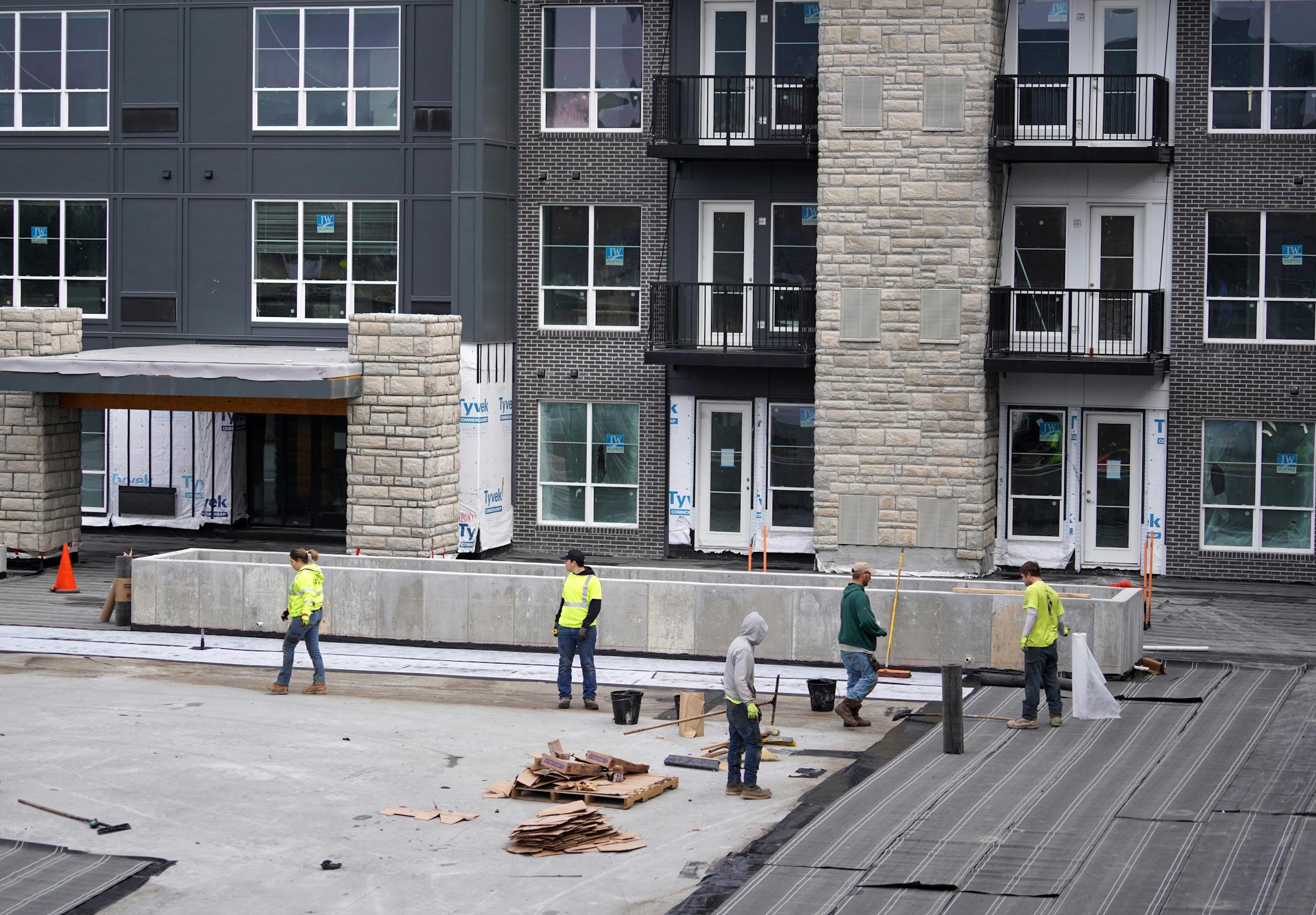
Workers at the Maven apartment building construction site in Burnsville on the job in 2020. The complex is near the Nicollet Commons Park in downtown. (Brian Peterson/The Minnesota Star Tribune)

Burnsville creates the blueprint

From Anoka’s much-anticipated social district to an entertainment hub taking shape around an under-construction amphitheater in Shakopee, investment in suburban amenities is widespread.

But building a suburban downtown from scratch was still somewhat untested locally in the early 2000s, when Burnsville sought to convince a skeptical public that the costly Heart of the City was a good idea. The plan called for a multimillion-dollar performing arts center officials hoped would anchor the up-and-coming downtown.

Some residents balked at the project’s financing plan, which asked taxpayers to foot part of the bill. But longtime Mayor Elizabeth Kautz emerged as a fierce defender of the performing arts space and the broader Heart of the City, which grew to include public transit, a park, restaurants and housing along Nicollet Avenue south of Hwy. 13.

Throughout its somewhat controversial early years, Kautz contended it would expand the city’s tax base and precipitate further development. And a quarter century later, the mayor said her predictions have largely come true.

“I think it’s a great success,” she said, adding the project transformed “a 54-acre site that was blighted and depressed into what is now a vibrant, pedestrian-friendly urban center.”

To be sure, the project hasn’t been immune to real estate pressures and development drama. A three-story office building that anchored the area went into foreclosure in 2012. Five years later, the owners of a nearby strip mall tried to block construction of a high-end apartment.

“Developers come, developers go,” Kautz said. But the city, she added, worked hard to secure the money, land-use approvals and public support that has buttressed the development despite occasional setbacks.

In Rosemount, officials are focused on developing a downtown that works for the suburbs, rather than replicating the density of the Twin Cities.

Anthony Nemcek, a senior planner with the city of Rosemount, said the city agreed in 2004 to invest in its core district. Over the years, officials primed land for apartments, added a park-and-ride and turned an old church into a community center.

But Rosemount has at times struggled to attract developers for buildings that blend commercial and residential space, he said, noting they can be a riskier investment than a traditional apartment. Still, that hasn’t slowed its downtown development that caters to what Nemcek described as suburban values.

“At the end of the day, Rosemount is still a suburban community,” he said. “People are still going to need to drive. So the trick is trying to accommodate the need for parking or automobile accessibility while creating a downtown environment that encourages walkability.”

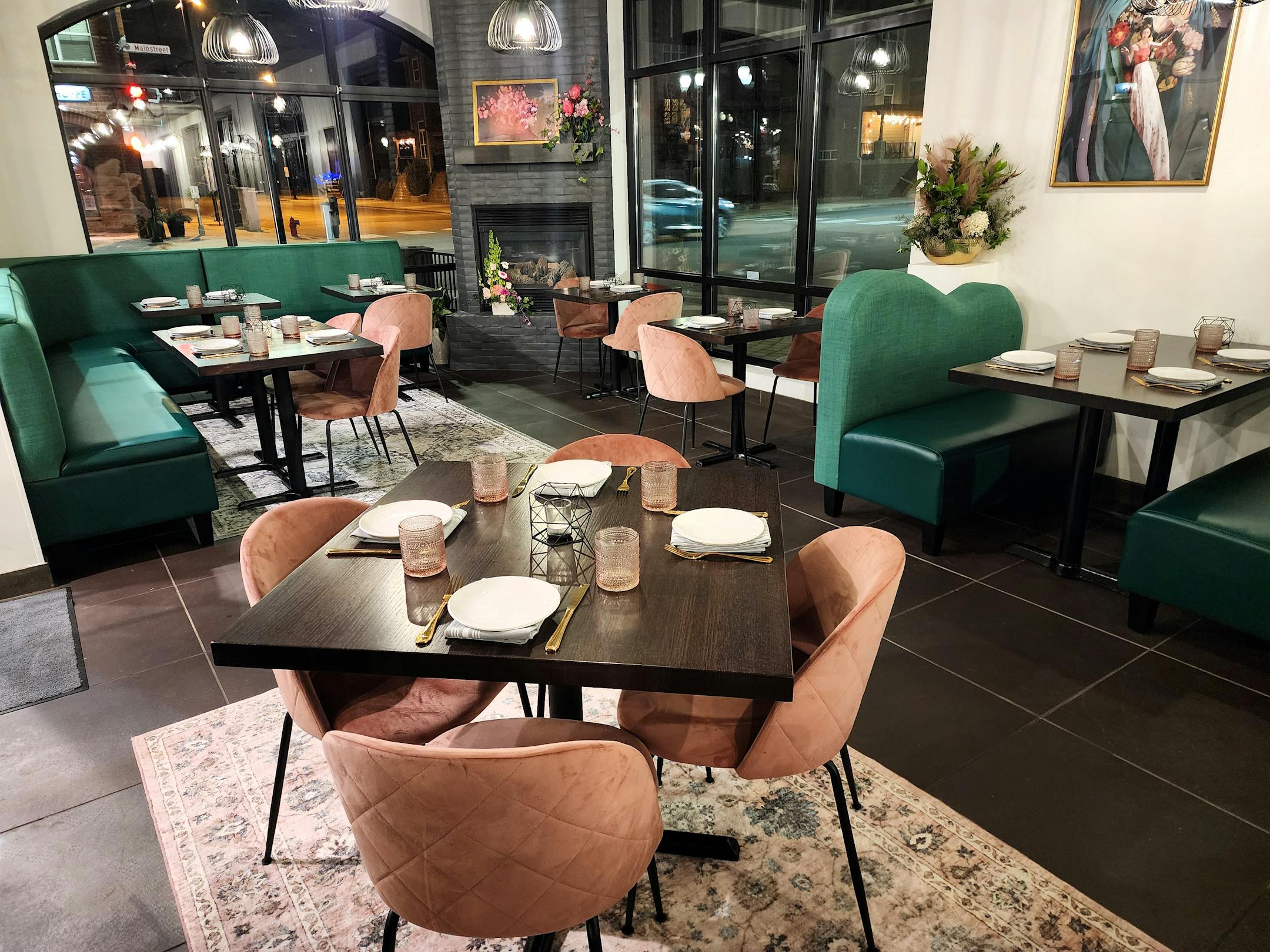
A dining room with a table with four pink chairs in the foreground, and emerald green booths in the background
The dining room at Pink Ivy, which opened in Hopkins last year. (Sharyn Jackson/The Minnesota Star Tribune)

Projects to watch

The suburban downtown boom is getting a boost not just from city officials, but the development community, with some saying it’s easier to do business beyond the Twin Cities.

“Minneapolis and St. Paul are much more difficult to deal [with] on all levels,” said Joshua Howe of Optimistic Partners, a developer who has built suburban apartments and Twin Cities restaurants. “Starting with planning and zoning, continuing all the way to public safety.”

Some suburbs have sought to foster a business-friendly atmosphere in hopes of attracting new establishments. Hopkins, which already had a historic downtown with a variety of restaurants, changed its liquor licenses rules a few years ago to make it easier for certain businesses to serve alcohol, Planning and Development Director Kersten Elverum said.

“We try to be really flexible and create opportunities by removing barriers,” she said.

Brooklyn Center, meanwhile, is on the precipice of a massive new development project. An 80-acre swath near the center of the city will soon be seeded with housing as the first phase of what Community Development Director Jesse Anderson describes as a “gathering place.”

City Manager Reggie Edwards said the remake should represent the city’s diversity and provide easy access to local trails. That vision — emphasizing Brooklyn Center’s current strengths rather than manufacturing them — echoes the approach that Short, the CivicBrand co-founder, takes to branding suburban downtowns.

Cities, he advises, shouldn’t overemphasize their singularity, but rather spotlight the existing values that make them special. Richfield seems on board with that approach, with Economic Development Manager Jan Youngquist pointing to the city’s international restaurants and nature preserve as aspects to highlight in its rebrand.

“As we’re trying to set ourselves apart from neighboring communities or other suburbs,” she said, “it’s like, let’s lift up the assets that we do have.”

about the writer

about the writer

Eva Herscowitz

Reporter

Eva Herscowitz covers Dakota and Scott counties for the Star Tribune.

See Moreicon